
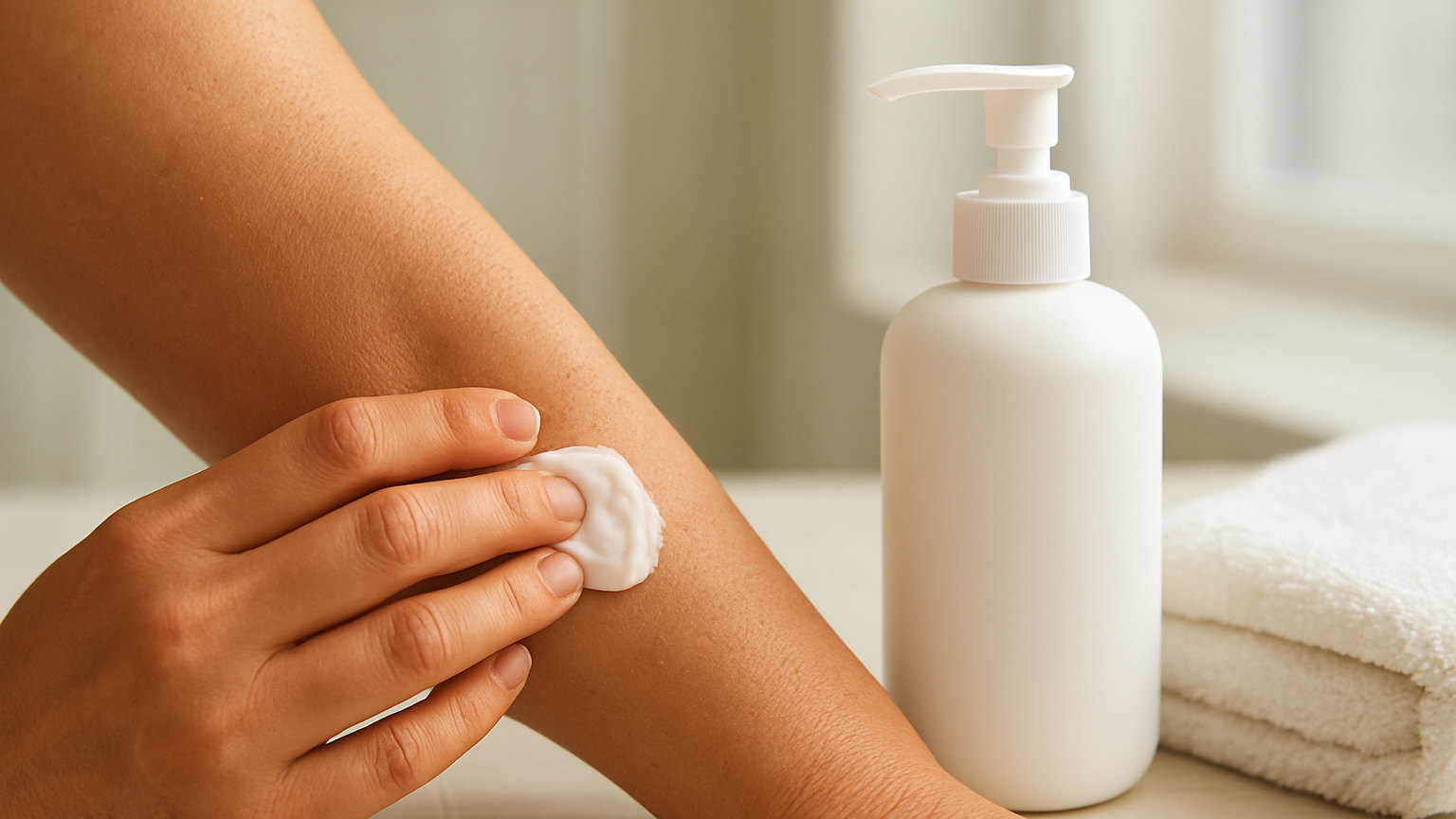
Itching after a shower is common enough to be dismissed and occasionally worth investigating. The distinguishing feature is whether it happens because the skin has been dried out or the moment water touches it.
Why does hot water cause itching?
Heat dissolves the lipids holding the skin barrier together far more effectively than warm water. A stripped barrier leaves nerve endings more easily stimulated.
Heat also directly triggers the release of histamine from mast cells in the skin, which causes itching independently of the drying.
And warmth raises skin temperature, which lowers the itch threshold. This is why itching is worse in bed at night too.
The relief a hot shower provides for existing itching is short-lived and followed by considerably worse itching once the skin dries.
What makes it worse?
Long showers. Soap and heavily foaming washes over the whole body. Hard water, which requires more product and leaves residue.
Rubbing dry with a towel rather than patting. Not moisturising promptly.
Central heating and low indoor humidity, which is why this is largely a winter complaint.
Scratching, which damages the barrier further and creates a cycle that sustains itself long after the original cause.
What fixes it?
Lukewarm water and a shorter shower, which is the single most effective change.
A cream wash or syndet bar rather than soap, applied only to underarms, groin and feet.
Patting dry and moisturising within three minutes, on damp skin.
An emollient kept in the fridge, which provides genuine relief since cooling the skin interrupts the itch signal.
Give it a month, since the barrier takes two to four weeks to rebuild.
What is aquagenic pruritus?
Itching that begins within minutes of contact with water at any temperature, with no visible rash. It typically affects the arms, legs and trunk and settles within thirty to sixty minutes.
The distinguishing feature is that temperature is irrelevant. Cold water triggers it as readily as hot, which separates it from ordinary dry-skin itching.
Most cases are idiopathic and harmless.
It is worth mentioning to a GP because it is occasionally associated with polycythaemia vera and some other blood conditions, which a simple blood test can exclude. That association is the reason not to ignore it.
What helps aquagenic pruritus?
Shorter, cooler showers. Adding a dispersible bath oil to the water. Patting rather than rubbing dry, and applying emollient immediately.
An antihistamine taken before showering helps some people.
Adding sodium bicarbonate to bathwater has been reported to help, and the evidence is anecdotal.
What about cholinergic urticaria?
Small itchy weals appearing after heat, exercise or a hot shower, caused by a rise in core body temperature.
The distinguishing feature is visible small raised bumps surrounded by redness, rather than itching with no rash. They typically appear within minutes and settle within an hour.
Antihistamines are the usual treatment and it is worth a GP appointment for confirmation, particularly if it is severe or accompanied by any breathing difficulty.
When is it something else entirely?
Itching without any rash that persists beyond a few weeks despite consistent emollient use warrants a GP appointment.
Causes include iron deficiency, thyroid disease, liver conditions, kidney disease, some blood disorders and, occasionally, lymphoma.
Itching accompanied by weight loss, fever, night sweats, jaundice or fatigue should be seen promptly.
Intense itching in pregnancy, particularly of the palms and soles and particularly at night, needs same-day assessment, since it can indicate a liver condition carrying risks to the baby.
What should you do first?
Change the temperature and the soap, and moisturise promptly, for a month.
If the itching happens regardless of water temperature and starts within minutes of contact, mention it to a GP rather than treating it as dryness.
And if there is no rash at all and it has lasted more than a few weeks, that is the pattern worth getting checked rather than managing.
Why is it worse at night?
Several things coincide. Skin temperature rises in bed, and warmth lowers the itch threshold directly.
Cortisol, which has an anti-inflammatory effect, is at its lowest overnight. Water loss through the skin peaks at the same time.
And there is less to distract from it, which is not trivial: itching that goes unnoticed during the day becomes the only thing you are aware of at eleven at night. Moisturising before bed and keeping the bedroom cool address most of it.


