Are Ammonia-Free and Natural Hair Dyes Better?
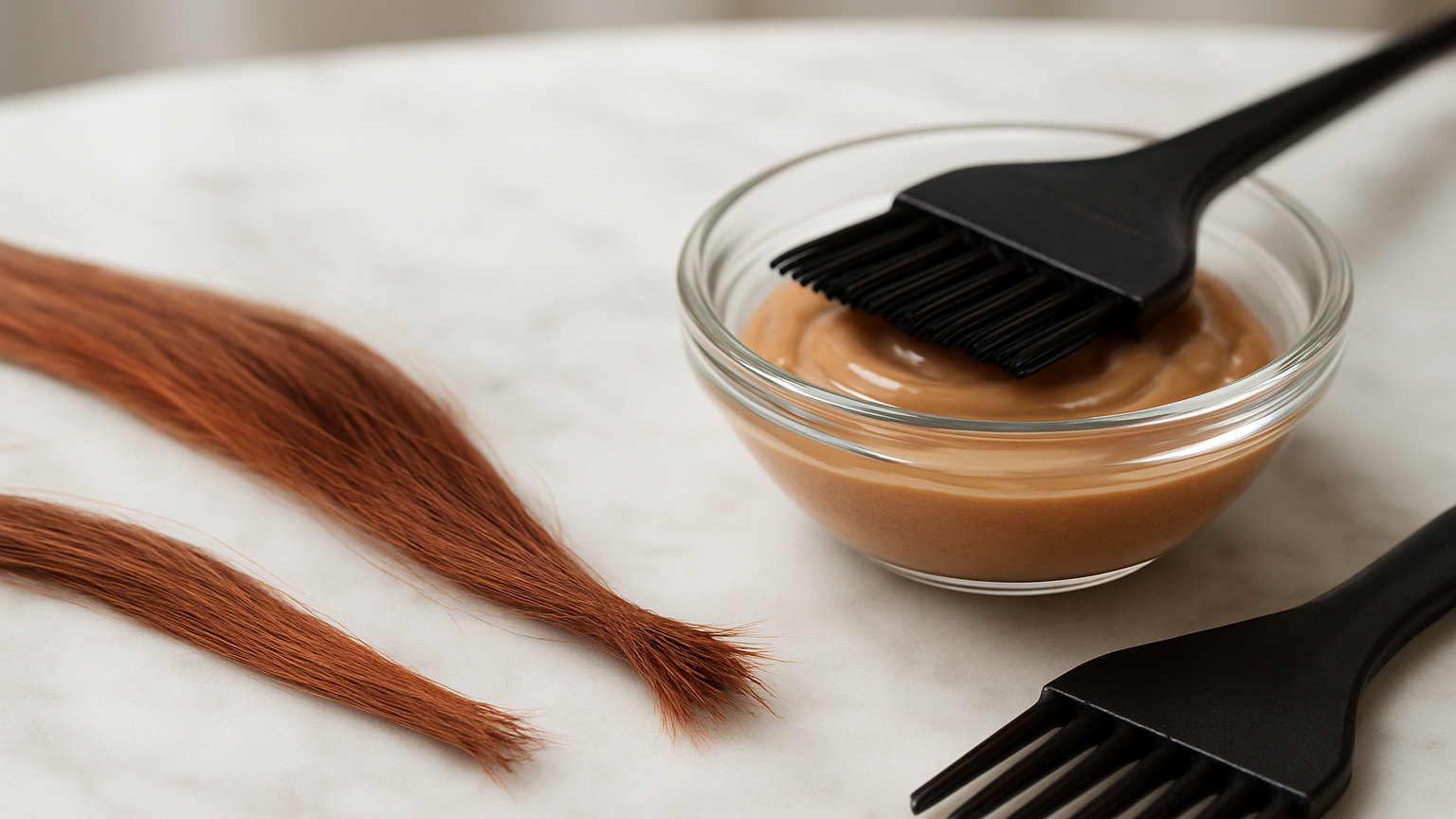
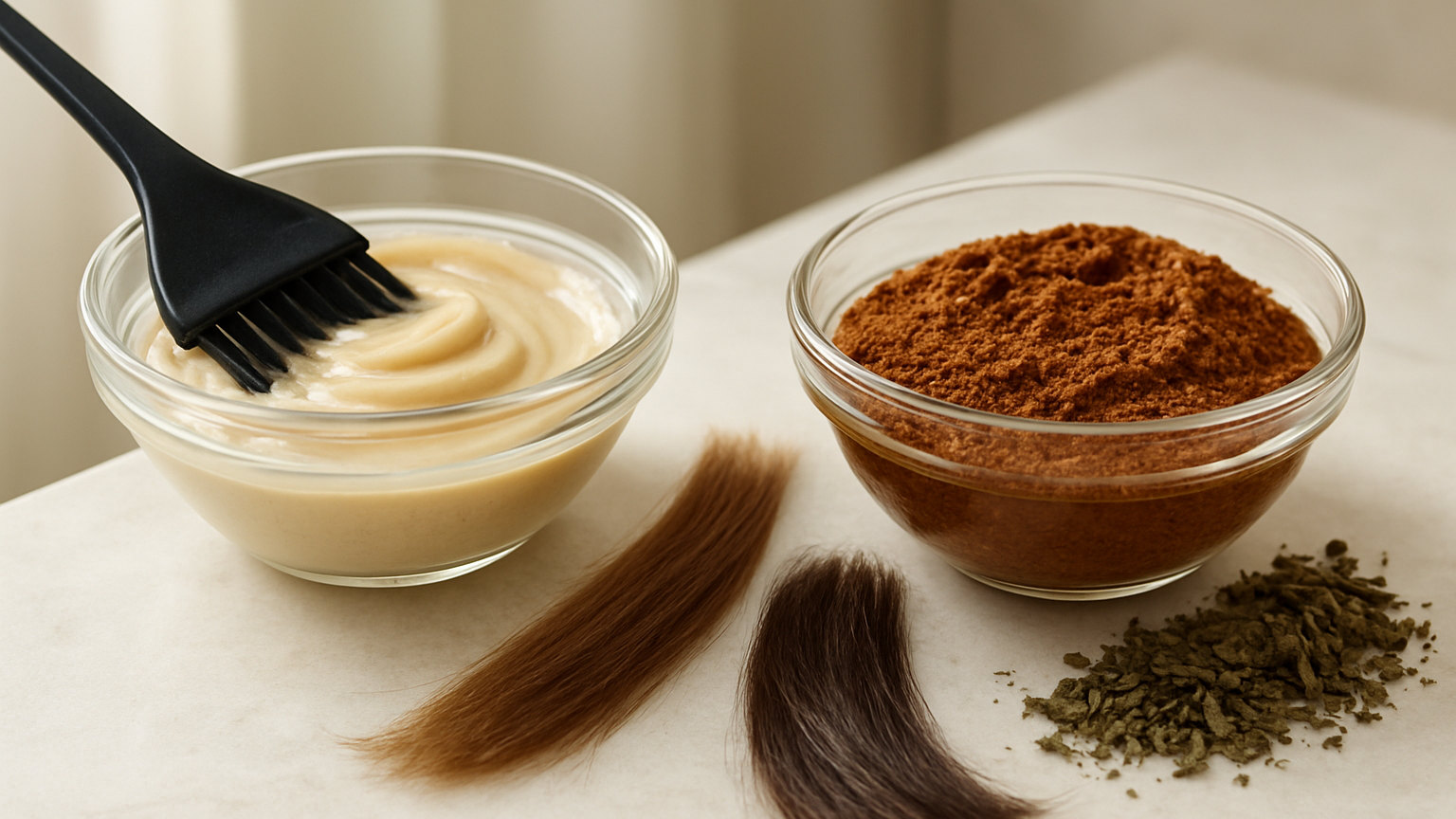
Ammonia-free does not mean gentler in the way it sounds, and natural dyes trade one set of limitations for another.
By Beauty Advice Team
14 Jul 2026

Colouring at home versus at a salon, going lighter or darker, covering grey, toning brass, and looking after colour once it is done.
Ammonia-free does not mean gentler in the way it sounds, and natural dyes trade one set of limitations for another.
Colour changes how hair behaves in ways that are frequently mistaken for a change in hair type, and some of those changes are permanent.
It is the most technical work a colourist does, the most expensive, and the most frequently caused by an attempt to fix something at home.
Depositing colour on damaged hair is usually fine and lifting it is often not, and there is a test that tells you which side of that line you are on.
The evidence is reassuring rather than absolute, and the usual advice is about reducing an already small exposure rather than avoiding a known risk.
This is the most damaging thing routinely done to hair, and the difference between a good outcome and a bad one is mostly patience.
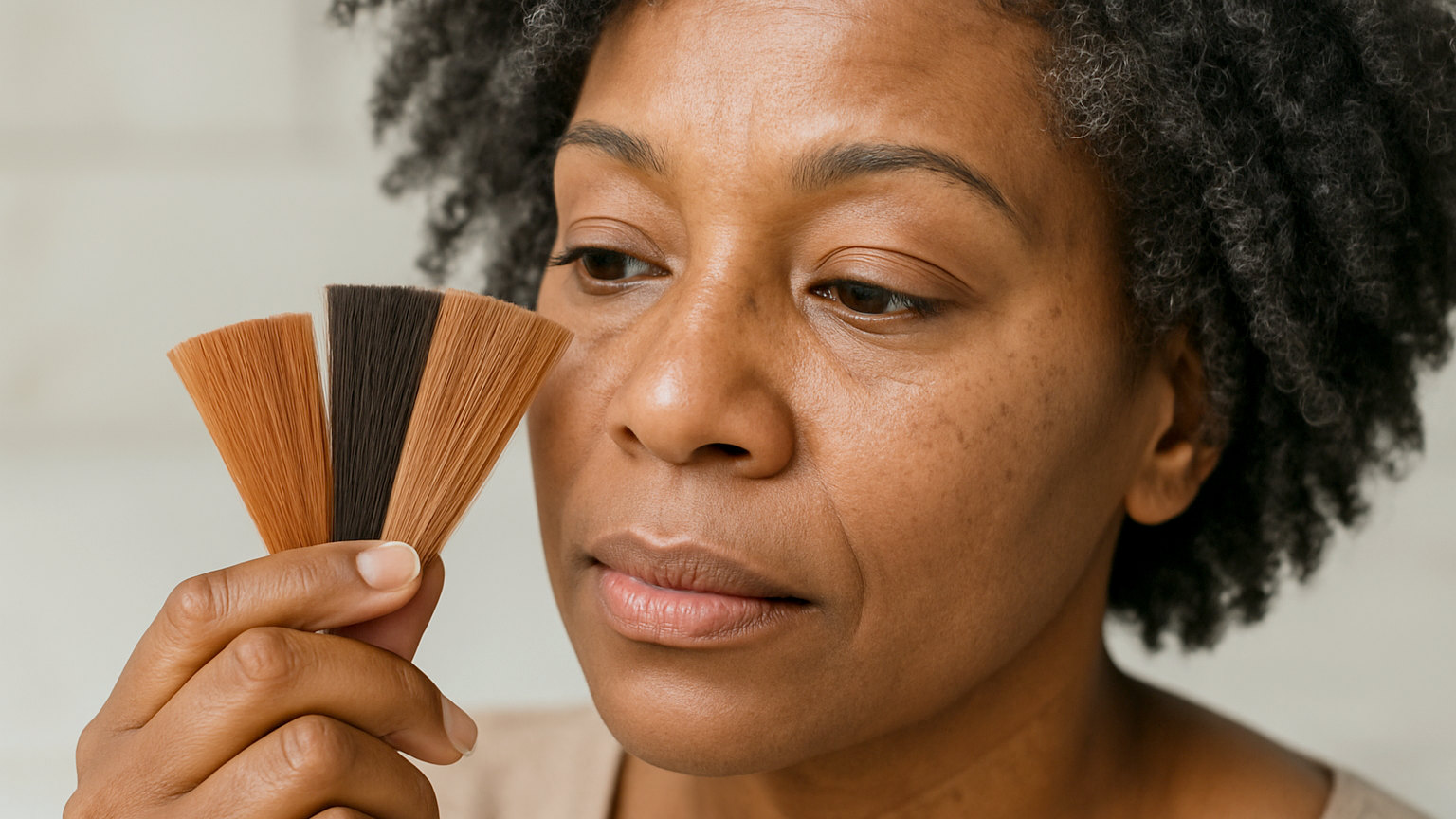
Most of the advice about this rests on skin undertone, and there is a simpler question that predicts satisfaction better.
Dye damages the shaft rather than the follicle, which means the breakage it causes and genuine hair loss are different things with different implications.
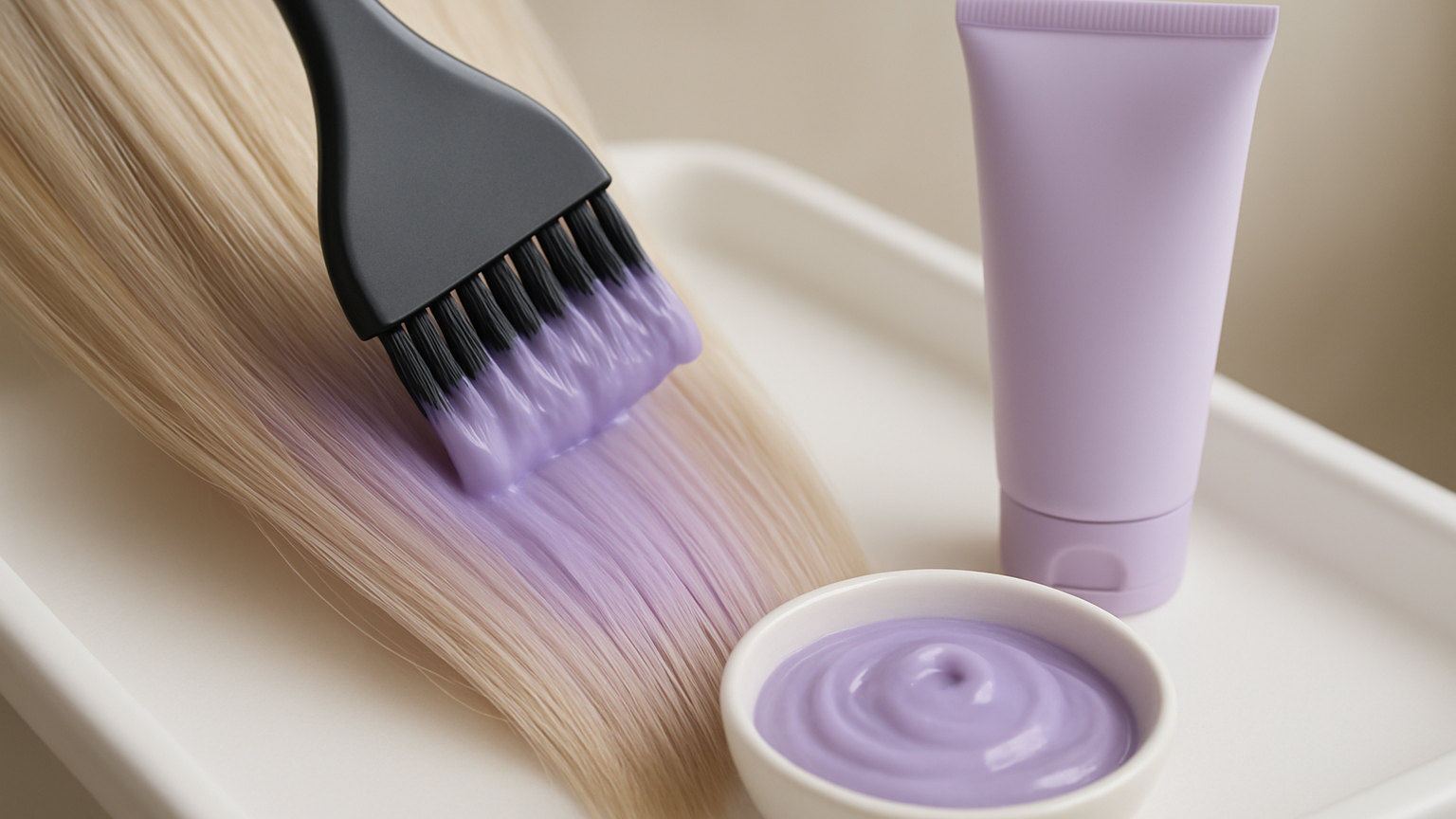
Lightening and toning are two separate steps, and most complaints about blonde going brassy are really about the second one wearing off.
The terms describe application techniques rather than colours, and the difference determines how they grow out and how often you need to return.
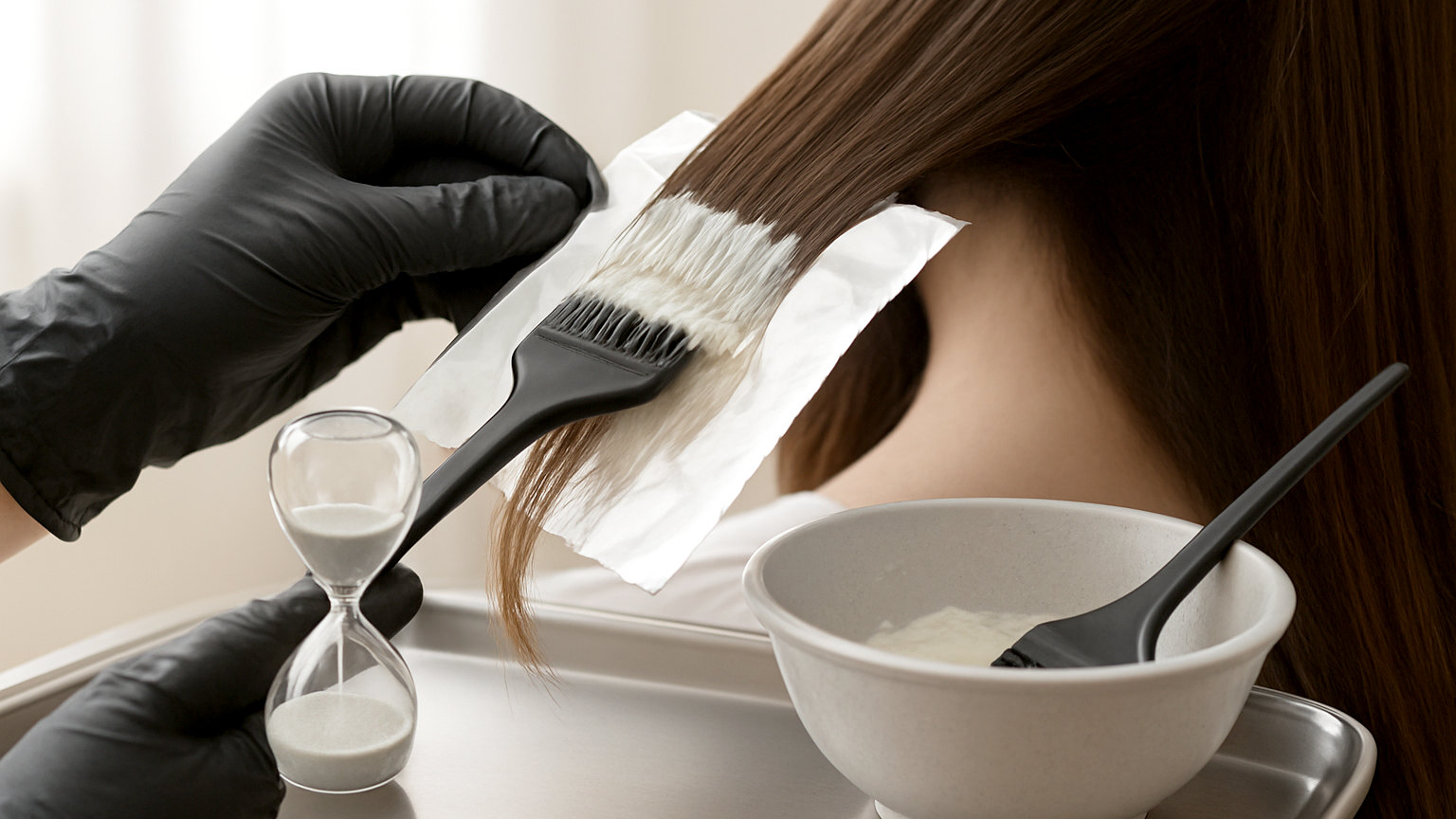
Home colour works well for some things and badly for others, and knowing which is which prevents the outcomes that need a salon to fix.
Fading is partly chemistry you cannot change and partly a list of habits you can, and the habits account for more than most people assume.