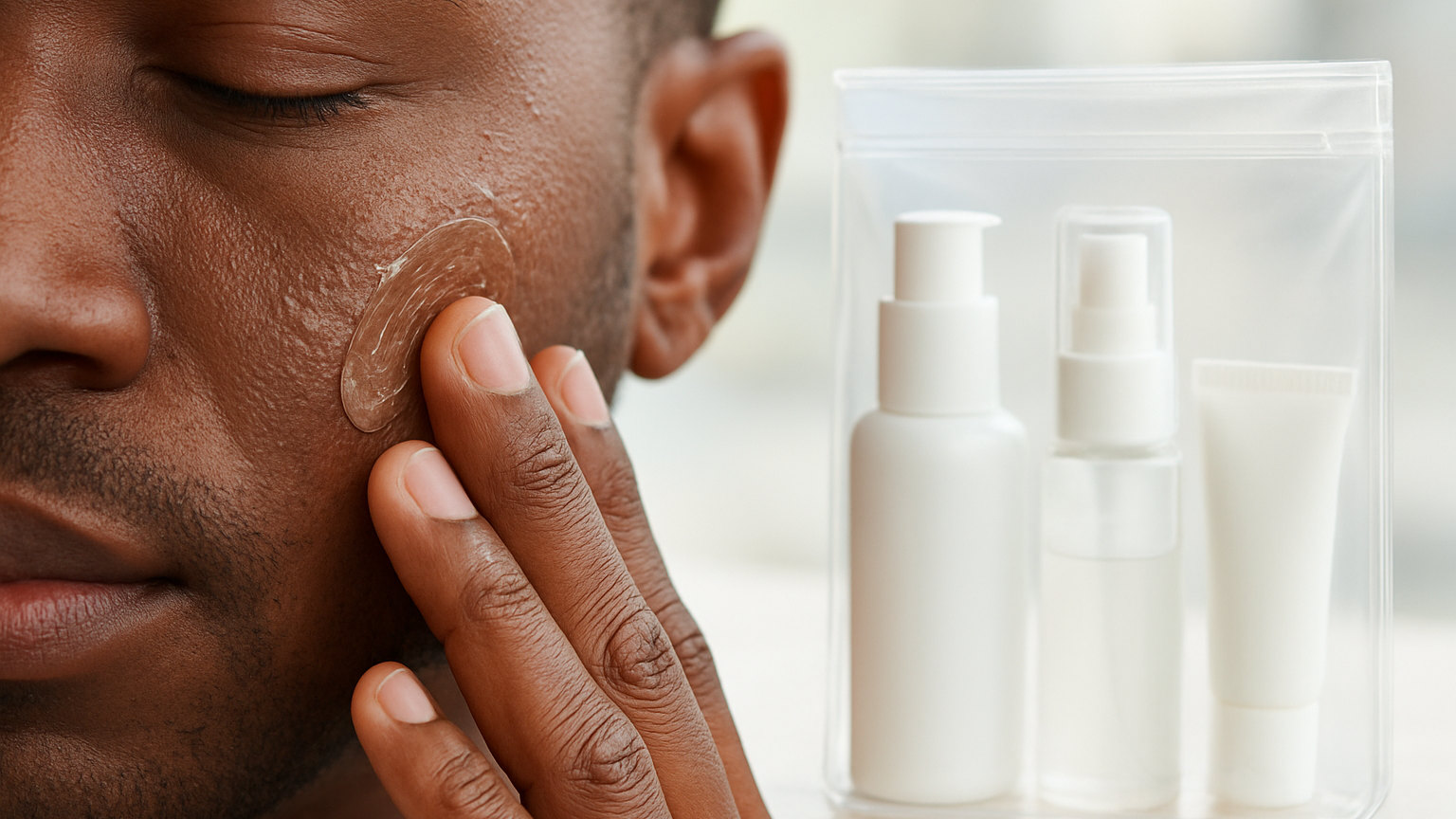
Across every area of this site, the same pattern recurs: the problems people create for themselves come from doing too much rather than too little. A short list of habits accounts for most of it.
Which is the most damaging?
Picking, in all its forms. Squeezing spots, digging out ingrown hairs, pulling hangnails, peeling gel polish, picking scabs.
Every one of them converts something that would have resolved in days into inflammation lasting weeks and a mark lasting months. Picked spots are the largest single cause of acne scarring, and picked ingrown hairs are the main route to pigmentation and infection.
Nothing else on this list produces such reliably worse outcomes for so little immediate gain.
What about over-exfoliating?
The most common self-inflicted skin problem. It presents as tightness, stinging, redness and, confusingly, more oil, which prompts people to exfoliate harder.
Physical scrubs used daily, acids used alongside a retinoid, cleansing brushes and body scrubs on already dry skin all contribute.
The barrier takes two to four weeks to recover once you stop, and stopping is the entire treatment.
What about pressure?
Brushing teeth hard, which causes gum recession and enamel notches at the gum line, both permanent.
Brushing hair from the roots down through tangles, which snaps it. Scrubbing skin with a towel rather than patting.
Pressing a razor into the skin, which is the main cause of razor burn and usually means the blade is blunt.
In every case, gentler is not merely safer but more effective, which is counterintuitive enough that people resist it.
What about heat?
Hot showers, which strip skin lipids far more than warm ones and are the commonest cause of winter dryness.
Straighteners and dryers on maximum, which cause cumulative protein damage that no product reverses.
Hot water on the face and on freshly shaved skin. Heat on hands and feet after they have been cold, which triggers chilblains.
What about removing too much?
Over-plucking brows, which becomes permanent after enough years and is one of the few genuinely irreversible items here.
Cutting cuticles, which removes the seal protecting the nail from infection. Cutting toenails too short or rounding the corners, which causes ingrown nails.
Shaving too close on skin prone to ingrown hairs. Removing so much hard skin from feet that the protective layer is gone.
What about doing things too often?
Washing hands and body more than the skin can recover from. Shaving daily on skin that needs a day off.
Chemical treatments stacked too close together: lamination, tinting, colouring and perming all use related chemistry, and combining them in a fortnight causes breakage.
Whitening kits used beyond the stated frequency, which causes sensitivity and gum damage.
What about skipping things?
The list is much shorter, which is itself informative. Sunscreen, which is the single largest omission and shows up decades later.
Cleaning between the teeth, which prevents the commonest cause of tooth loss. Moisturising after washing.
Patch testing hair dye, which is the one omission capable of causing a medical emergency.
Why does over-doing feel productive?
Because most of these habits produce an immediate sensation that reads as progress: skin feels clean after scrubbing, teeth feel polished after hard brushing, a squeezed spot looks flatter for an hour.
The damage accumulates invisibly and appears later, by which point the connection is not obvious.
The general rule that follows is worth holding onto: if something stings, drags, tugs or requires force, it is doing harm rather than working.
Which are actually reversible?
Most of them, which is the encouraging part. Barrier damage from over-exfoliating recovers in two to four weeks of doing nothing. Irritated skin from over-washing recovers similarly.
Hair damaged by heat cannot be repaired and grows out, which for most people is a year or two.
The genuinely permanent items are a short list: gum recession, enamel loss, over-plucked brows after enough years, scarring from picked spots and ingrown hairs, and keloids. Those are the ones worth stopping first.
Where do you start?
Stop the picking, which needs nothing bought and no plan. Then reduce anything you do daily that could be done twice a week.
Give it a month before adding anything back, since the improvement from removing habits is frequently mistaken for a product working when both change at once.