How Do Teeth Change With Age?
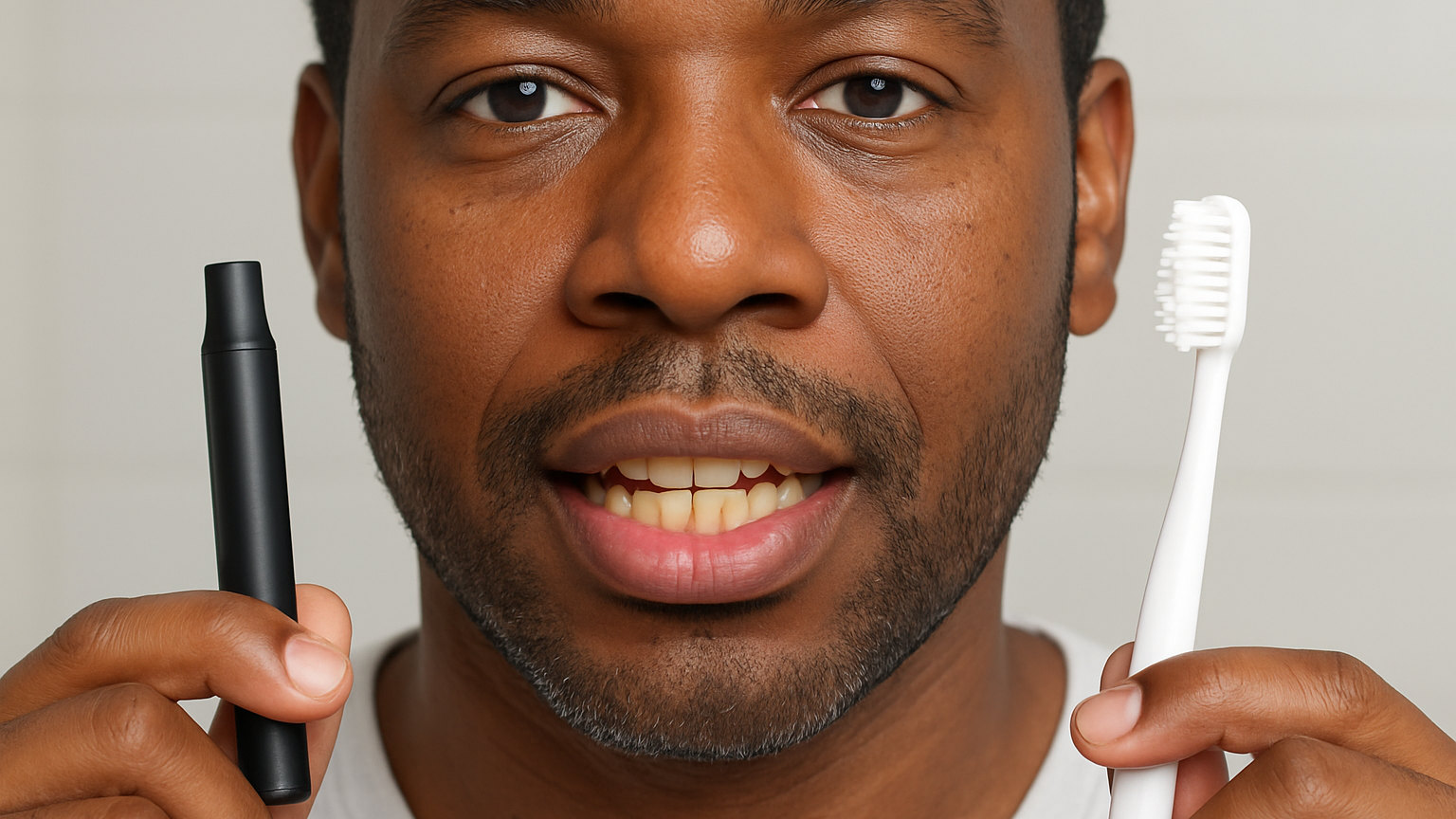
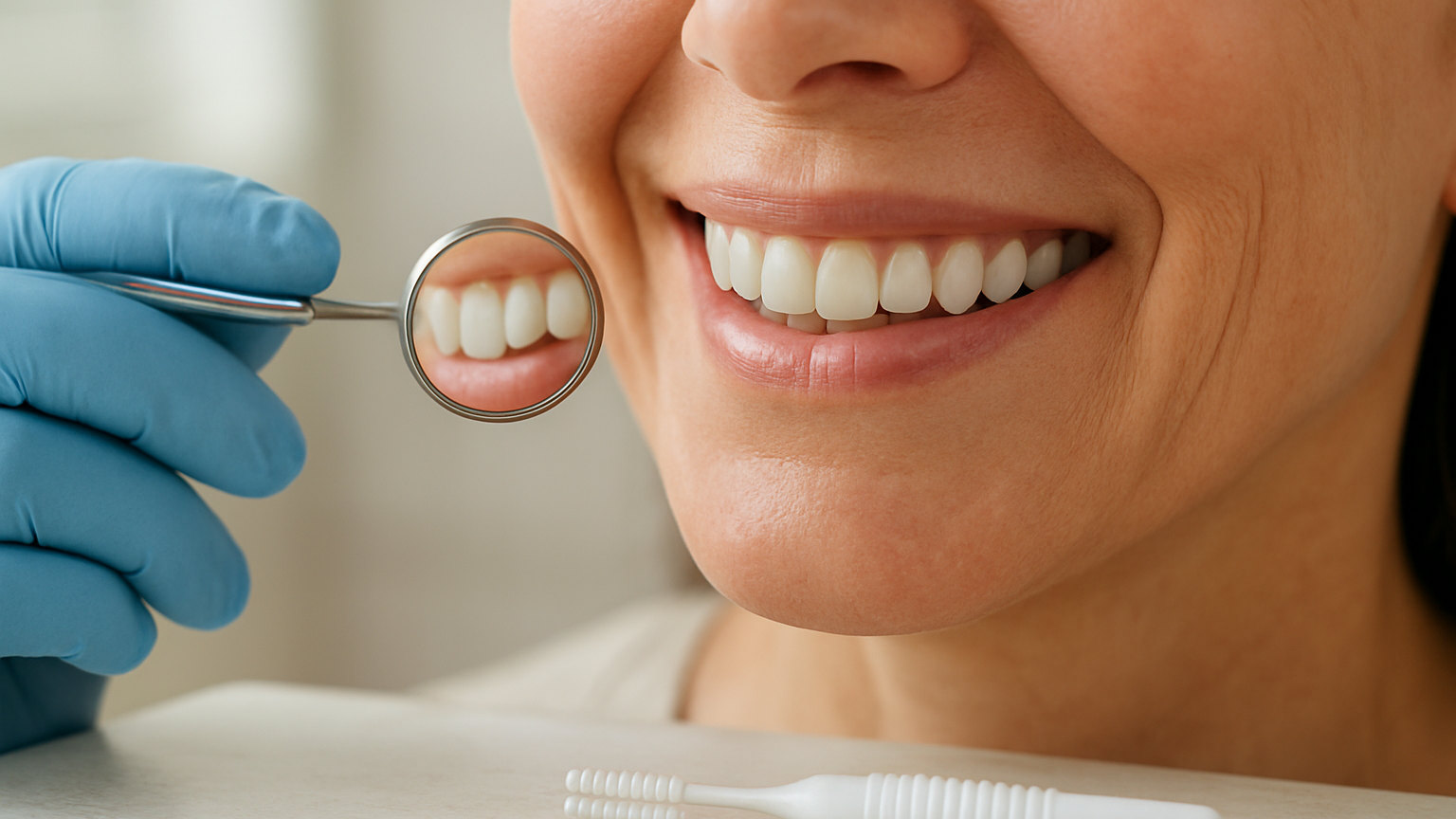
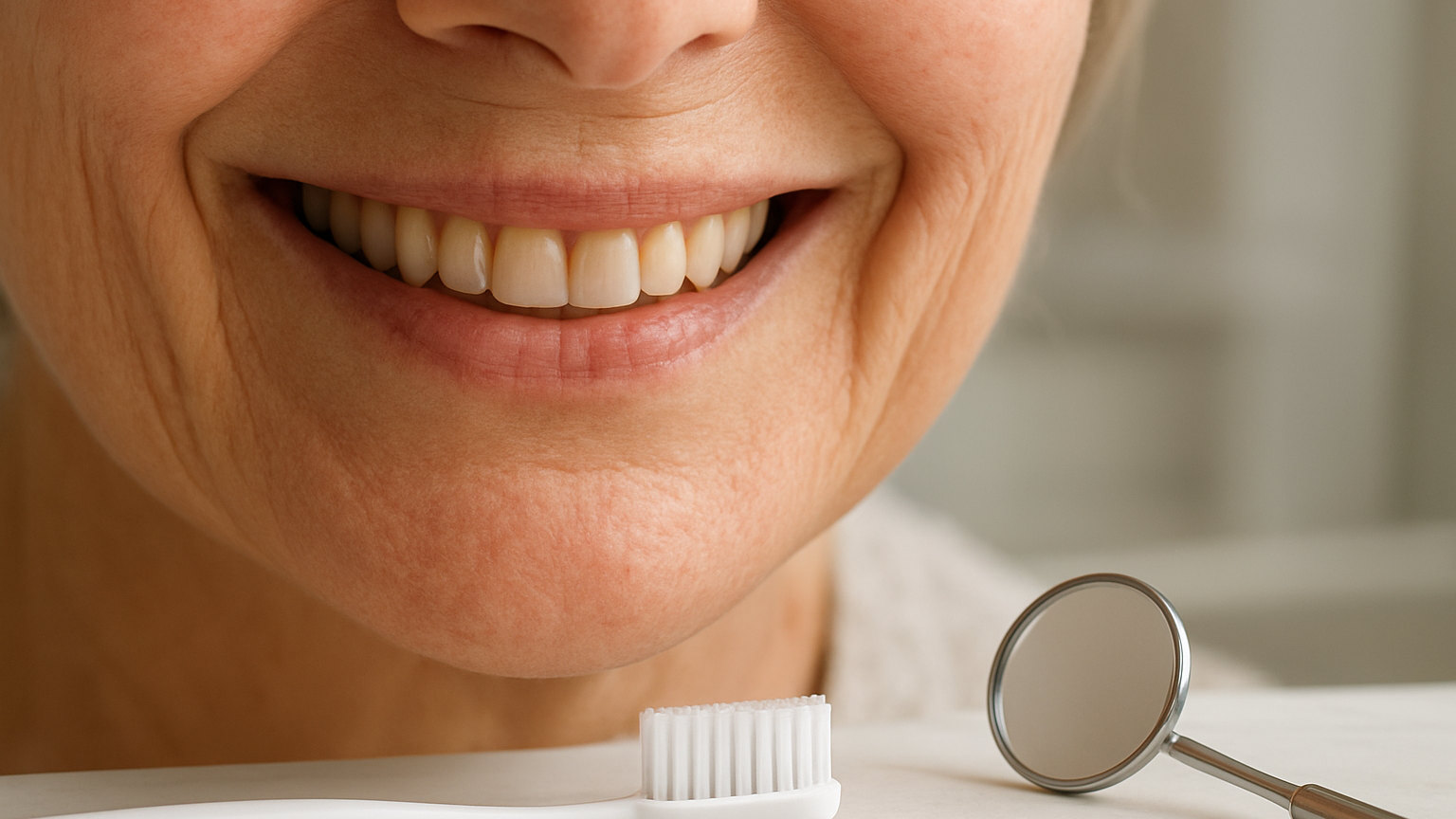
Teeth darken, wear down and shift position over decades, and losing them is not among the things that has to happen.
By Beauty Advice Team
20 Jun 2026

Whitening that works and whitening that damages enamel, staining, everyday cleaning, and what a dentist can do that a kit cannot.
Teeth darken, wear down and shift position over decades, and losing them is not among the things that has to happen.
Smoking is the largest modifiable risk factor for gum disease and oral cancer, and it also hides the symptoms that would otherwise warn you.
Decay is a chemical process rather than an infection you catch, and it is reversible in its earliest stage, which is the part most people never hear.
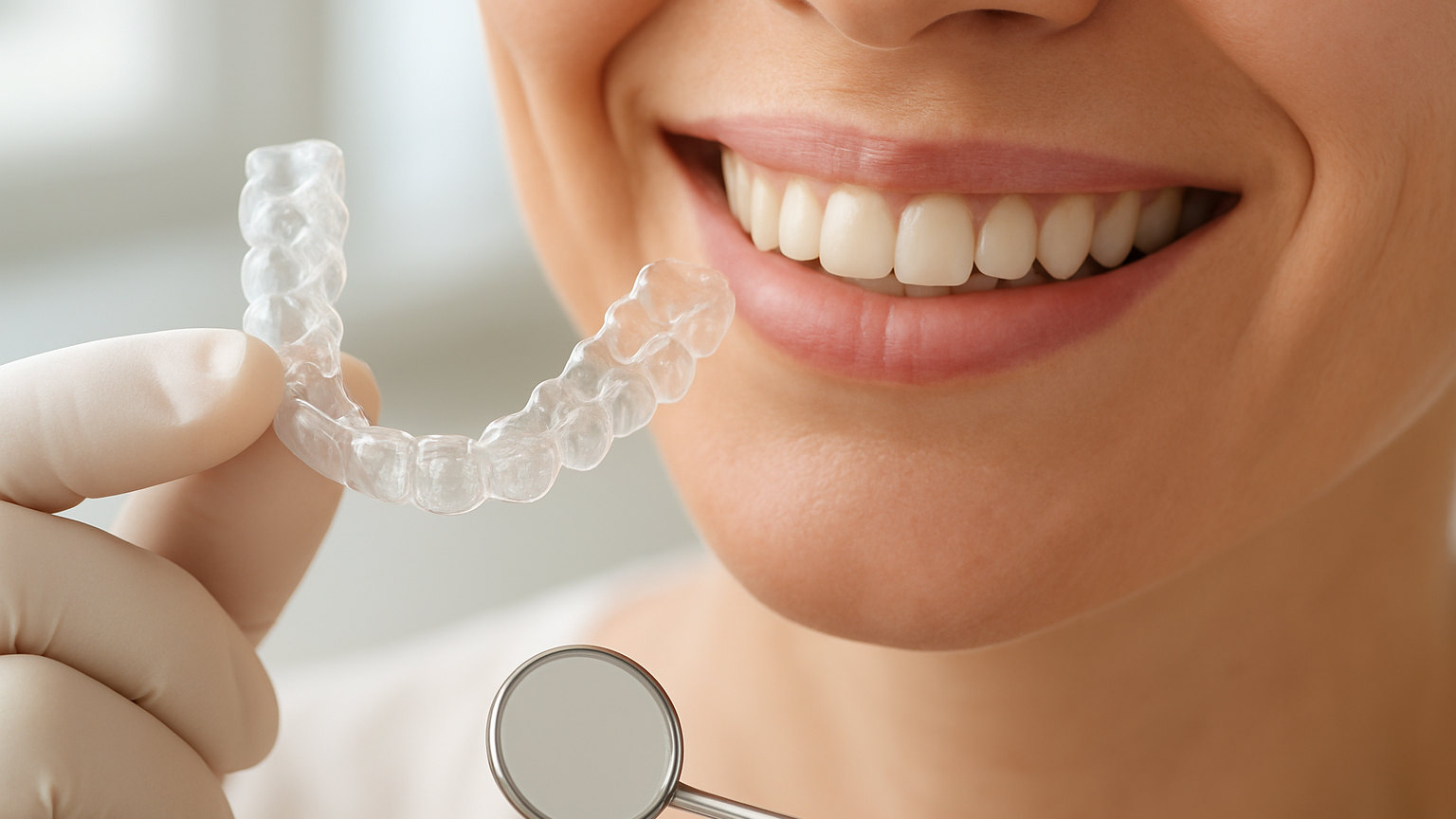
Adult orthodontics works well, and the direct-to-consumer aligner market has produced enough harm that the distinction between supervised and unsupervised treatment matters.
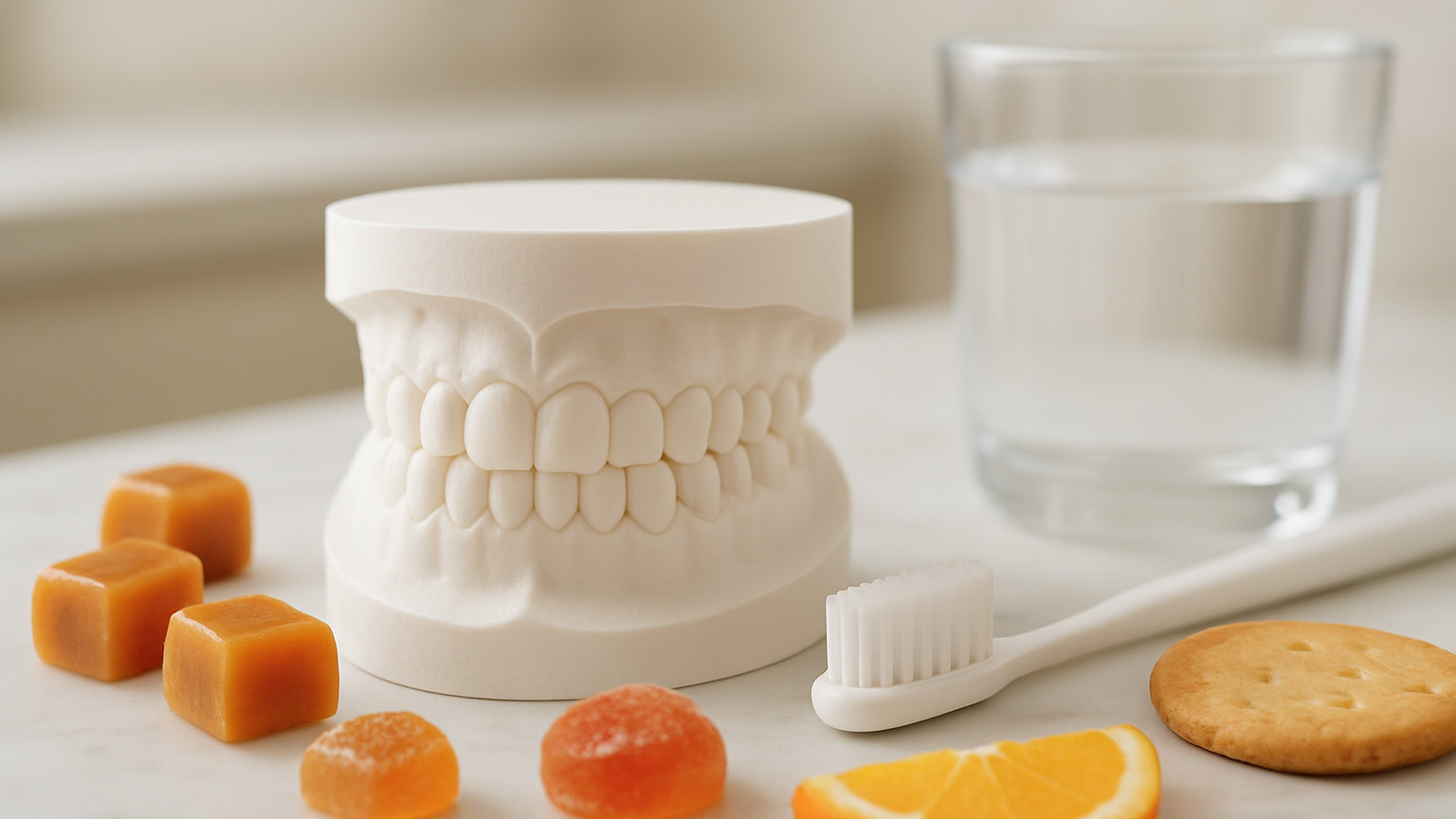
How often you eat sugar matters considerably more than how much, which is the single most useful fact about diet and teeth.
The six-month rule is a convention rather than a clinical recommendation, and the interval that suits you depends on your risk.
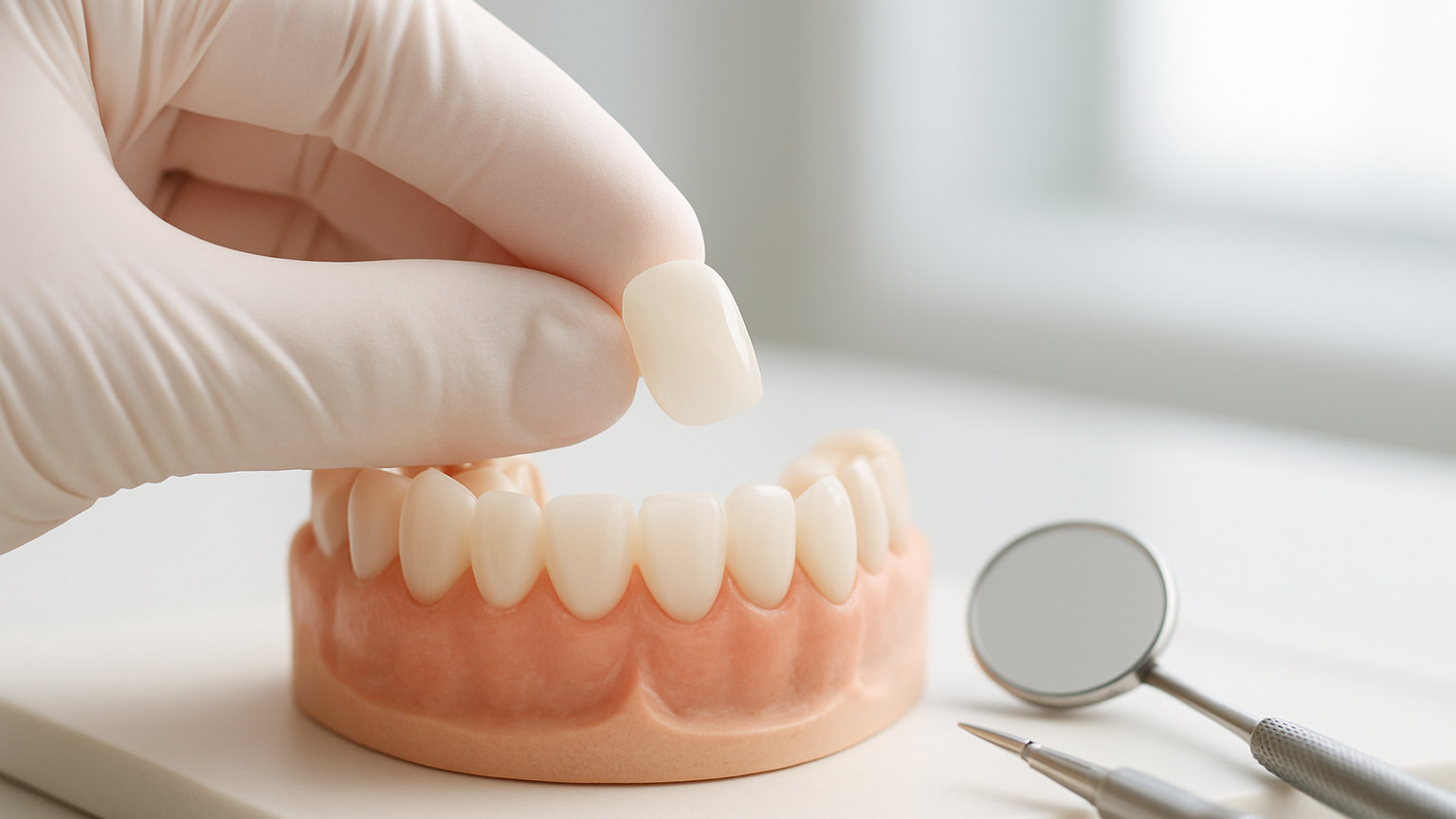
Veneers are irreversible, and a large proportion of what is sold as veneers abroad is something considerably more destructive.
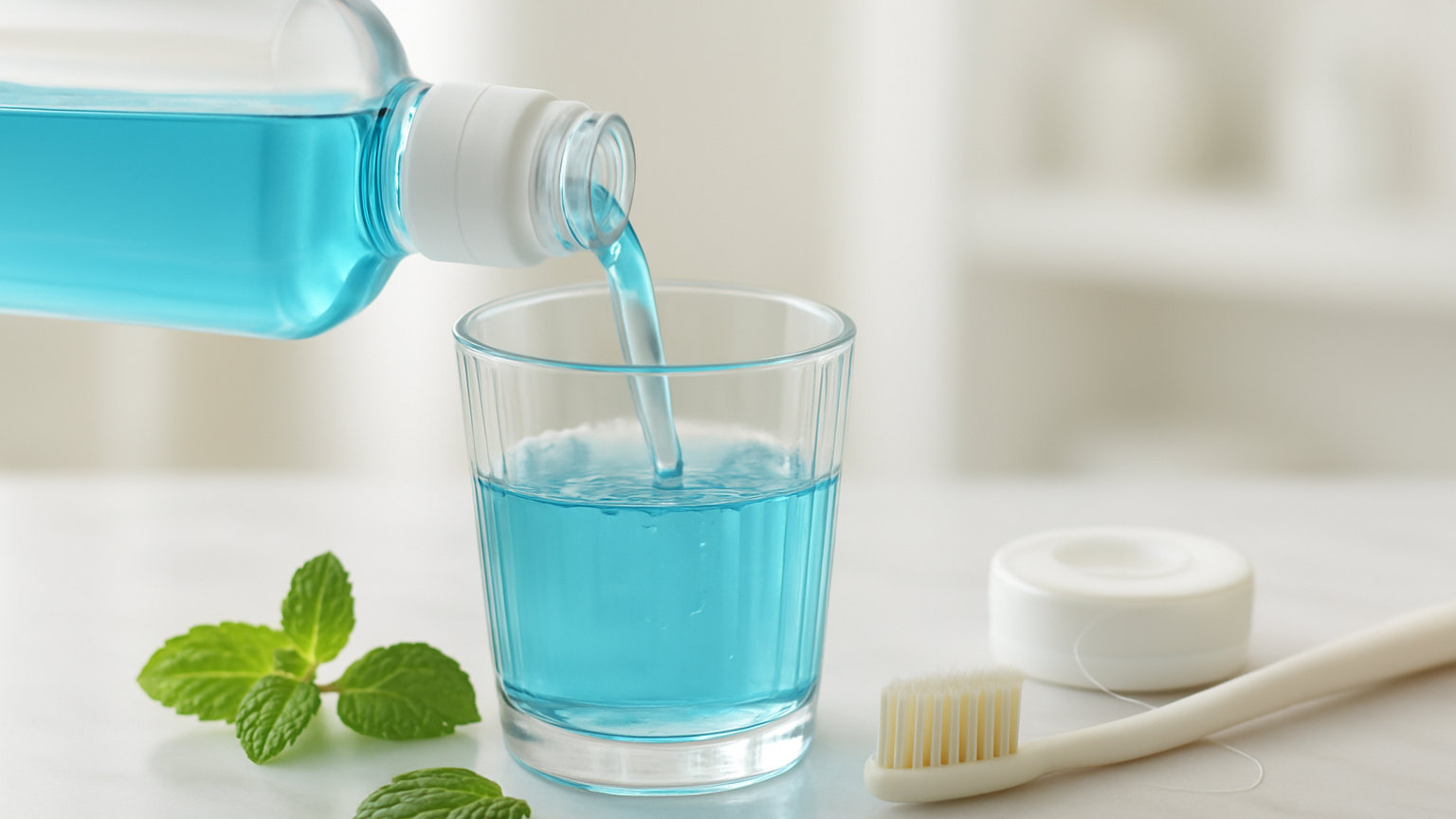
Some mouthwashes do something specific and useful, most do very little, and the timing matters more than the choice.
Sensitivity means the layer beneath the enamel has been exposed, and the two things that expose it are erosion and gum recession.
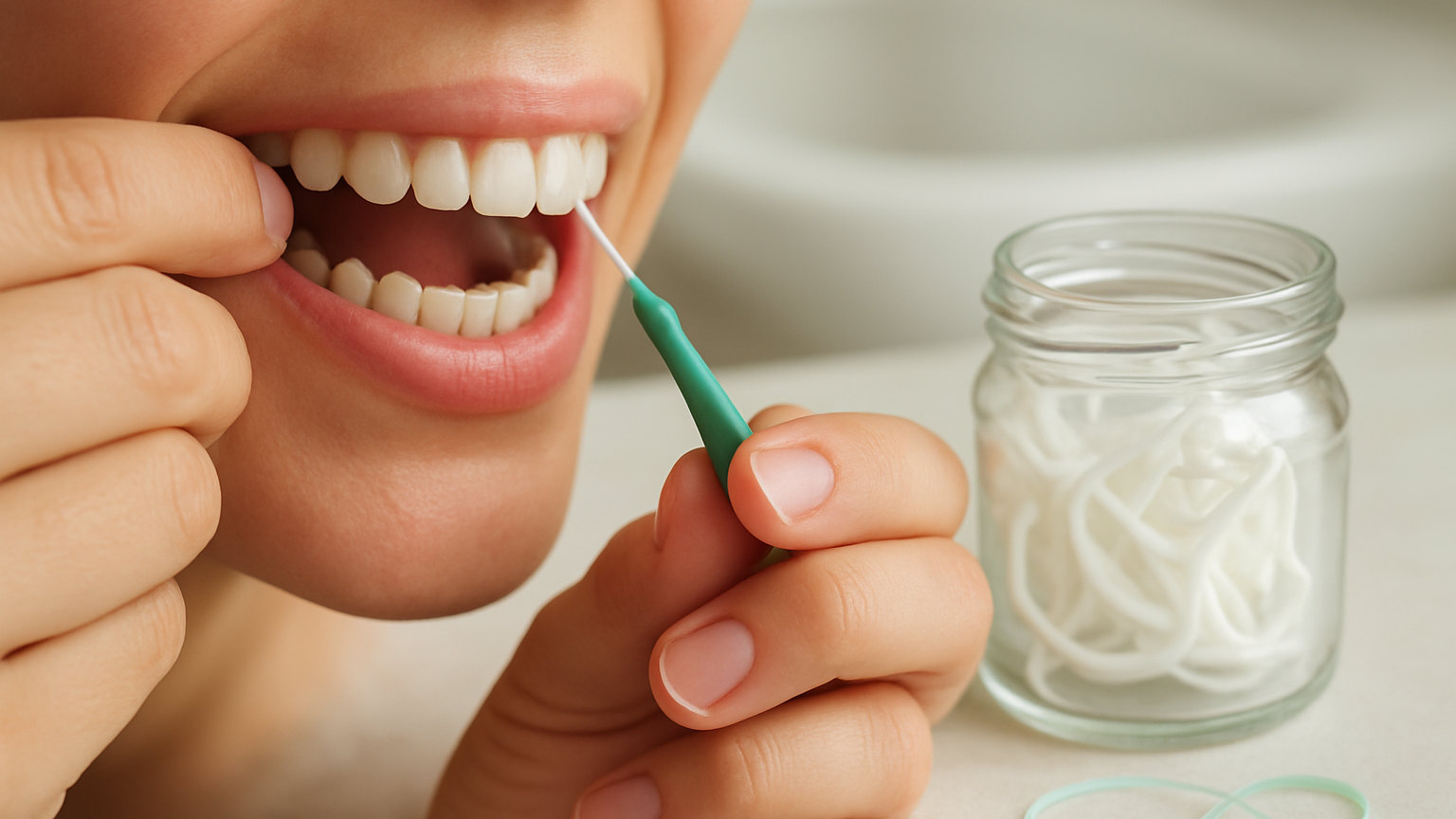
Brushing reaches around three fifths of each tooth, and the surfaces it misses are where most decay and gum disease begin.
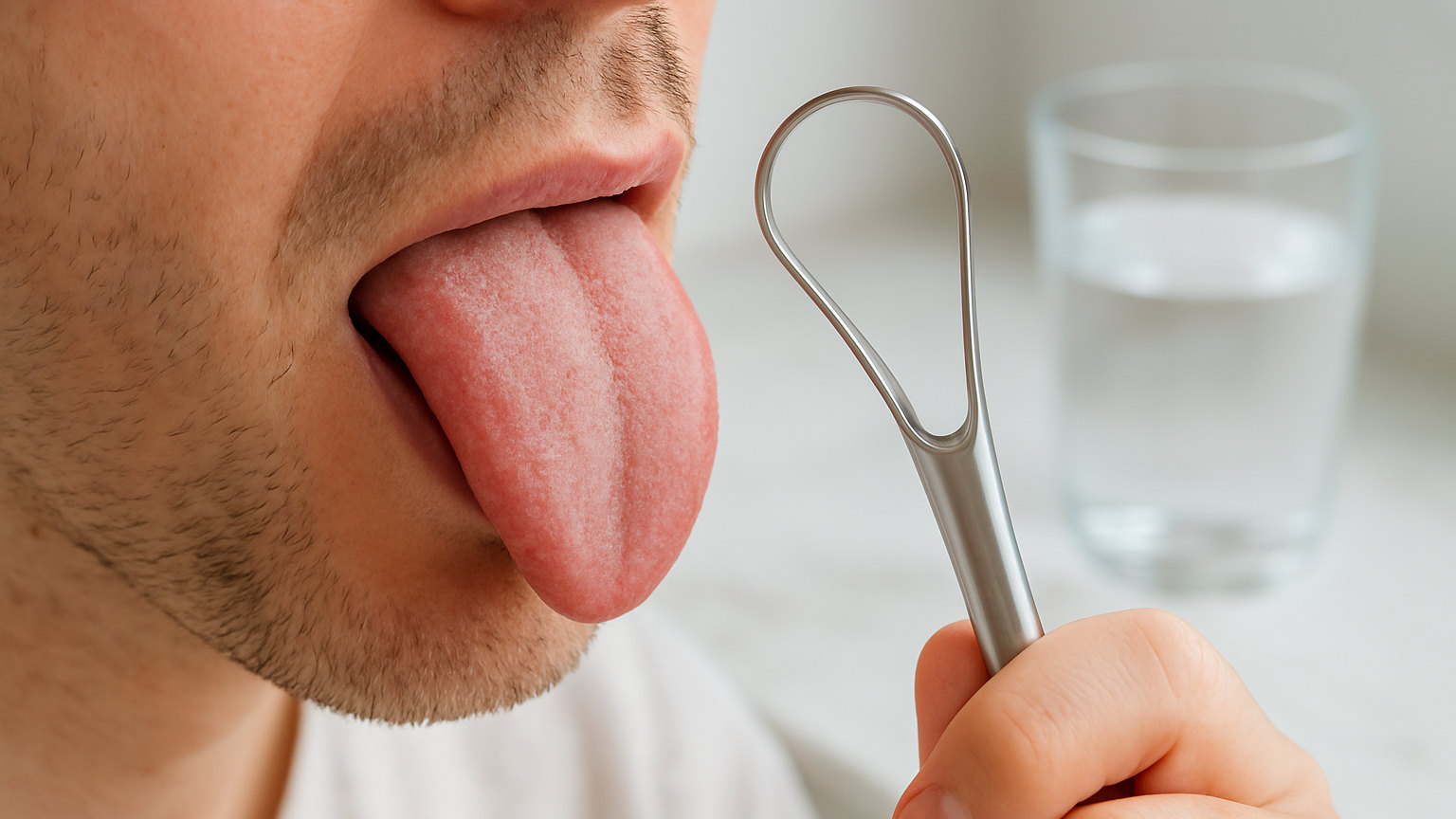
The large majority of bad breath originates in the mouth rather than the stomach, and most of that comes from one specific place.
Bleeding gums are the earliest sign of gum disease and are almost always reversible at that stage, which is why the instinct to brush more gently is the wrong one.