How Do You Build a Simple Hair Care Routine?
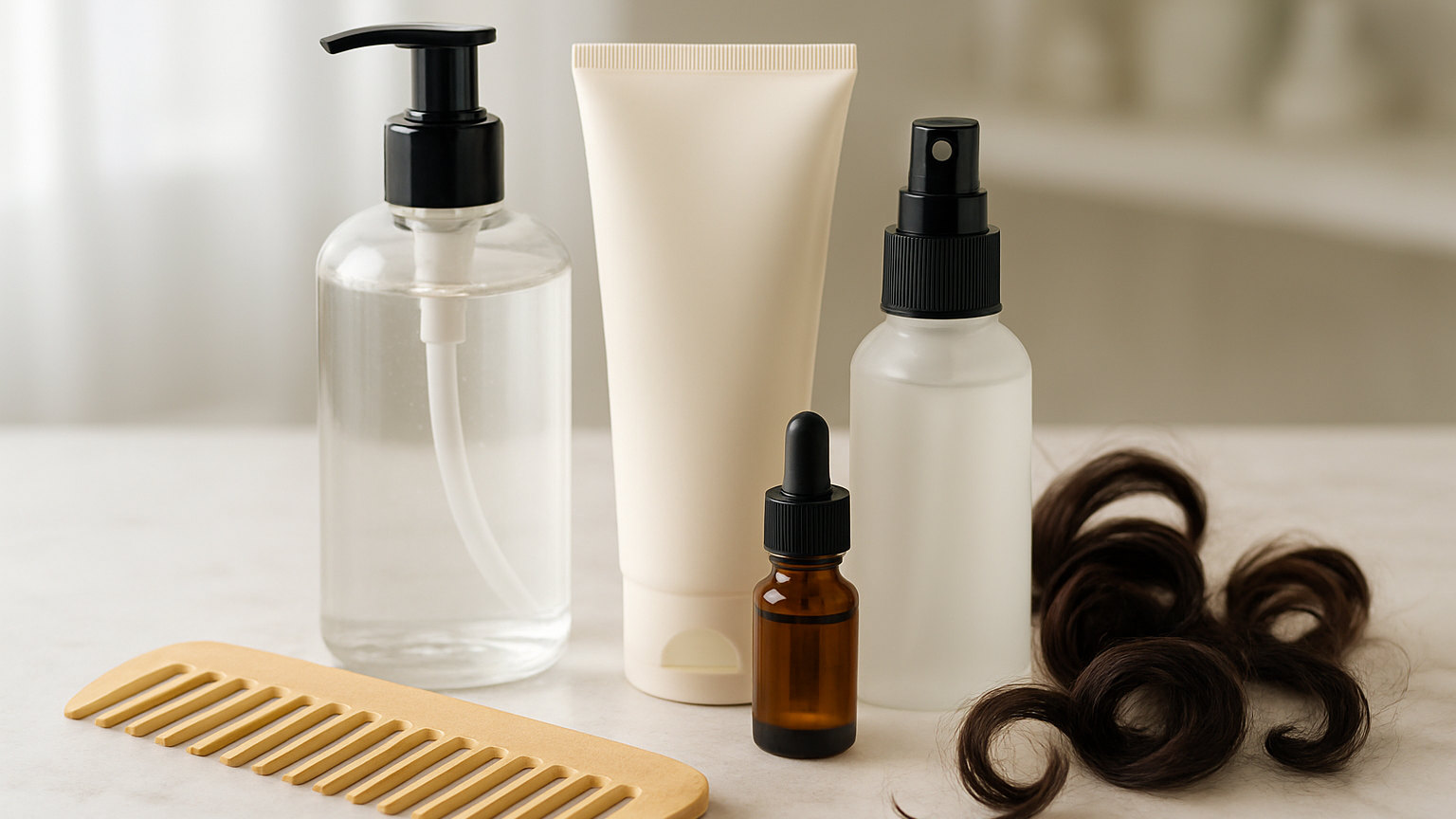
Four things cover almost everything hair needs, and most of what people add beyond that is solving problems the routine itself created.
By Beauty Advice Team
11 Mar 2026

How often to wash, choosing shampoo and conditioner for your hair type, and the basics that matter more than any single product.
Four things cover almost everything hair needs, and most of what people add beyond that is solving problems the routine itself created.
Understanding what a hair actually is settles most of the arguments in hair care, including why nothing can repair it and why some products still help.
Hair behaves differently in humid August air than in a heated January room, and the same routine cannot serve both without some adjustment.
The ends of waist-length hair are several years old and have been washed hundreds of times, which changes what the routine has to do.
Mineral deposits build up on the hair shaft in ways ordinary shampoo does not remove, which is why hair often behaves differently after moving house.
Frizz is a moisture problem and a damage problem at the same time, which is why humidity affects some heads dramatically and others hardly at all.
Cutting the ends cannot affect what happens at the roots, and yet people who trim regularly do end up with longer hair, which is worth explaining properly.
Hair is at its weakest when wet, and the ordinary business of towelling and tying it up causes more damage than most heat styling.
It removes what ordinary shampoo leaves behind, which is useful every few weeks and damaging every week.
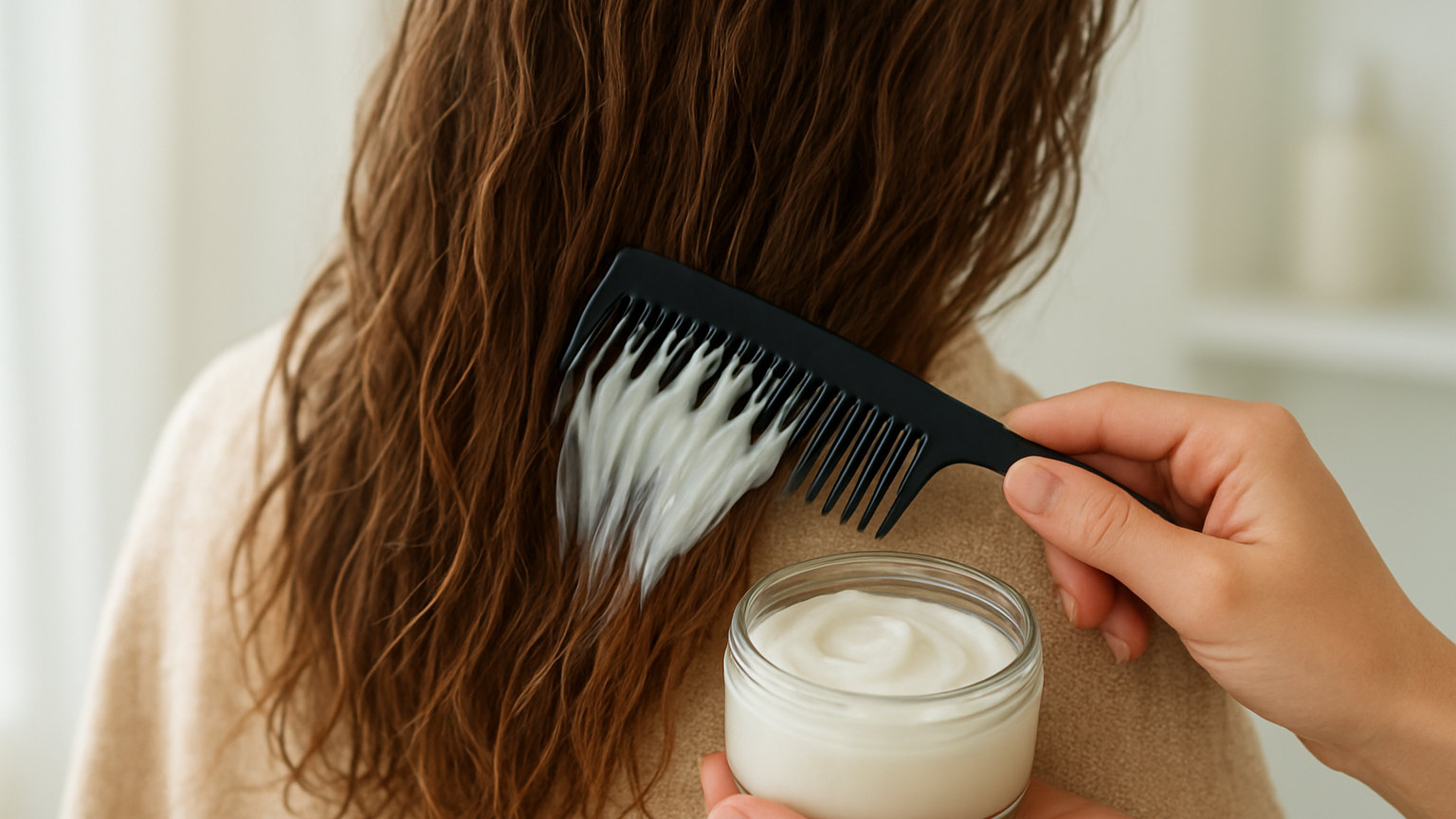
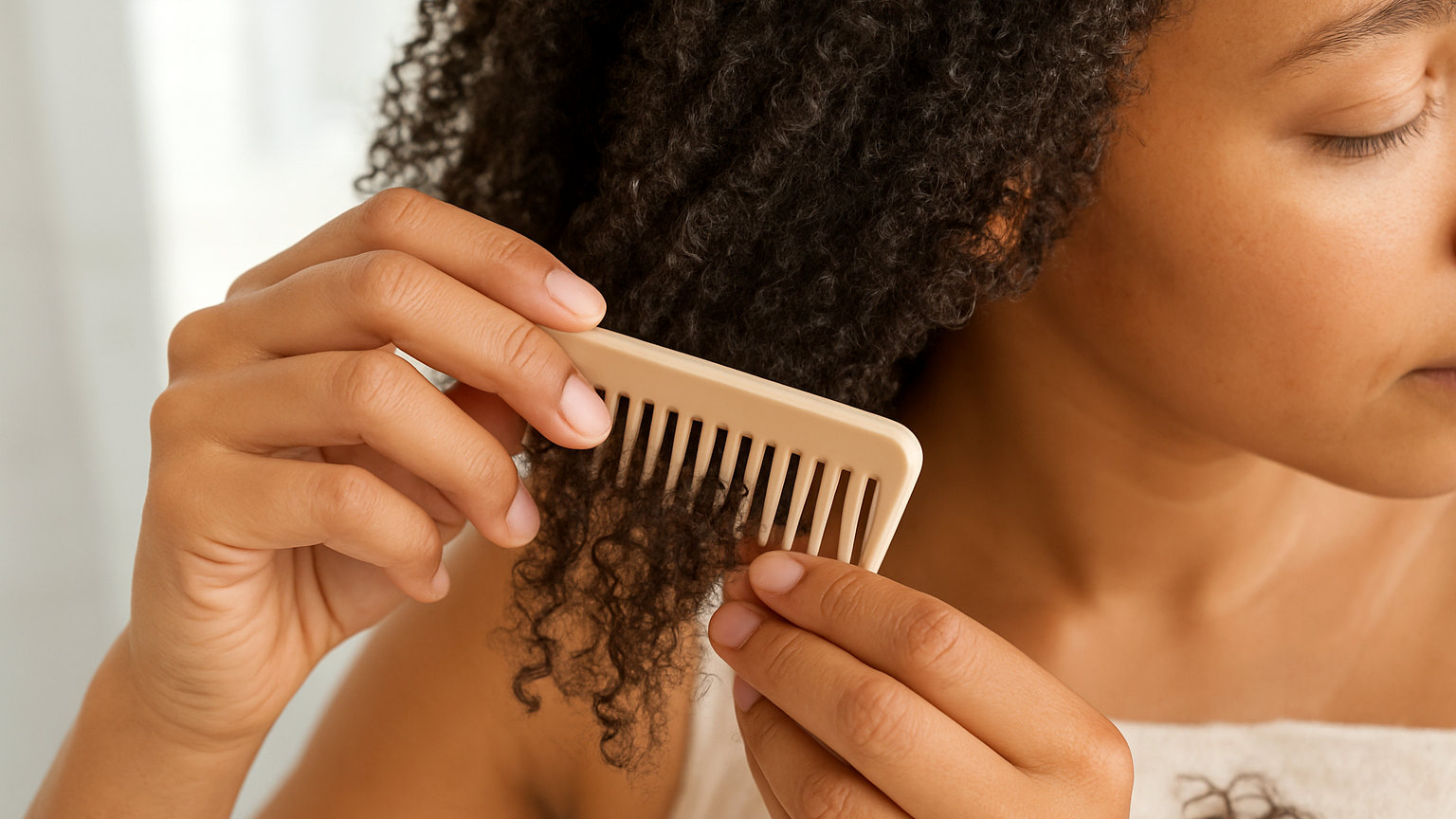
Mechanical damage from brushing is one of the largest and least discussed causes of breakage, and almost all of it is avoidable.
The idea that hair adapts to a product and stops responding is one of the most widely repeated claims in hair care, and there is essentially nothing behind it.
The curl-pattern chart is the best known system and the least useful, because two other characteristics predict what your hair needs far more reliably.