Does Damaged Hair Need a Different Wash Routine?
Washing is where damaged hair is most vulnerable, and several small changes to the routine make a disproportionate difference.
By Beauty Advice Team
19 Jun 2026

Split ends, breakage, frizz and straw-like texture - what repairs, what only coats, and how to stop the damage getting worse.
Washing is where damaged hair is most vulnerable, and several small changes to the routine make a disproportionate difference.
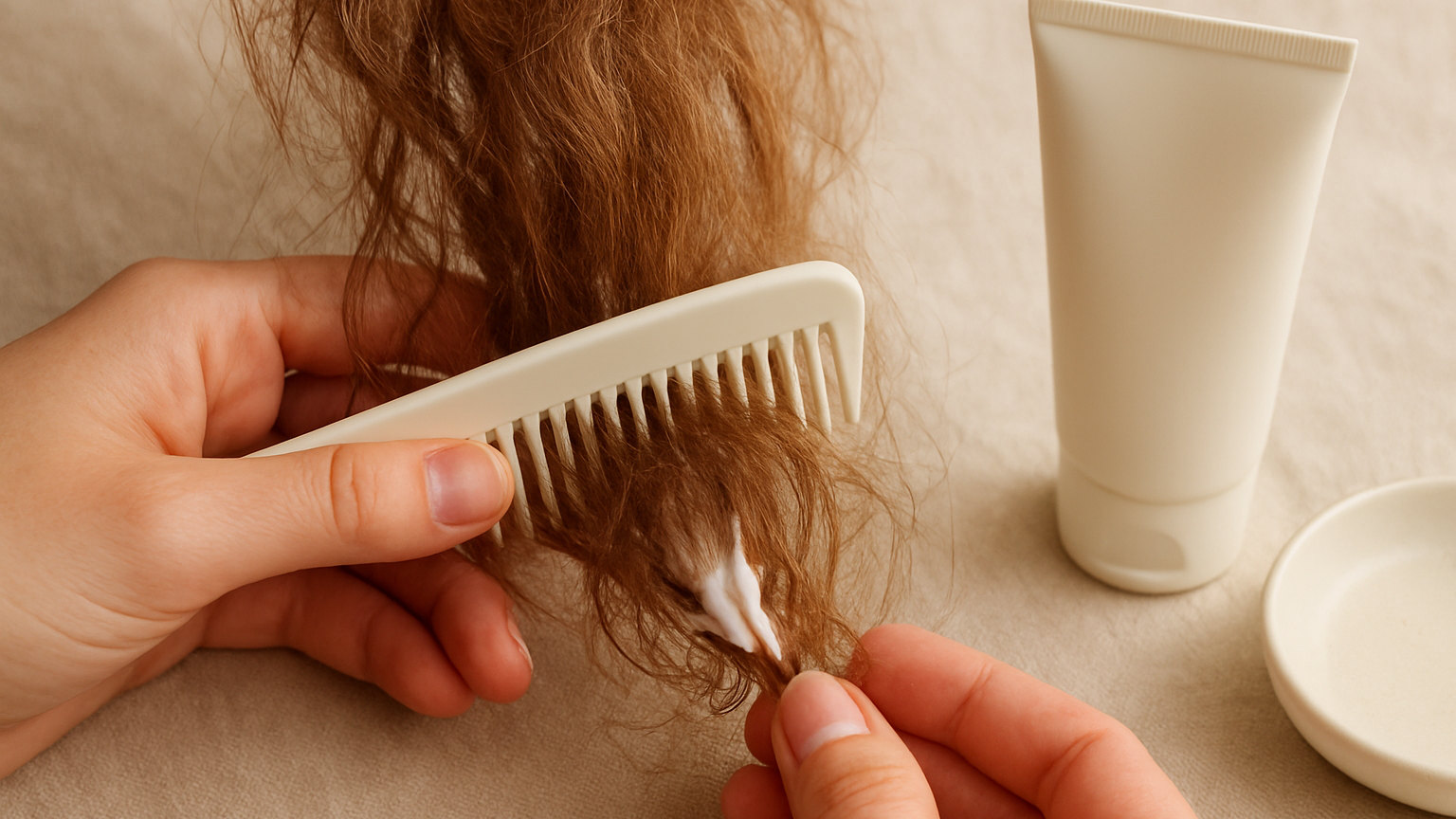
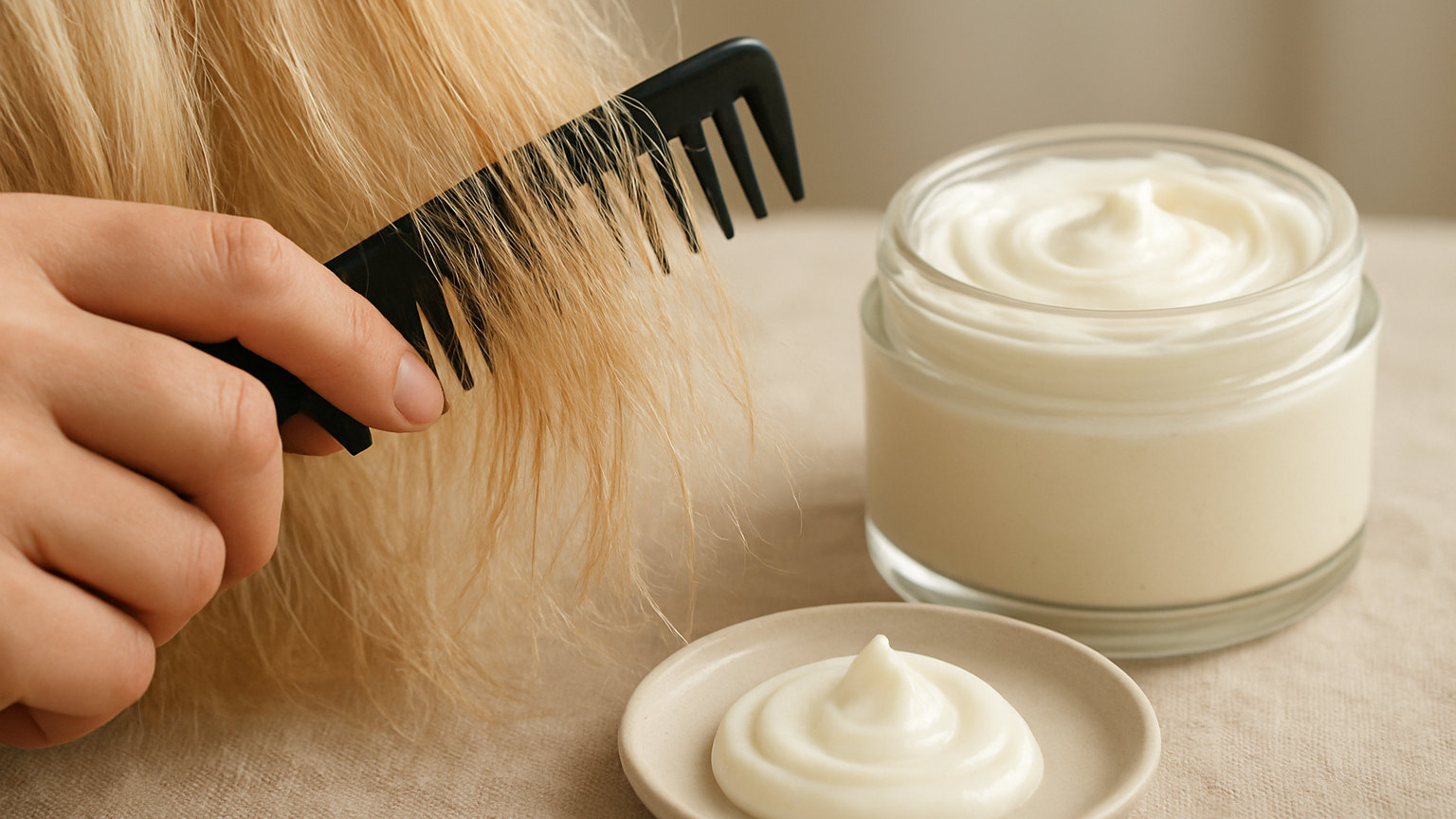
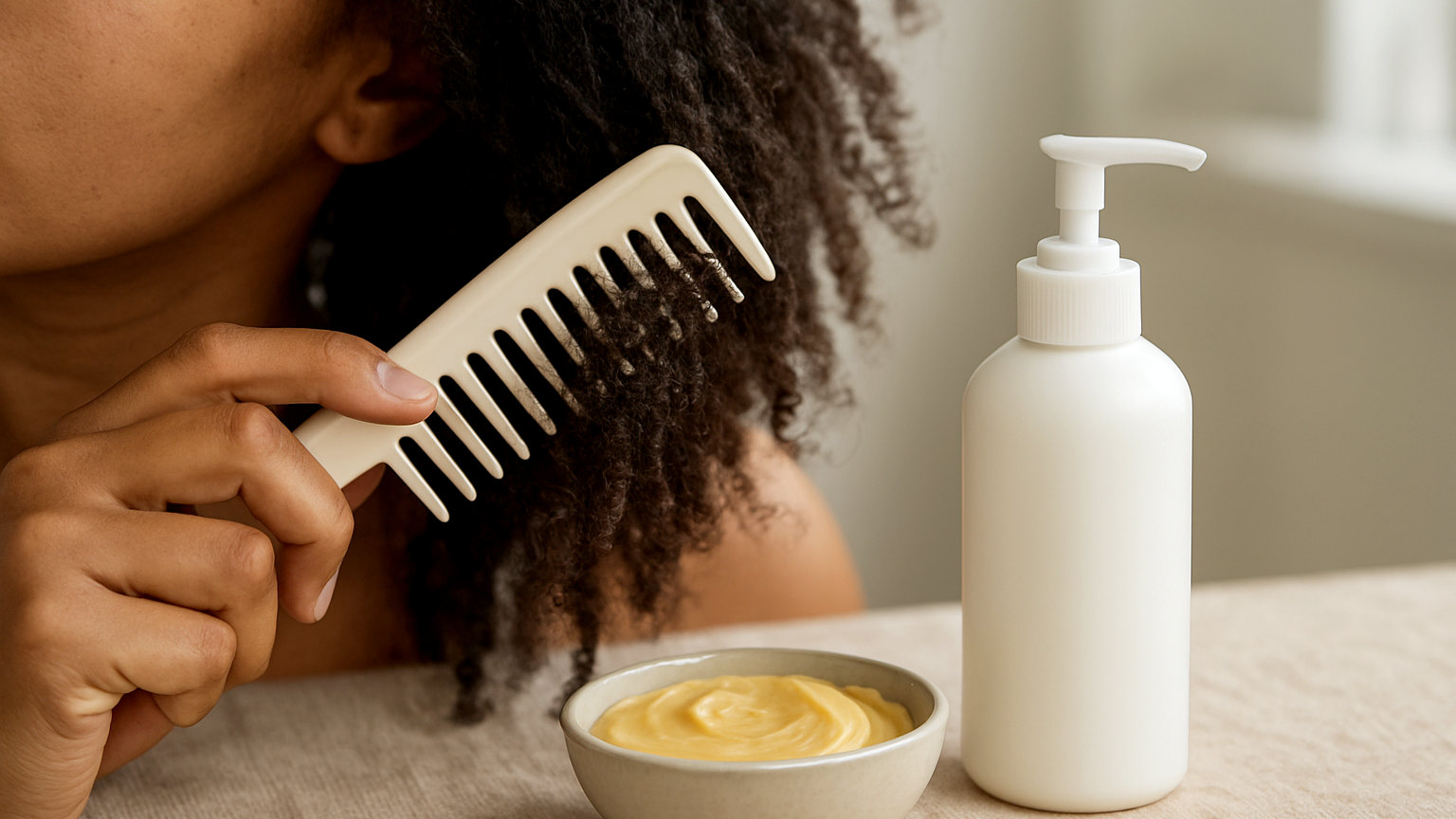
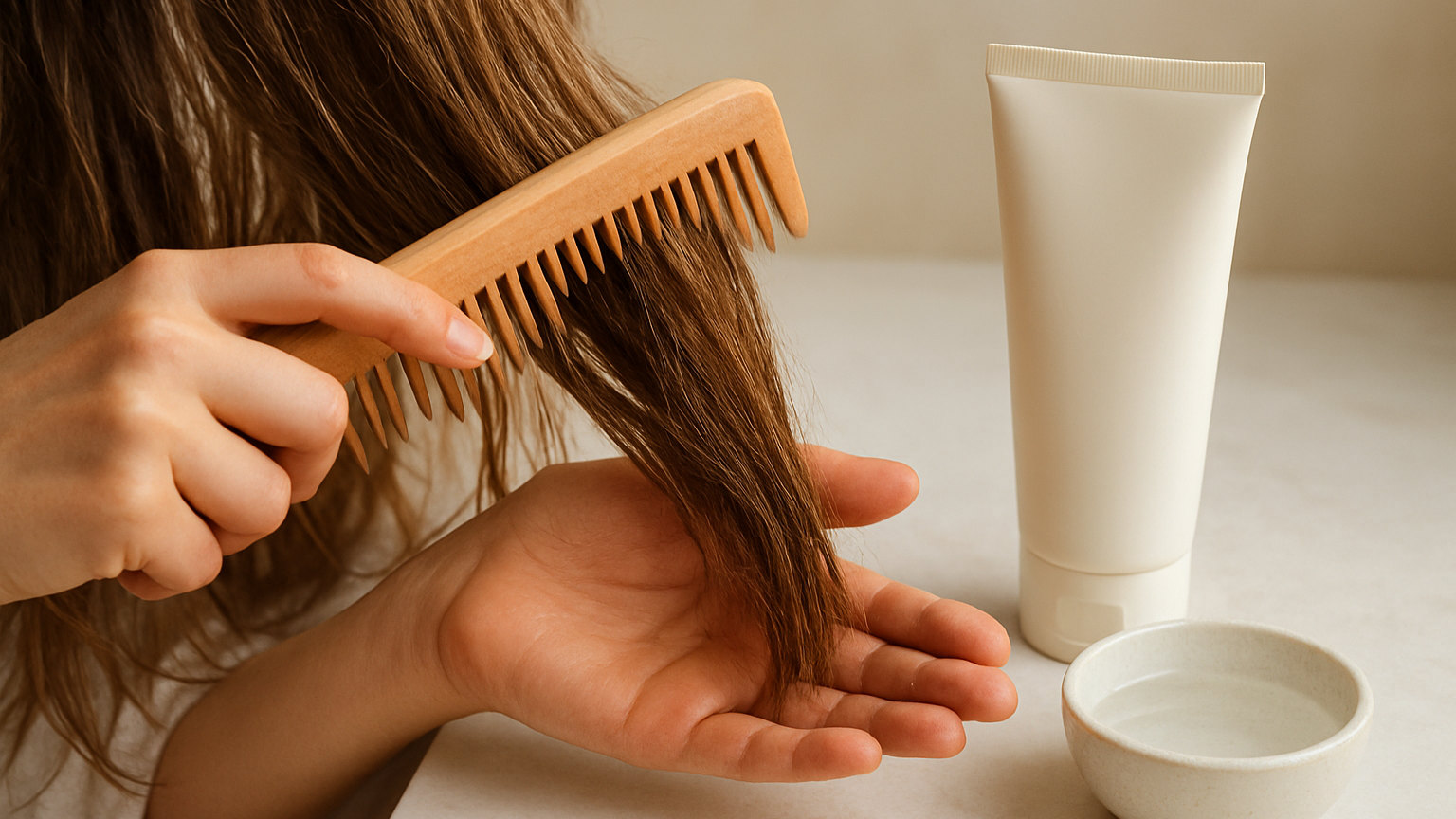
Detangling is where most breakage happens, and damaged hair tangles more while tolerating the process considerably less.
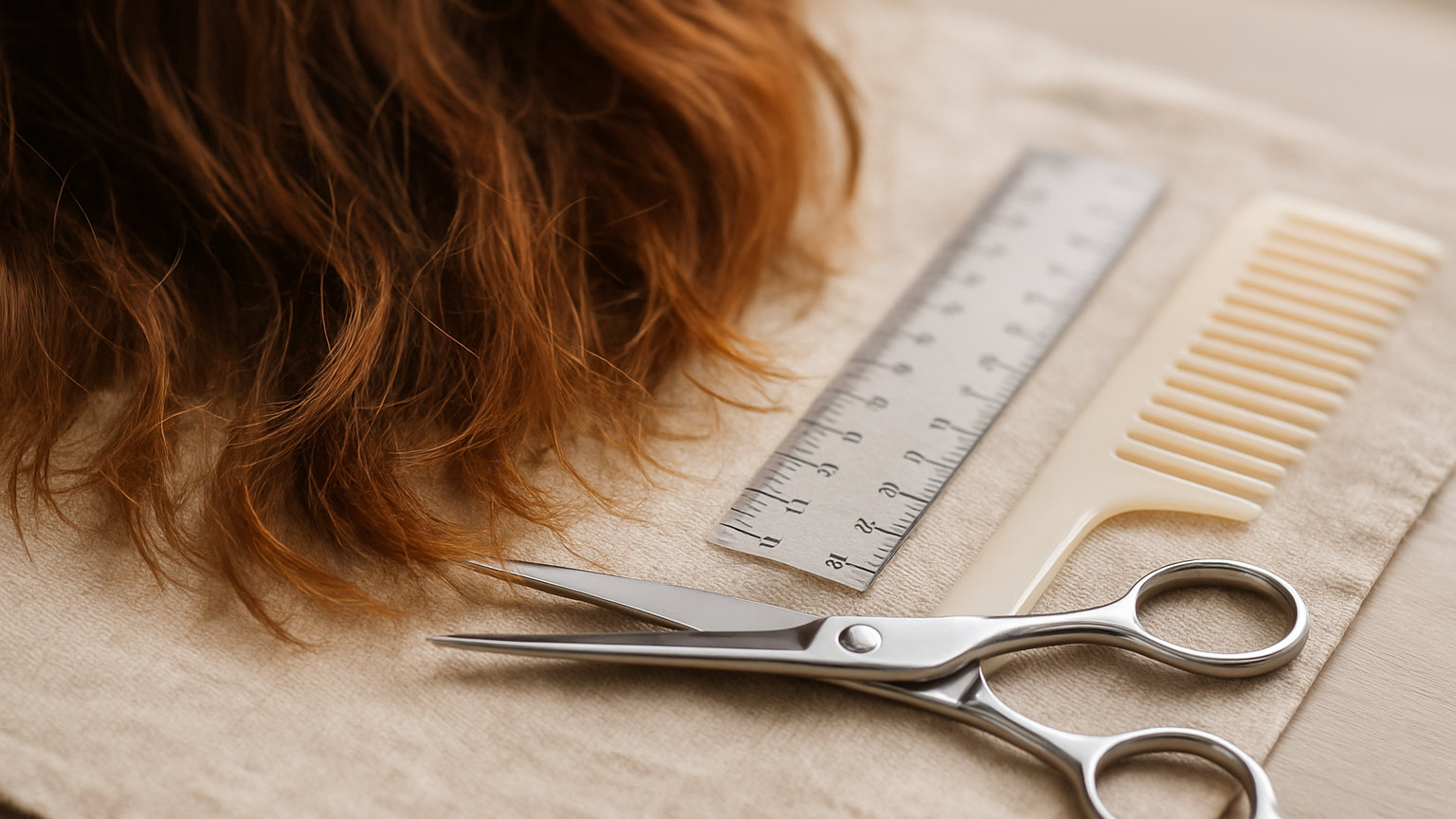
Hair that stalls at one length is usually breaking as fast as it grows, and the point where it snaps often tells you what is causing it.
Both are valid and the arithmetic differs considerably, so it is worth working out which one you are actually choosing.
There is a point past which no treatment holds hair together, and recognising it early is worth more than any product bought after it.
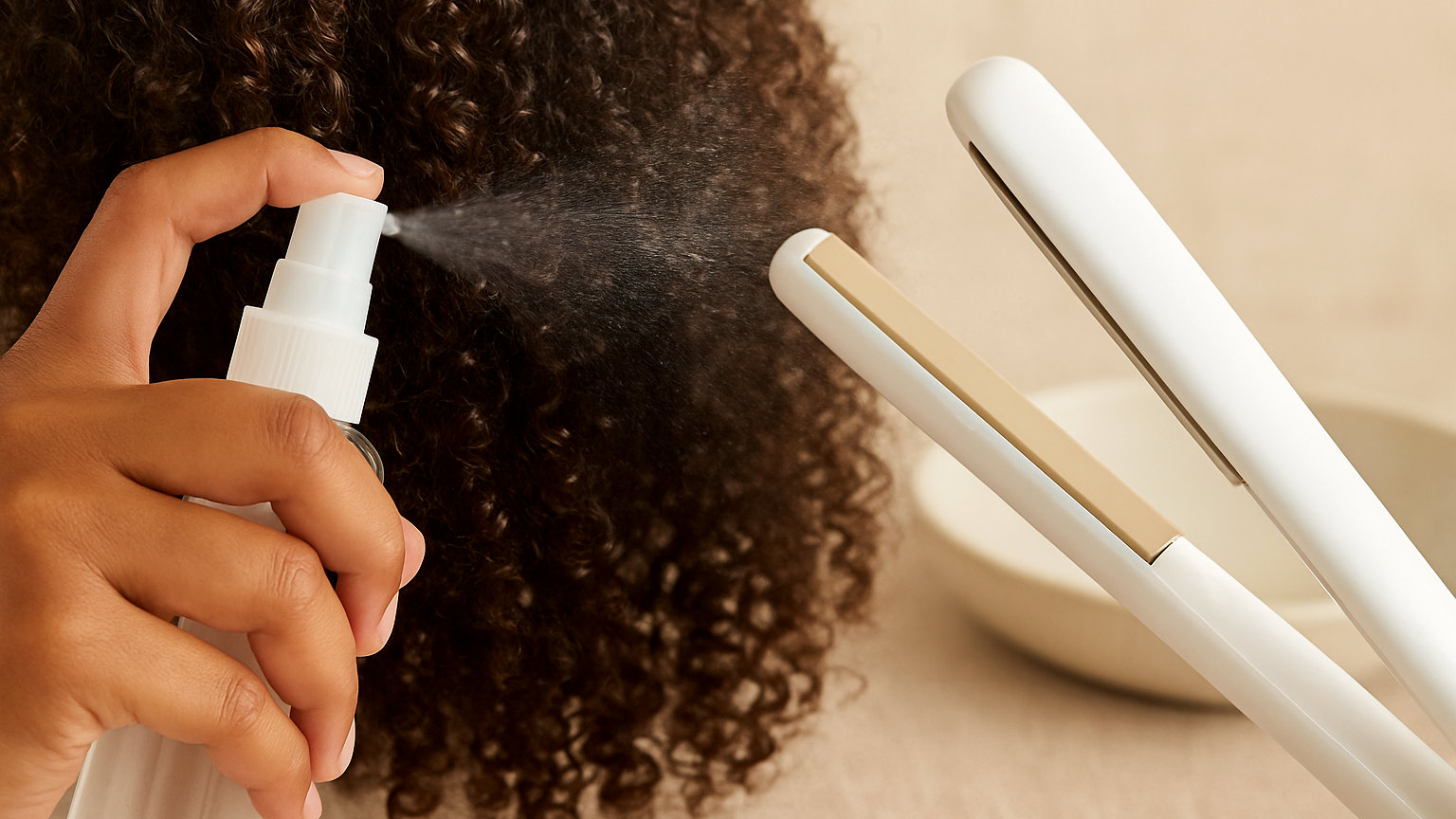
It reduces damage measurably and does not prevent it, and using it as permission to style hotter defeats the point entirely.
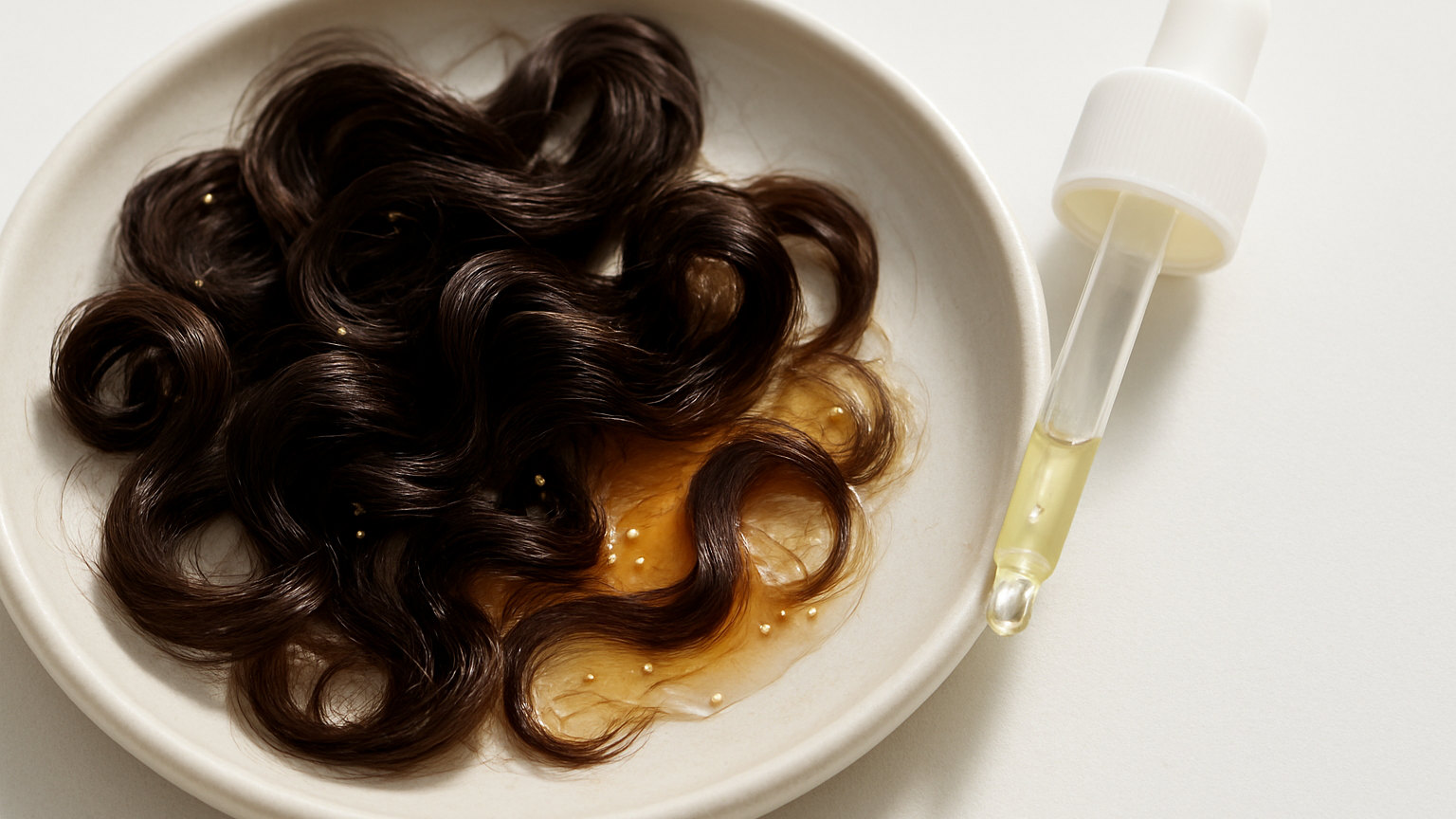
Only a handful of oils penetrate the hair shaft, and the rest sit on the surface, which is a useful distinction when choosing between them.
Bleached hair is structurally different from the hair it used to be, and a routine that treats it as ordinary hair with extra conditioner will not hold.
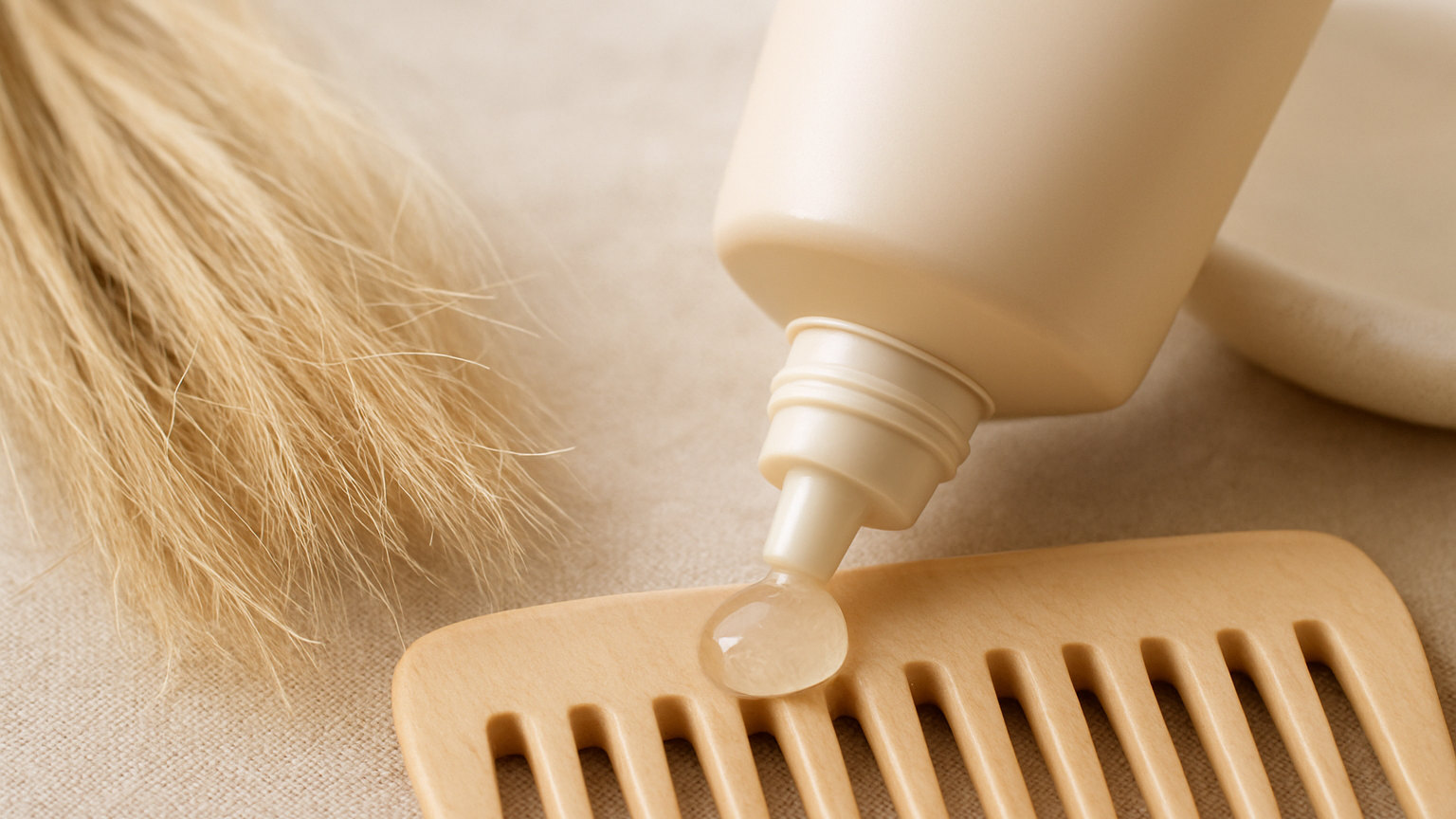
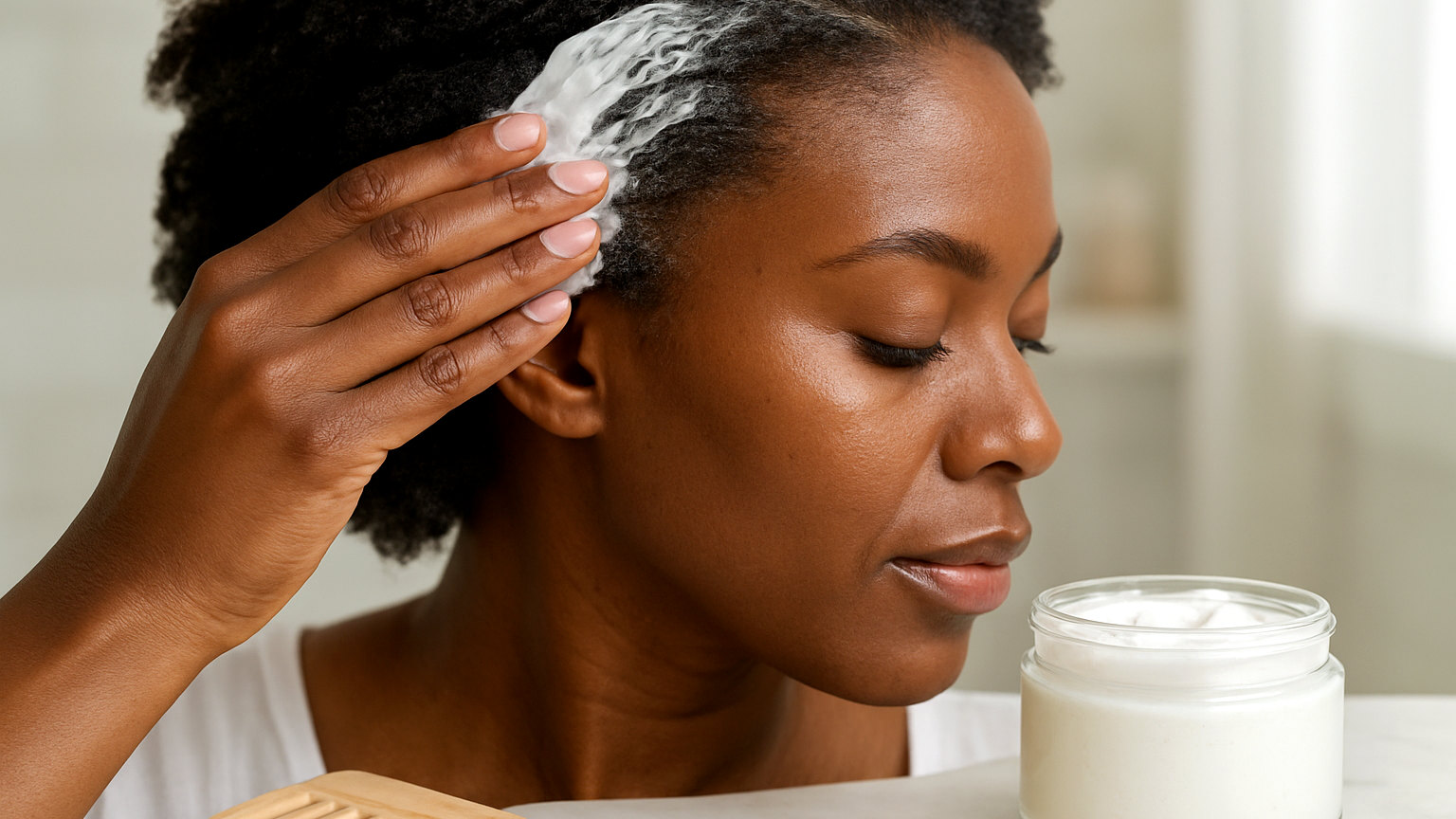
They do something a conditioner does not, and most of what determines whether you notice is how you use them rather than which you buy.
Dryness is either a supply problem or a retention problem, and the two need entirely different responses.
Heat damage cannot be undone, and there is a great deal that can be done about how the hair behaves while it grows out.
Both feel like dryness and need opposite treatment, and giving hair the wrong one is a common reason it gets worse while being treated carefully.