What Should You Do When a Routine Stops Working?
The instinct is to add something, and the answer is almost always to remove several things and wait, which is considerably harder to do.
By Beauty Advice Team
8 Aug 2026

Almost every skincare problem has been solved by an ingredient that costs very little and been repackaged by an industry that charges a great deal for it. These guides start with the concern rather than the product: what is actually happening in the skin, which ingredients have evidence behind them and at what strength, and how long a change honestly takes to show. They also say plainly where the answer is a dermatologist rather than a serum, because acne that scars and moles that change are not skincare problems.
The instinct is to add something, and the answer is almost always to remove several things and wait, which is considerably harder to do.
Cabin humidity is lower than most deserts, and the combination of that, a change in climate and different water catches out almost everyone.
The phrase beauty sleep is unusually well founded, and the mechanisms are more specific than general tiredness showing on your face.
Double cleansing solves a specific problem, and if you do not have that problem it is an extra step that costs time and dries your skin.
The idea went viral because it repackaged sensible advice in a memorable form, which is a fair description of both its strength and its limits.
Some products degrade quietly into uselessness and others become genuinely unhygienic, and the packaging tells you more than the date does.
People use far too much of some products and far too little of others, and the two mistakes cost quite different things.
Skin does not build tolerance to skincare in the way people assume, and switching products every few months is one of the more expensive ways to make no progress.
Skin behaves differently in January and July, and a routine that never changes is asking one set of products to handle two quite different environments.
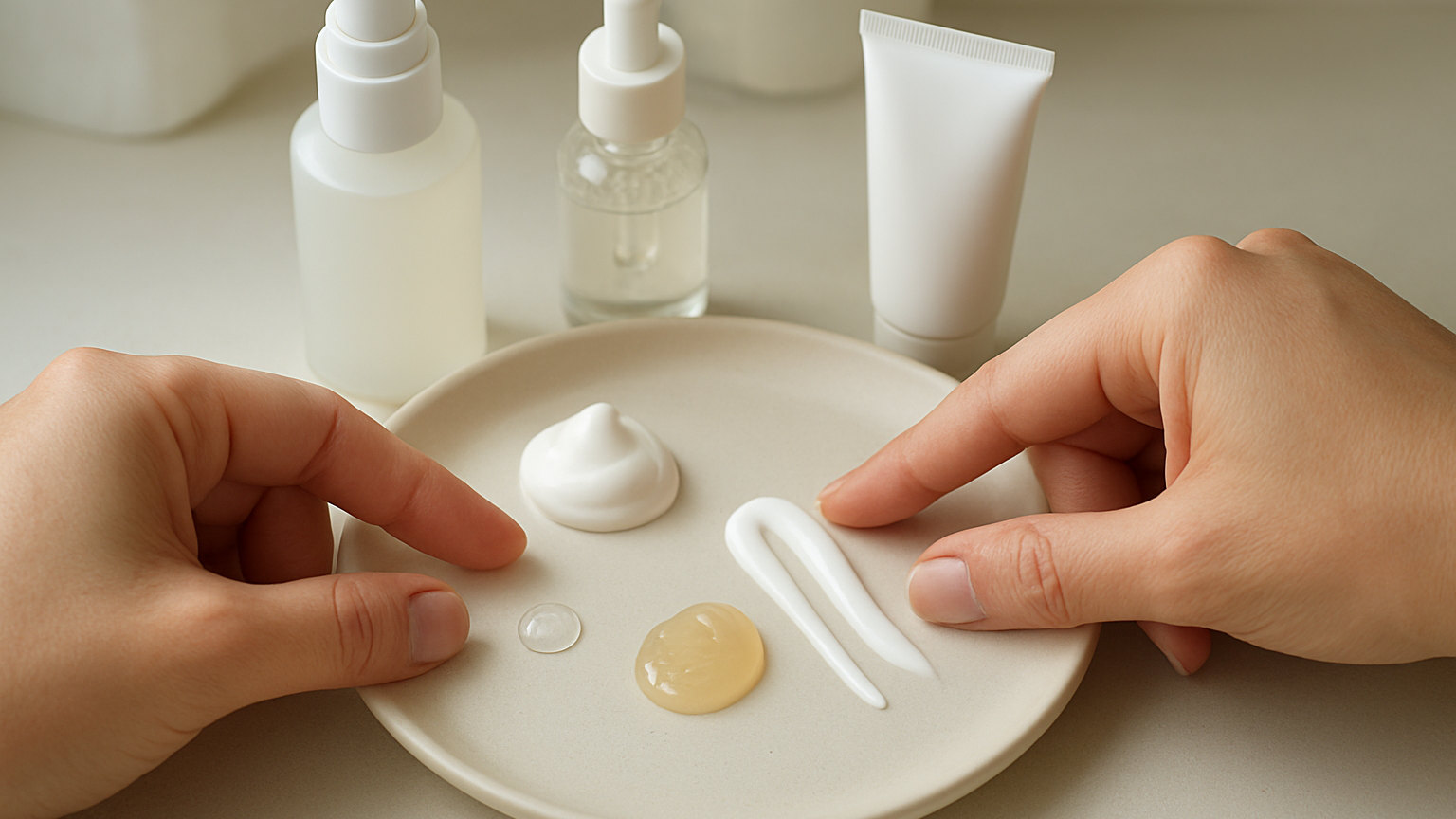
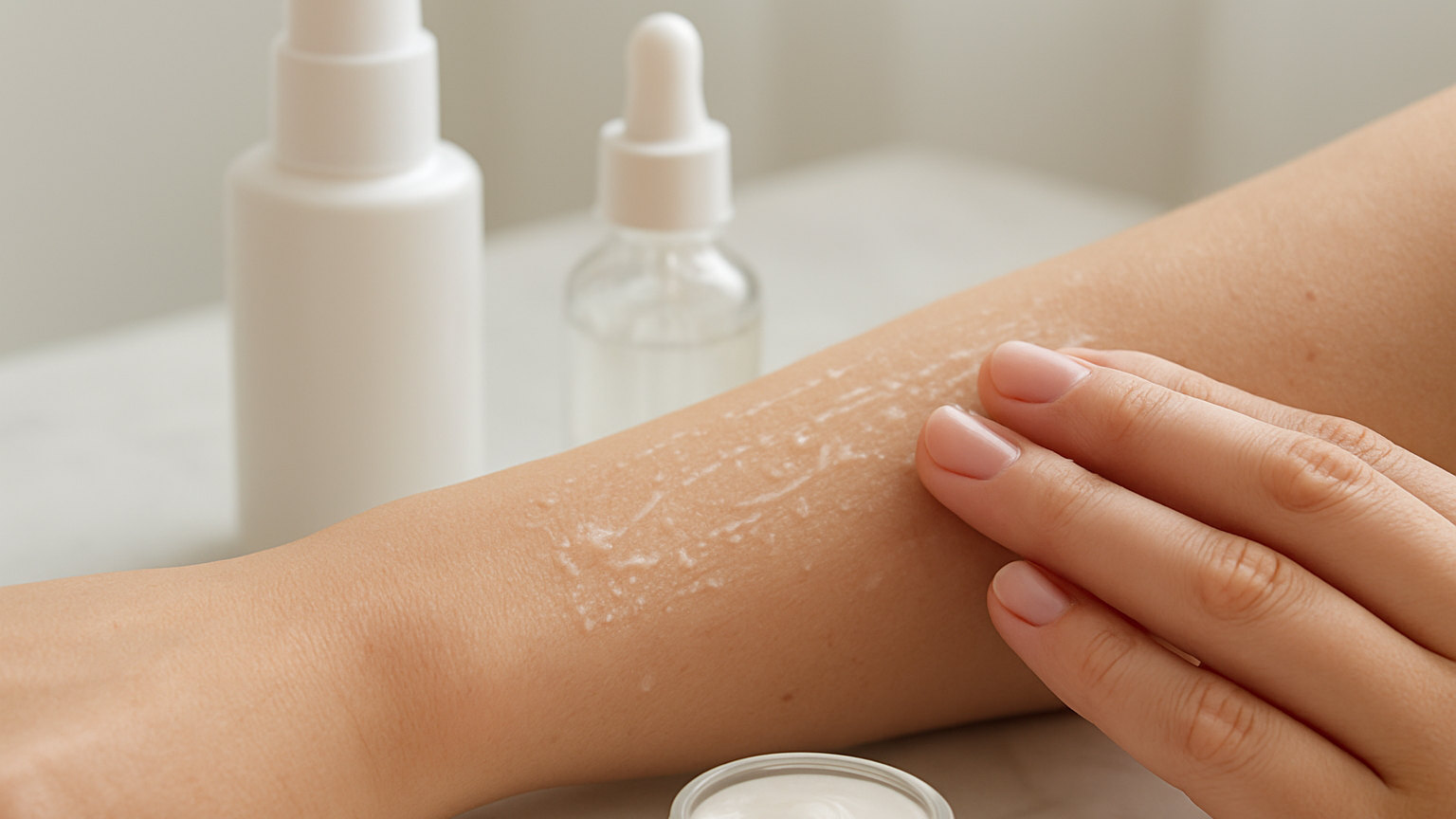
Products rolling into small flakes is almost always a layering problem rather than a faulty product, and it is one of the easier things to fix.
Almost every disappointment with skincare comes from judging it before a full skin cycle has passed, which is considerably longer than any packaging suggests.
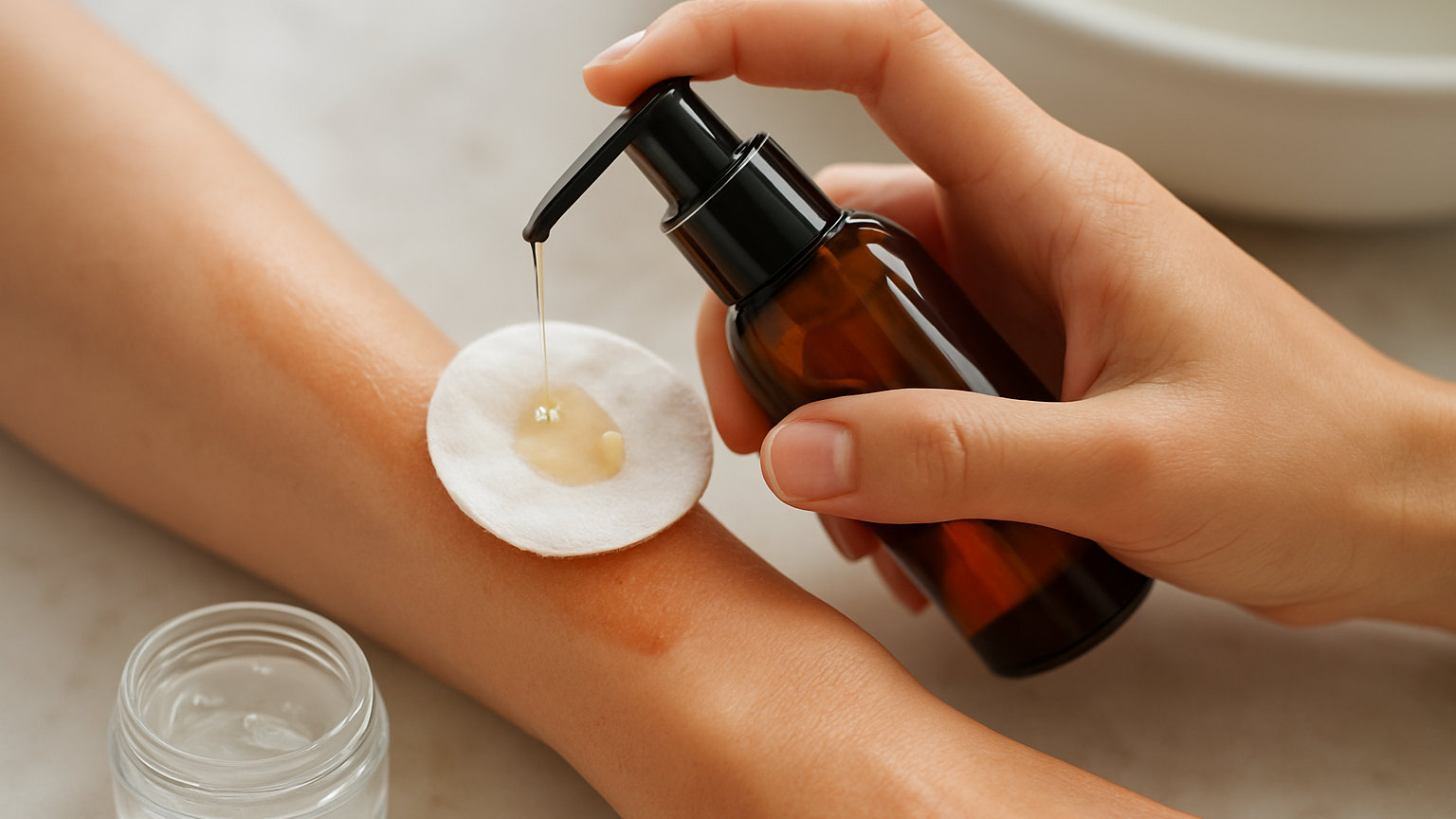
Most bad reactions to skincare are caused by how something was introduced rather than by the product itself, which makes this the most useful habit to learn.