Which Hair Tools Do You Actually Need?
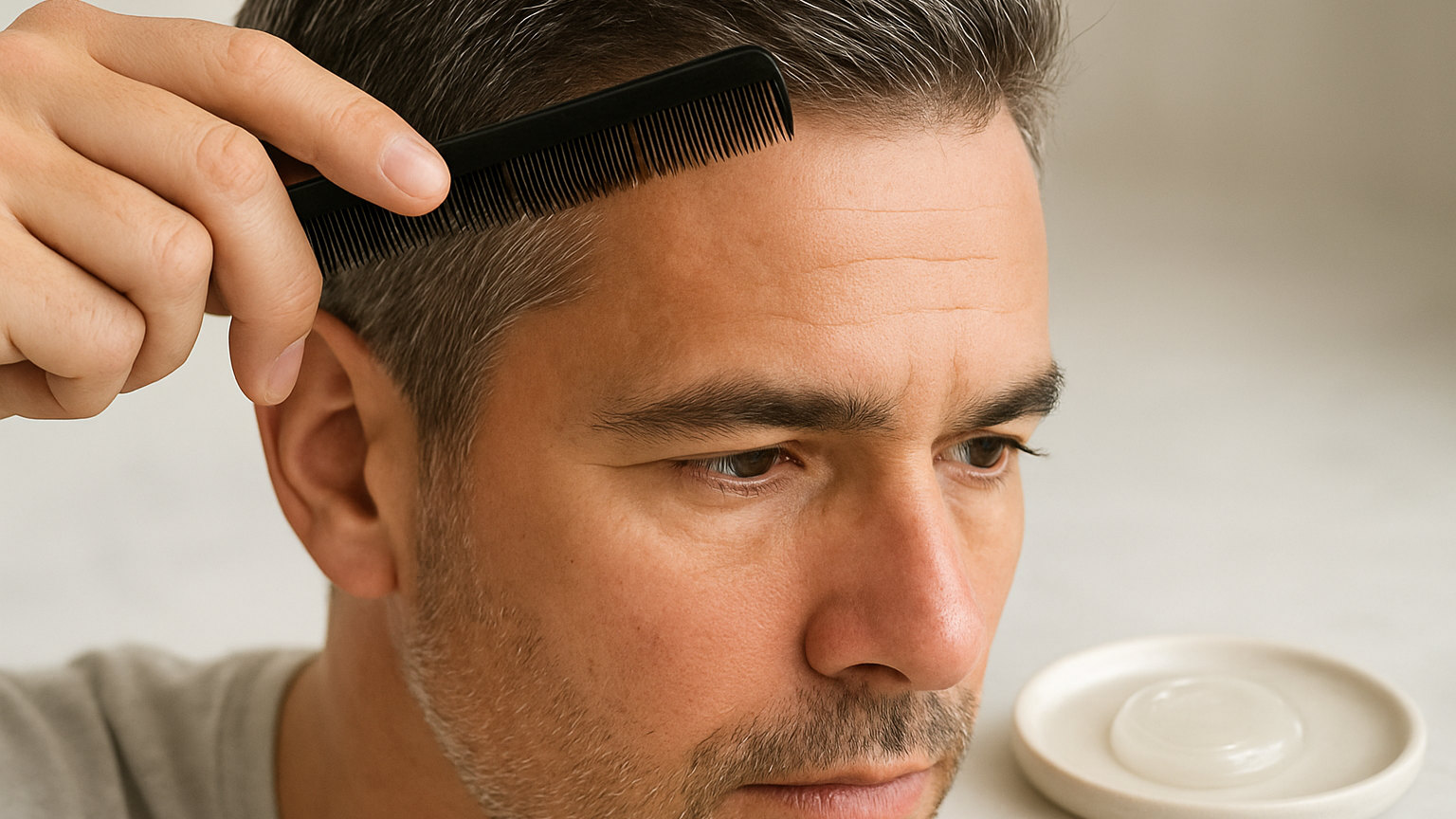
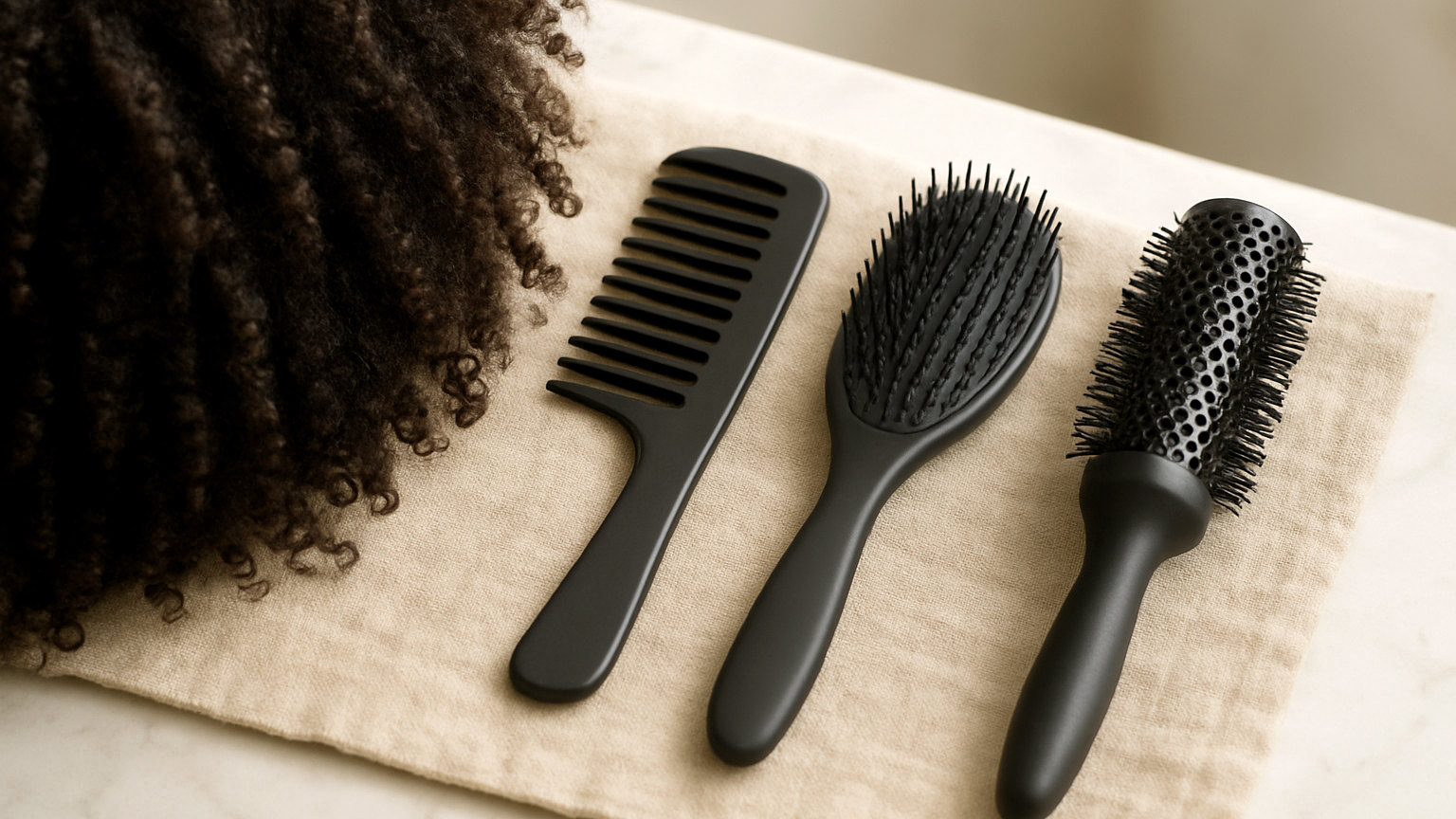
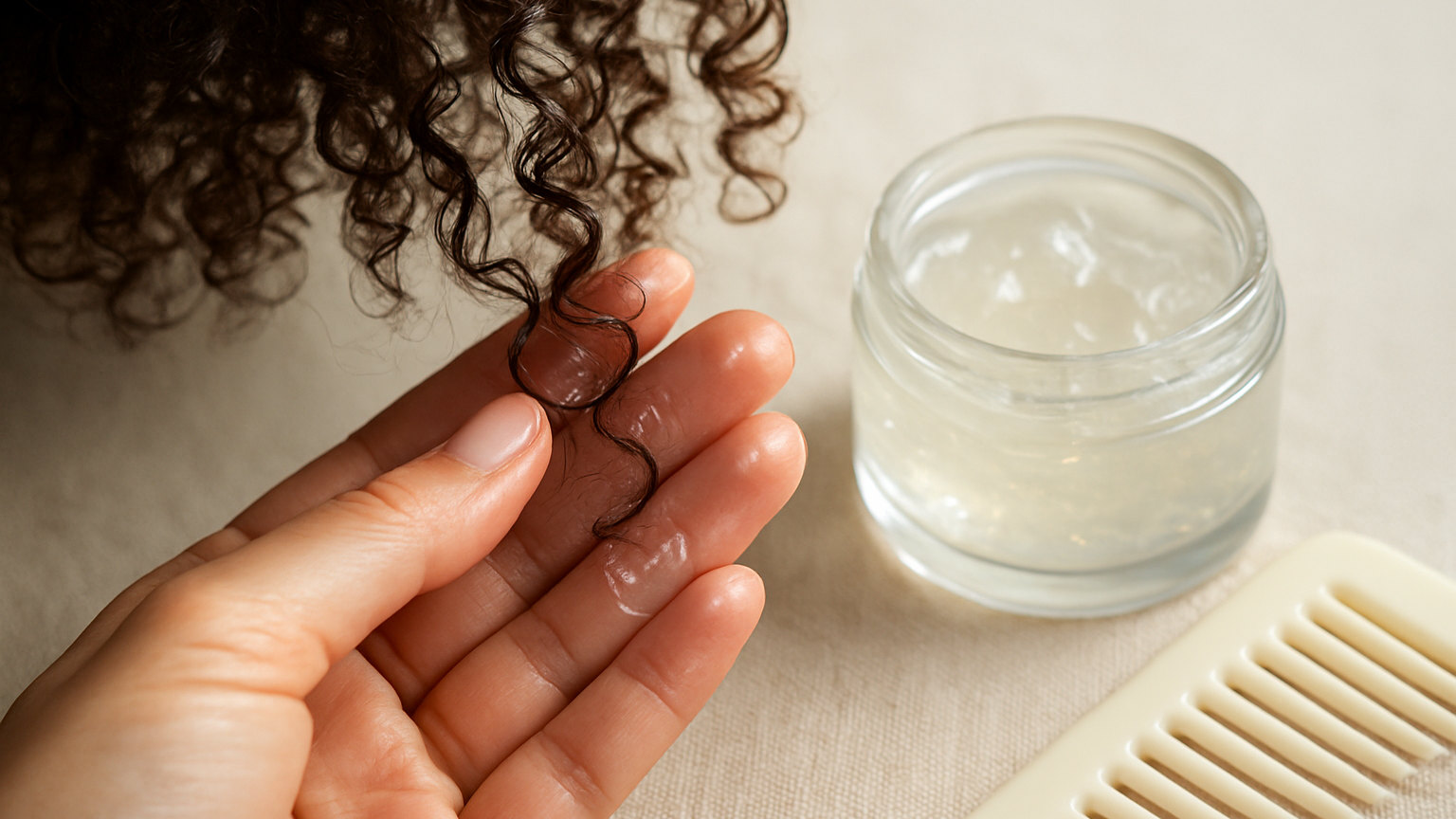
Four tools cover almost everything, and the expensive ones are frequently bought to solve problems caused by using the wrong cheap one.
By Beauty Advice Team
8 Aug 2026

Hair is dead protein, which is the single most useful fact for judging what any product can and cannot do for it. Nothing repairs a split end; a good deal of what is sold as repair is a temporary coating, and there is no shame in wanting one. These guides separate the things that genuinely change hair from the things that make it look better until the next wash, cover the causes of loss and thinning honestly rather than hopefully, and treat the scalp as skin, because that is what it is.
Four tools cover almost everything, and the expensive ones are frequently bought to solve problems caused by using the wrong cheap one.
Humidity defeats styling by breaking the same bonds that created it, and the useful strategies are about barriers rather than hold.
Thick hair and coarse hair are different problems that often occur together, and the techniques that help are about weight and drying time.
Short hair takes less time and less forgiveness, since every section is visible and there is nowhere for a mistake to hide.
Brushes are chosen by appearance far more often than by function, and using the wrong one accounts for a great deal of avoidable breakage.
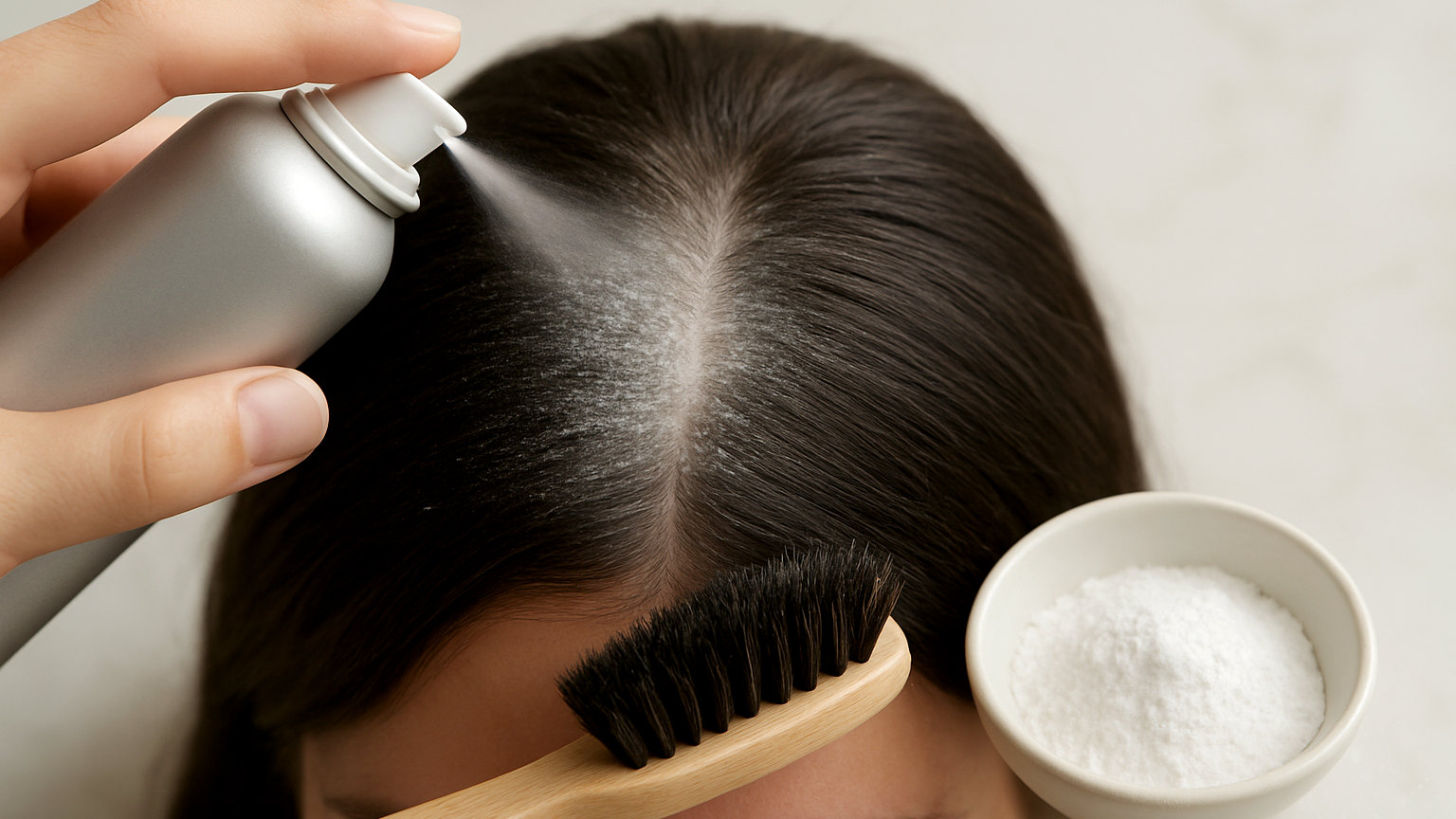
It does two useful things and one damaging one, and the difference is entirely a matter of how many days in a row it is used.
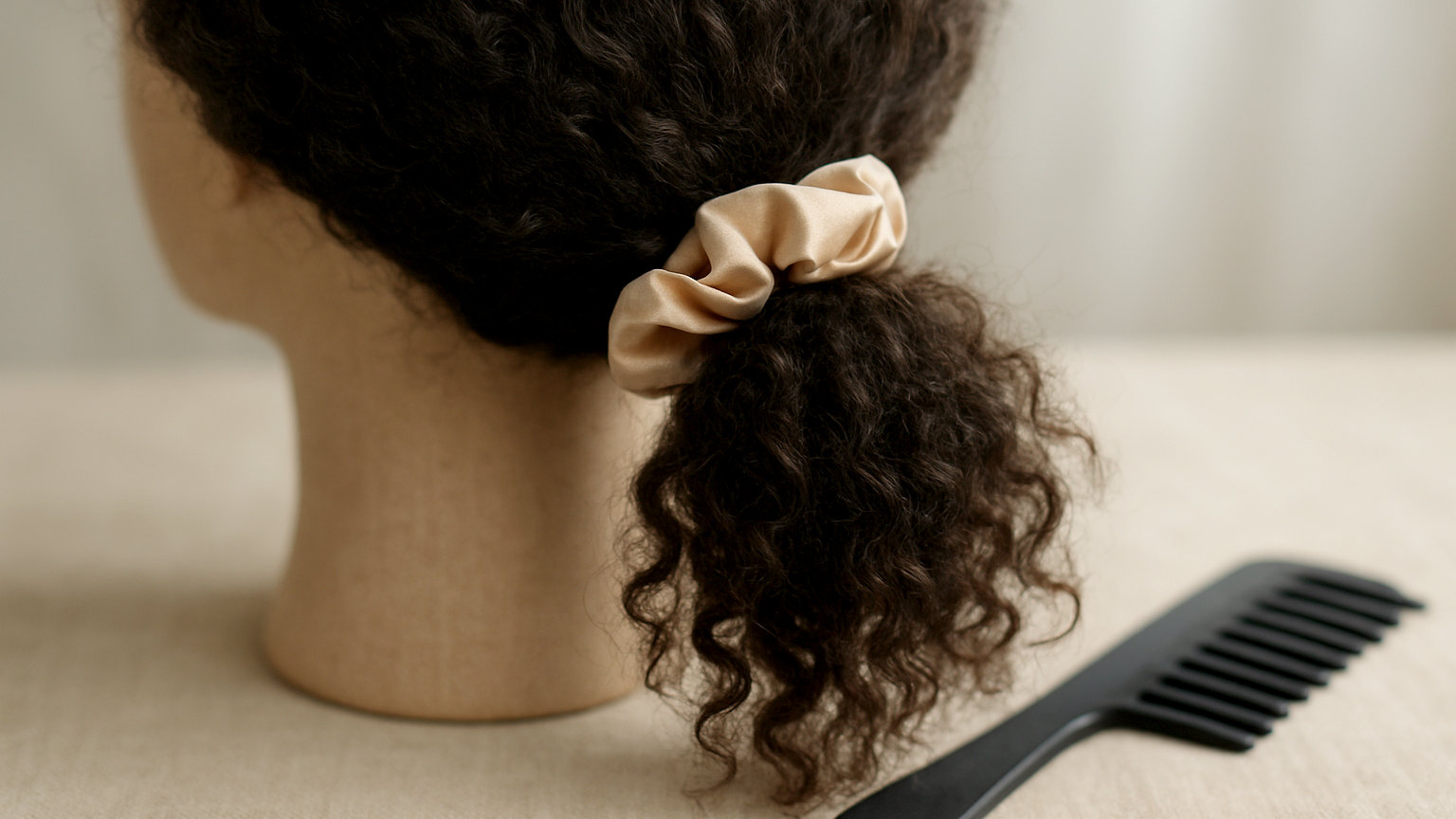
Tying hair up is the most frequent thing most people do to it, and small changes to how compound into a large difference over years.
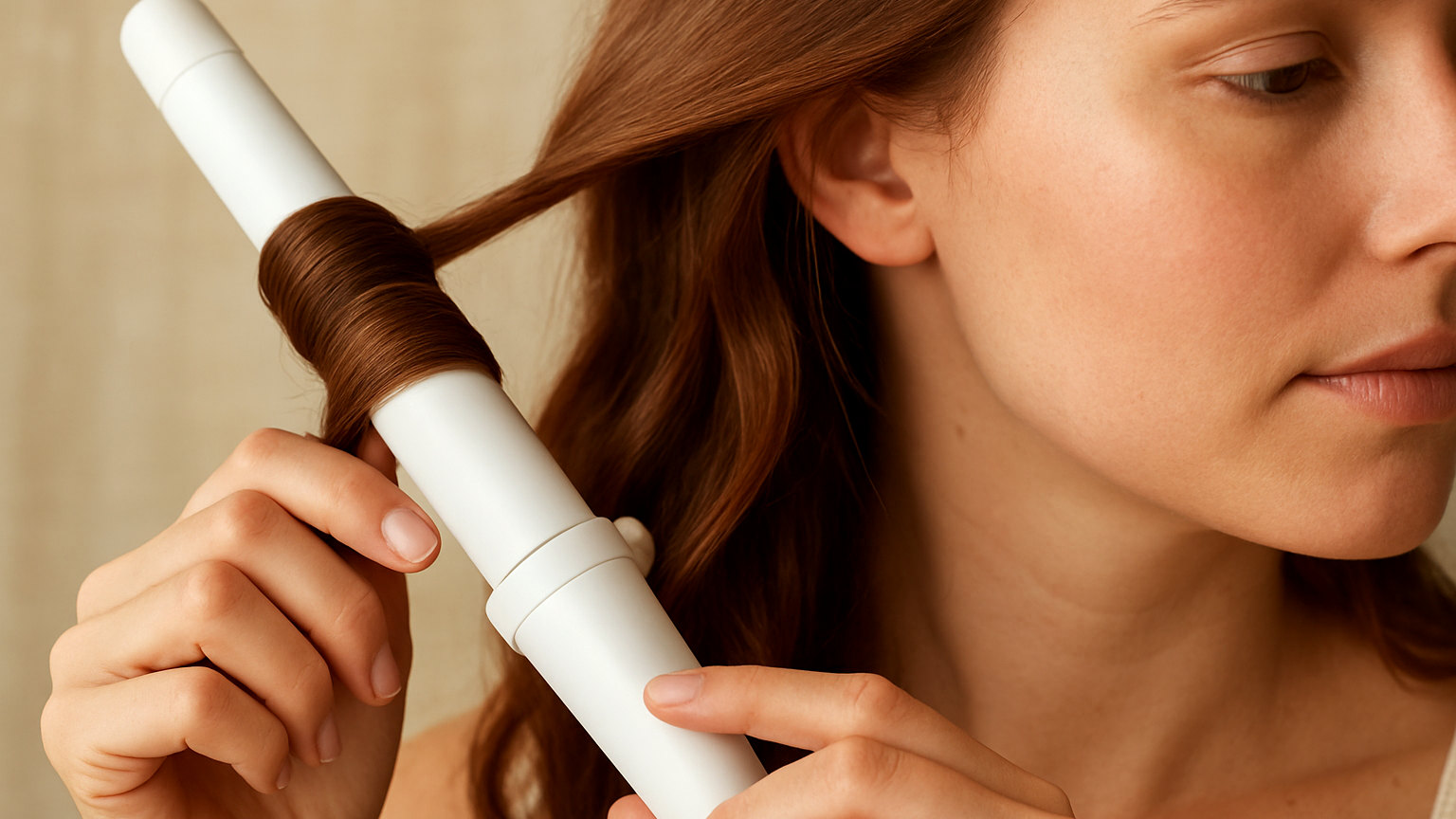
The direction you wrap and the size of the section determine the result far more than the tool does.
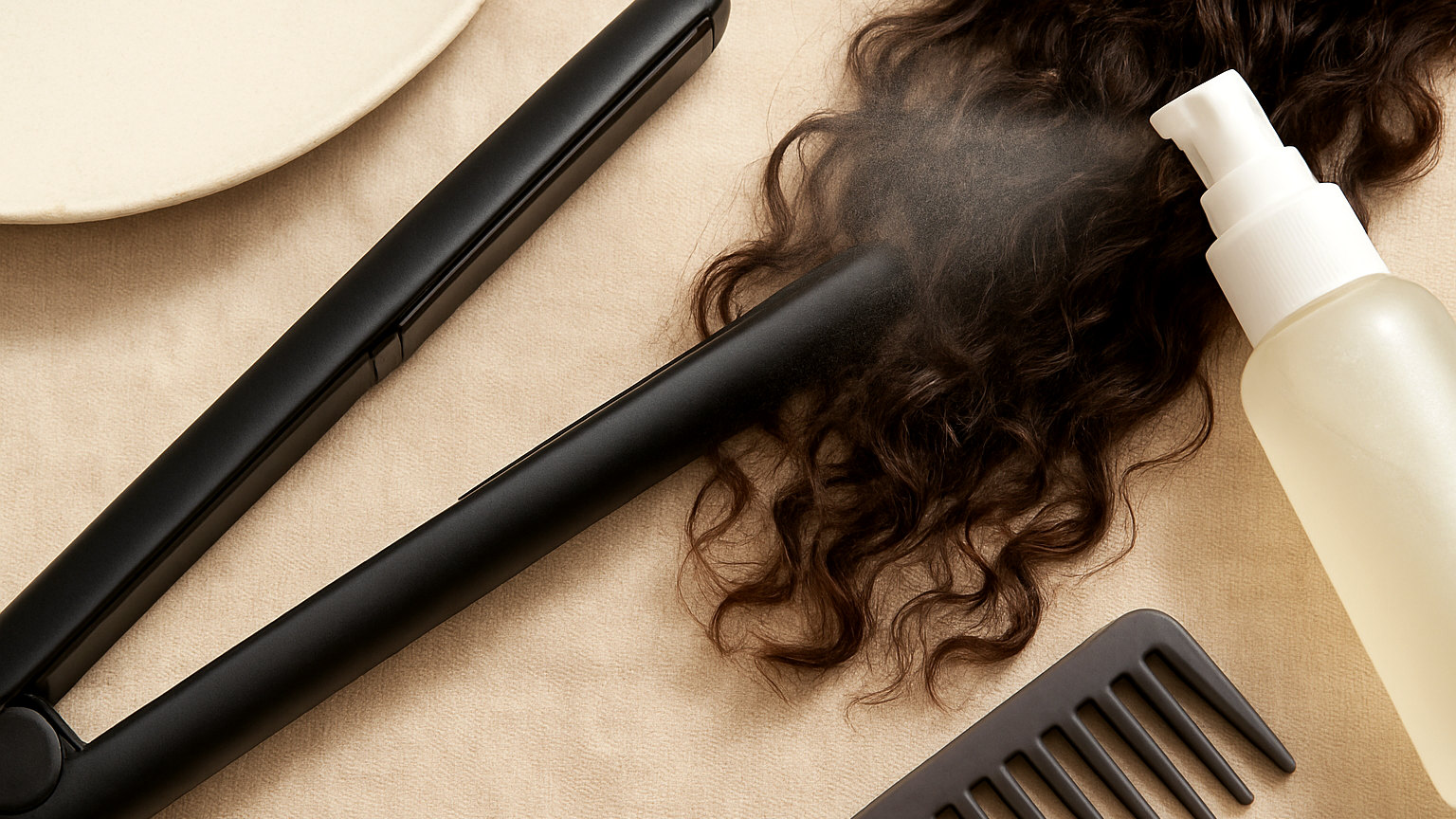
Straighteners cause more damage than any other tool, and almost all of it comes from three habits that are straightforward to change.
Styles drop for three reasons, and two of them are decided before you pick up a single product.
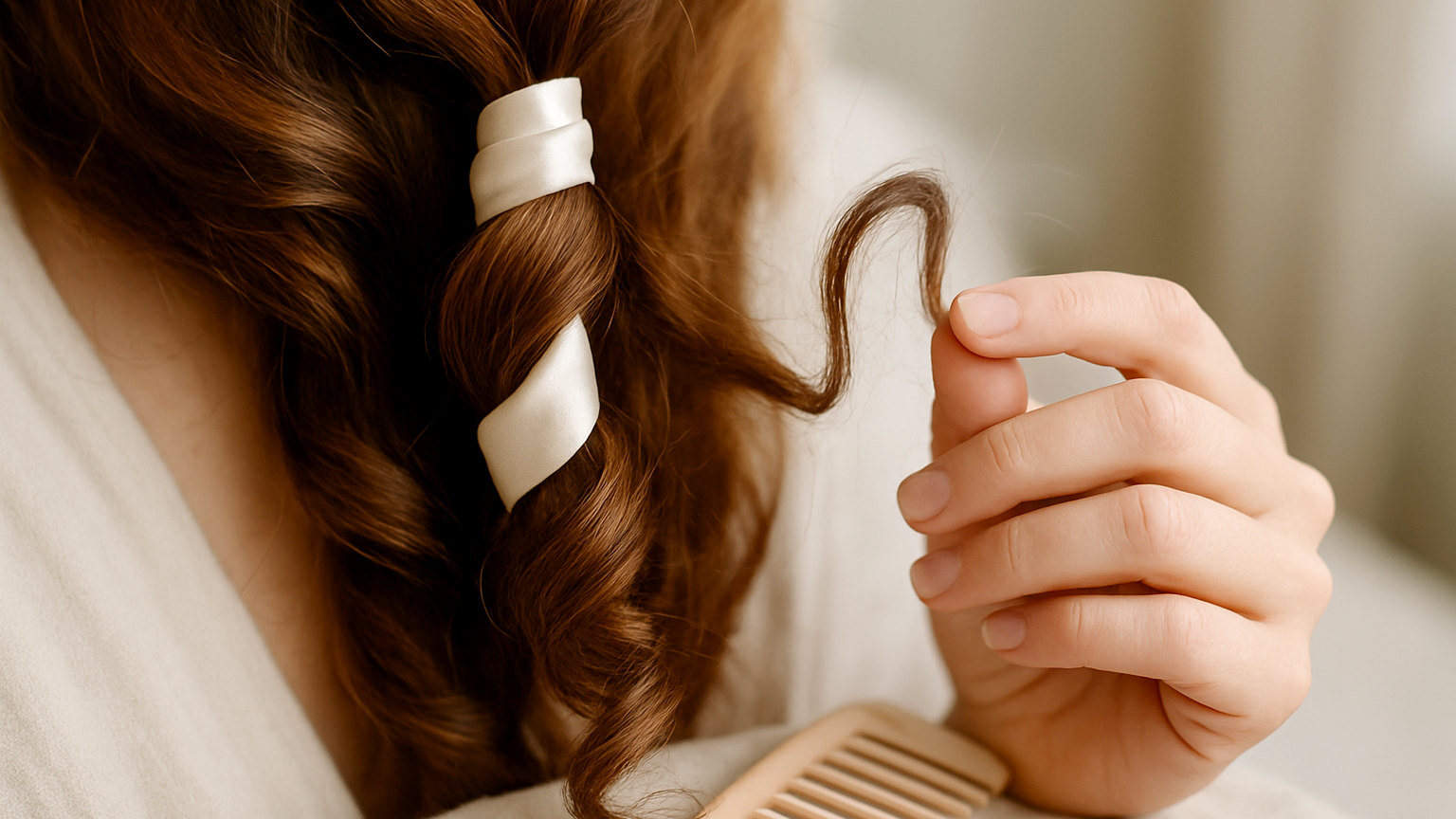
They work by the same mechanism as heat styling and take longer, which is a reasonable trade for hair that cannot afford more damage.
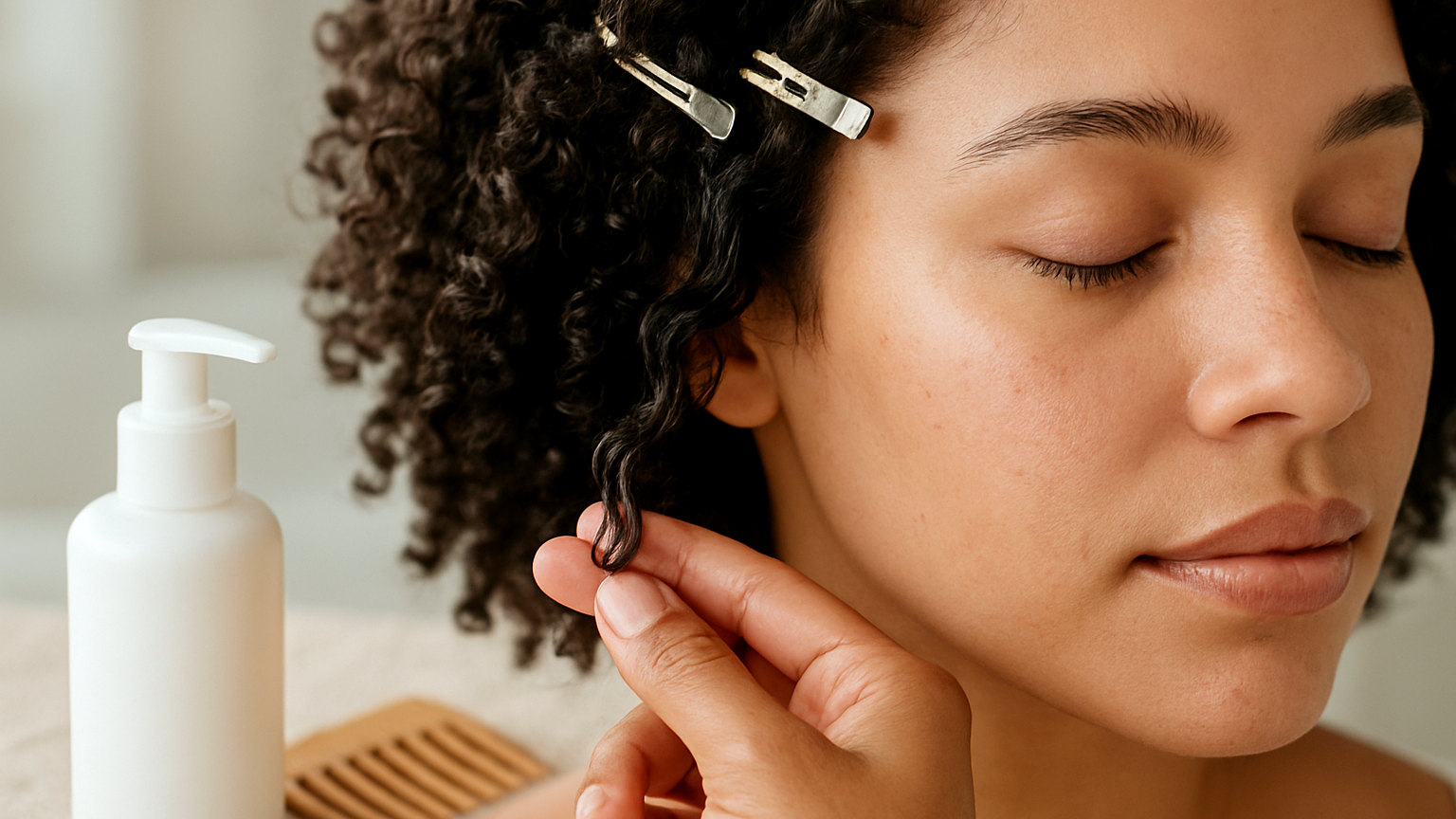
Curly hair needs the opposite of most standard advice, and the two rules that matter most are about water and touching.