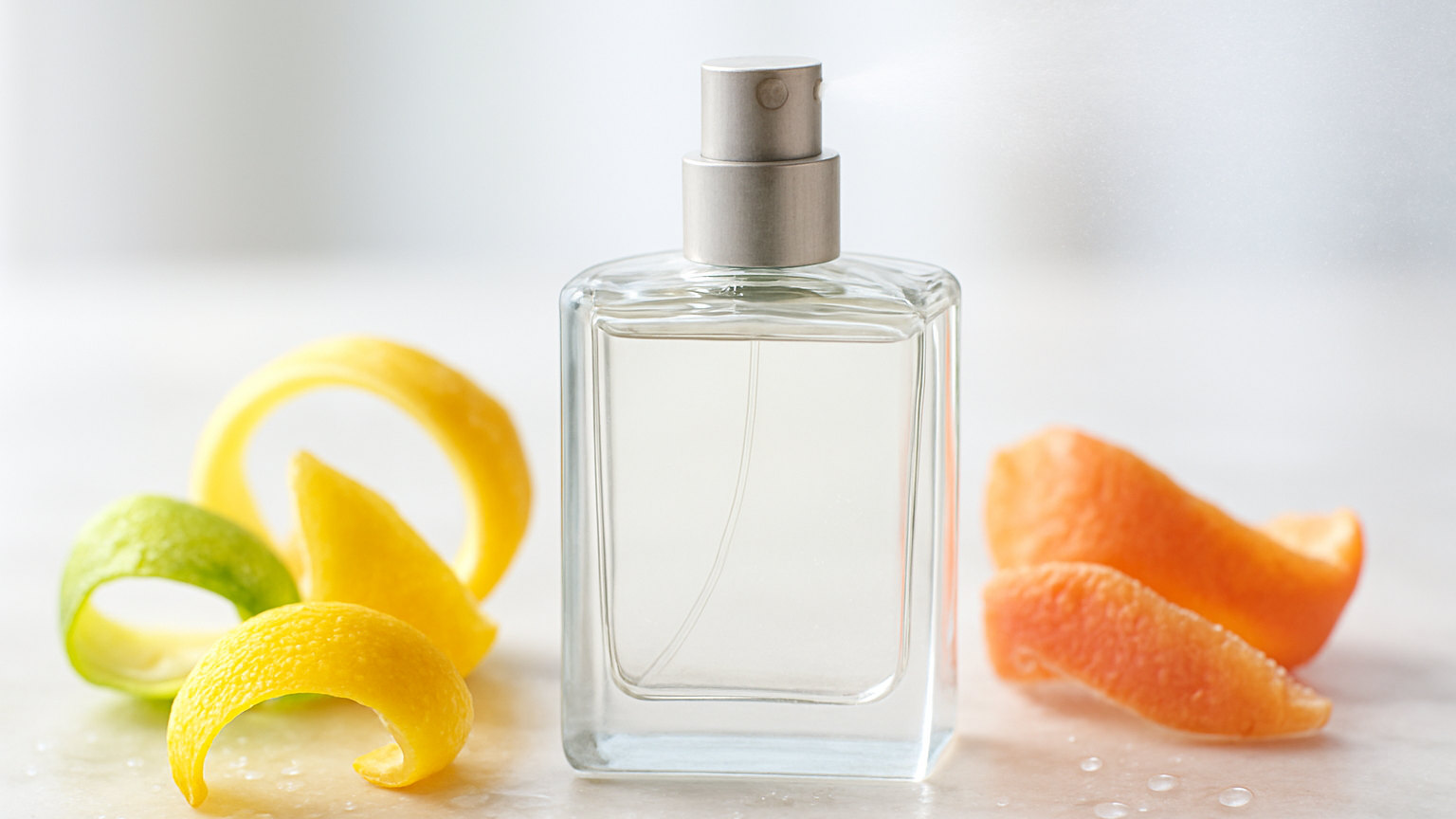
How Do You Explore Scent Families?
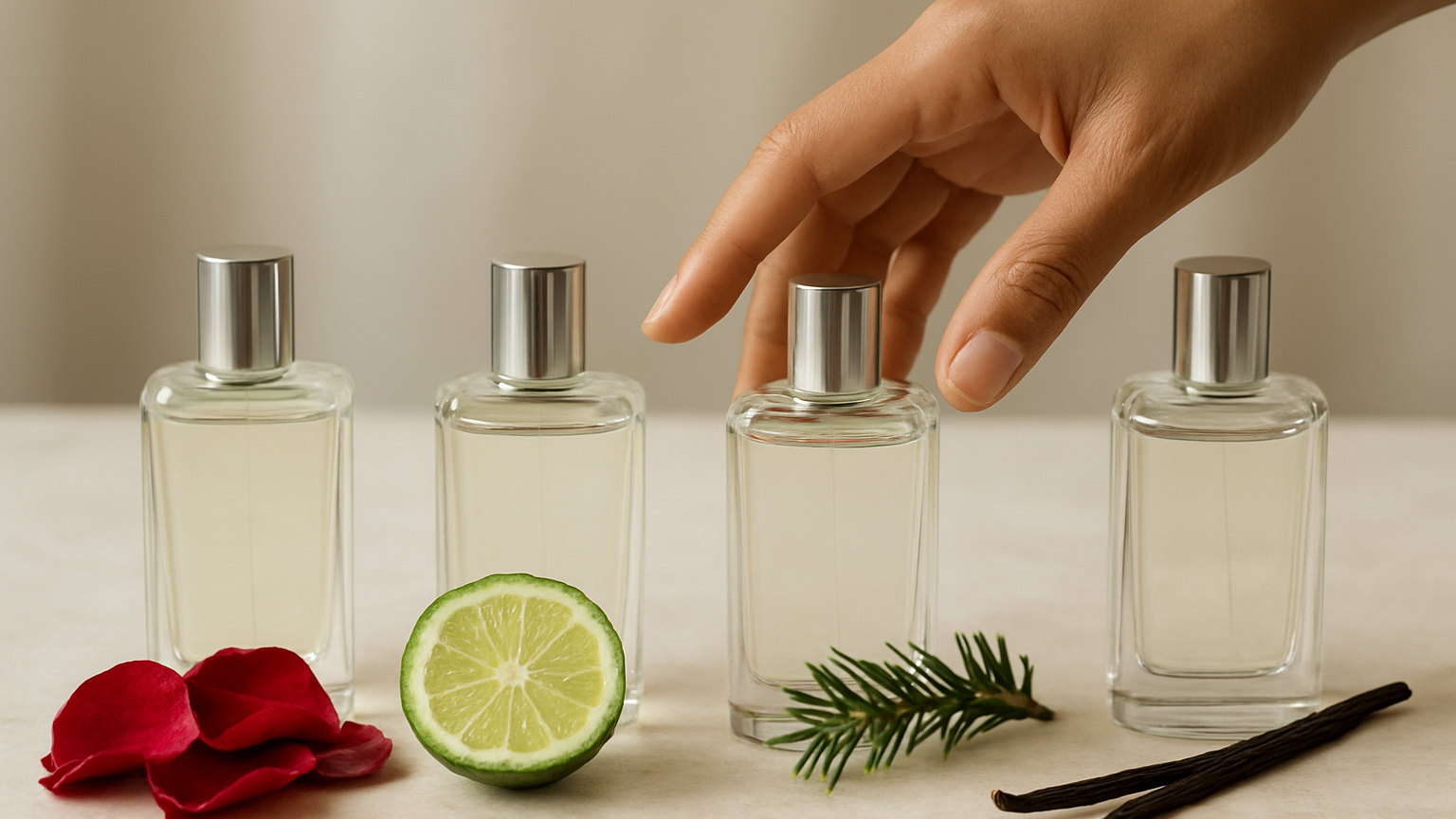
Exploring properly costs very little now, and the main thing that narrows people is a bad first encounter with a whole family.
By Beauty Advice Team
9 Aug 2026

Makeup is a skill before it is a shopping list, and fragrance is a vocabulary before it is a purchase. These guides teach both: how to match a base to your skin rather than to a shade name, the techniques that make cheap products look expensive, and how to read a fragrance by its notes and family so you can pick one without standing in a shop being sprayed at. Nothing here is a product review, and nothing is a paid placement.
Exploring properly costs very little now, and the main thing that narrows people is a bad first encounter with a whole family.
Natural does not mean gentler, safer or better, and several of the most restricted allergens in perfumery come from plants.
Almost every fruit note in perfumery is synthetic, because fruit cannot be extracted, and that fact explains a good deal about how they smell.
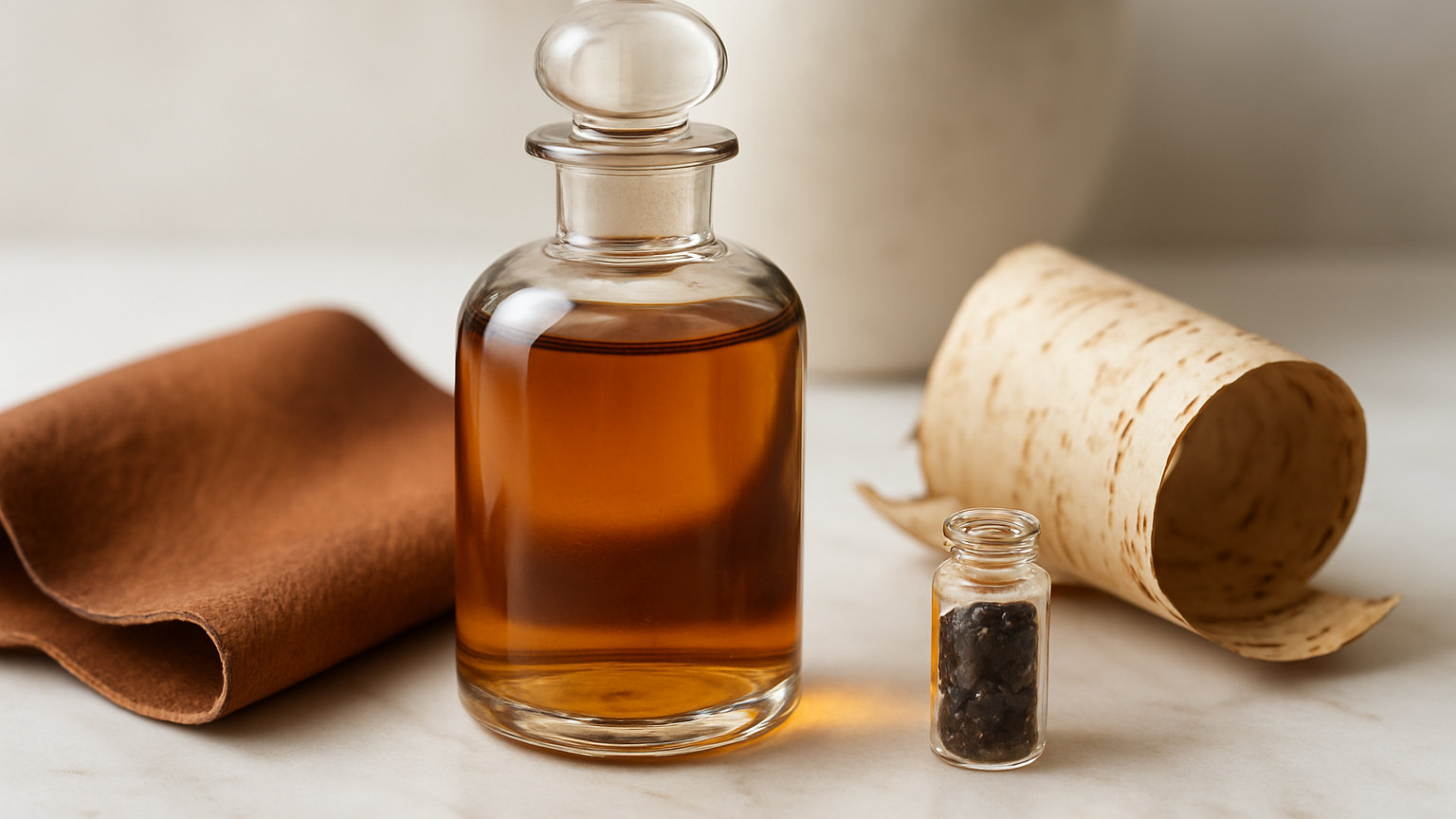
Leather in perfumery is a constructed effect rather than an extract, and the material behind it was originally used to tan hides.
Fragrance styles date more visibly than almost anything in beauty, and knowing the eras explains why some smells feel of a period.
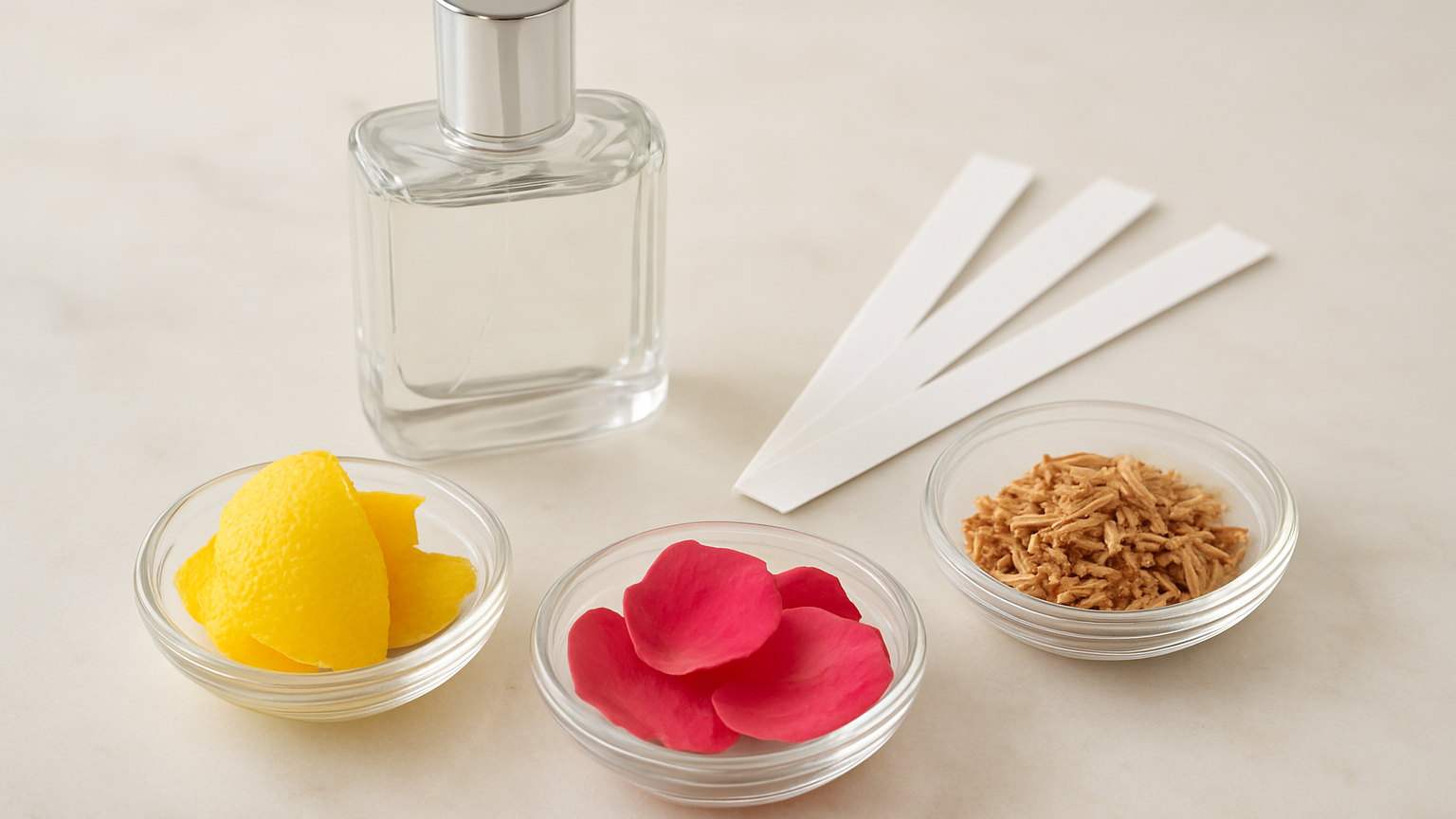
Working out your family is a matter of looking at what you already like rather than testing your way through a shop.
Note lists are marketing rather than ingredient lists, and knowing what they do and do not tell you saves a good deal of confusion.
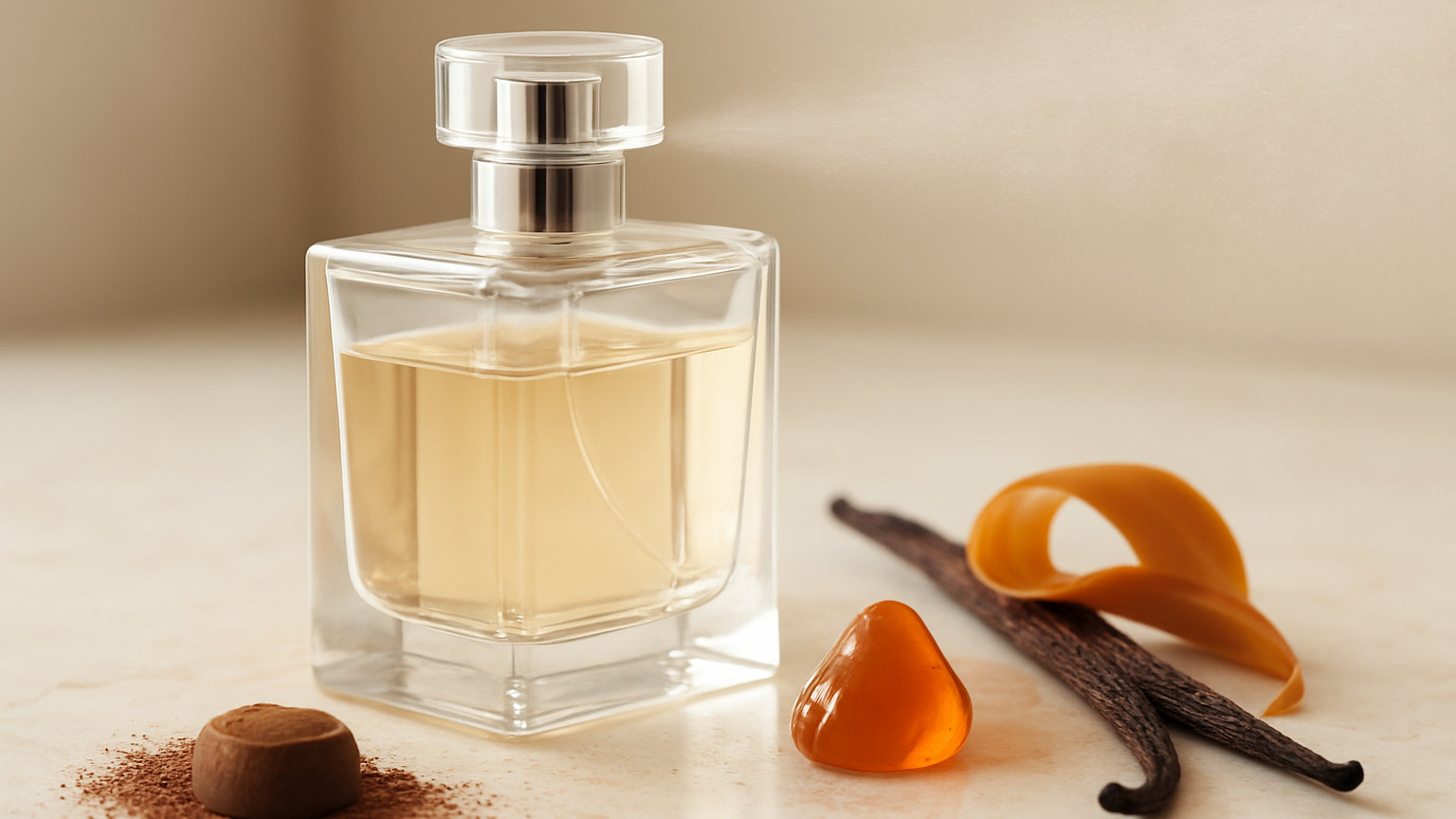
Gourmands smell of food and are the most divisive style in perfumery, and the whole category traces back to one molecule.
Musk is the most common material in modern perfumery and the one a substantial minority of people cannot smell at all.
Two classical structures rather than families, both named after specific fragrances, and both altered permanently by allergen restrictions.
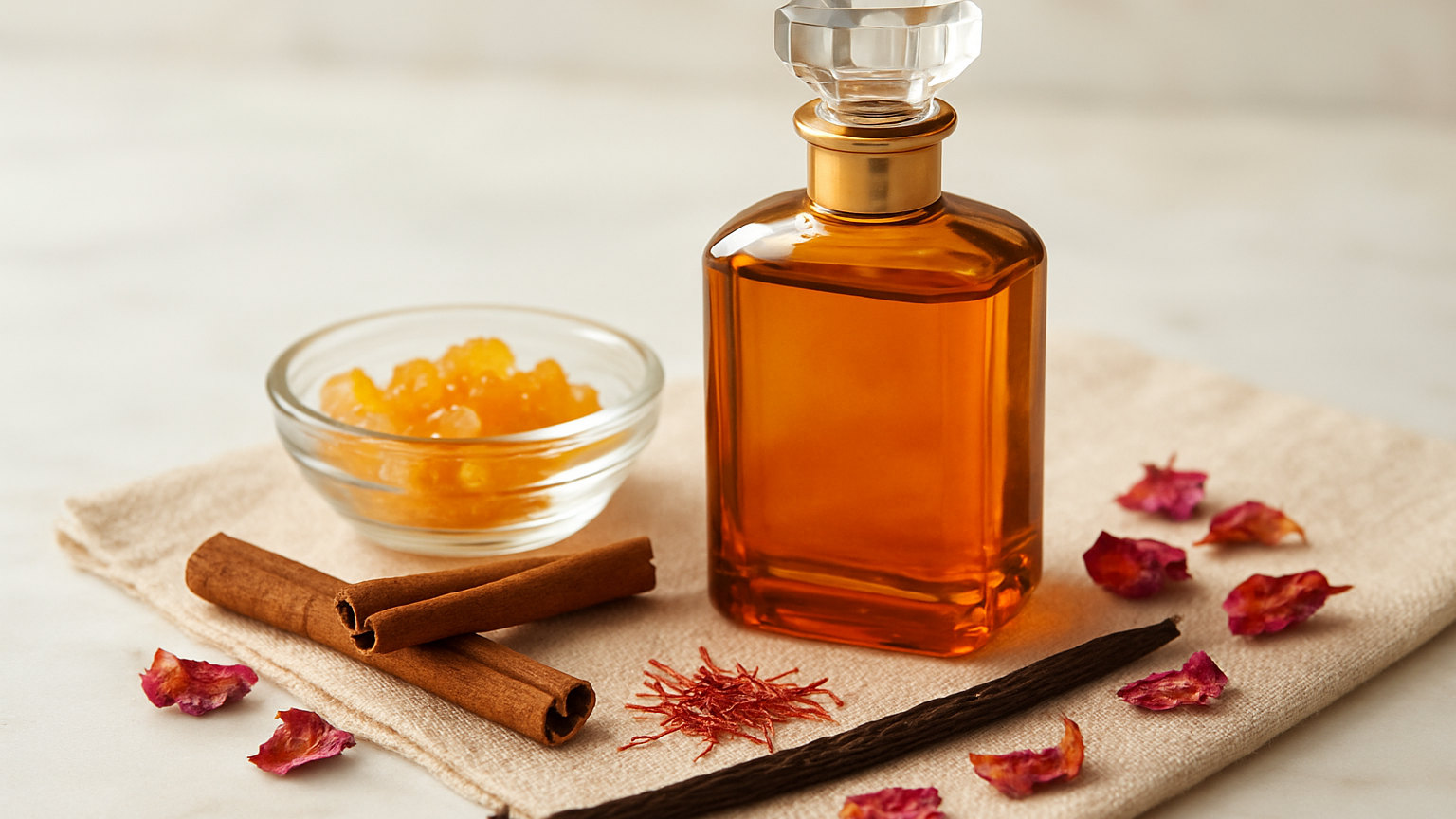
These are the heaviest and longest-lasting fragrances, and the family name is currently being changed for good reason.
Fresh fragrances are made of the lightest molecules in perfumery, which is why they are the most immediate and the shortest-lived.