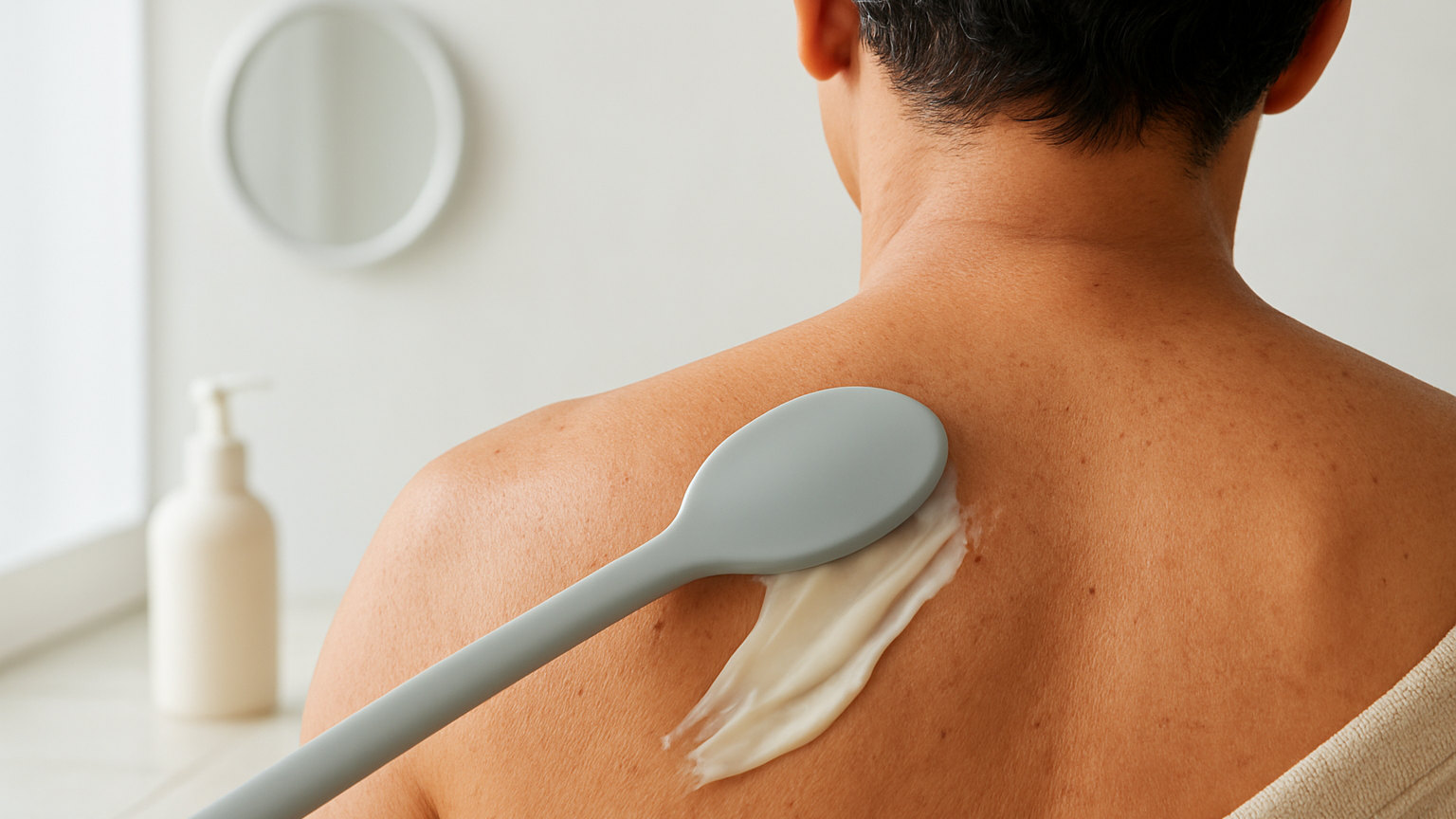
How Do You Look After Skin You Cannot Reach?
The middle of the back is where people apply nothing, and it is also where the most serious things go unnoticed.
By Beauty Advice Team
6 Apr 2026

Water temperature, how long is too long, soap versus wash, exfoliating without damage, and moisturising while skin is still damp.
The middle of the back is where people apply nothing, and it is also where the most serious things go unnoticed.
Some body areas genuinely need something different and most do not, and the marketing does not distinguish between the two.
Winter combines a drier baseline with hotter showers, which is why the same routine that worked in July fails in January.
Itching after washing is usually barrier damage and occasionally something worth investigating, and the timing tells you which.
The three ingredient categories that make a moisturiser work are on every label, and reading for them takes seconds.
Heat rooms do less for skin than claimed and are not neutral, and the timing relative to other treatments is what matters most.
Chlorine and salt both strip the skin, and most of the damage happens in the twenty minutes after you get out rather than in the water.
The order genuinely matters for two things, and getting one of them wrong causes breakouts people blame on something else.
The shower is where physical scrubbing has survived longest, and it is the place it does the most harm.
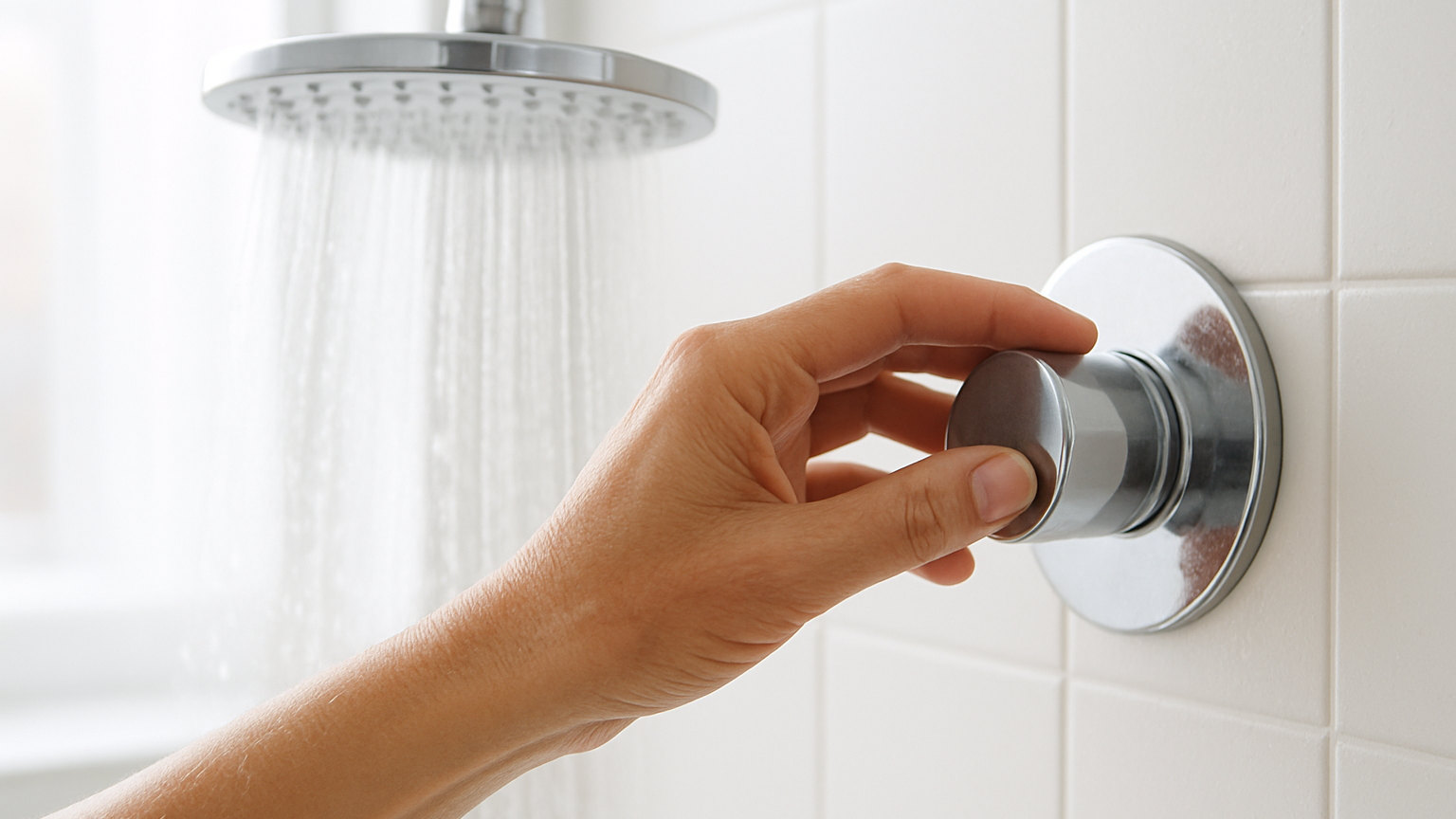
Five specific changes to how you shower resolve most ordinary dry skin, and none of them involves buying anything.
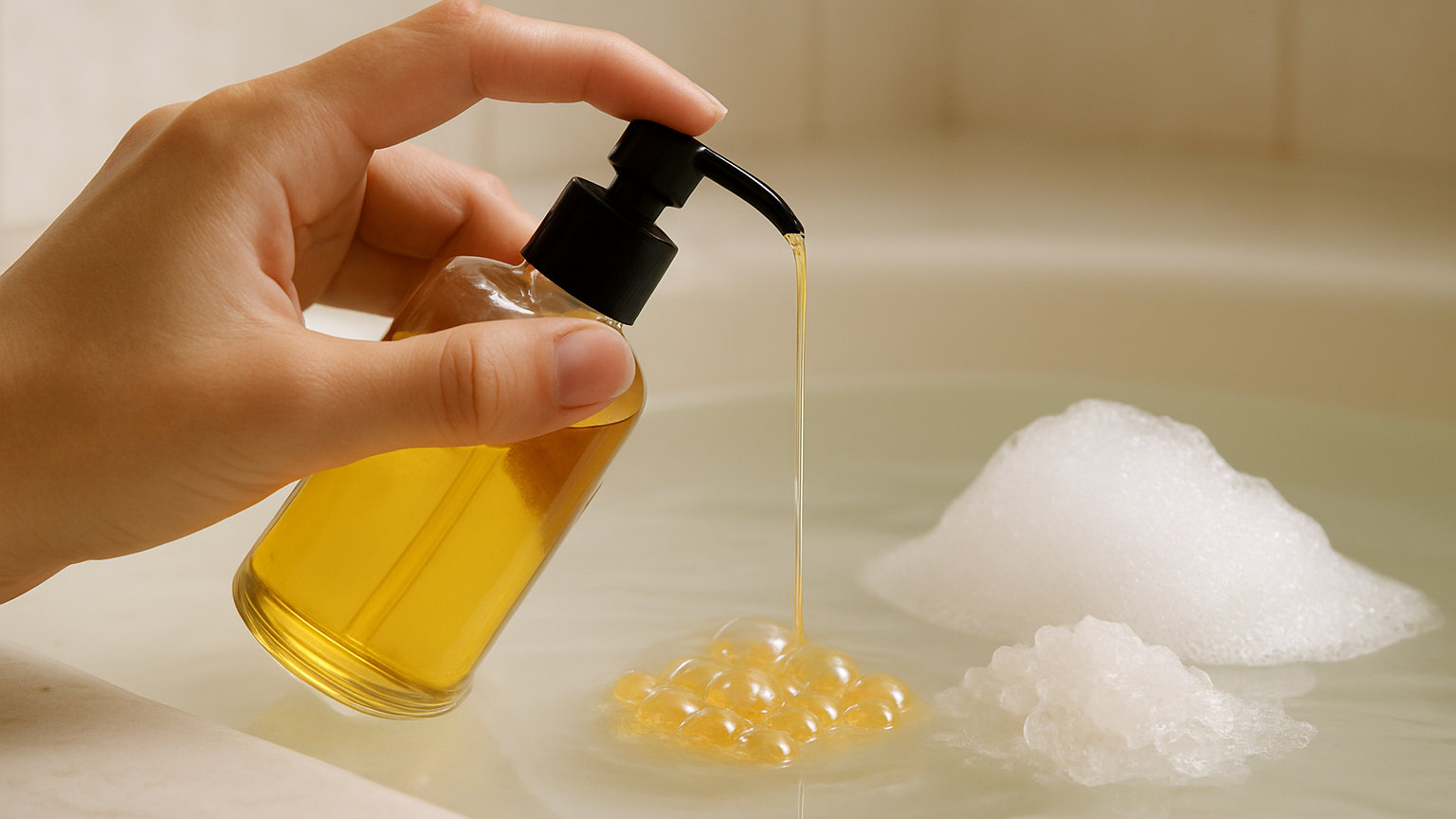
Some bath additives do something specific and useful, several do nothing, and one category actively dries the skin it is sold to soften.
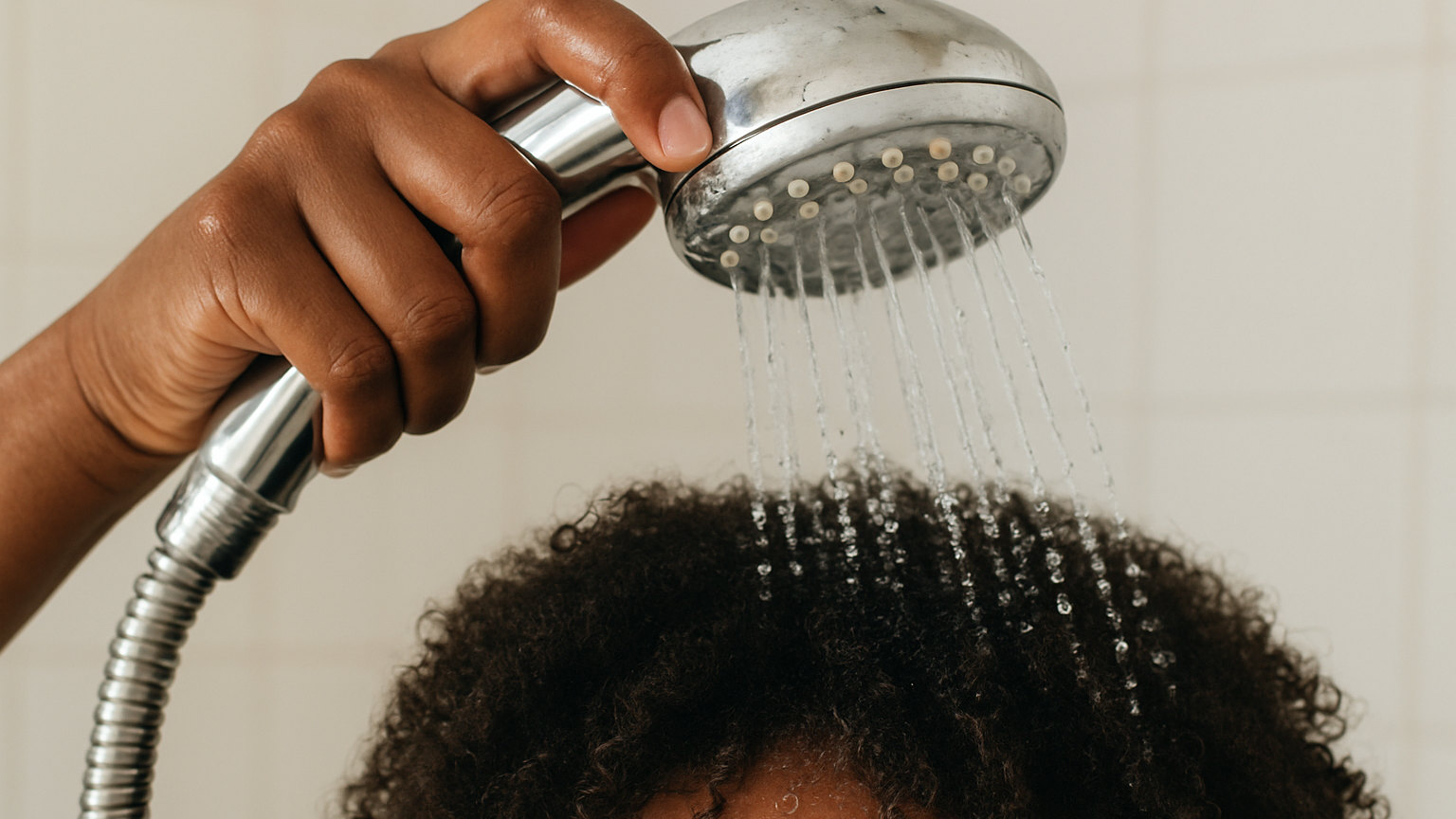
Hard water leaves mineral residue that affects skin and hair in measurable ways, and much of the UK lives with it.