What Should a Complete Body Care Routine Include?
A complete body routine takes about five minutes a day, and most of what makes it work has nothing to do with what you buy.
By Beauty Advice Team
9 Aug 2026

The skin below the neck gets a fraction of the attention and most of the neglect, despite being thicker, drier and far more prone to the things people quietly worry about. These guides cover it plainly: what actually helps keratosis pilaris and body acne, why the bathroom routine matters more than the products, how sweat and odour genuinely work, and how to get colour without the damage. Intimate care is included and written without embarrassment, because the alternative is people guessing.
A complete body routine takes about five minutes a day, and most of what makes it work has nothing to do with what you buy.
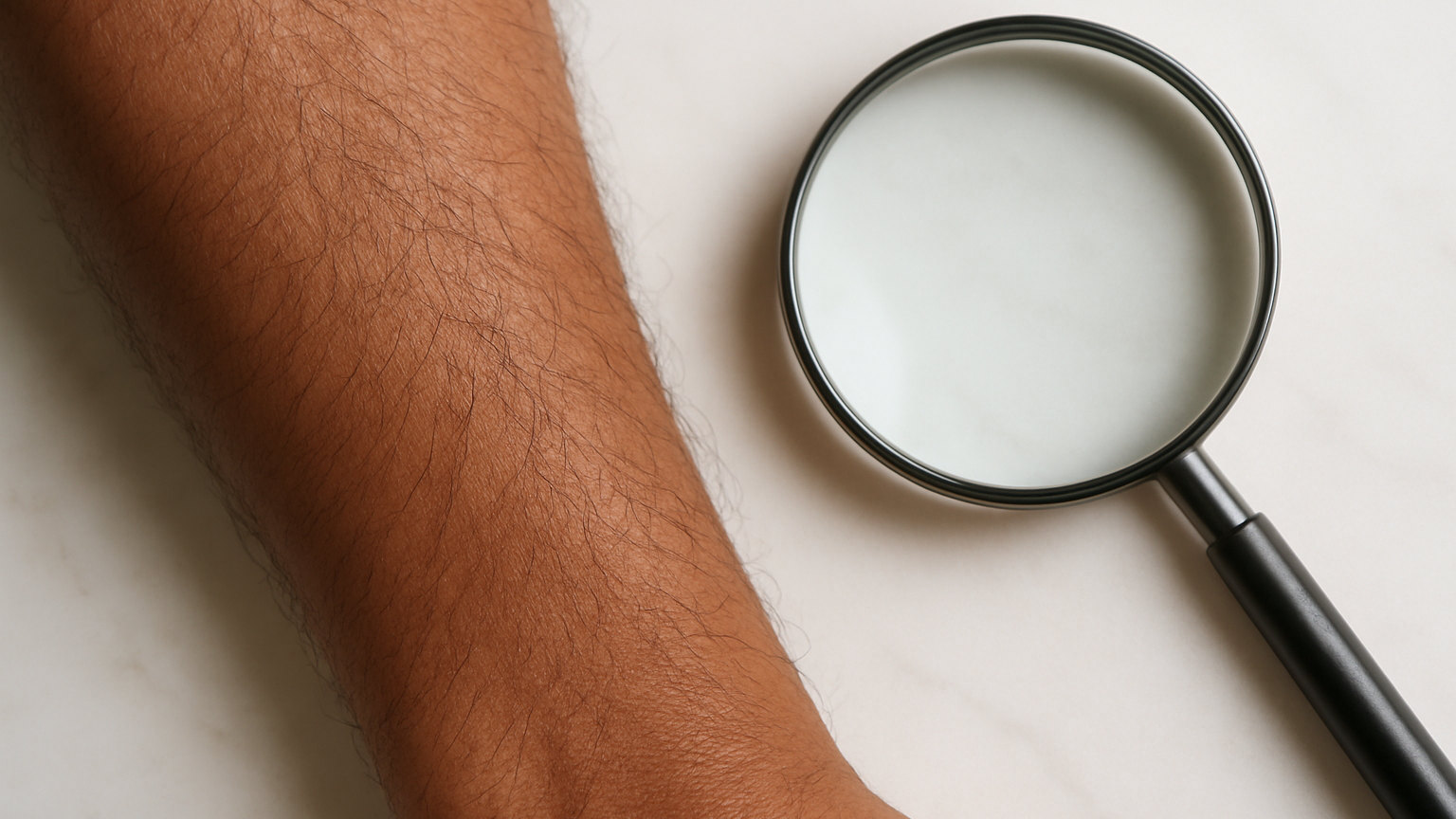
A short list of skin changes should be seen rather than watched, and knowing which saves months of waiting to see whether it settles.
Heat rash is blocked sweat ducts rather than an allergy to the sun, which is why cooling down works and antihistamines mostly do not.
Skin adapts to weight change slowly and incompletely, and knowing what topical care can and cannot do saves a good deal of money.
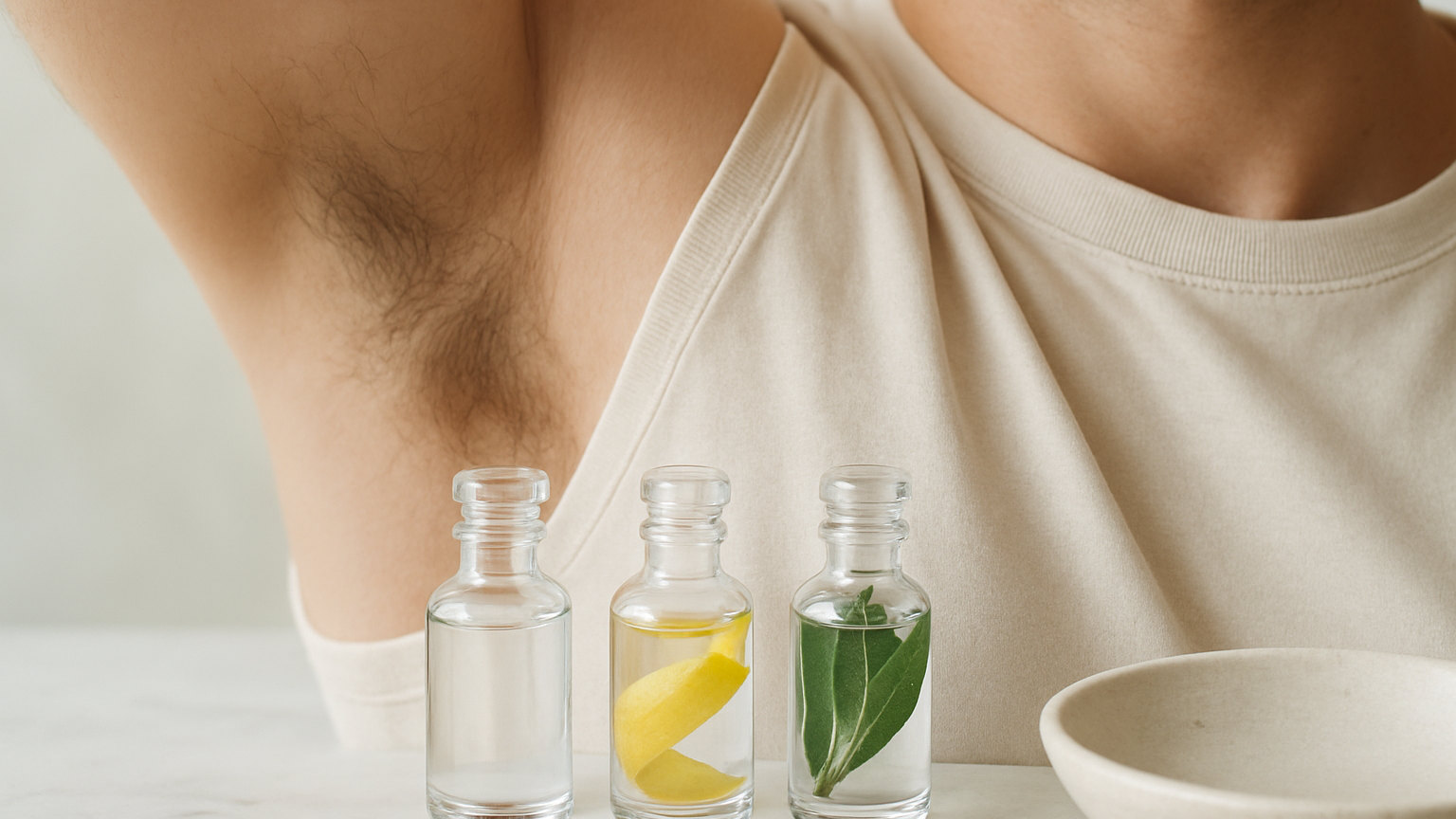
A change in how you smell is a signal worth reading, and a handful of specific smells point toward specific things.
The distinction that matters is between normal variation and a change in pattern, and the second is worth investigating rather than only removing.
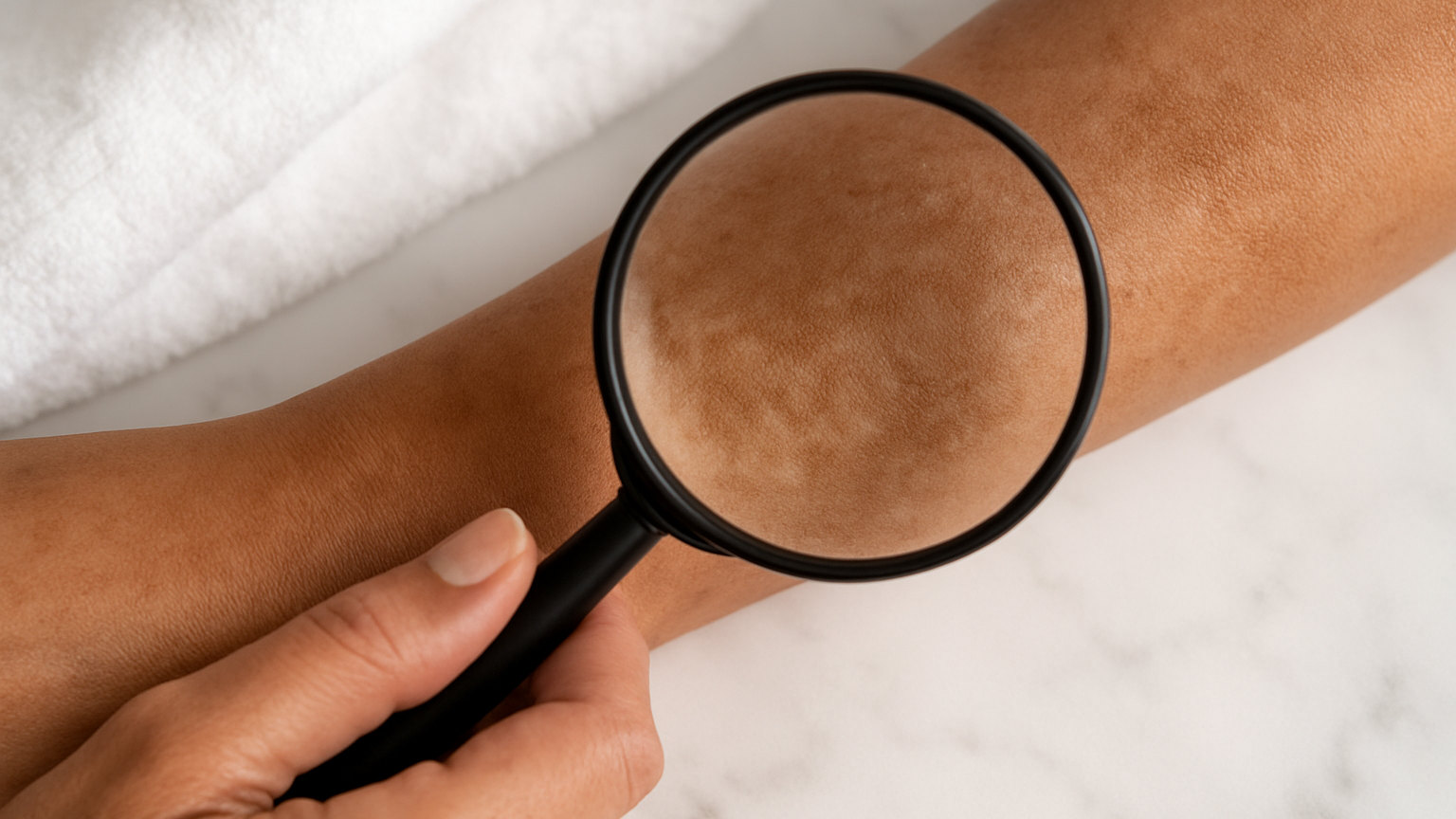
Patches lighter or darker than the surrounding skin have a short list of causes, and telling them apart determines whether anything will help.
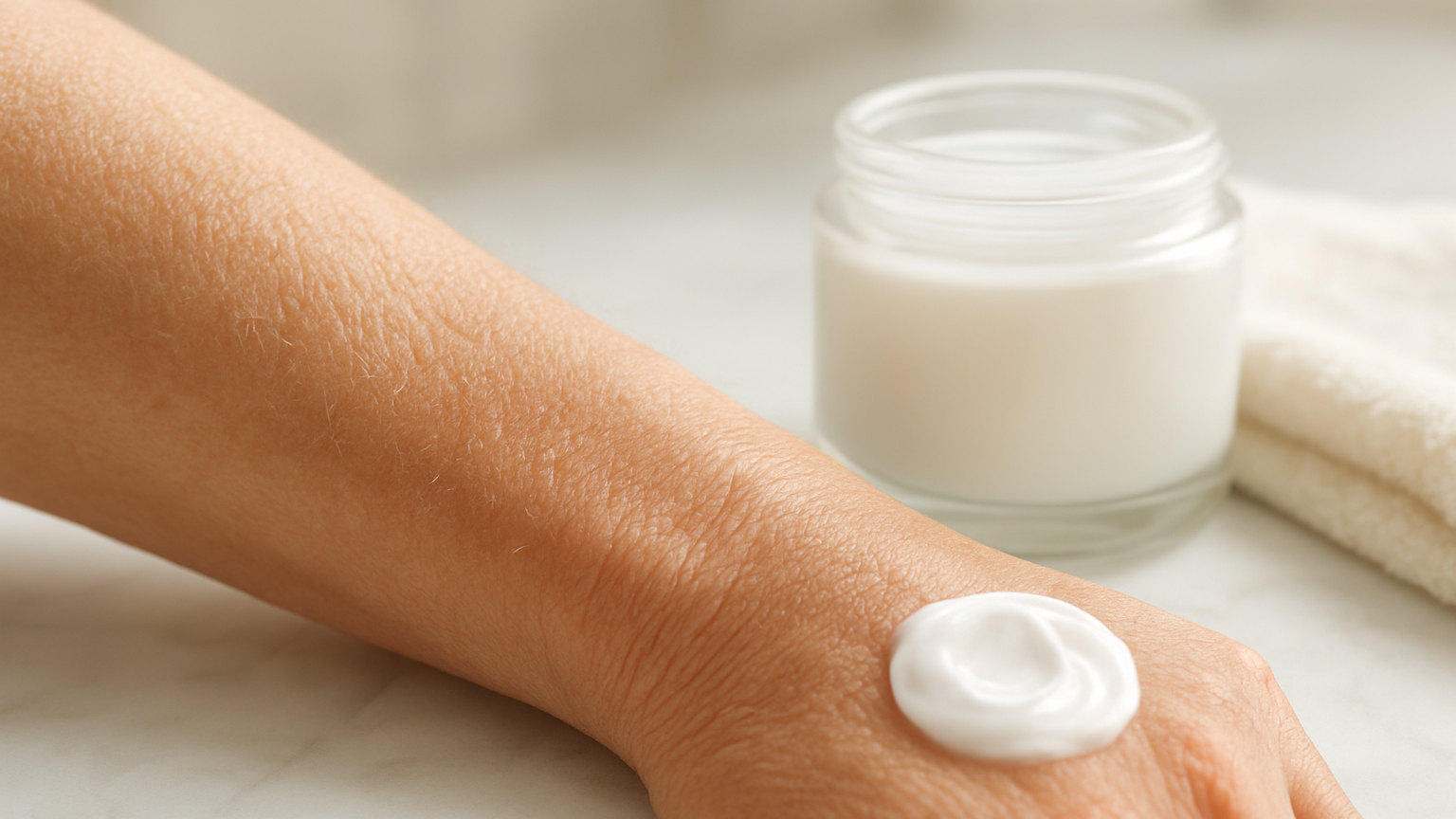
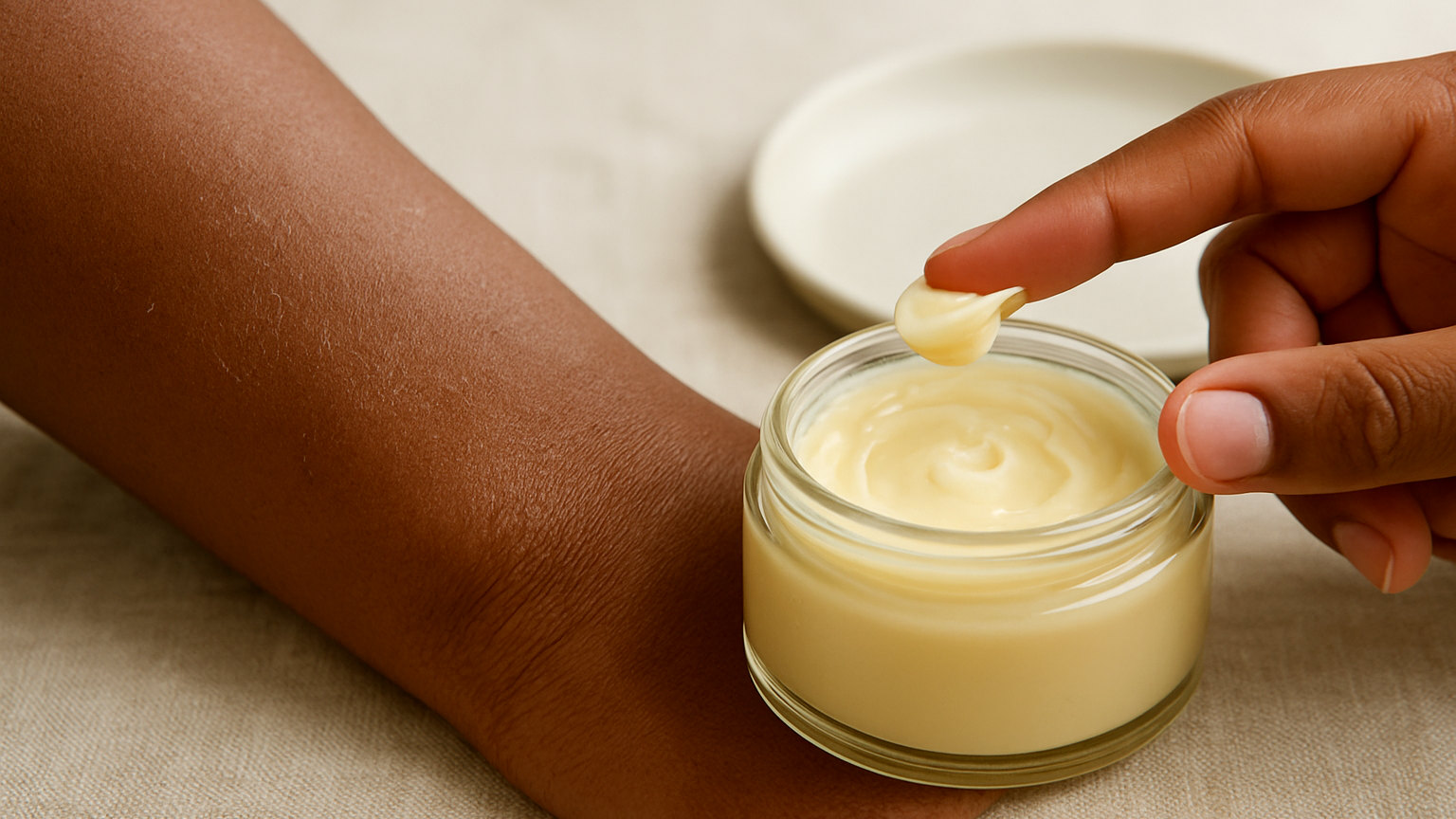
Severe dryness has causes beyond weather and washing, and a few of them are worth ruling out before buying anything else.
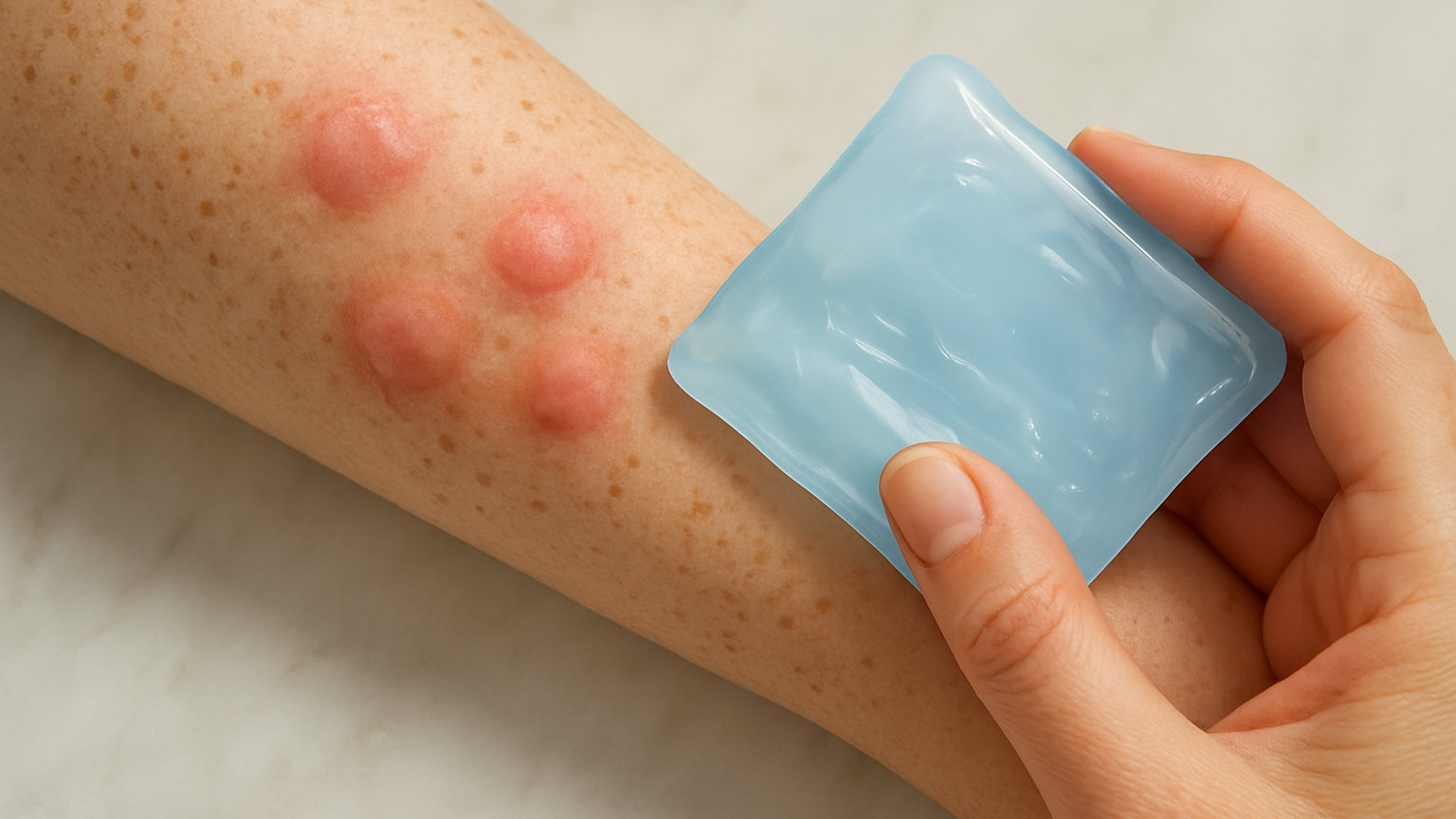
Hives look alarming and are usually harmless, and there are two specific situations where they are not.
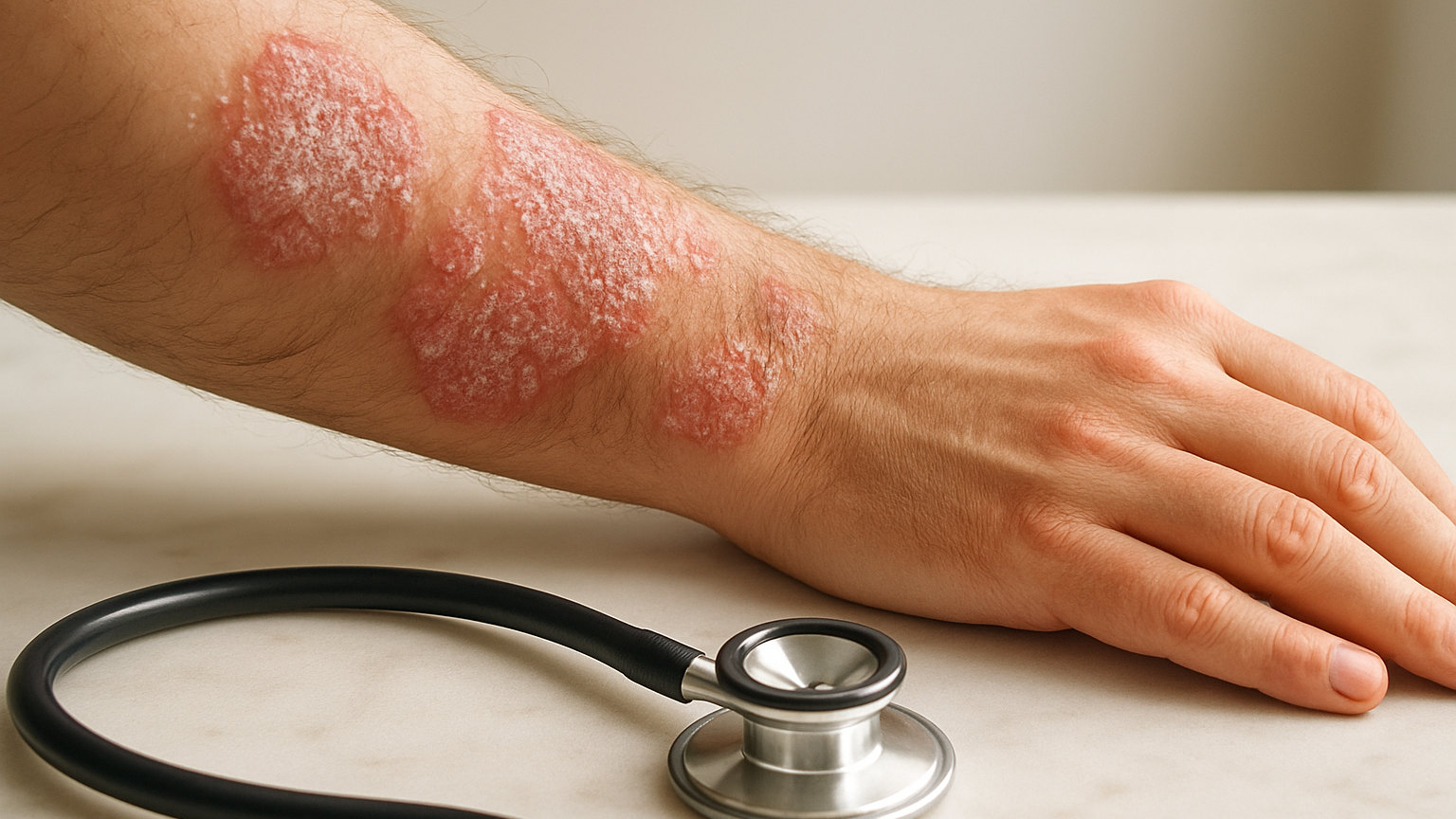
Psoriasis is an immune condition rather than a skin problem, and it comes with a joint and cardiovascular dimension people are rarely told about.
Eczema is a barrier problem before it is an immune one, and the treatment people under-use is the cheapest part of it.
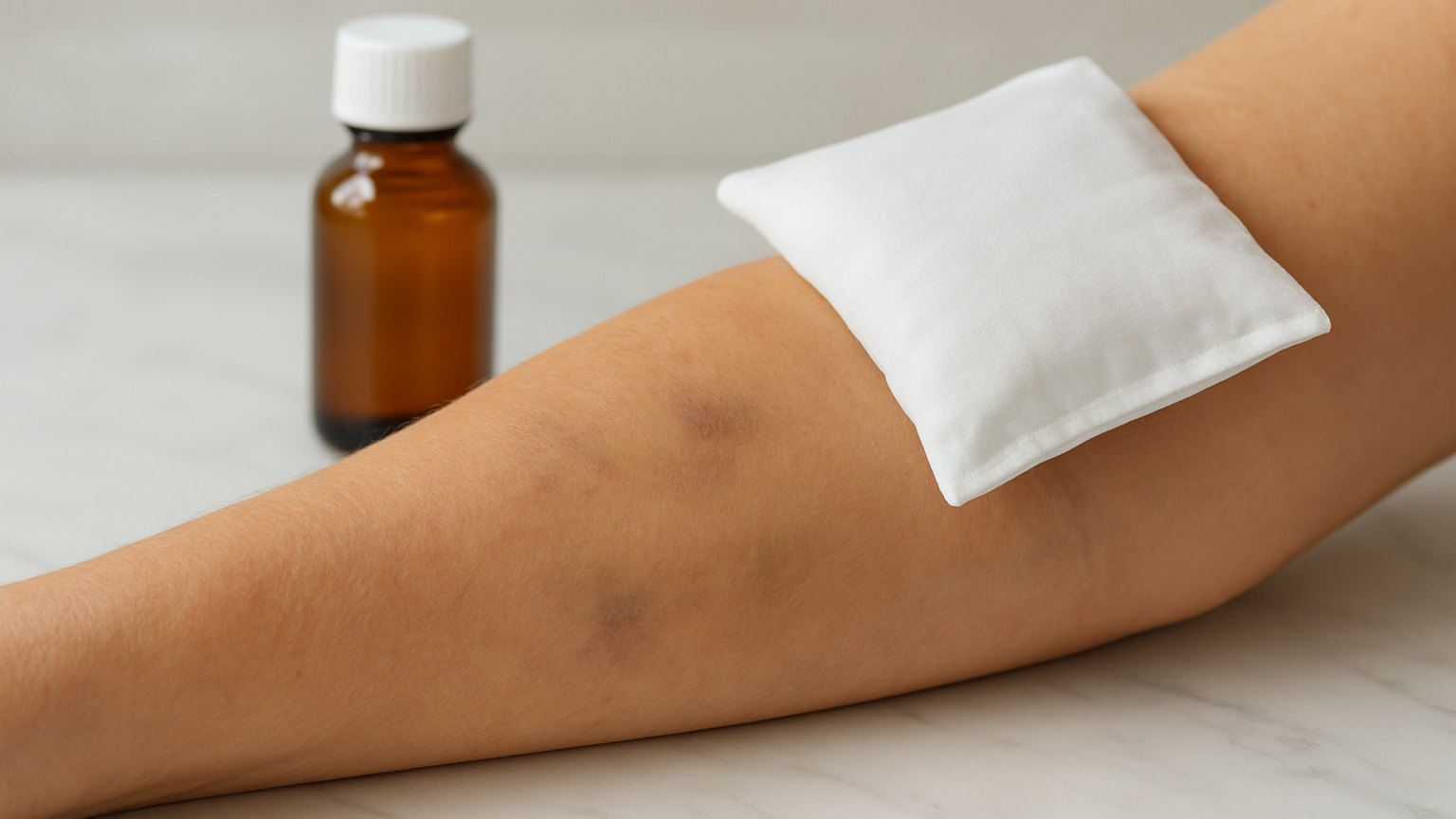
Most easy bruising is age, skin thinning or medication, and a specific pattern is worth investigating rather than accepting.