Does Oily Skin Change With Age?
Sebum production follows a predictable curve across a lifetime, which means the routine that suited you at twenty is probably working against you at forty.
By Beauty Advice Team
25 May 2026

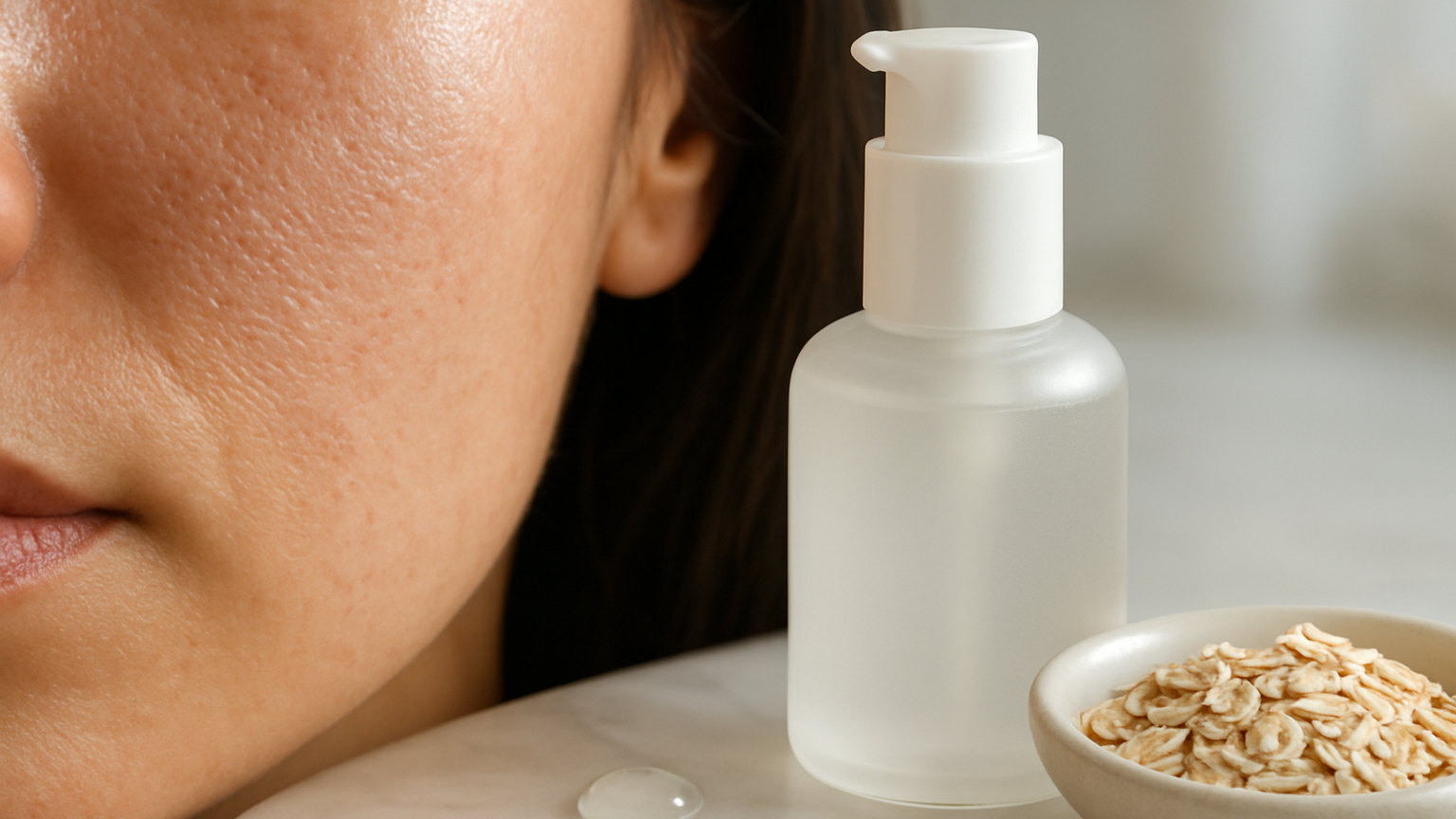
Shine, congestion and enlarged pores - why stripping oil makes it worse, and what actually reduces the look of a pore.
Sebum production follows a predictable curve across a lifetime, which means the routine that suited you at twenty is probably working against you at forty.
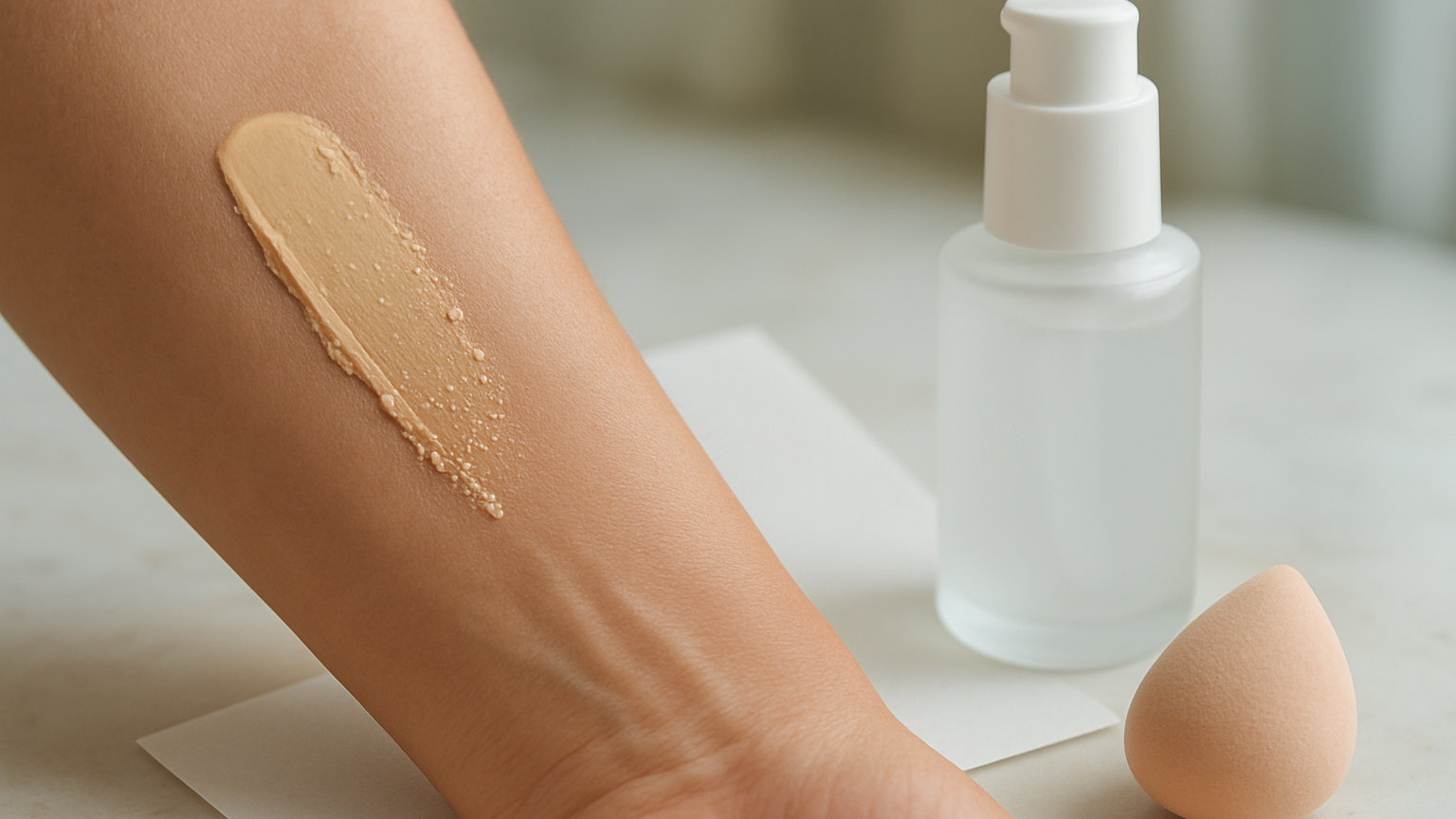
Makeup breaking down by lunchtime is usually a skin problem rather than a foundation problem, which is why buying a different foundation rarely fixes it.
There is something in this, though not for the reason usually given, and the advantage is smaller than the compensation people hope for.
Oily and tight at the same time is not a contradiction, and treating it as an oil problem is what keeps most people stuck in it for years.
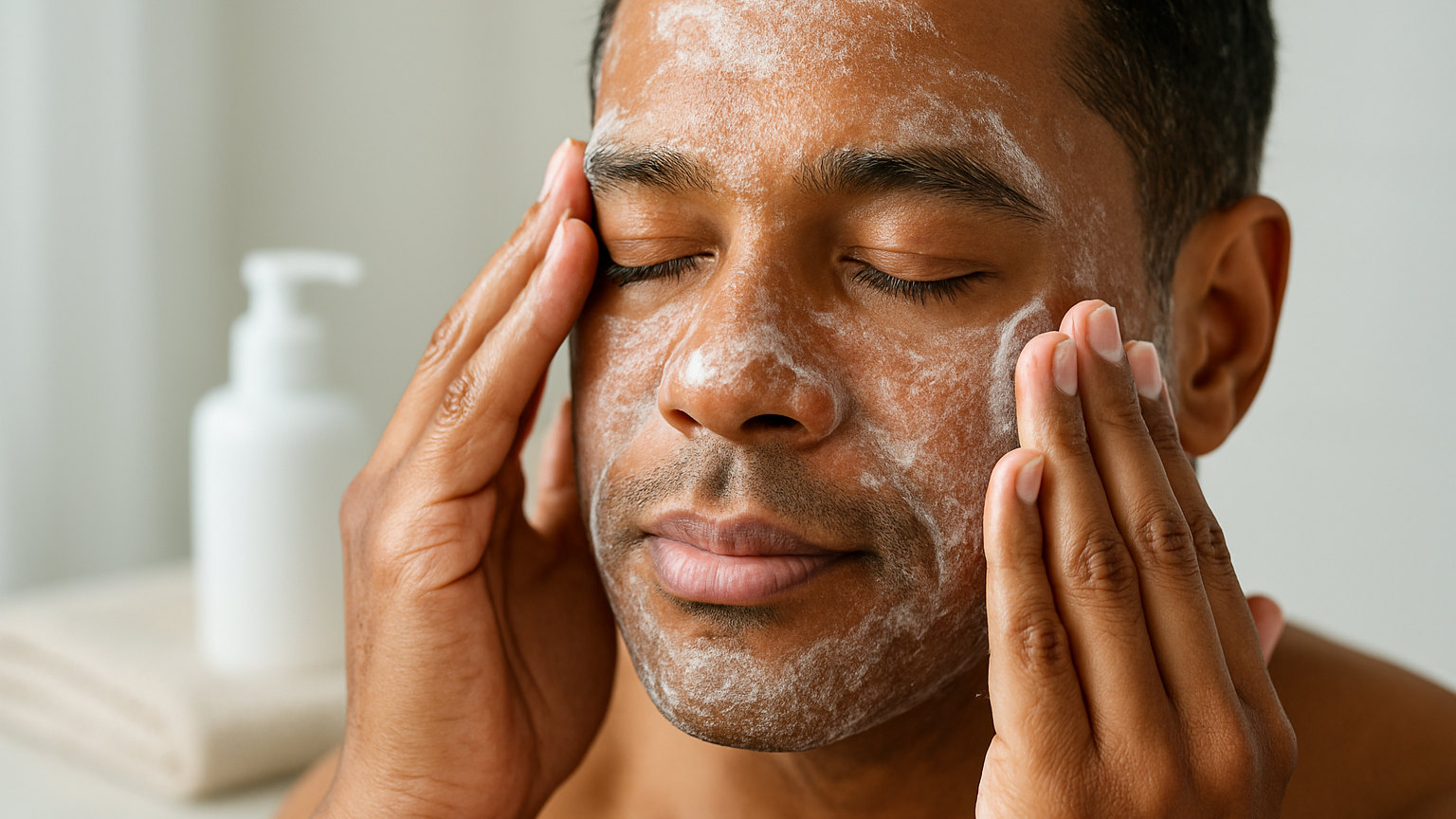
More washing produces more oil, which makes this the one skincare question where the intuitive answer is reliably the wrong one.
Skin often looks better after a week in the sun and worse a month later, and the mechanism behind both halves of that is well understood.
Adding oil to oily skin sounds like a mistake and is not, provided you know which oils block pores and which do not.
Eating fat does not produce facial oil, which disposes of the oldest claim in this area, though two dietary factors do have something behind them.
Toner used to mean one thing and now means several, and the version most people associate with oily skin is the one worth avoiding.
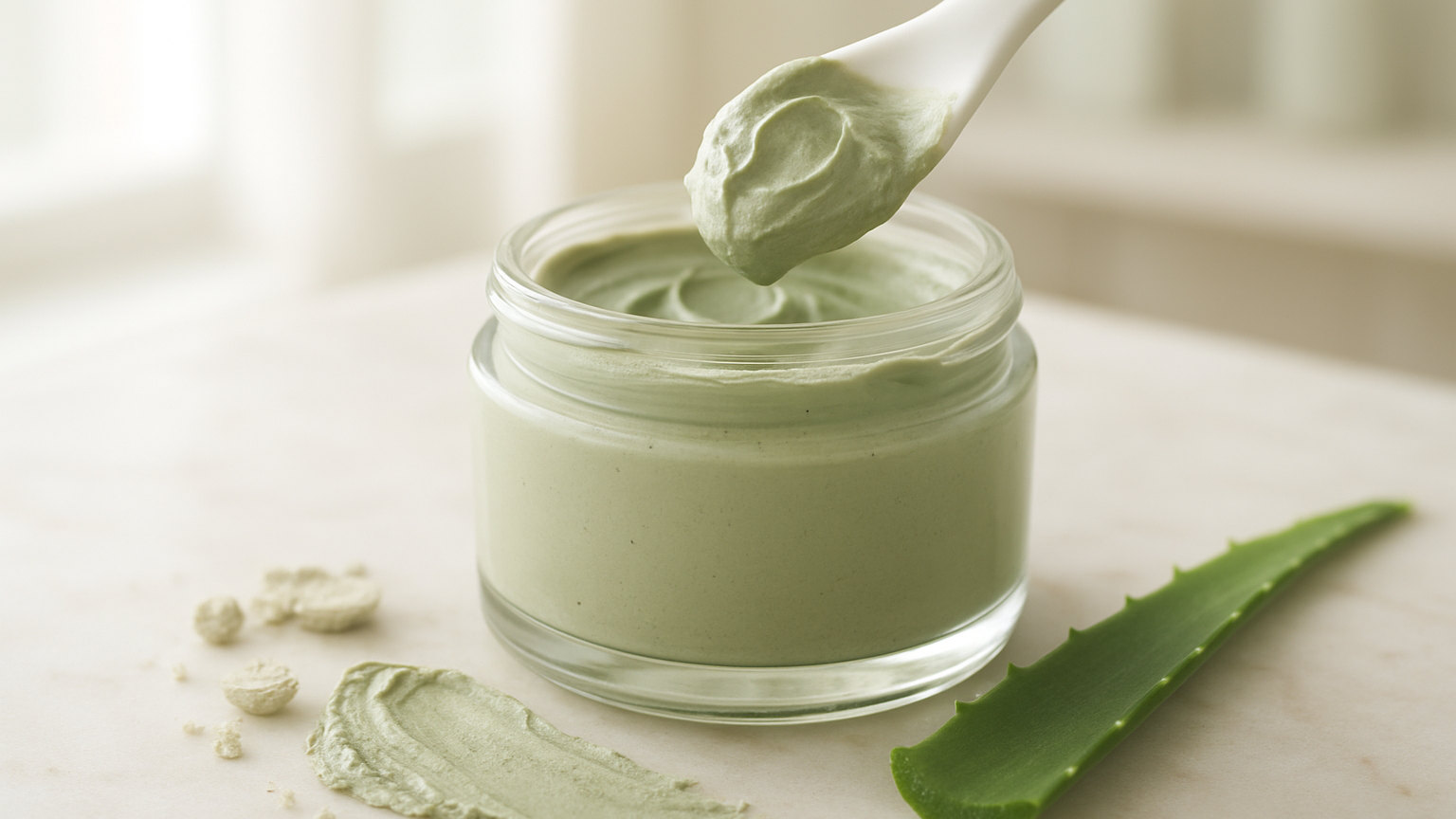
Clay does something real and specific, and almost every disappointment with it comes from expecting a treatment where there is only maintenance.
Combination skin is the most common type and the worst served, largely because products are sold for one condition and most faces have two.
Niacinamide is one of the few ingredients whose marketing claims are broadly supported, though the useful strength is lower than most bottles suggest.