What Should a Body Skincare Routine Include?
A body routine needs four things, and most people are doing one of them inconsistently and none of the others.
By Beauty Advice Team
12 Mar 2026

Body acne, keratosis pilaris, stretch marks, dry legs and rough elbows - what helps, and why body skin behaves differently to the face.
A body routine needs four things, and most people are doing one of them inconsistently and none of the others.
Most people apply a fraction of the sunscreen needed and miss the same handful of places, and the missed places are where melanoma is found late.
Body marks fade more slowly than facial ones and the approach is the same, which mostly means being patient for considerably longer.
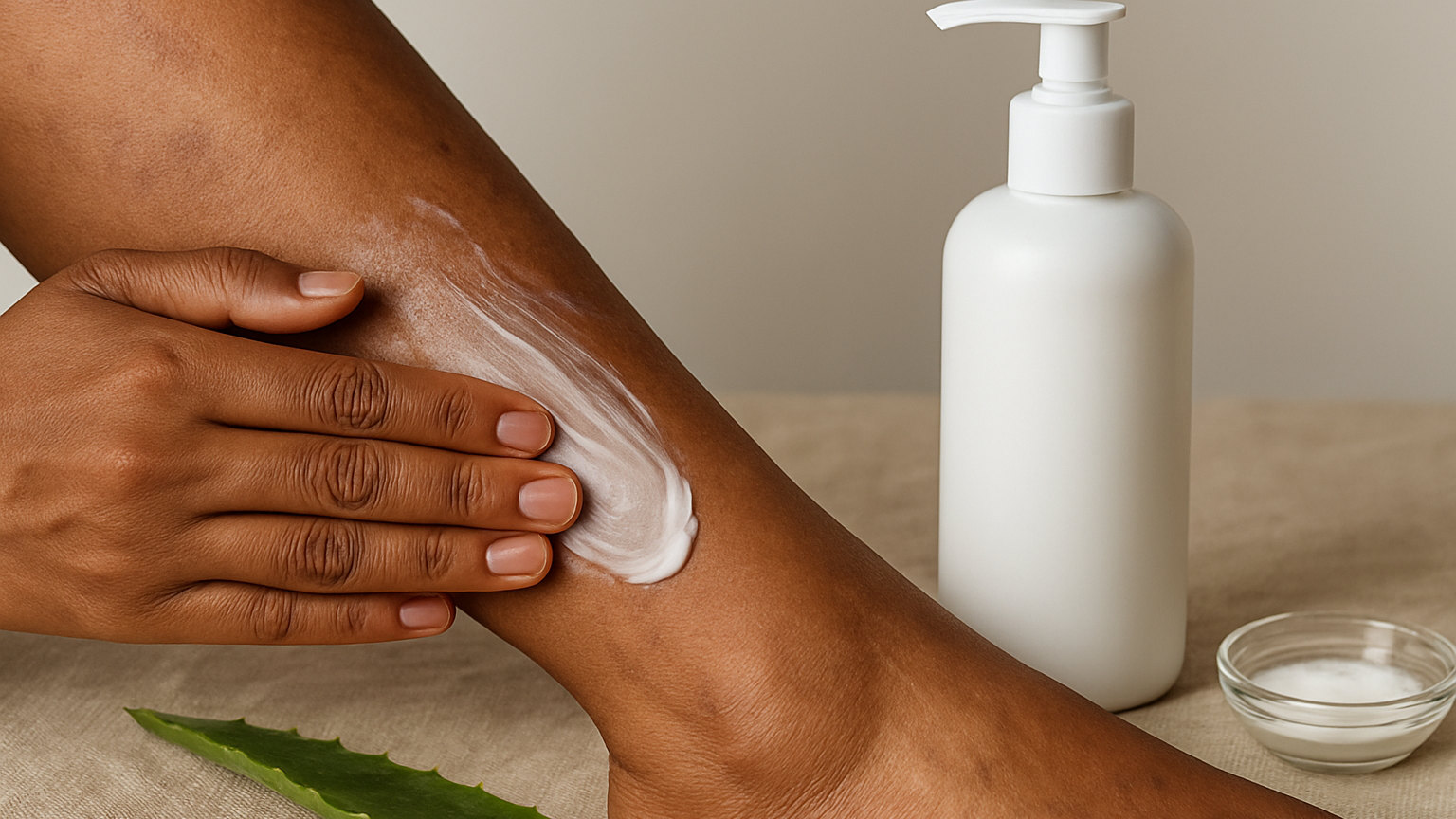
Arms are the area people notice roughness first, and several different things produce it, each needing something different.
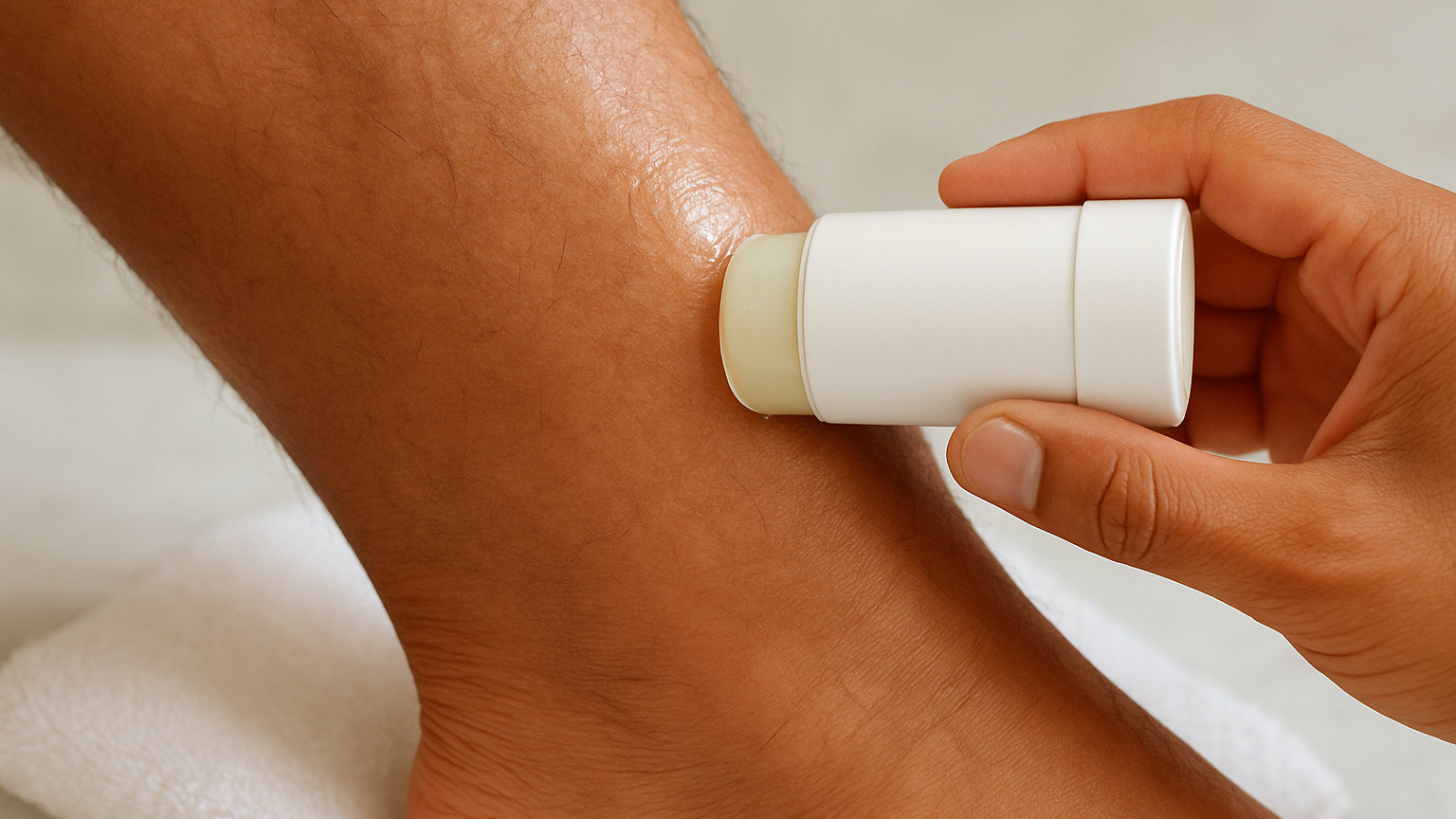
Chafing is friction damage, and the useful interventions all happen before it starts rather than after.
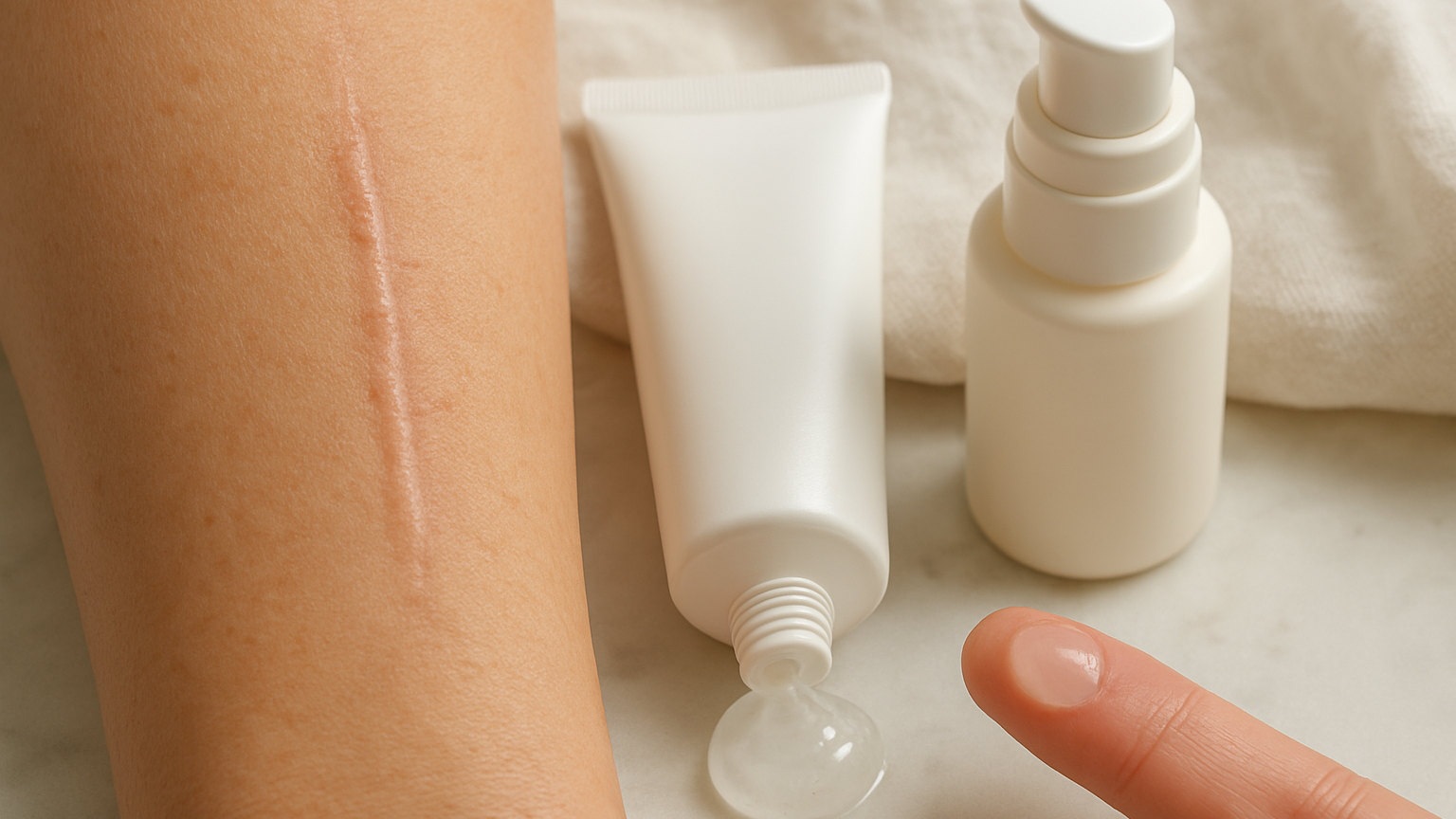
Scar treatment works best in the first year, and the evidence points to two simple things rather than the expensive ones.
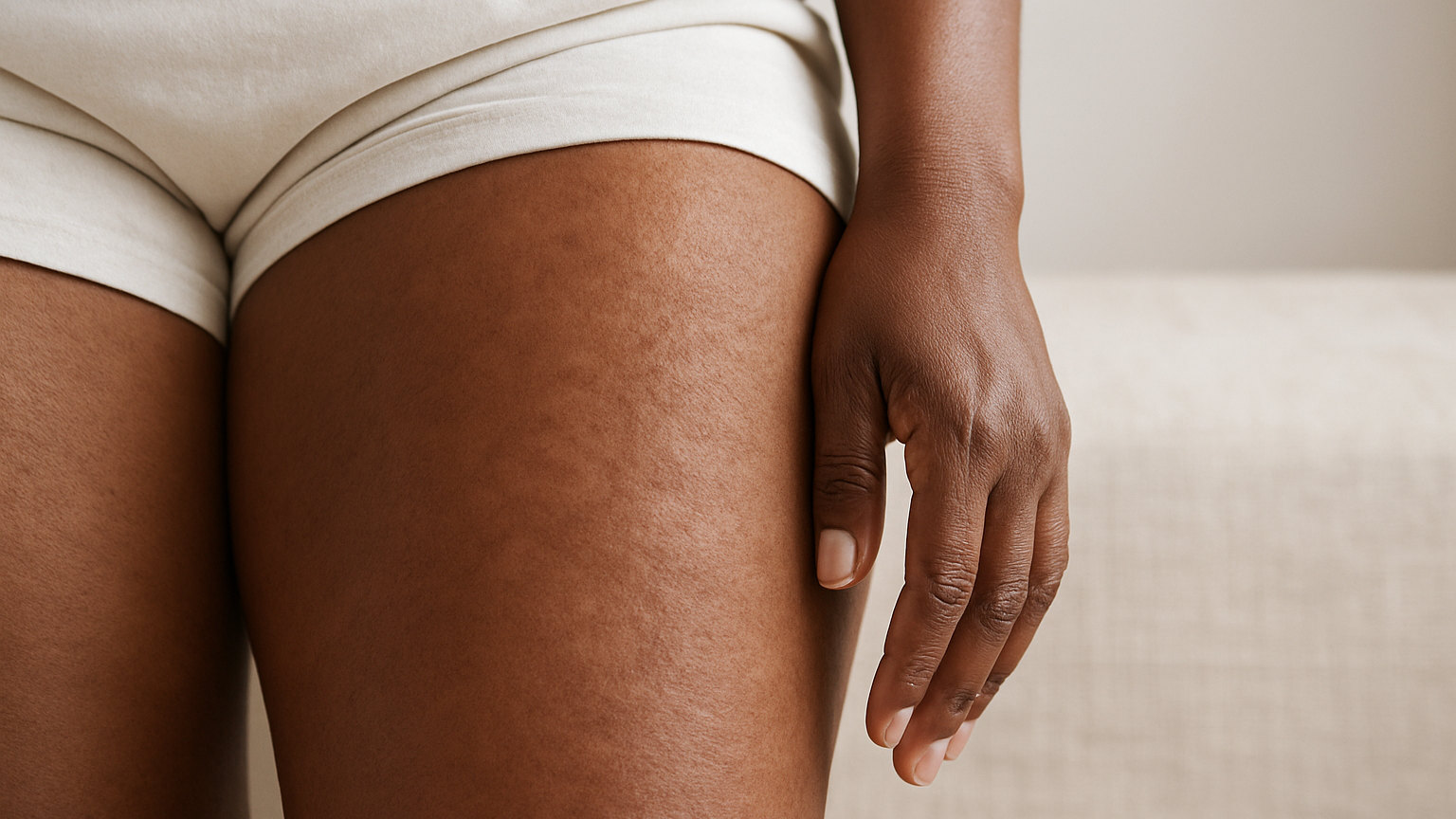
Cellulite is a structural feature of how most women are built rather than a condition, and almost everything sold to treat it does not.
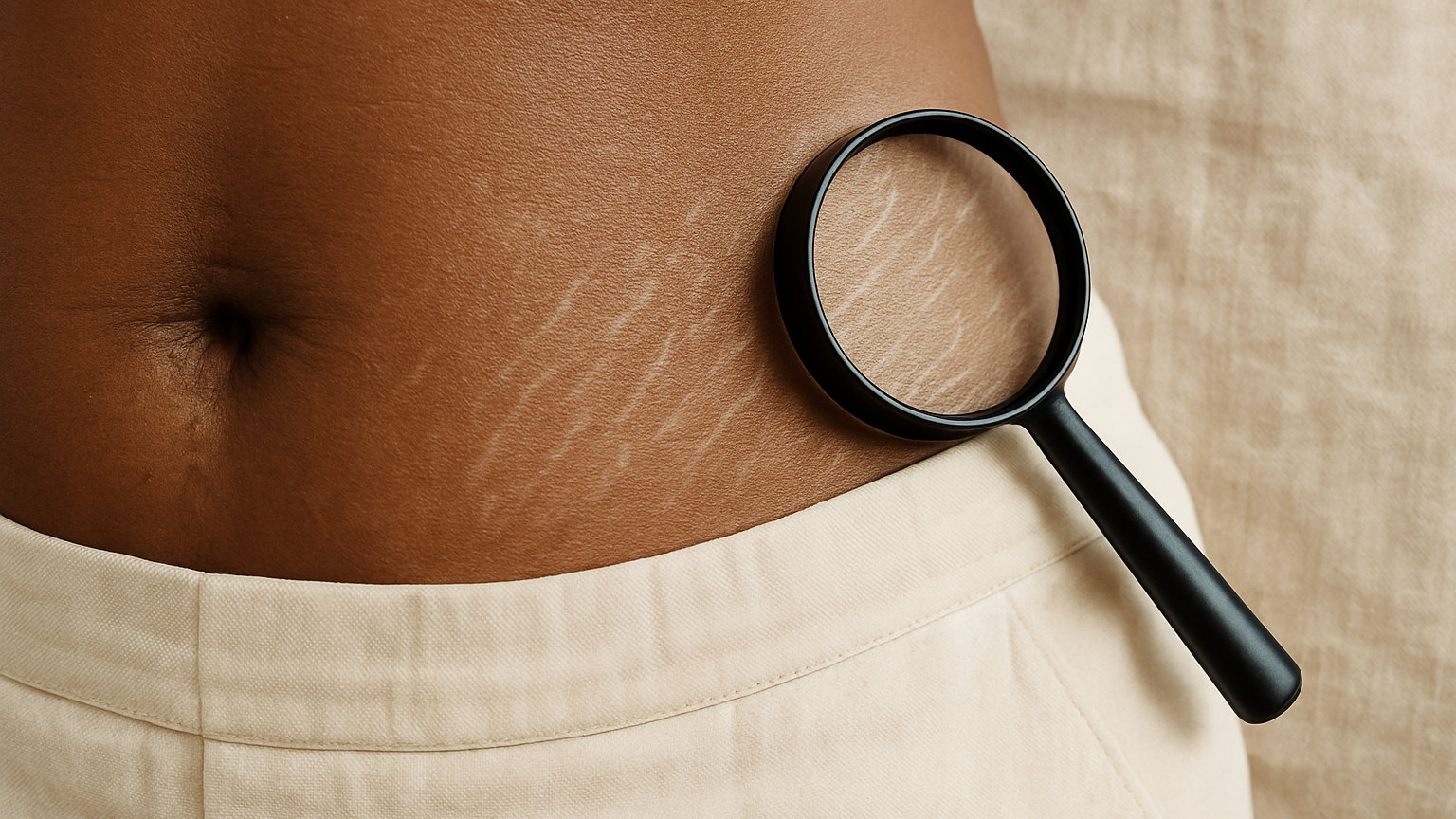
Stretch marks are scars in the dermis rather than surface marks, which is why creams disappoint and why treating them early works better.
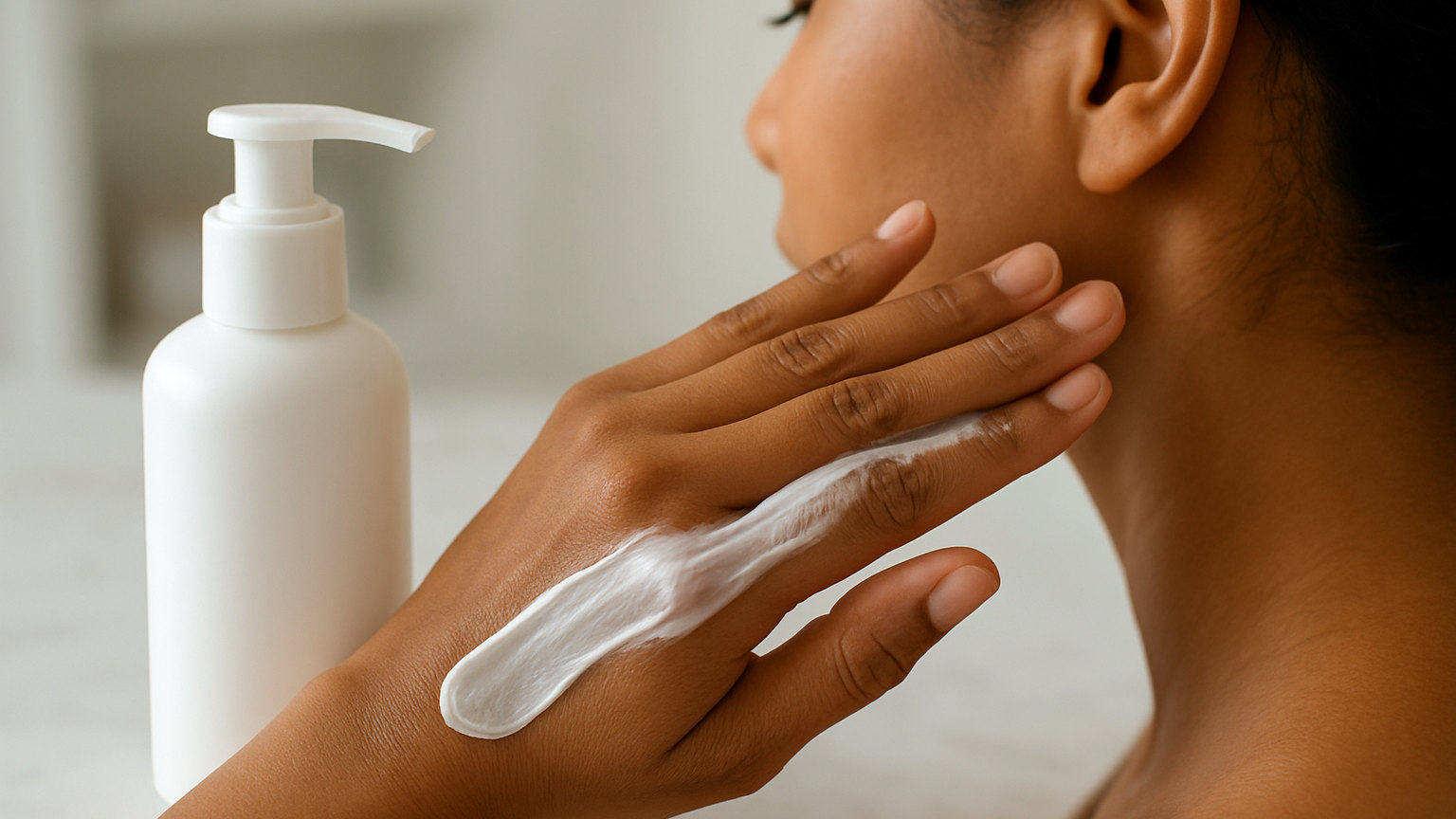
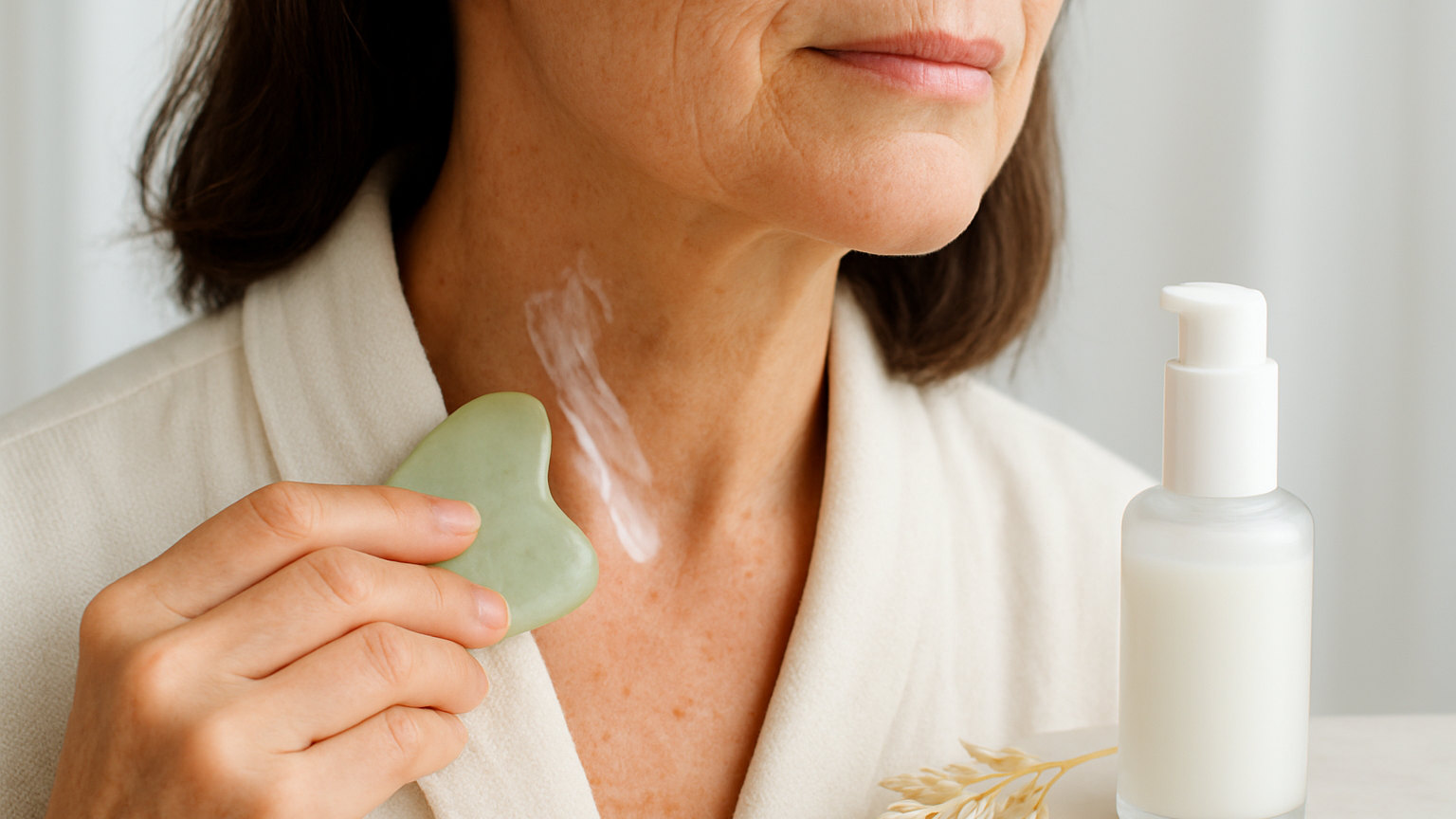
The neck and chest have thin skin, heavy sun exposure and decades of neglect, which is why they frequently look older than the face above them.
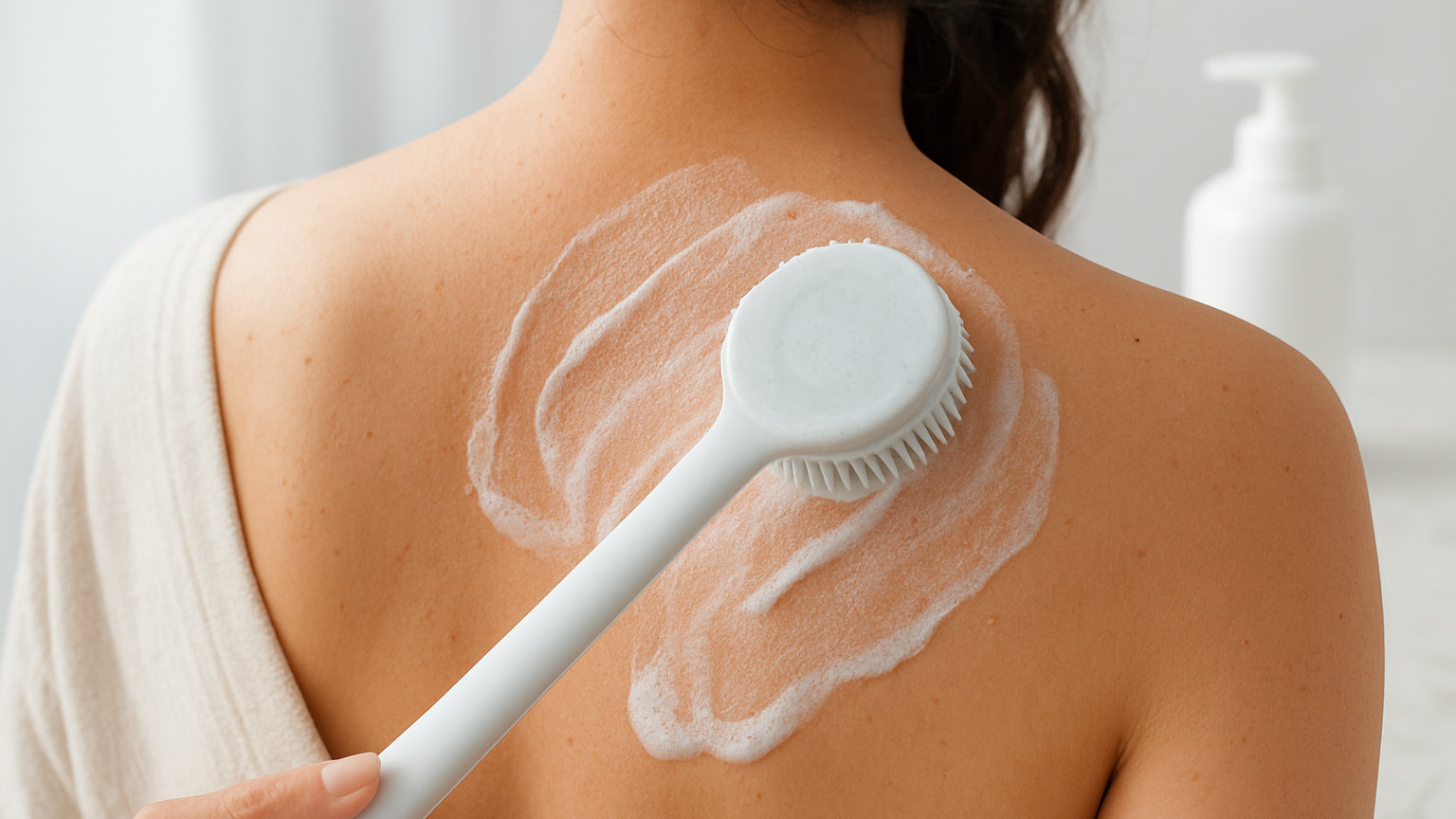
The back has the highest density of oil glands outside the face and the least attention, largely because you cannot reach it.
Most generalised itching is dry skin, and a small proportion is not, which makes knowing the difference worth the few minutes it takes.
Body exfoliation is the area where scrubbing survives longest, and it is doing considerably less than the acid alternatives.