Are Salon Manicures and Pedicures Safe?
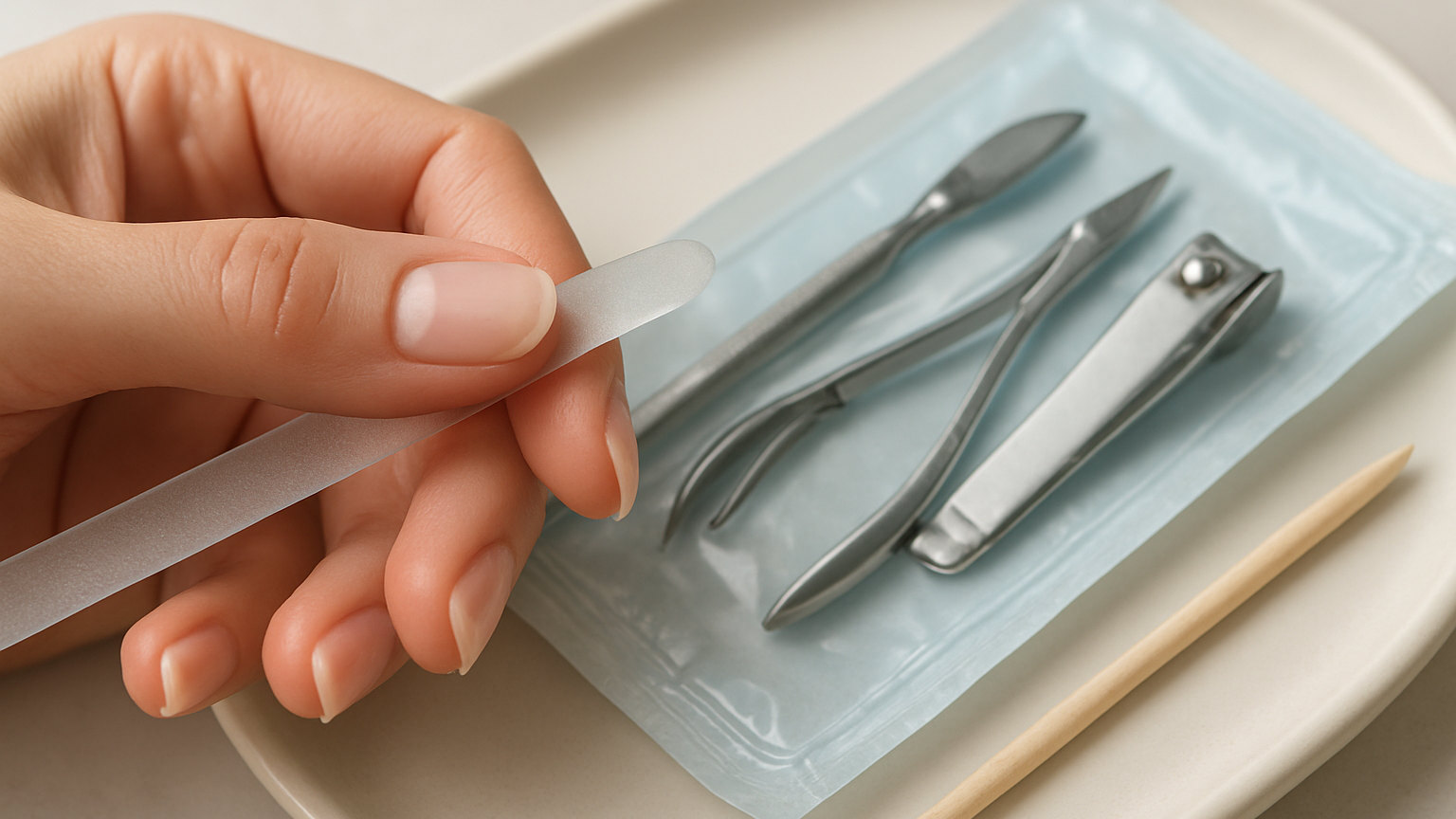
Most salon treatments are safe, and the ones that go wrong go wrong through poor sterilisation and over-enthusiastic filing.
By Beauty Advice Team
15 Jul 2026

Strengthening weak nails, cuticle care, gel and acrylic damage, biting and picking, and what nail changes are worth a GP visit.
Most salon treatments are safe, and the ones that go wrong go wrong through poor sterilisation and over-enthusiastic filing.
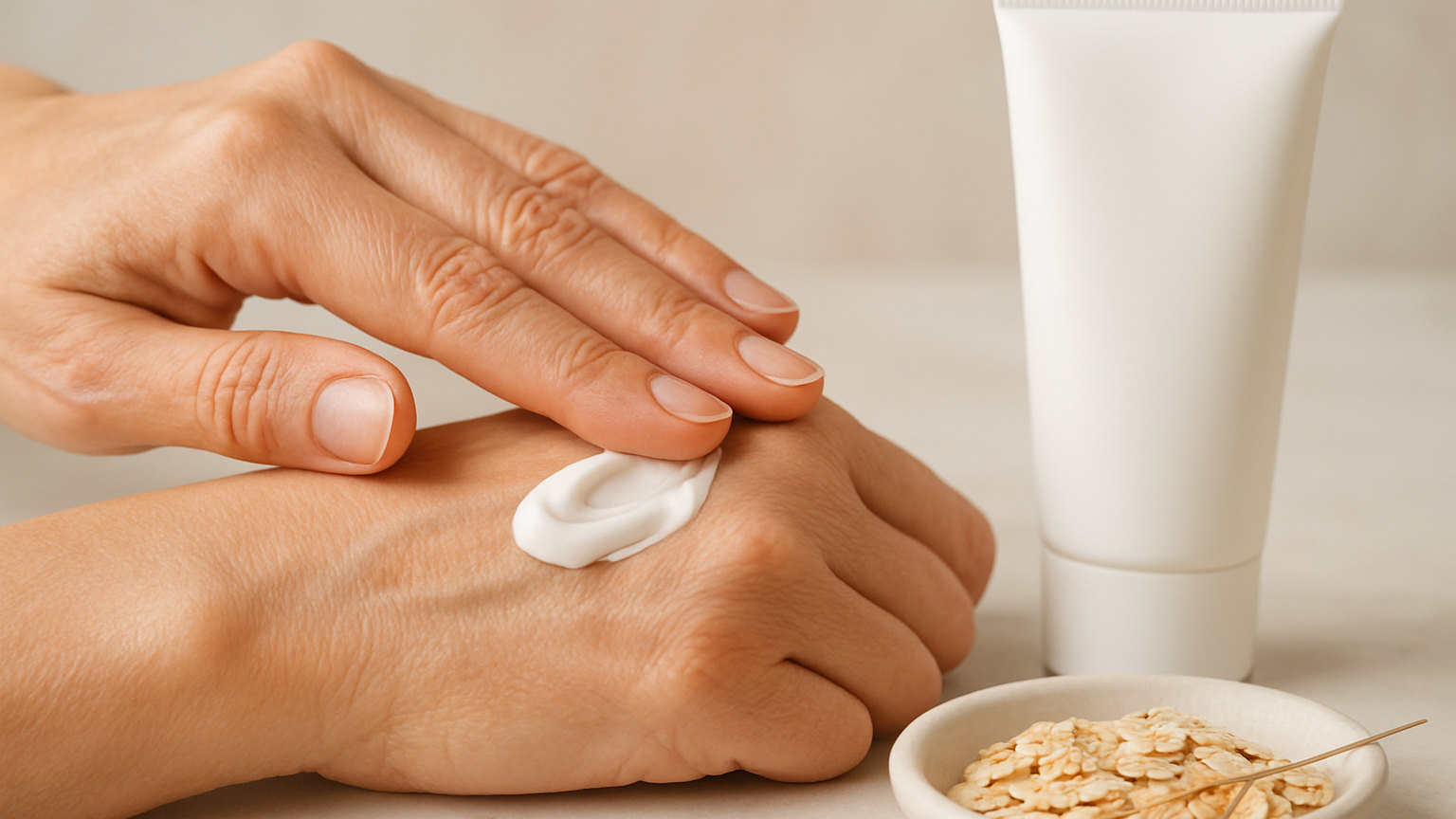
Winter combines cold outdoor air, dry indoor heating and more hand washing, which is why hands crack in December and not in July.
Nails grow more slowly than people expect, which explains why damage takes months to disappear and why nothing you apply speeds it up much.
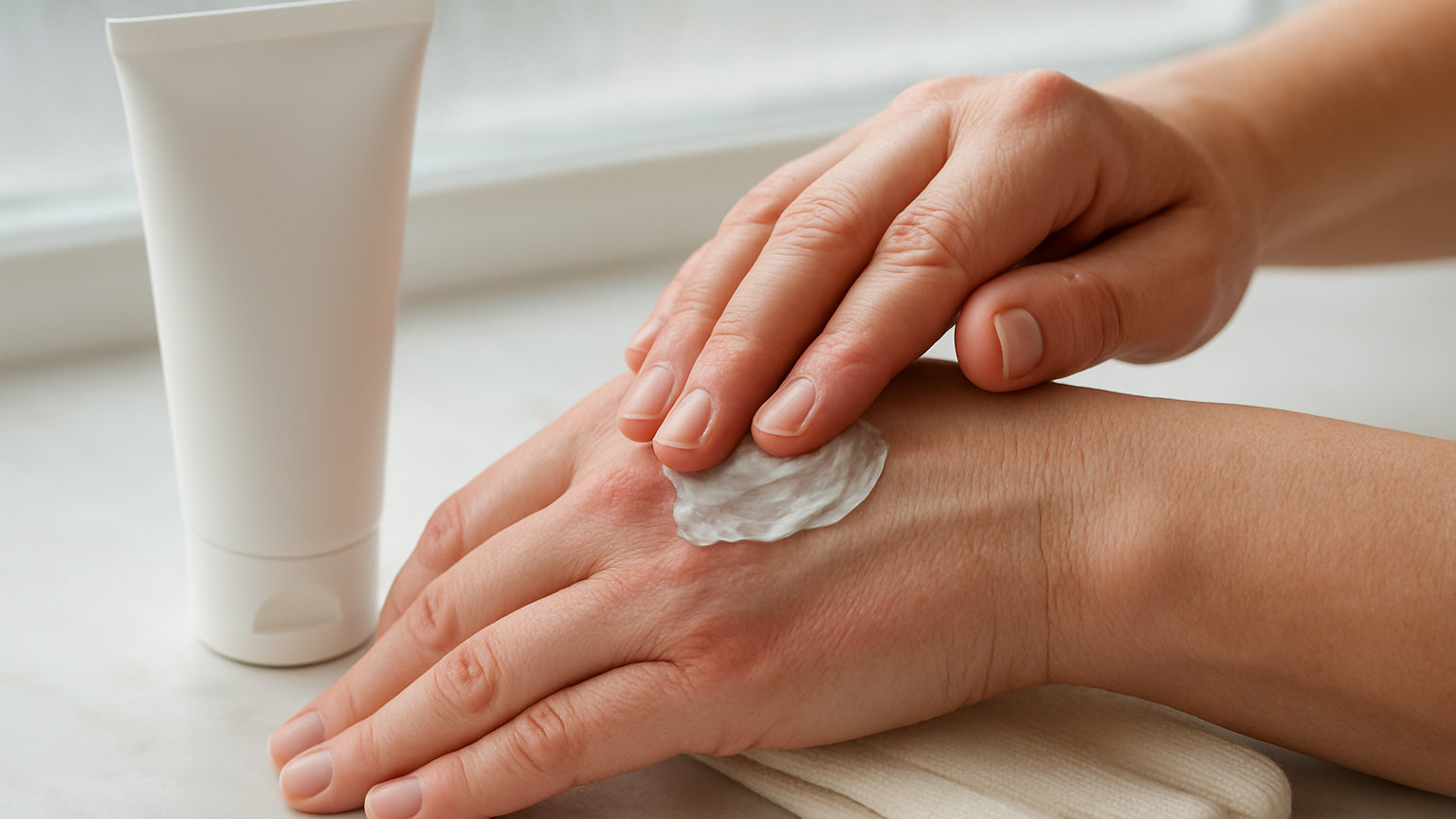
Hand creams work, and the difference between an effective one and a pleasant one is entirely in the ingredient list rather than the price.
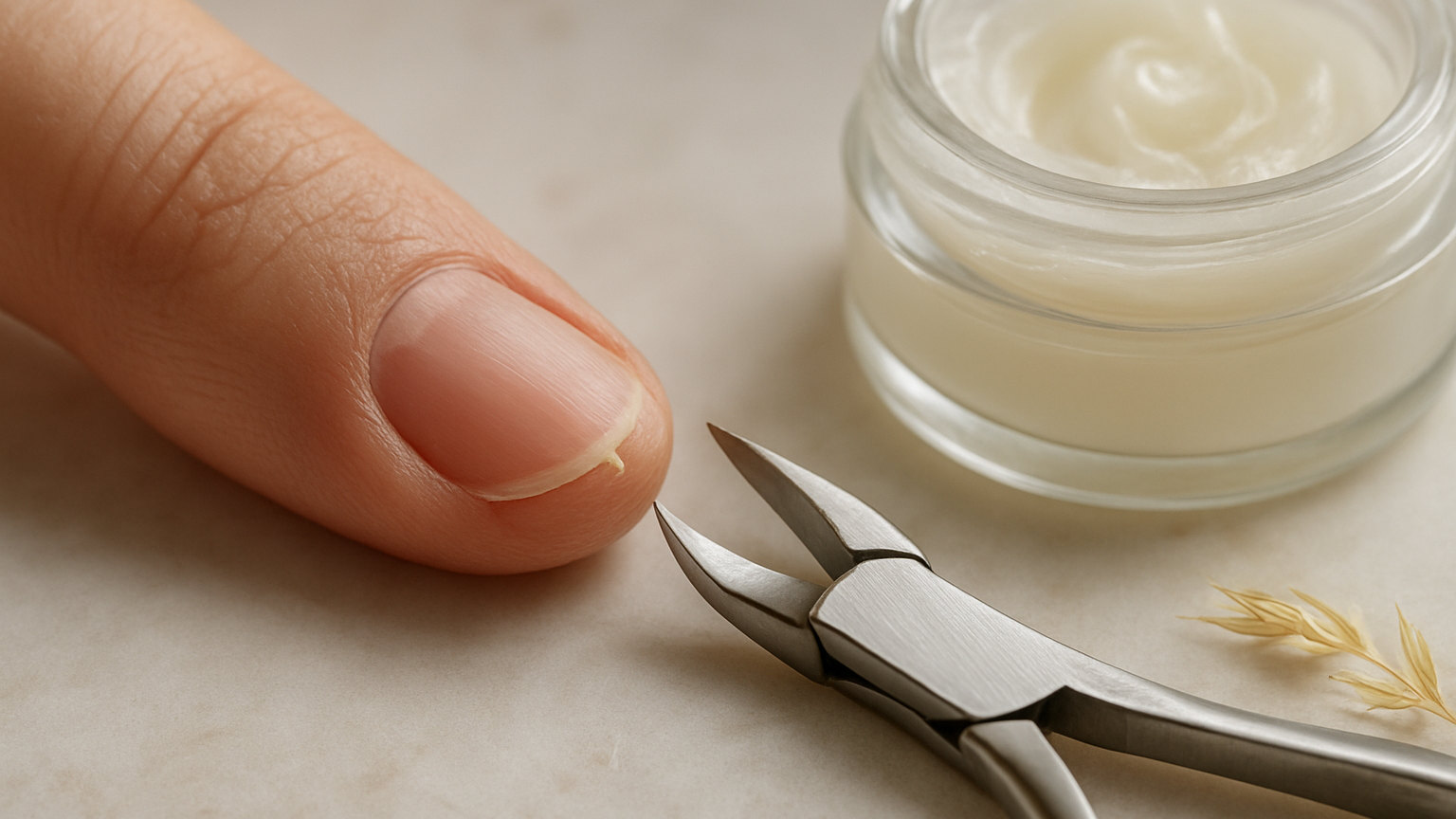
Hangnails are a dryness problem, and the two things people do about them, pulling and cutting, are what turn them into infections.
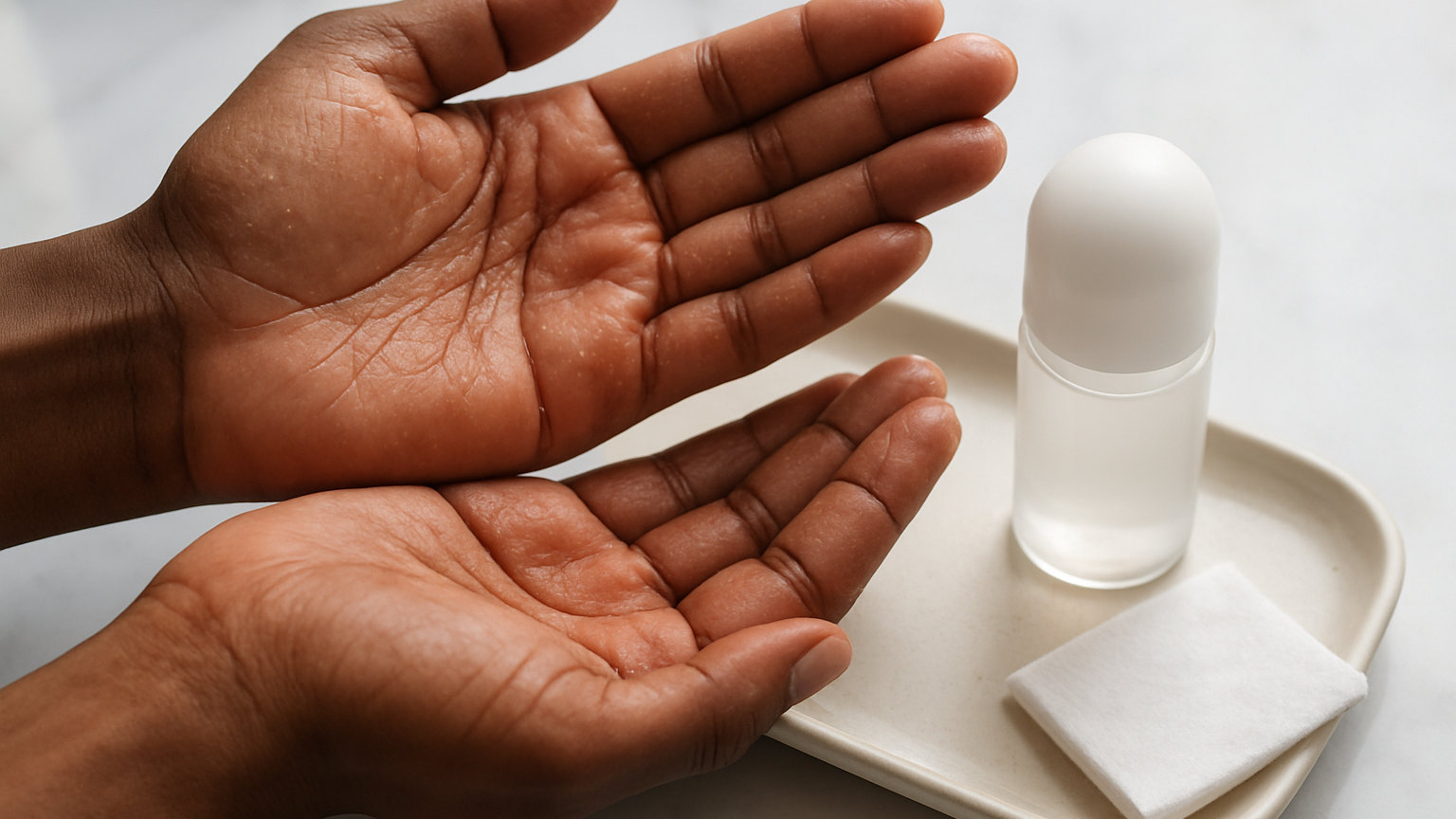
Excessive sweating of the palms is a recognised medical condition with several effective treatments, and most people who have it never mention it.
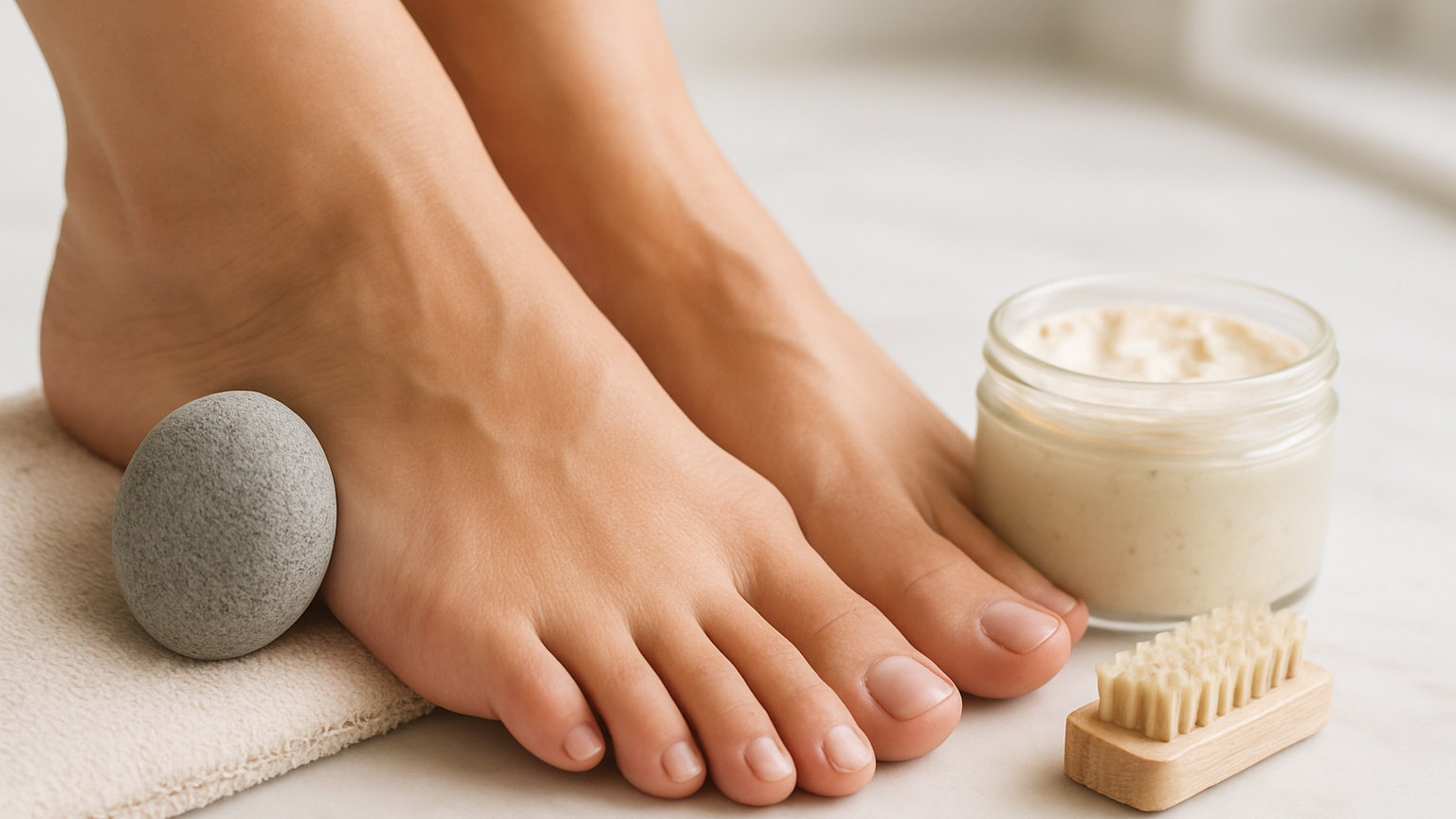
Feet are the most neglected part of most routines and the part where neglect causes actual problems rather than cosmetic ones.
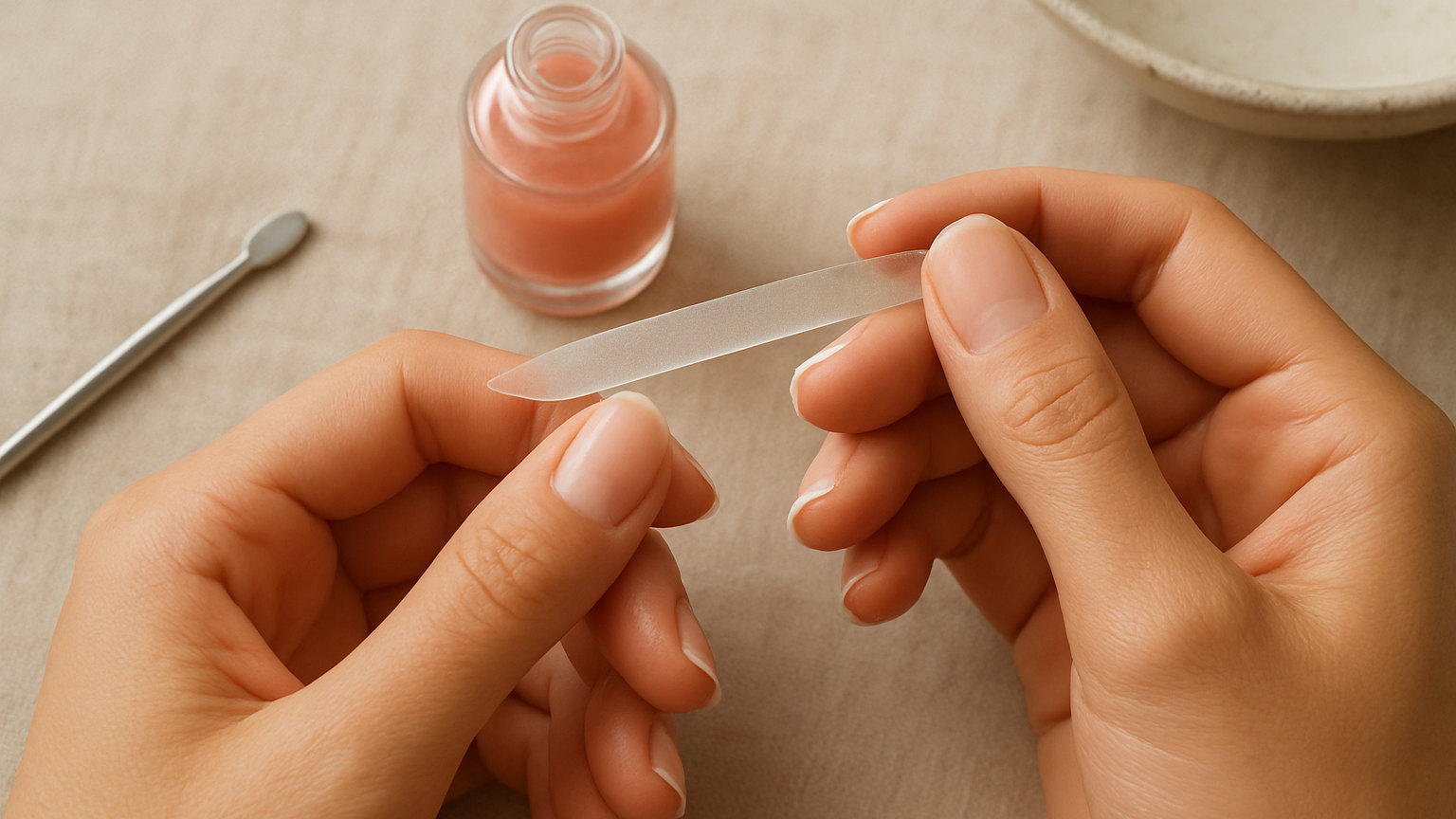
The steps that make a home manicure last are the preparation and the thin coats, not the polish.
Nail biting is a body-focused repetitive behaviour rather than a bad habit, and the approaches that work treat it as one.
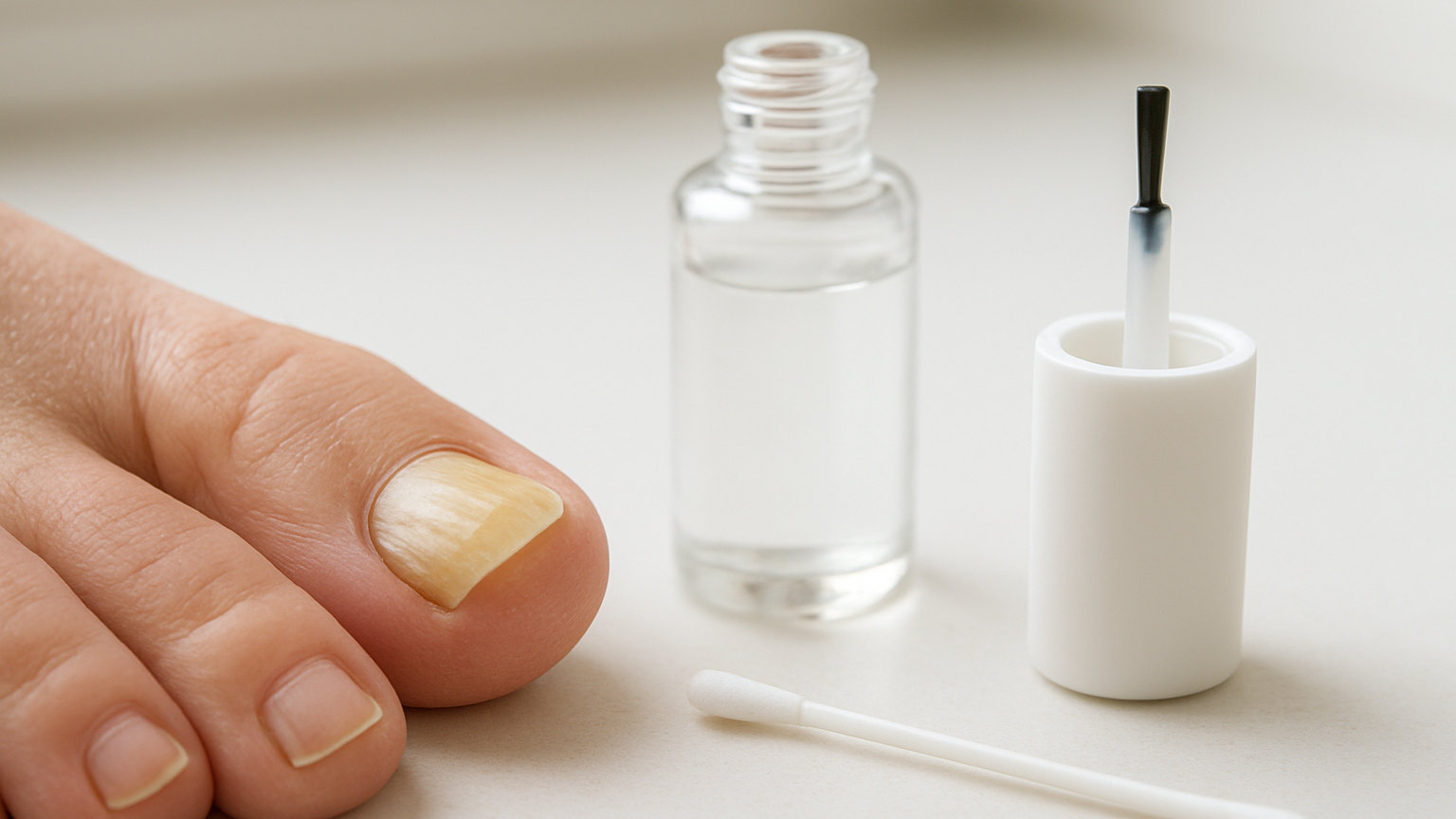
Fungal nail infection is common, slow to treat and frequently misdiagnosed, and confirming it before starting matters because treatment takes a year.
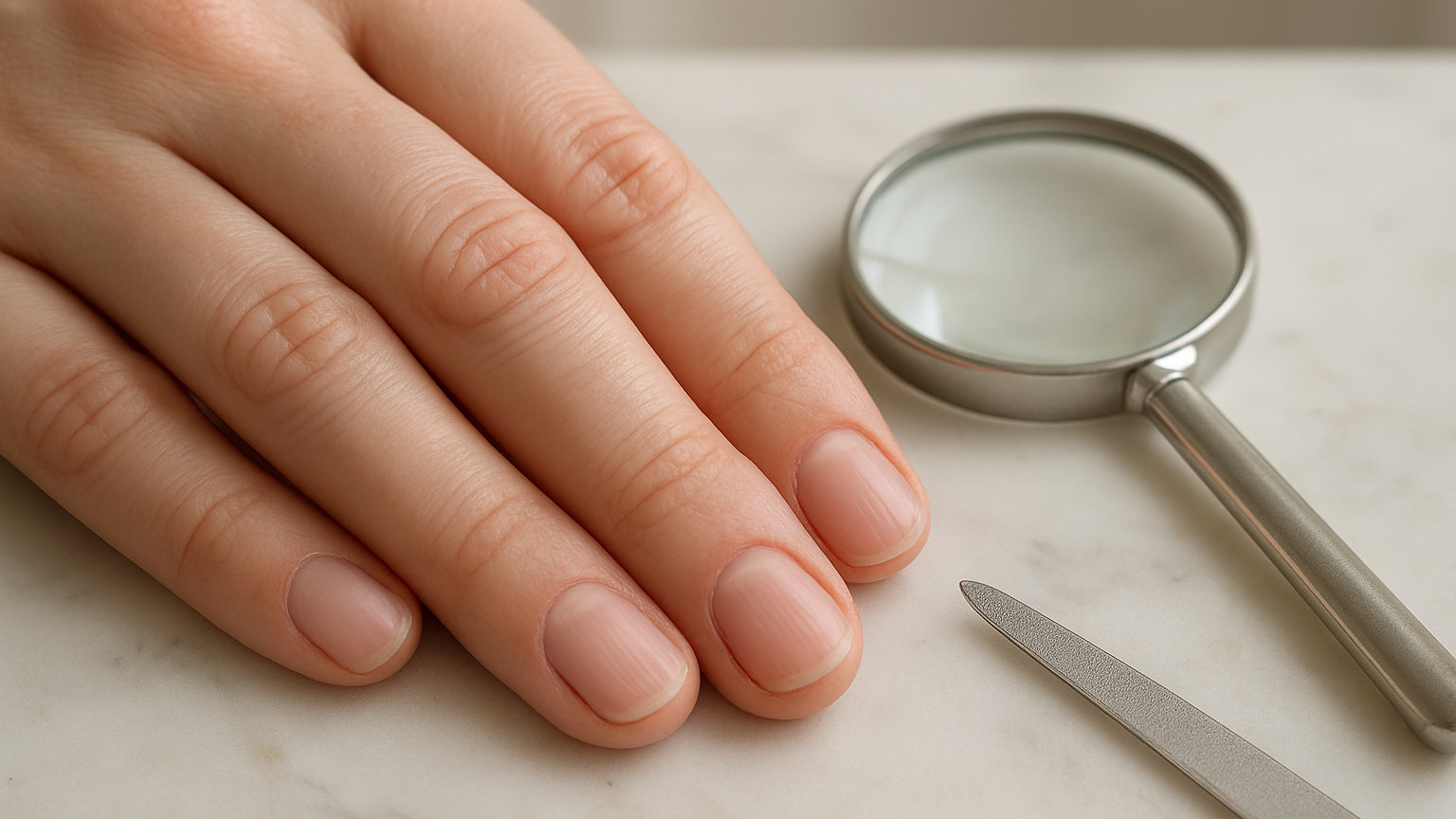
Most nail markings are harmless and a few are worth acting on, and telling them apart is mostly a matter of whether one nail is affected or all of them.
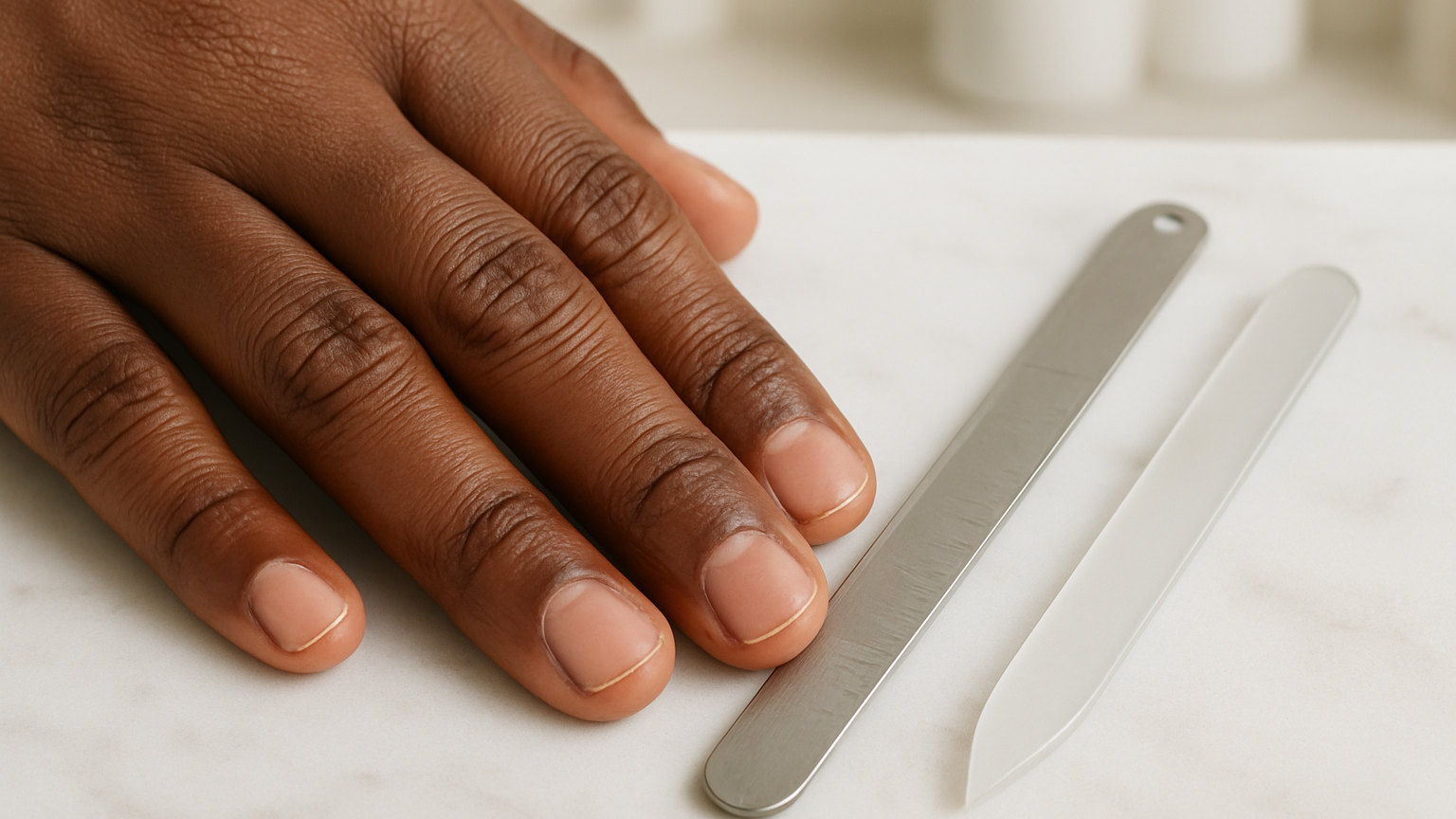
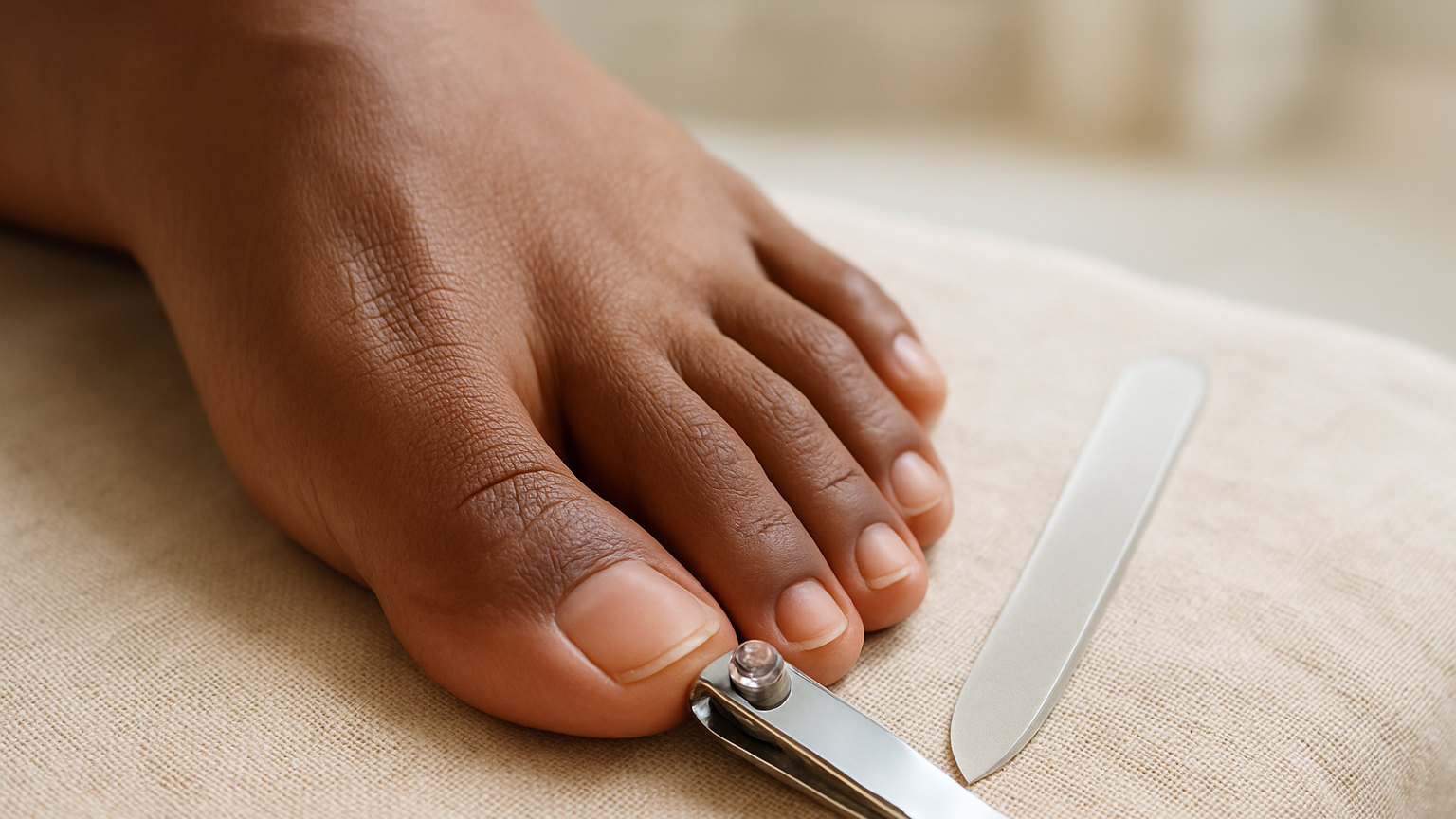
Nails split at the corners and ingrow at the toes for the same reason, and both come down to the shape they are cut into.