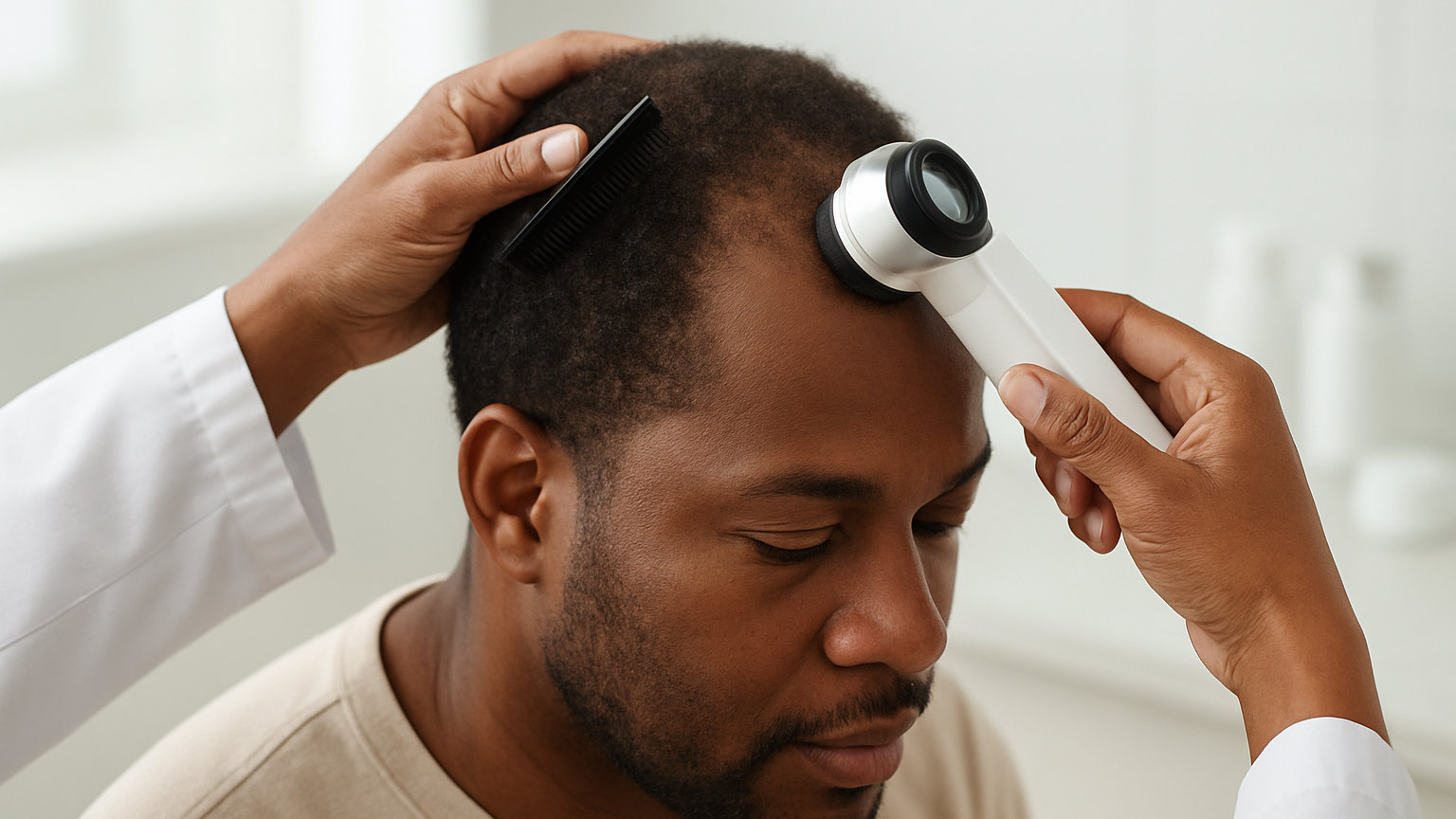
What Happens at a Hair Loss Appointment?
Knowing what will be asked and which tests to request makes a ten-minute appointment considerably more productive than it would otherwise be.
By Beauty Advice Team
5 Apr 2026

Male and female pattern loss, shedding after illness or stress, and the treatments with evidence behind them - plus when to see a doctor.
Knowing what will be asked and which tests to request makes a ten-minute appointment considerably more productive than it would otherwise be.
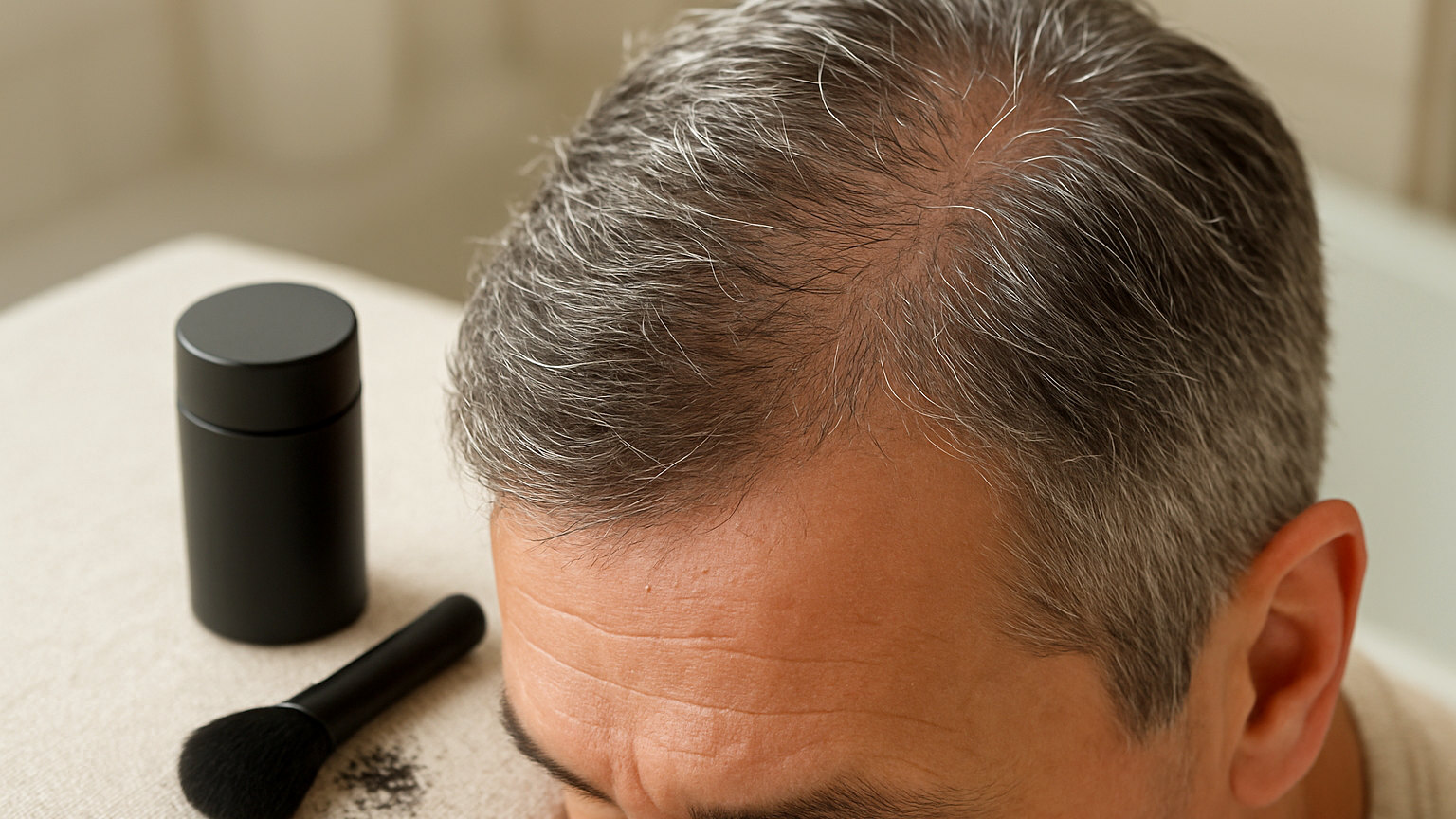
Concealing thinning is not a substitute for treating it, and it works considerably better than most people expect while treatment takes effect.
Hair changes around menopause in several ways at once, and the thinning is only part of what people notice.
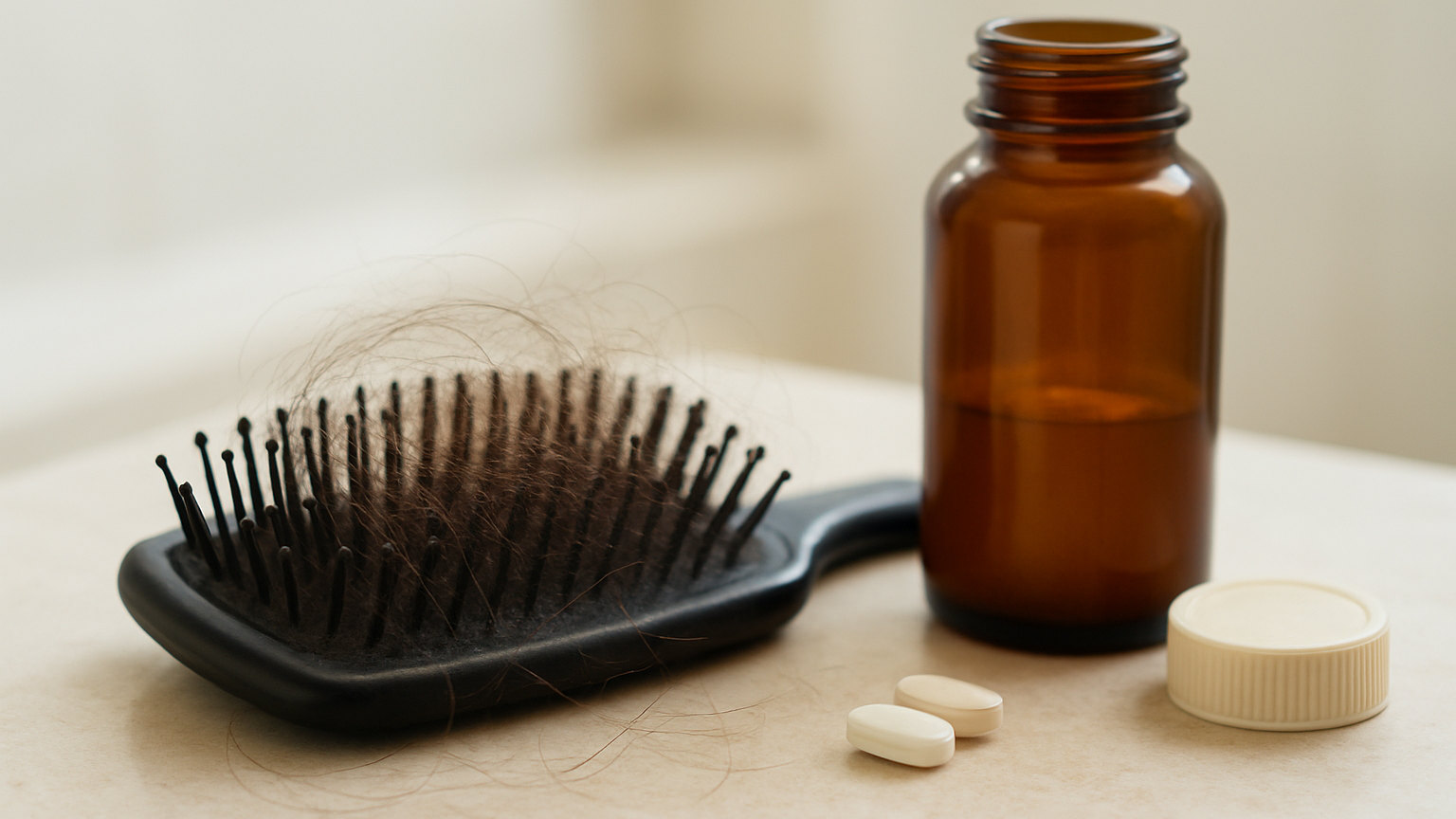
A number of common prescriptions cause shedding, usually with a delay long enough that people rarely connect the two.
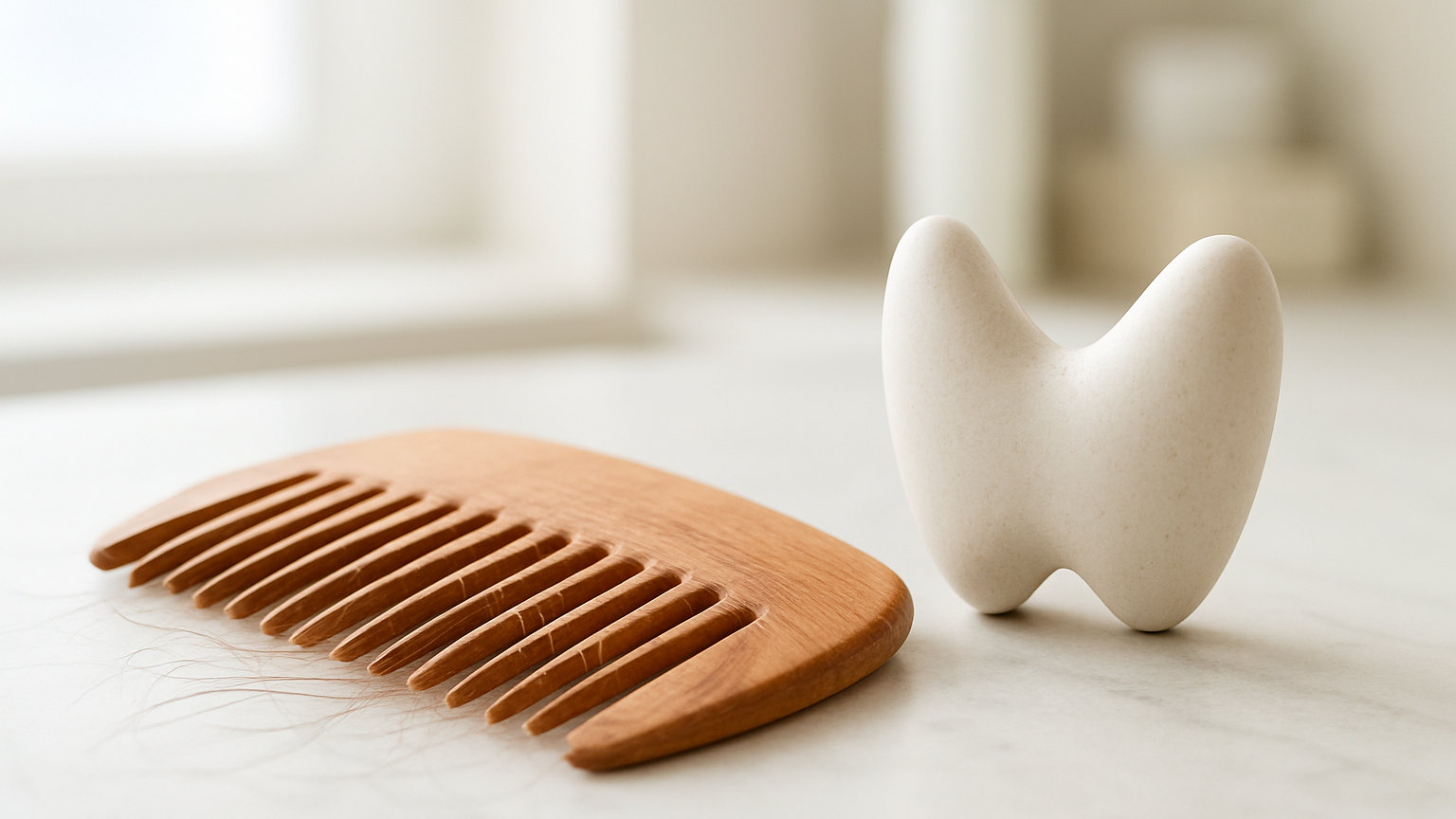
Both an underactive and an overactive thyroid cause hair loss, and it is often the symptom that finally prompts someone to get tested.
Round patches of complete hair loss appearing over days are a different condition entirely from thinning, and the follicles usually survive.
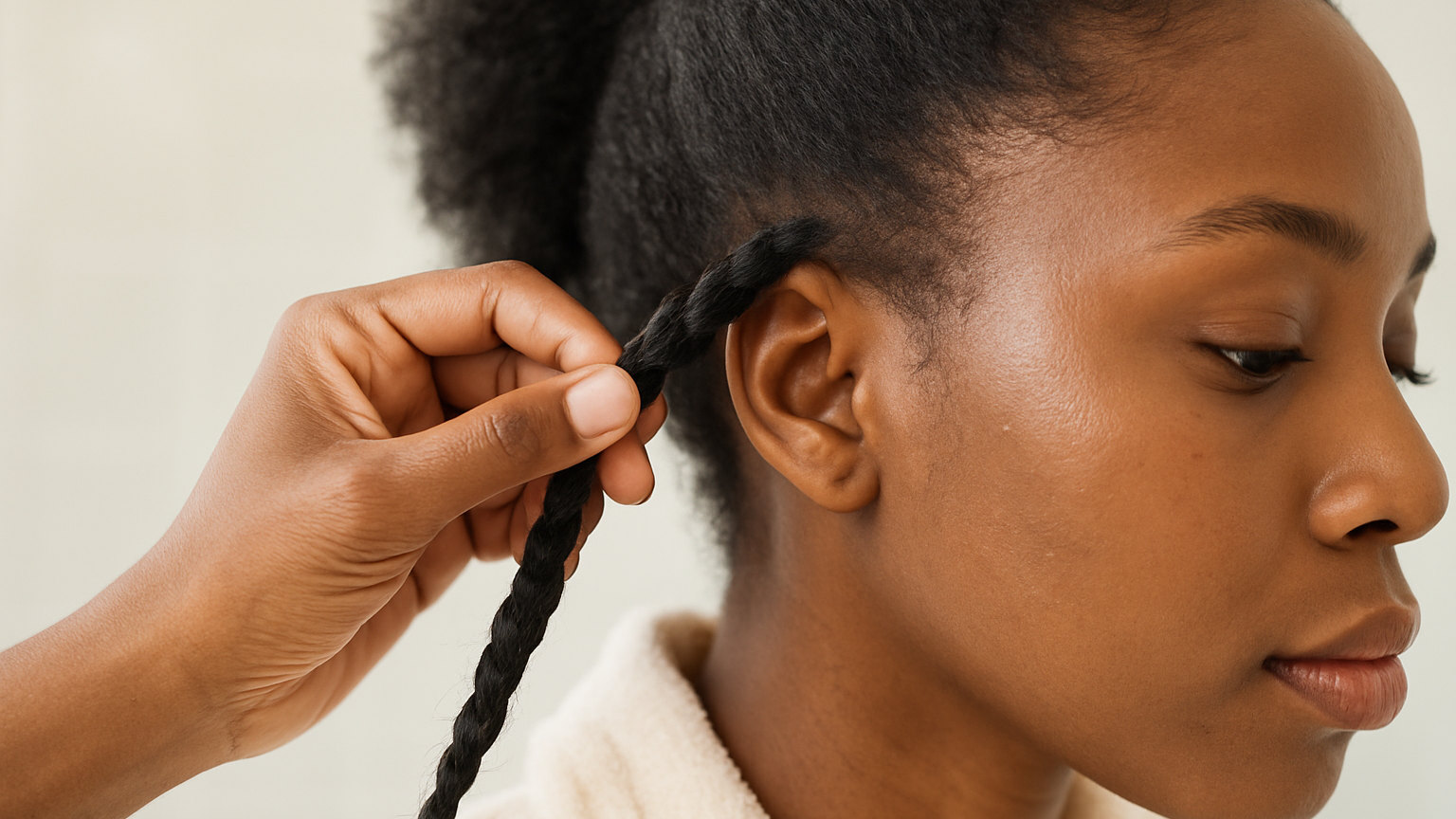
Traction alopecia is entirely preventable, largely reversible if caught early, and permanent if it is not, which makes recognising it early unusually valuable.
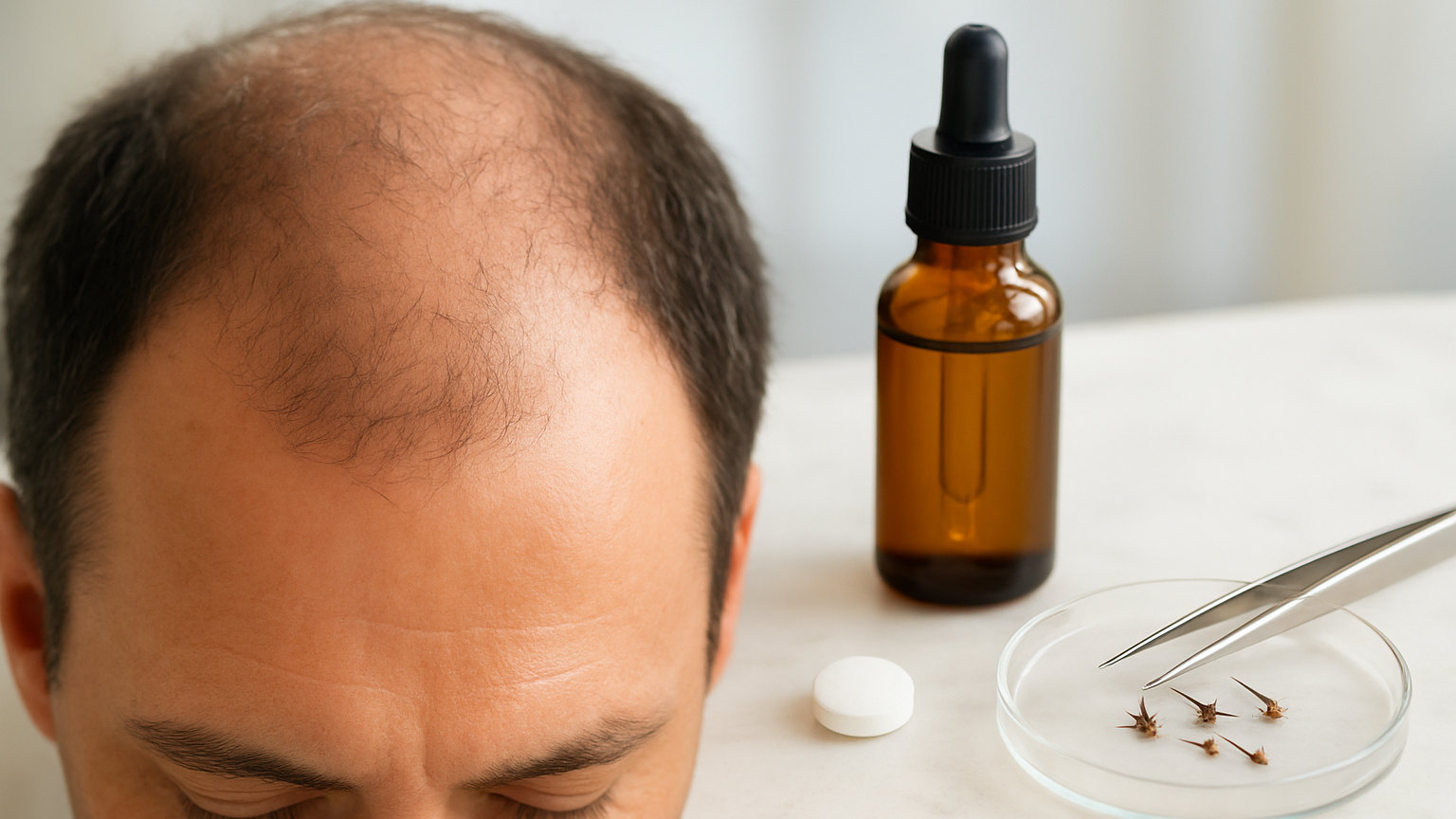
Two treatments have solid evidence, one procedure works permanently, and everything else on the market is competing for attention rather than results.
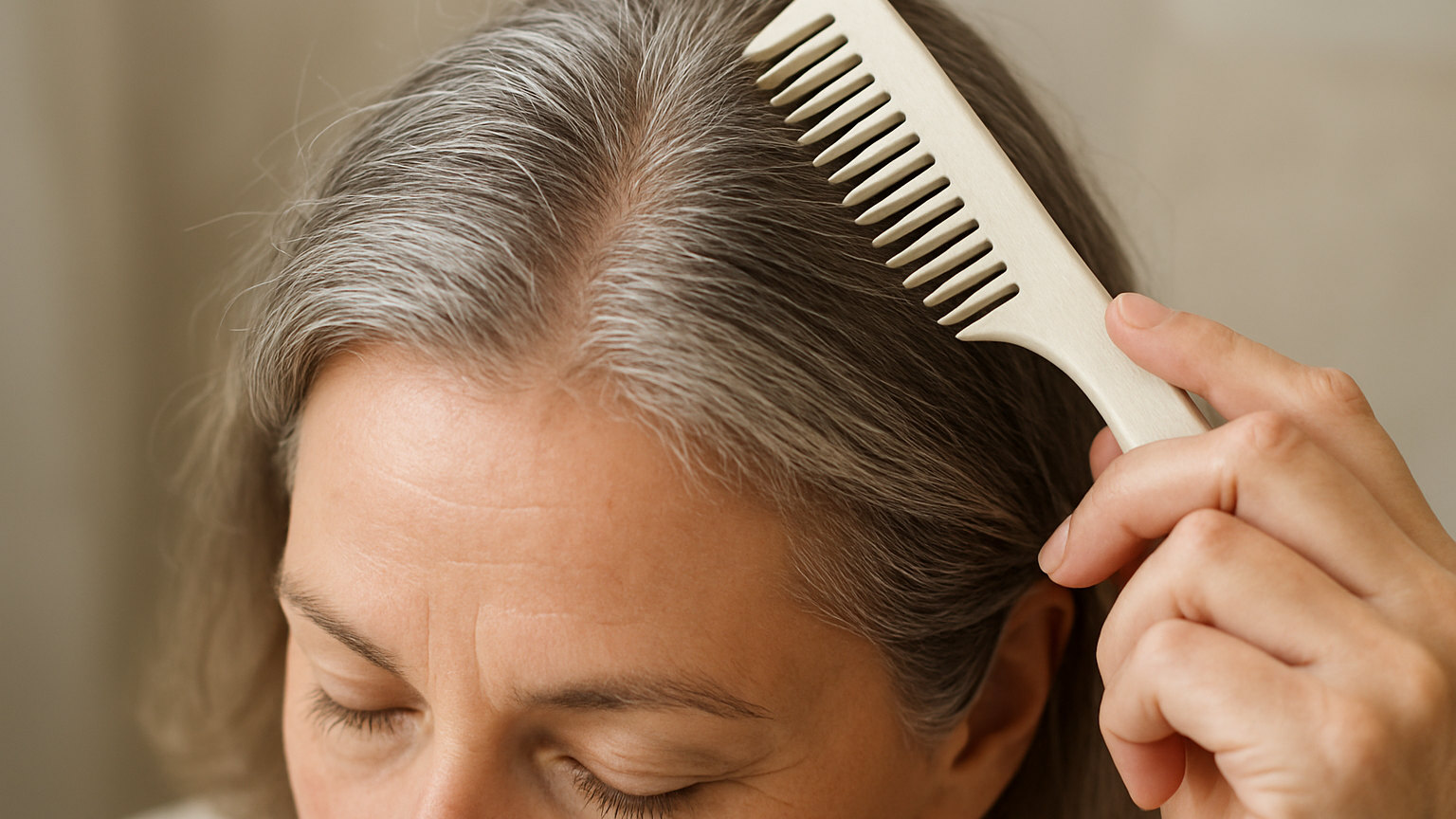
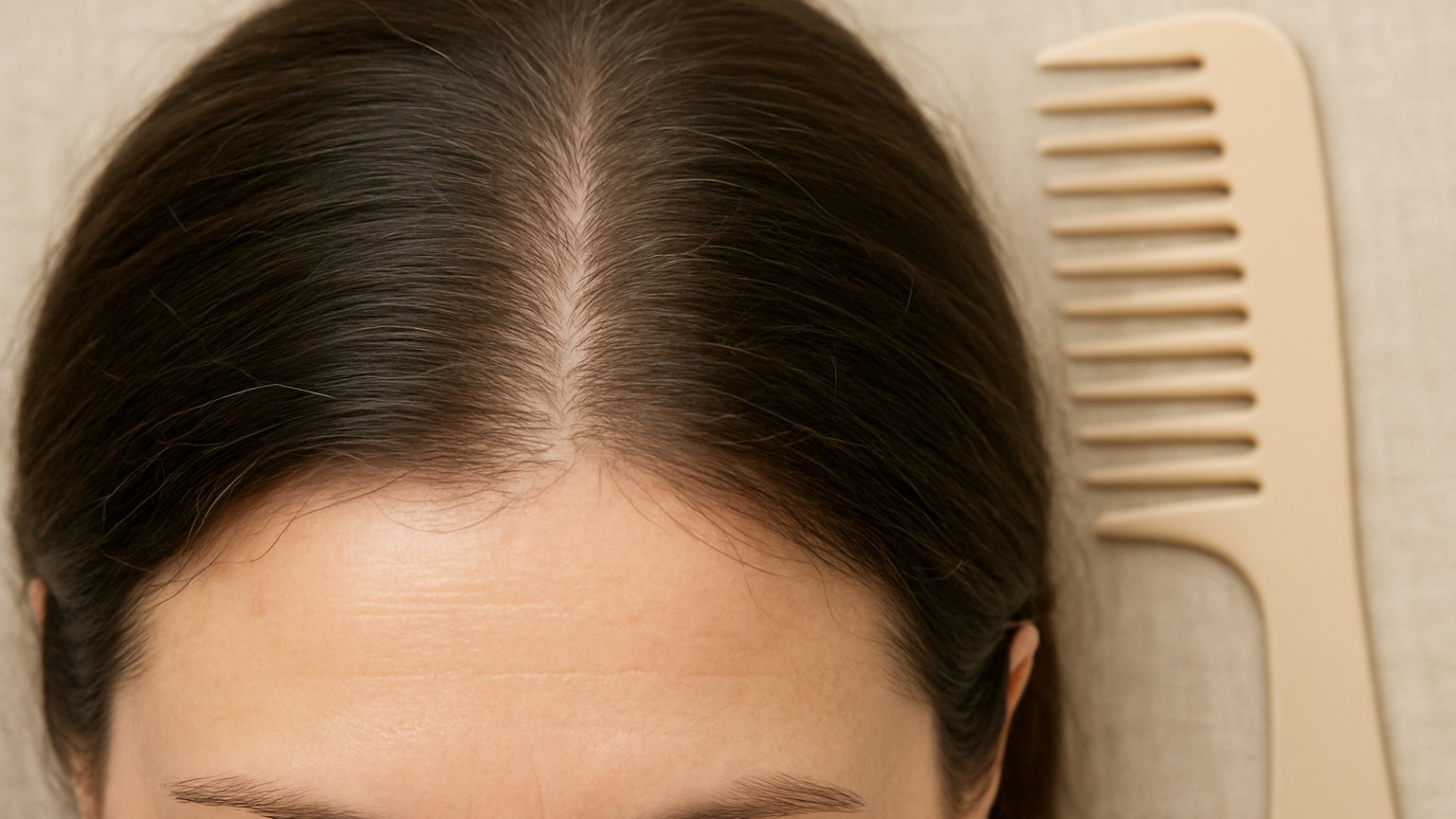
It is the most common cause of thinning in women and it looks nothing like male balding, which is part of why it is so often recognised late.
They work reliably for one specific situation and are close to useless for every other, and the packaging never distinguishes between the two.
It is one of the most common treatable causes of shedding and one of the most frequently missed, largely because the standard blood test can look normal.
Stress genuinely causes hair loss through three distinct mechanisms, and it is also the explanation people reach for when something more treatable is responsible.