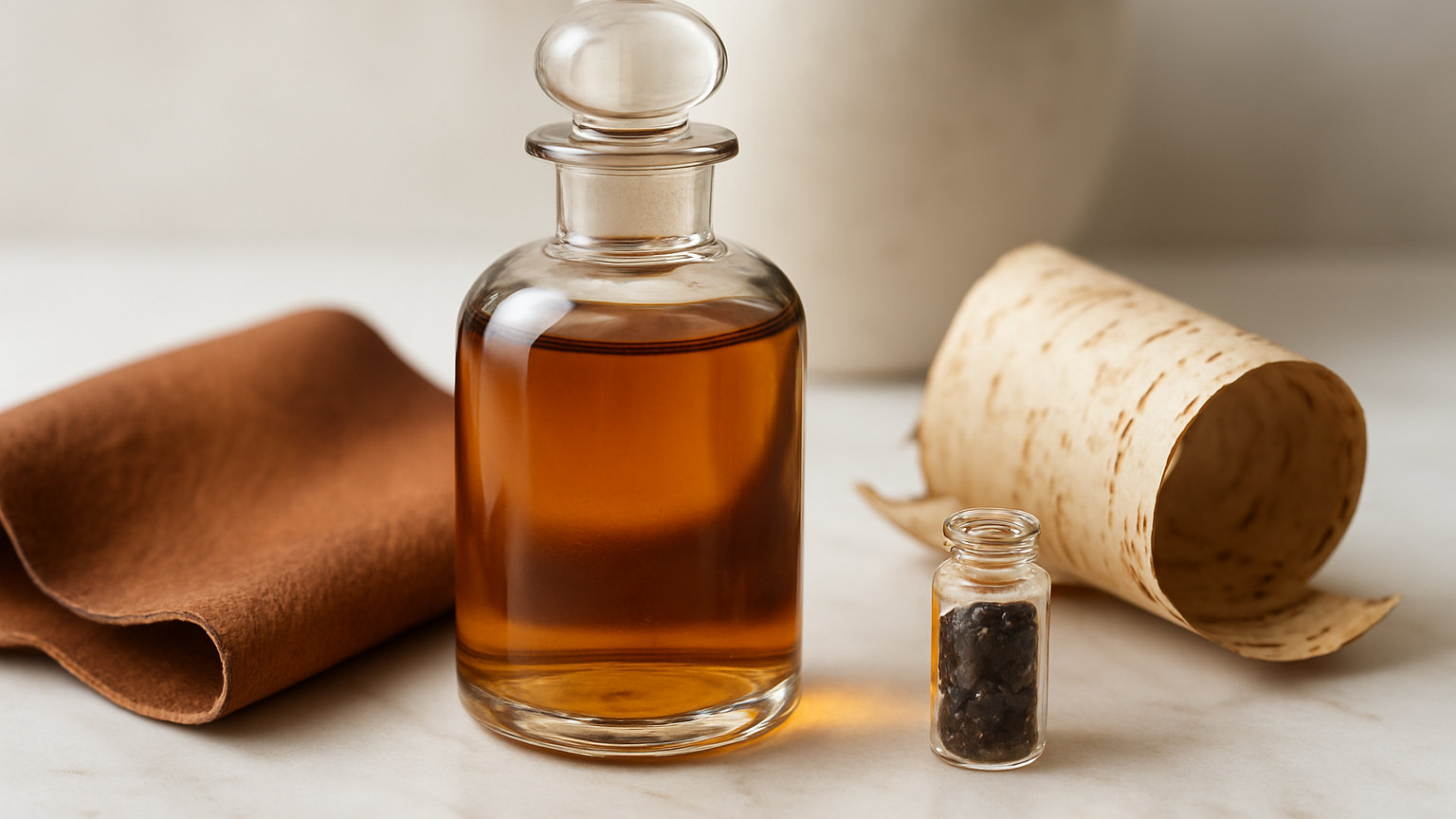
Exploring fragrance used to mean buying bottles and hoping. Sample and decant services have changed that entirely, and the cost of trying twenty fragrances properly is now less than the cost of one wrong bottle.
How do discovery sets work?
A house or a retailer sells a set of small samples, typically eight to twelve, covering a range of their fragrances.
Many deduct the cost from a subsequent full bottle purchase, which effectively makes the exploration free if you buy.
Independent decant services sell small quantities of fragrances from many houses, which is the most efficient way to compare across brands.
A two millilitre sample gives roughly twenty wears, which is enough to know properly.
How should you test?
One fragrance a day, worn normally, rather than several at once.
On skin rather than paper, since paper shows the composition without your chemistry.
For a full day, noting how it smells at one hour, four hours and eight.
In ordinary conditions rather than on an unusually hot or cold day.
Three or four at most in a shop, since olfactory fatigue sets in after that and everything afterwards registers poorly.
Is a scent journal worth keeping?
For anyone exploring seriously, yes, and it takes a minute per fragrance.
Note the name, the date, what you smelled at each stage, how long it lasted and whether anyone commented.
Patterns emerge quickly: you will find you consistently like one material and dislike another, which is the information that narrows the field.
Without notes, twenty samples become a blur, which is the commonest way exploration wastes effort.
How do you build a vocabulary?
Learn the names of individual materials rather than fragrance names.
Buy or smell single materials where you can: essential oils, spices, woods and resins from a kitchen or a health shop cover a surprising number.
Smell things deliberately: coffee, cut grass, wet stone, leather, tobacco, old books.
Six or seven materials you can name and recognise is enough to describe what you want to anyone, which is worth more than any amount of reading.
How do you avoid narrowing too early?
A single bad encounter shapes preferences disproportionately, and most people rule out entire families on the strength of one fragrance.
Families are broad. Disliking a heavy tuberose says nothing about a green floral; disliking a sweet gourmand says nothing about a coffee one.
Retest anything you dismissed years ago, since preferences shift with age and with what you have been wearing.
Try one thing deliberately from a family you believe you dislike, roughly once a year.
What resources are useful?
Fragrance databases listing notes, families and reformulation history, which are the most useful reference available.
Reviews describing what people smell rather than how it makes them feel.
Counter assistants, who are genuinely knowledgeable and respond better to a description of what you like than to a request for what is popular.
Independent perfumeries, which stock across houses and have no incentive to push a single brand.
How do you avoid spending too much?
Sample before every bottle, without exception.
Buy thirty or fifty millilitres rather than a hundred, since an opened bottle degrades over three to five years and most people cannot finish a large one.
Wait a week after deciding, which eliminates most impulse purchases.
Split bottles with someone, which is common practice in fragrance communities.
And accept that some exploration will be wasted, which is the cost of finding what you like.
What is the point of all this?
Scent attaches to memory more directly than any other sense, so a fragrance worn through a period of your life carries it permanently.
That is a good reason to choose deliberately rather than by accident, and a good reason not to treat it as a purchase to get right first time.
Exploring is most of the enjoyment, and the destination is less interesting than people assume.
And there is no obligation to wear any of it, which is worth saying at the end of a category devoted to it.