What Should a Foot Care Routine Include?
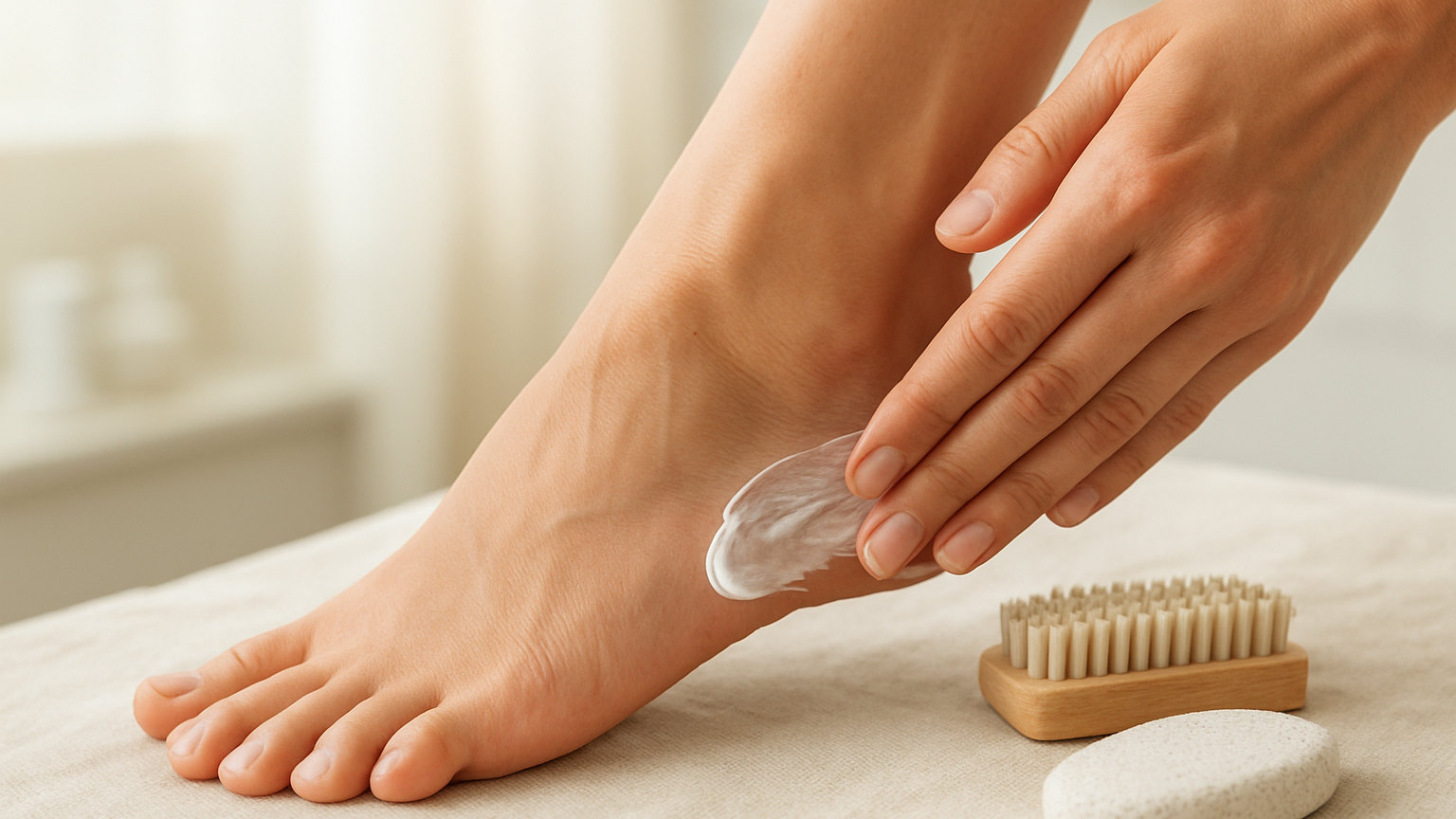
Feet need less attention than most routines suggest and more than they usually get, and the difference is about five minutes a week.
By Beauty Advice Team
20 Jun 2026

Hard skin and cracked heels, athlete's foot and fungal nails, blisters and odour, and keeping feet comfortable in summer shoes.
Feet need less attention than most routines suggest and more than they usually get, and the difference is about five minutes a week.
Standing on hard floors for eight hours is a mechanical load, and the fixes are footwear, surfaces and small changes in how you stand.
Cold feet are usually normal circulation doing its job, and a few patterns point toward something worth investigating.
Diabetes changes foot care from cosmetic to genuinely important, and a daily check takes a minute.
Ingrown toenails come from how the nail is cut and what it is pressed into, and digging at the corner is what turns a sore toe into an infection.
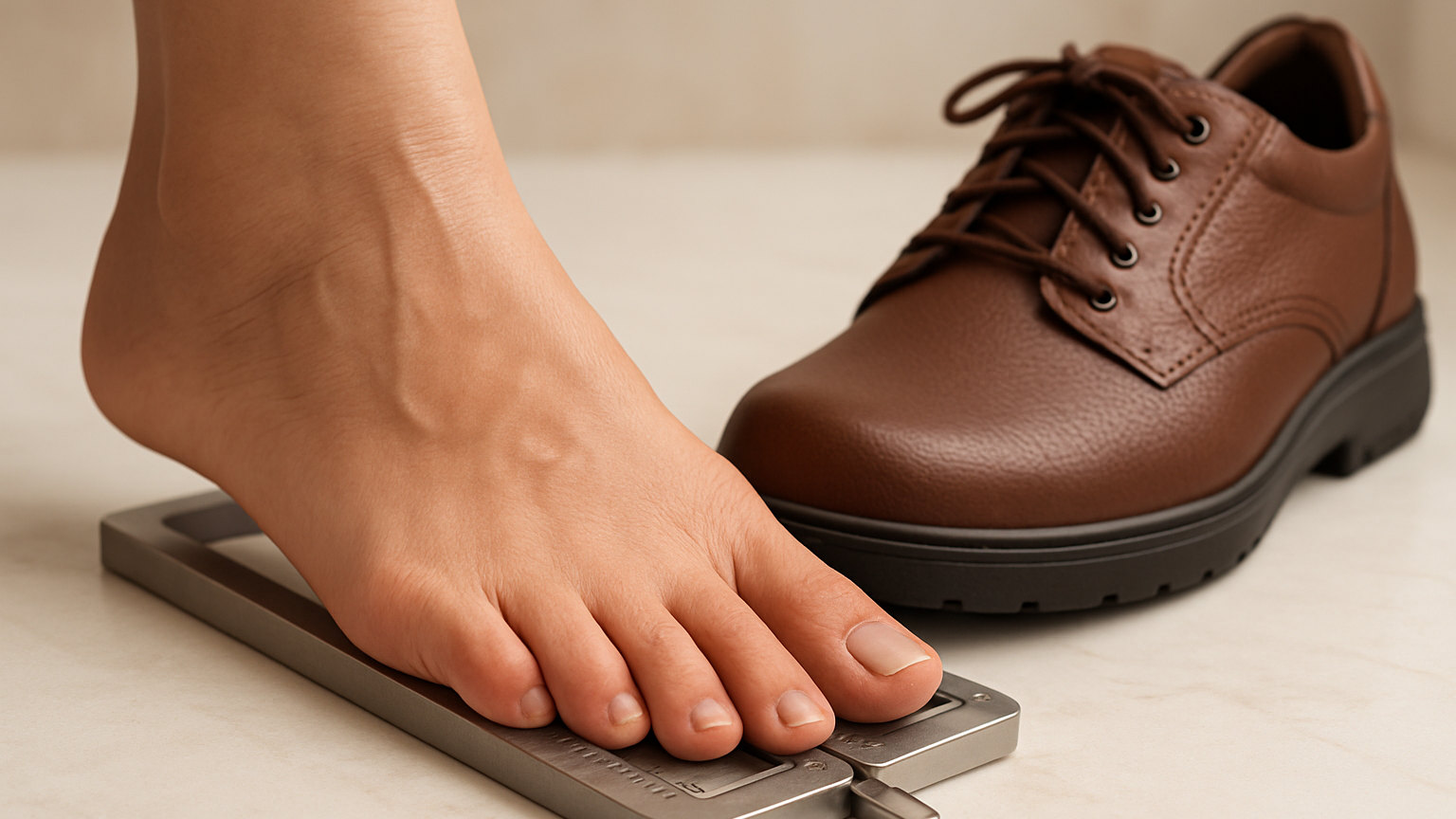
Feet get longer, wider and flatter across adult life, and most people are still buying the size they wore at twenty-five.
Both are the skin protecting itself from pressure, which means removing them without removing the pressure guarantees they return.
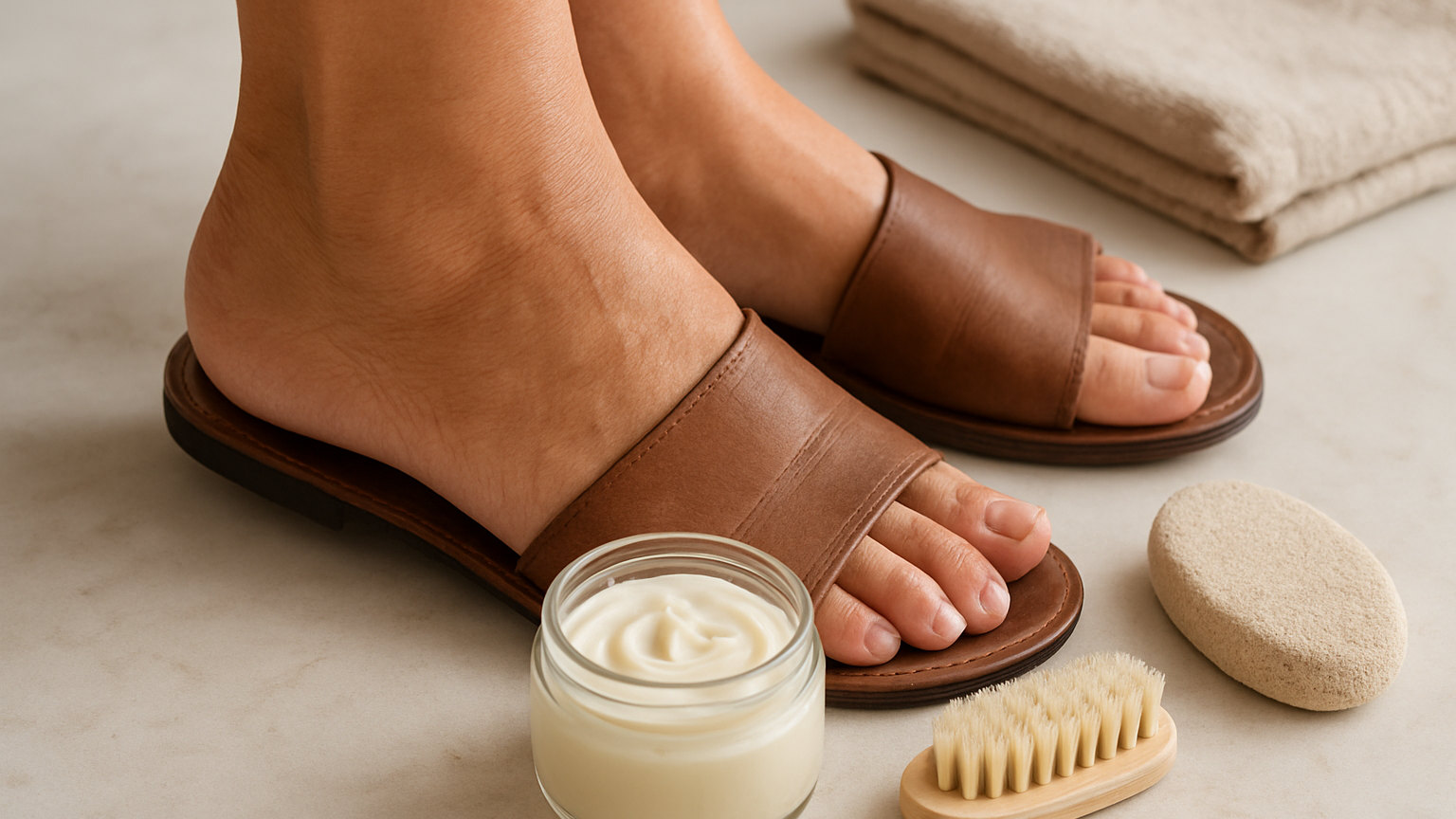
Summer footwear causes a specific set of problems, and sandals are behind more of them than the heat is.
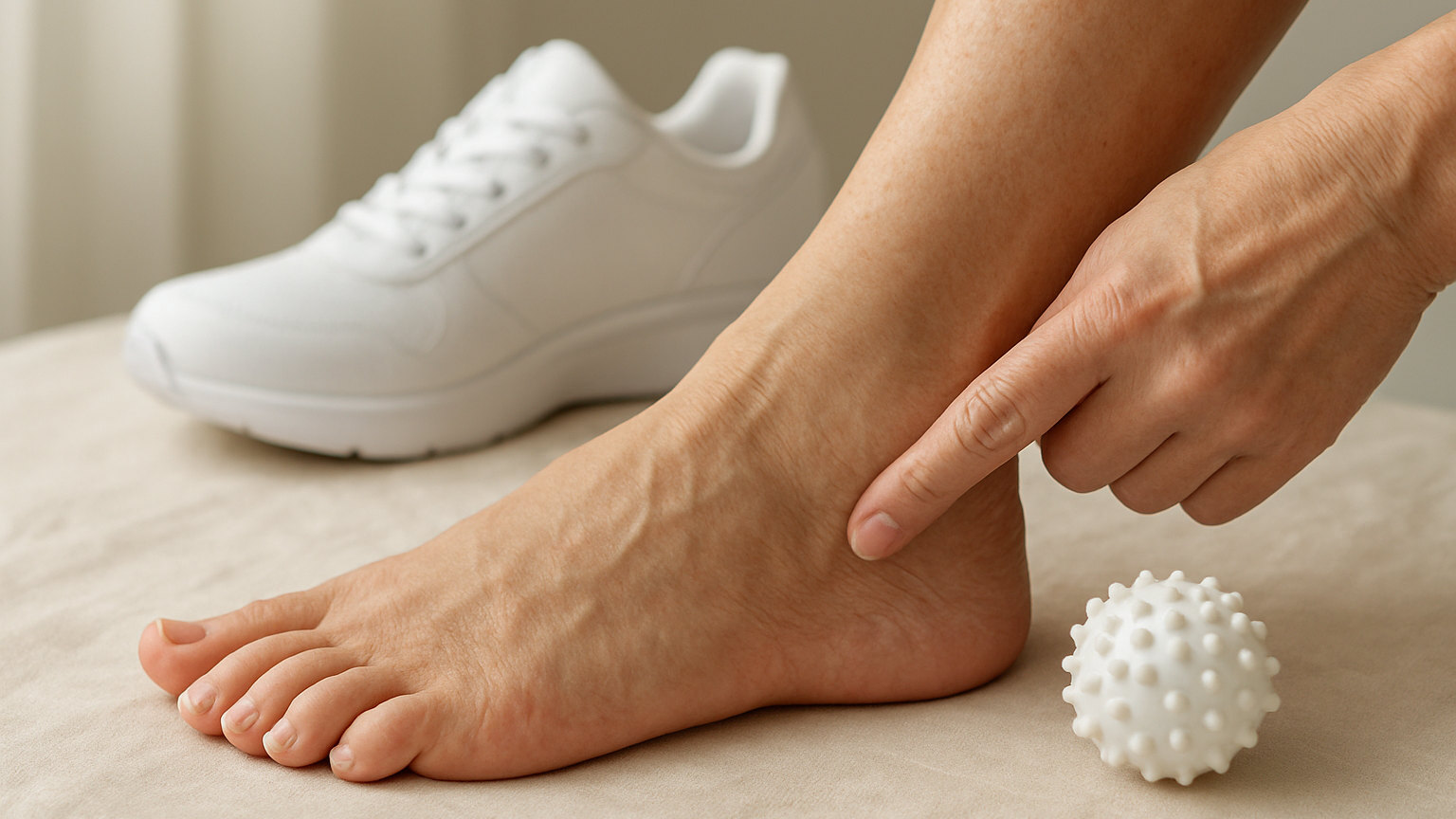
Where it hurts narrows the cause considerably, and most foot pain is mechanical and treatable rather than something to live with.
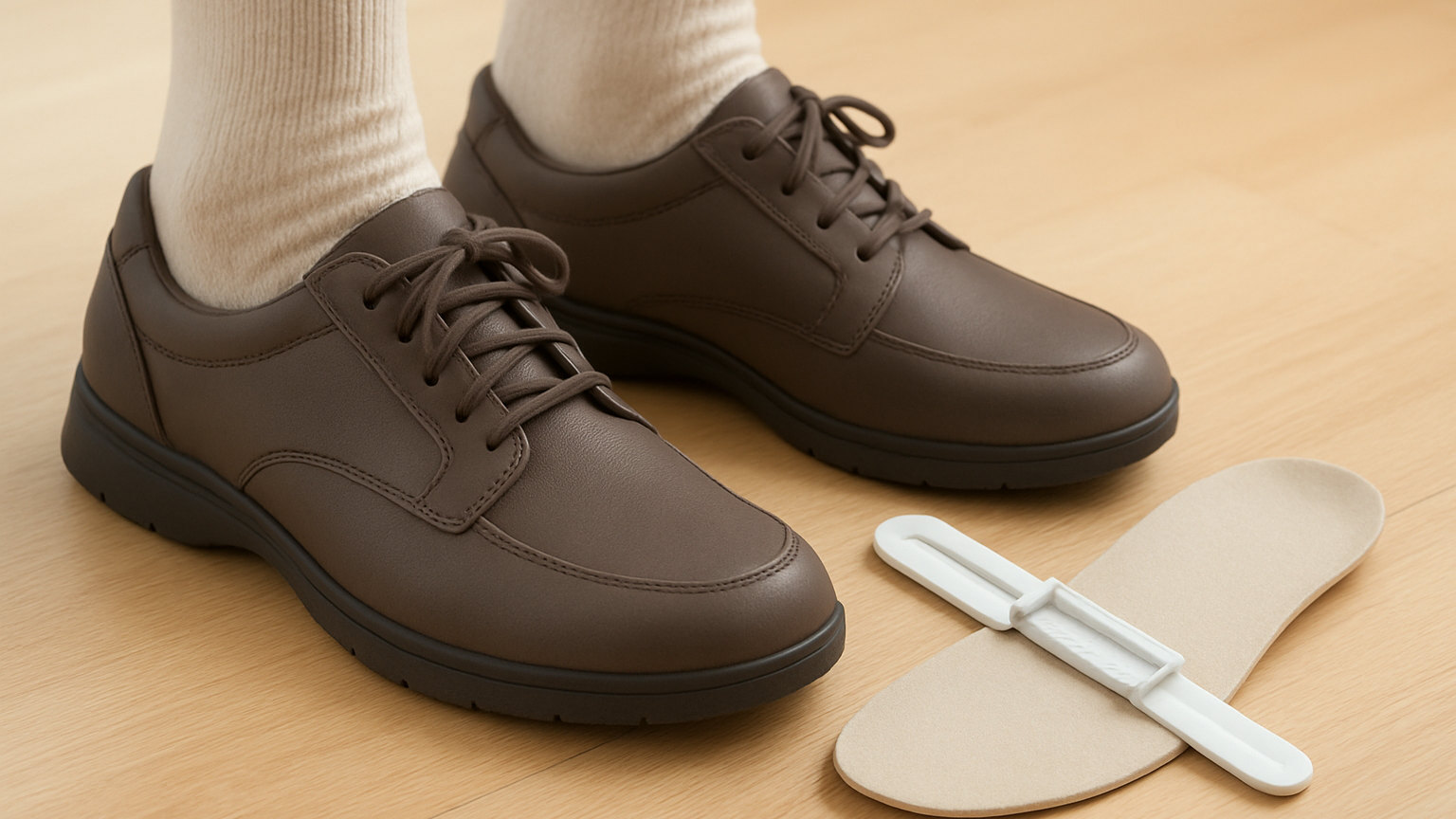
Most foot problems are footwear problems, and the fitting rules that prevent them are simple enough to apply in a shop.
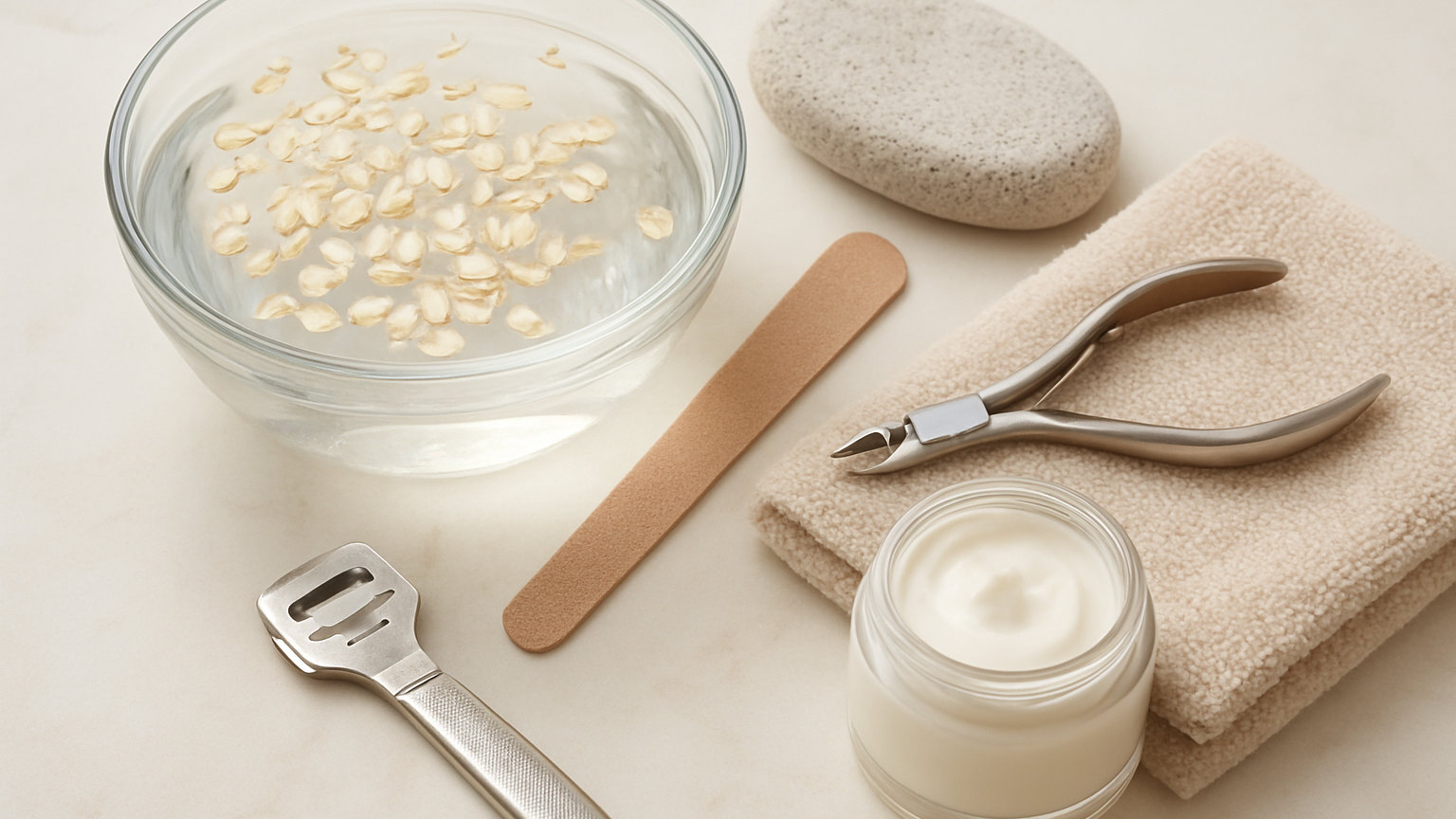
A home pedicure is straightforward, and two of the tools sold for it should not be used at home at all.
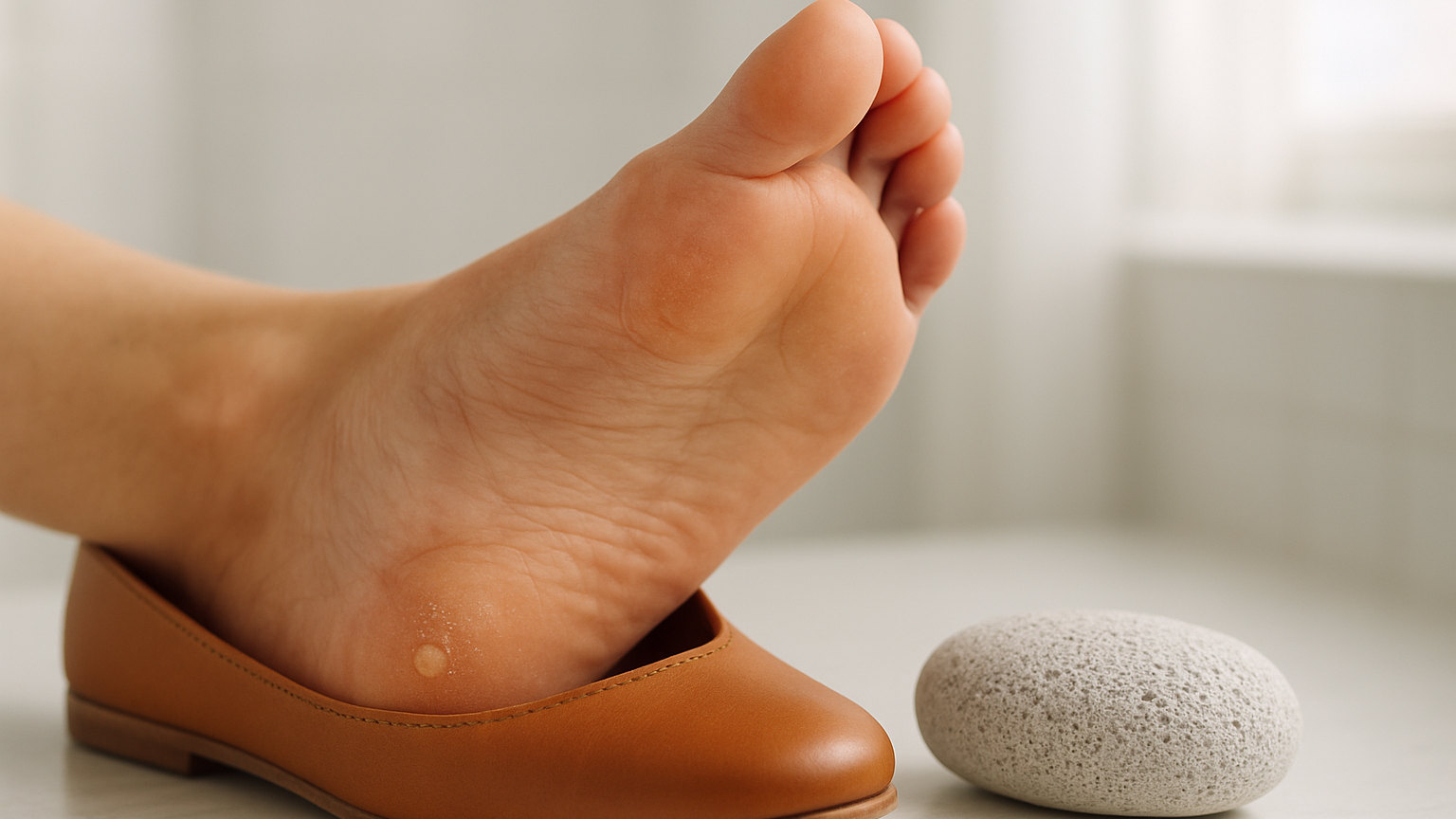
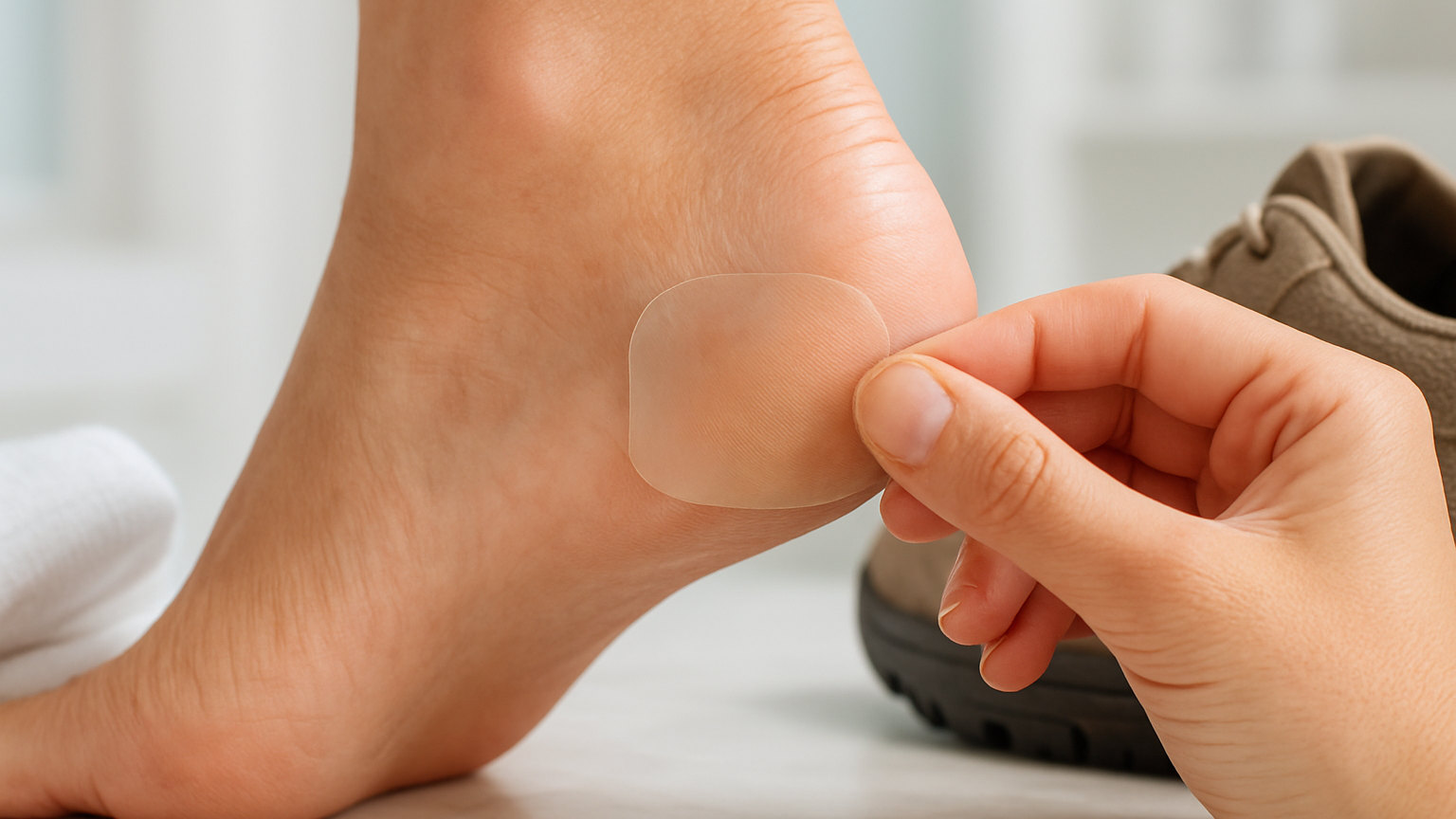
Blisters are caused by shear rather than simple rubbing, which changes what actually prevents them.