Do Supplements Help Pigmentation?
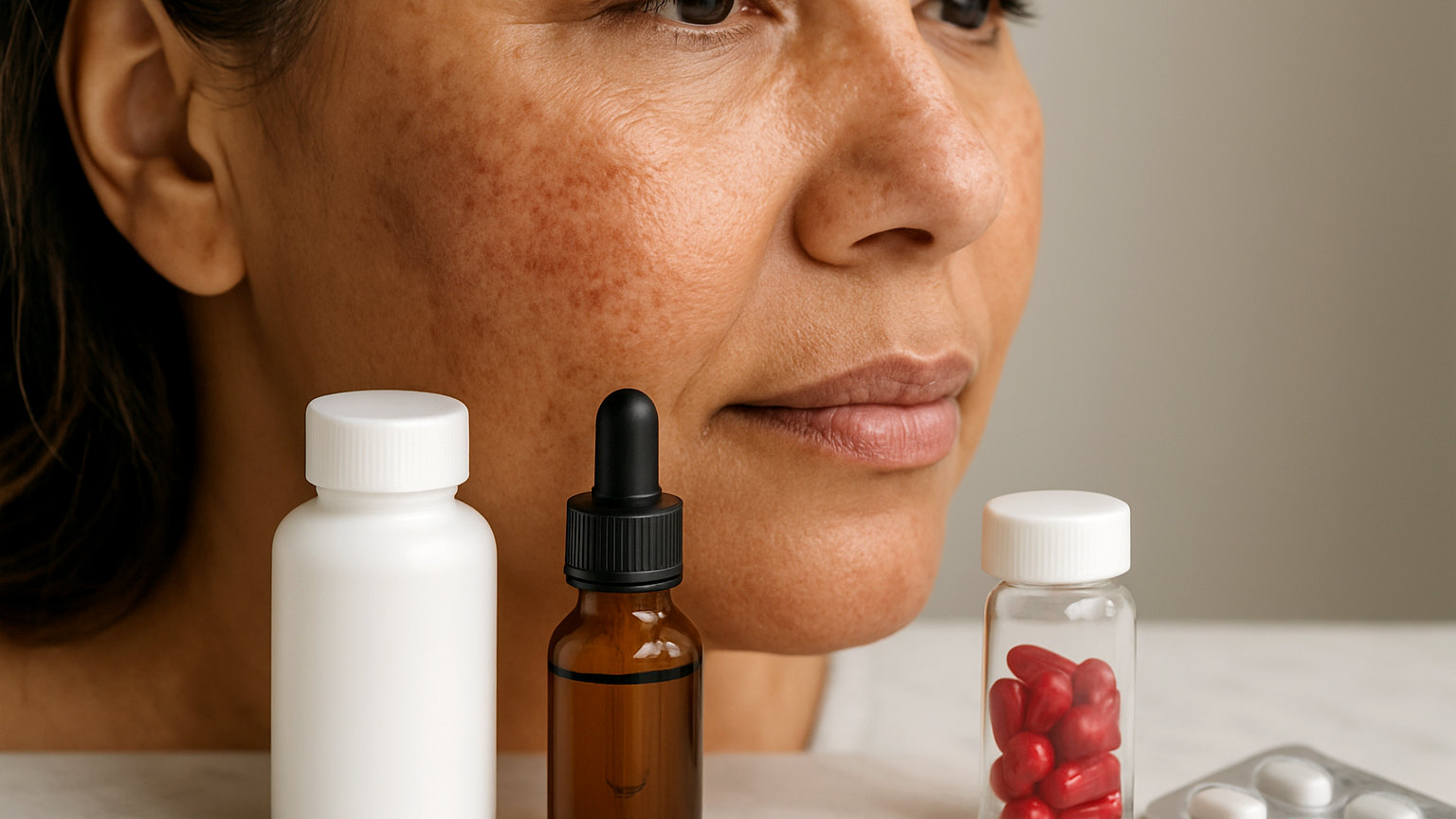
One oral supplement has reasonable evidence behind it, one is a prescription medicine being sold as a beauty product, and one is genuinely dangerous.
By Beauty Advice Team
19 Jun 2026

Sun spots, melasma and marks left behind by spots - what fades them, how slowly, and why sunscreen is the whole treatment.
One oral supplement has reasonable evidence behind it, one is a prescription medicine being sold as a beauty product, and one is genuinely dangerous.
Most pigmentation advice is written for lighter skin, and following it on deeper skin is one of the more reliable ways to make the problem worse.
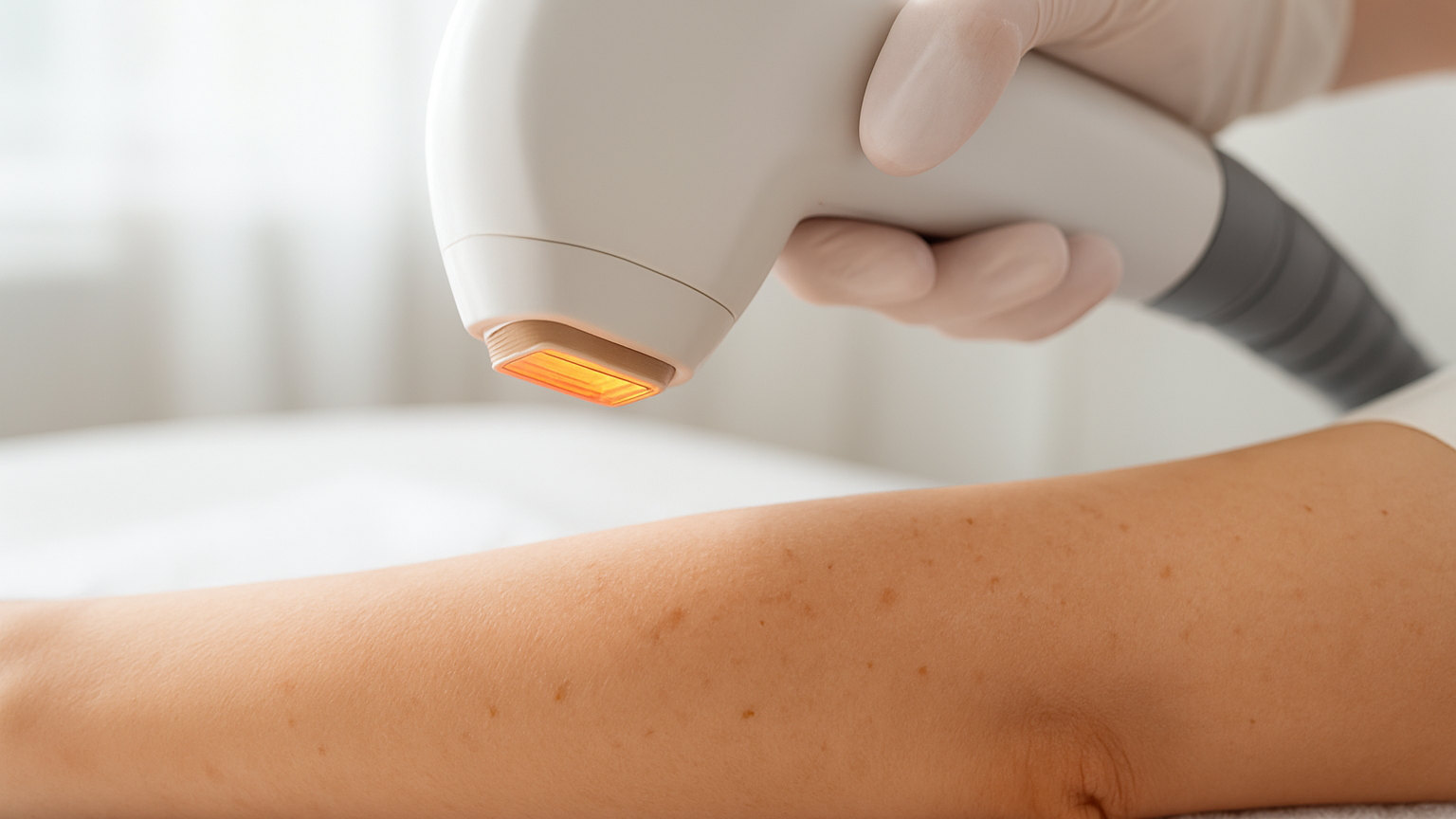
Clinical treatment can achieve in weeks what topicals take a year to approach, and it can also cause pigmentation considerably worse than the original.
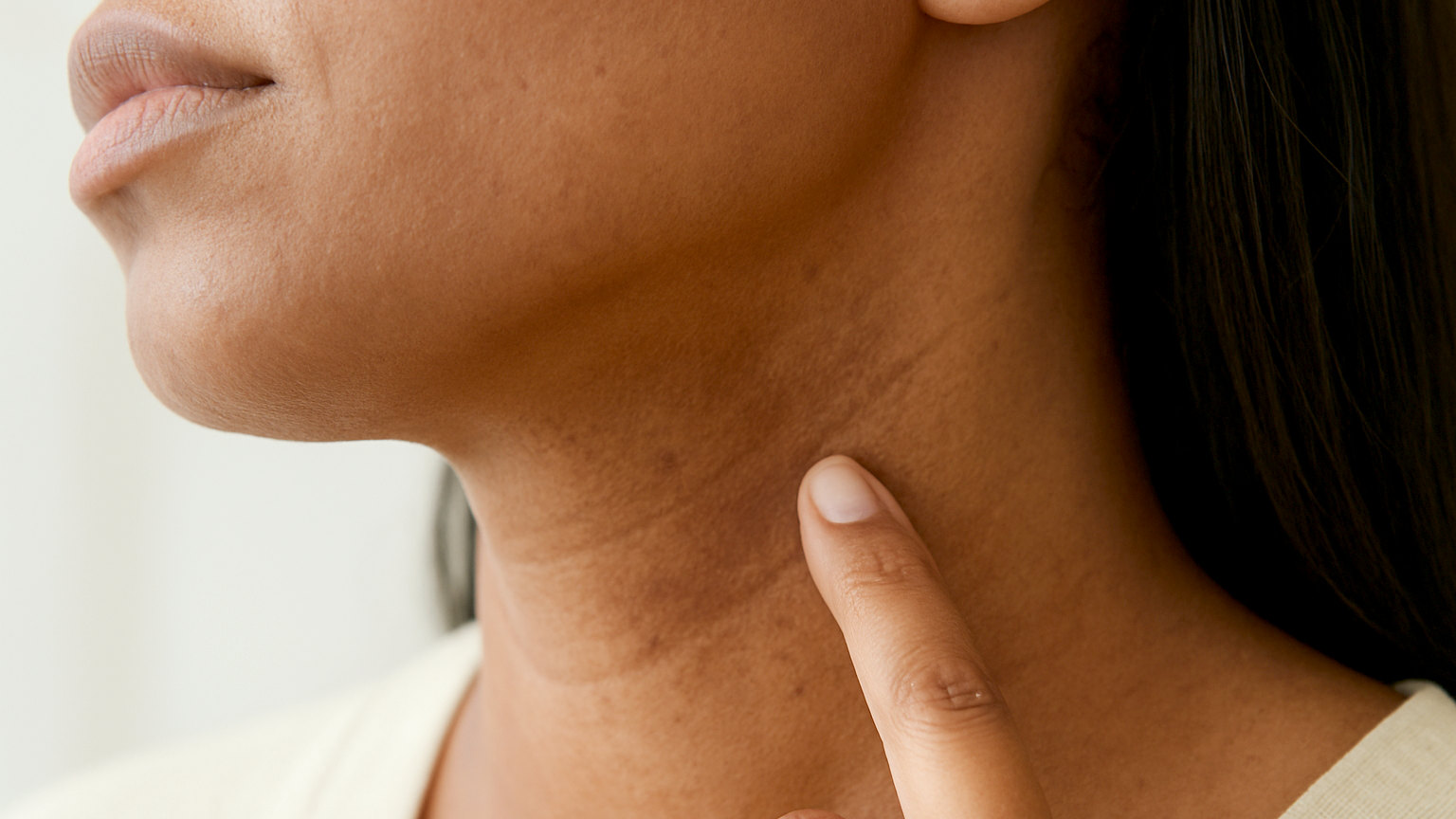
Velvety dark patches in the folds of the neck are not dirt and not sun damage, and they are one of the few skin signs worth taking to a GP promptly.
Dark circles have four separate causes that look alike, and only one of them responds to anything sold as an eye cream.
Some kinds return reliably and others do not, and knowing which you have decides whether you are running a course of treatment or a maintenance routine.
Uneven tone is a different problem to discrete dark spots, and a good deal of it is texture and circulation rather than pigment at all.
Illegal skin lightening products are widely sold in the UK and contain ingredients that cause permanent damage, and the packaging rarely says so.
Exfoliation helps some kinds of pigmentation and reliably worsens others, and the difference comes down to how deep the pigment sits.
These areas get comparable sun exposure to the face with a fraction of the protection, which is why they often show pigmentation first and most obviously.
Progress made over winter can disappear in a fortnight, and the reason is that every treatment for pigmentation works against a daily supply of the cause.
Melasma behaves differently to every other kind of pigmentation, and treating it as if it were sun damage is what makes it worse.