
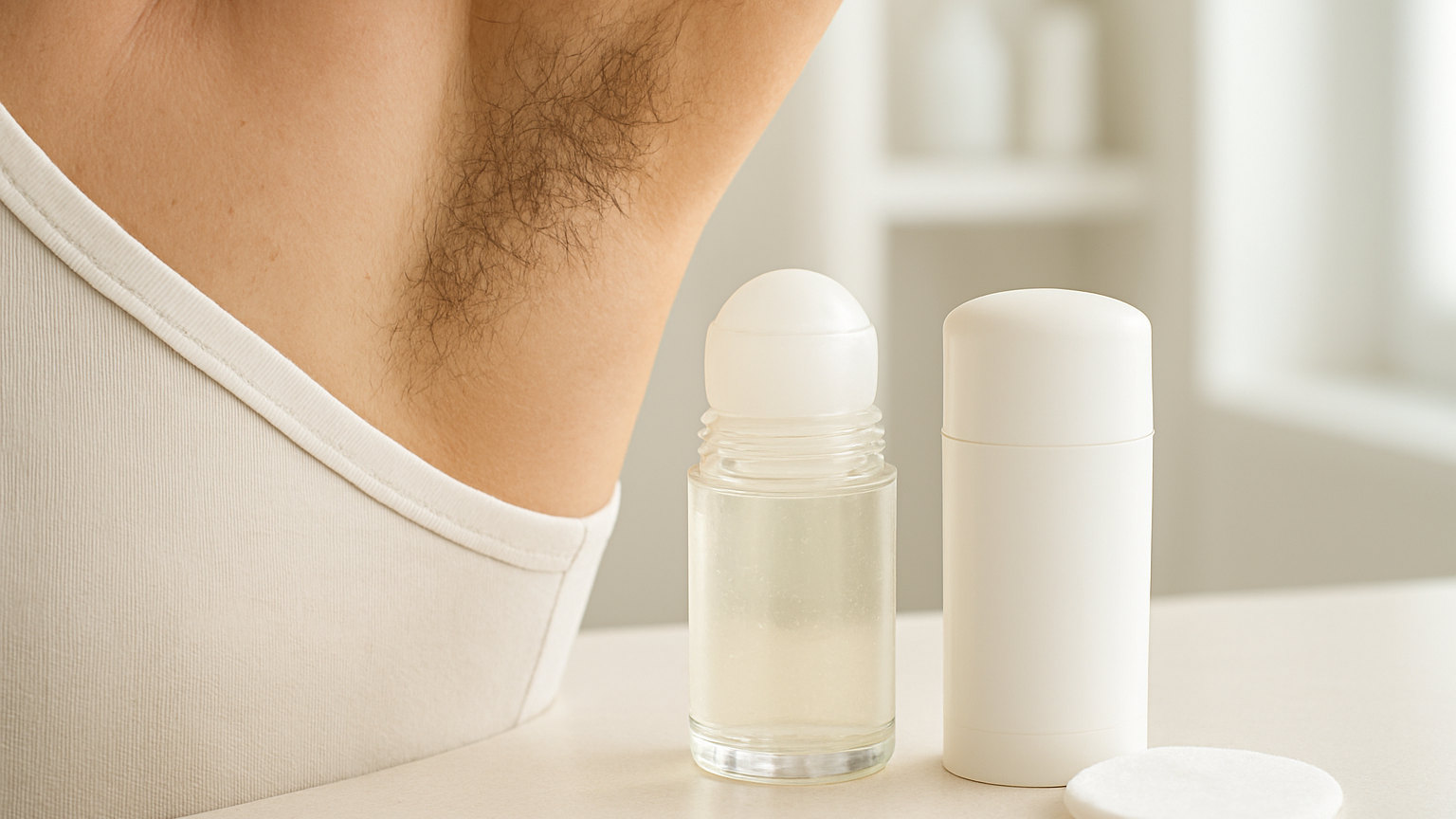
The deodorant aisle is large and the decision is small once you answer one question: is your problem the smell or the wetness? They need different products, and buying the wrong one is why people conclude nothing works.
Which do you need?
Deodorant if the issue is odour. It targets the bacteria producing the smell, using antibacterial agents, pH-altering compounds or fragrance.
Antiperspirant if the issue is wetness. It uses aluminium salts to plug the sweat ducts and reduce how much sweat reaches the surface.
An antiperspirant also reduces odour, since less sweat means less for bacteria to work on. A deodorant does nothing about wetness.
Many products combine both, and the label will say antiperspirant if it contains one.
How do the formats differ?
Roll-ons deliver the most product to the skin and are generally the most effective antiperspirants. They take a minute to dry.
Sticks and solids are convenient, dry quickly and can leave white marks on dark clothing.
Aerosols are quick and pleasant, deliver considerably less product to the skin, and are the least effective format for genuine antiperspirant action.
Creams and pastes, common among natural brands, deliver a lot of product and require applying with fingers.
Wipes are useful for travel and for topping up during the day.
What suits sensitive skin?
Fragrance-free, since fragrance is the commonest cause of contact allergy in cosmetics and is being applied to thin, frequently shaved skin.
Alcohol-free, since alcohol stings on freshly shaved skin and is drying.
Avoid bicarbonate of soda if you have reacted to a natural deodorant, and choose a magnesium hydroxide formulation instead.
Roll-ons and creams over aerosols, since propellants can irritate.
And apply to intact skin rather than immediately after shaving, which is the commonest cause of stinging.
What if you have very dark or very pale clothes?
White marks on dark fabric come from the product transferring before it dries. Letting it dry fully before dressing prevents most of it, and clear gels and sprays leave less.
Yellow stains on white shirts come from a reaction between aluminium salts and sweat proteins, set by heat.
Using less product, drying fully, washing promptly and avoiding tumble drying marked shirts all help. Aluminium-free deodorants avoid the yellowing entirely.
What if you sweat a lot?
Start with a strong antiperspirant applied at night to completely dry skin, which is the correct method and the one most people are not following.
If that is insufficient, aluminium chloride hexahydrate at twenty per cent from a pharmacy is the next step and is genuinely more effective.
If that is still insufficient and it affects your daily life, that is hyperhidrosis and a GP can offer iontophoresis, botulinum toxin and other options.
Working through more brands of ordinary antiperspirant at that point is not a productive use of money.
How do you switch without a rough fortnight?
Switching from antiperspirant to deodorant means sweating returns to its normal level, which feels dramatic, and the underarm bacterial population shifts over one to two weeks.
Odour is frequently worse during that period. Washing daily, trimming underarm hair and giving it a fortnight before judging is reasonable.
Switching in cooler weather or during a quiet period is easier than starting in July or before a fortnight of meetings.
What about products for men and women?
The active ingredients are frequently identical, and the differences are fragrance, packaging and price.
Men's antiperspirants sometimes contain slightly higher concentrations of active, which is worth knowing if you find the women's version of the same brand inadequate.
Comparing by the stated active ingredient and concentration rather than by which aisle it sits in is more useful than the marketing.
What is worth spending on?
Very little. The active ingredients are inexpensive, and supermarket own-brand antiperspirants frequently contain the same aluminium compounds at the same concentrations as branded ones.
Where paying more is defensible is a fragrance you like, a format you will use consistently, or a sensitive formulation if your skin needs one.


