
Vaginal and vulval dryness affects a large proportion of women at some point, most commonly around and after the menopause but by no means only then. It is treatable, and the treatments are straightforward. This is general information rather than personal medical advice.
What causes it?
Falling oestrogen, which is the commonest cause. Oestrogen maintains the thickness, elasticity and lubrication of vaginal tissue, and levels fall at the menopause, during breastfeeding, and after some cancer treatments.
Hormonal contraception in some people, particularly lower-dose combined pills.
Medications including some antidepressants, antihistamines and treatments for breast cancer.
Products: fragranced washes, wipes, douching and soap, all of which strip and irritate.
Smoking, which reduces blood flow to the tissue. Stress and anxiety, which affect arousal and natural lubrication.
Some medical conditions, including Sjogren's syndrome and diabetes.
What does it feel like?
Soreness, itching or burning, a feeling of tightness, and discomfort or pain during sex.
Increased urinary frequency, urgency and recurrent urinary tract infections, since the same tissue changes affect the urethra and bladder.
Light bleeding after sex, from fragile tissue.
The combination after menopause is now called genitourinary syndrome of menopause, which is a broader term than vaginal atrophy and reflects that the urinary symptoms are part of the same process.
What is the difference between a lubricant and a moisturiser?
This distinction is genuinely useful and rarely explained.
A lubricant is used at the time, for sex, and provides immediate slip. It does not treat the underlying dryness.
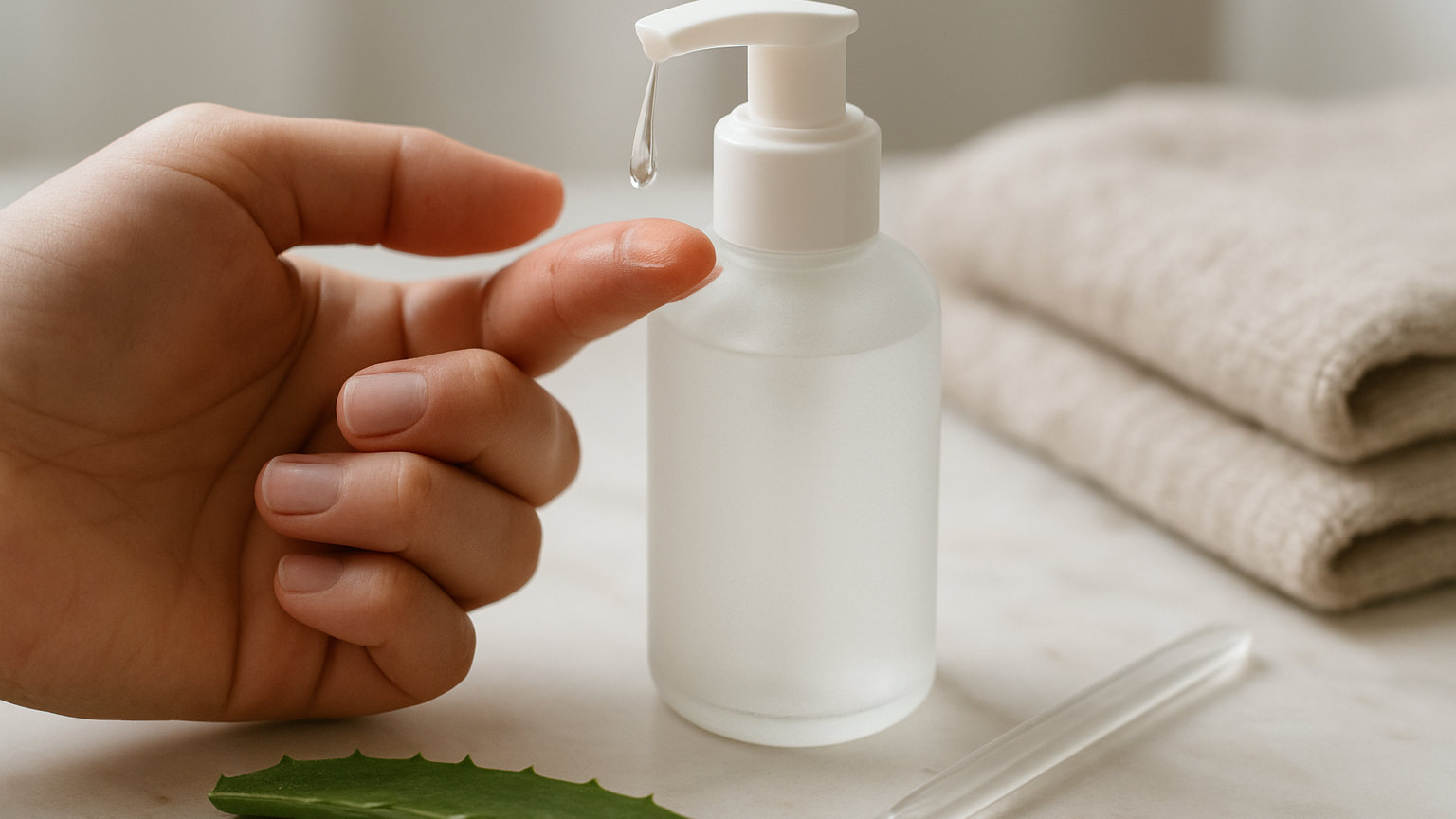
A vaginal moisturiser is used regularly, every two to three days, and rehydrates the tissue over time. It works like a body moisturiser rather than like a lubricant.
Many people use only a lubricant and wonder why the dryness persists between times. Using both addresses different things.
Which lubricants should you choose?
Water-based ones are the most versatile and are safe with condoms and most sex toys. They dry out faster and can be reapplied.
Silicone-based ones last considerably longer and are safe with condoms, and they degrade silicone toys.
Oil-based ones, including coconut oil, damage latex condoms and diaphragms, making them unreliable.
Avoid anything with fragrance, flavouring, glycerin in large amounts, or warming and tingling effects, all of which irritate and can trigger thrush.
Look for a product with a pH close to vaginal pH and a suitable osmolality, since very concentrated products can damage the tissue lining.
What does vaginal oestrogen do?
It restores the tissue directly, which no moisturiser can do. It is available as a cream, pessary, tablet or ring, prescribed by a GP.
The dose is very low and acts locally, with minimal absorption into the bloodstream. It is considered suitable for most women, including many who cannot take systemic HRT, though anyone with a history of breast cancer should discuss it with their specialist.
It typically takes several weeks to work and needs to be continued, since symptoms return if it stops.
It is one of the most effective and under-used treatments in this area, and a great many women who would benefit have never been offered it.
What else helps?
Stopping all fragranced products, soap and wipes in the area, and using an unfragranced emollient as a soap substitute.
An emollient applied externally to the vulva, which soothes dryness and irritation.
Not douching, which strips the natural moisture and bacteria.
Regular sexual activity or arousal, including alone, which maintains blood flow to the tissue.
Stopping smoking, which improves blood flow.
Does it affect younger women?
Yes, and it is frequently missed because it is assumed to be a menopausal problem.
Breastfeeding causes a temporary oestrogen drop that produces marked dryness, which resolves but is genuinely uncomfortable in the meantime and is worth treating.
Some hormonal contraceptives, some medications, and conditions affecting the immune system all cause it.
Pain during sex at any age is worth investigating rather than tolerating, since there are several treatable causes.
When should you see a GP?
If it is affecting comfort, sex or daily life, which is reason enough.
If over-the-counter moisturisers and lubricants have not been enough, since vaginal oestrogen is a straightforward next step.
If there is bleeding, particularly after the menopause, which always needs assessment.
If there is pain rather than discomfort, or recurrent urinary infections.
And it is worth saying plainly that this is an extremely common consultation and one that GPs deal with routinely.


