
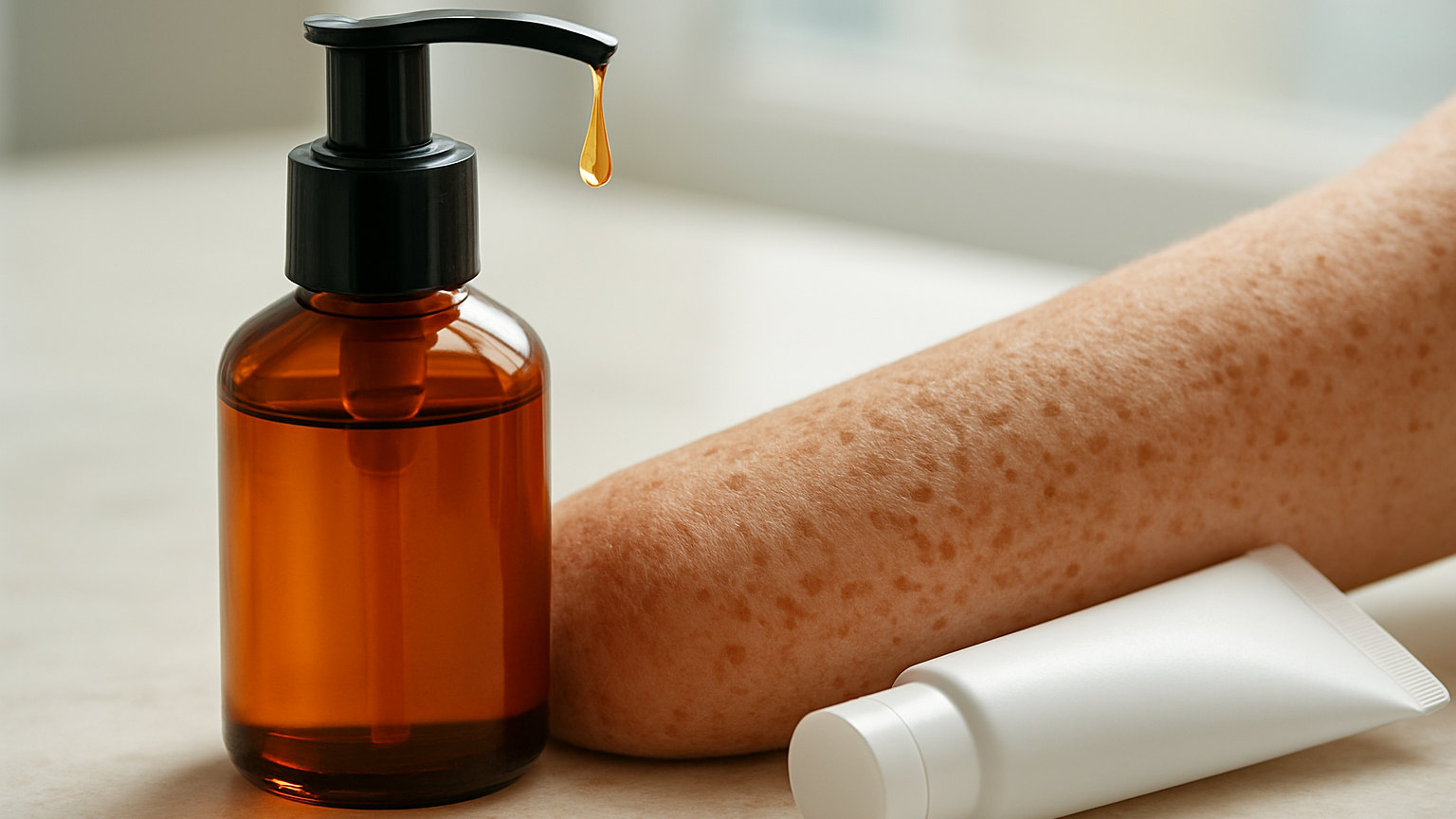
Tanning oils and accelerators are sold on the premise that tanning faster is better. They do generally work, and the mechanism is the problem: a faster tan means more ultraviolet damage in less time.
What do tanning oils do?
Two things, and neither is protective.
They reduce the scattering of ultraviolet light at the skin surface, so more of it penetrates. Oil changes how light refracts at the surface, and the effect is comparable to what happens when paper becomes translucent when wet.
They also moisturise, which makes skin look better and has nothing to do with tanning.
Traditional tanning oils with no SPF, or with SPF 2 to 6, are effectively accelerating exposure while providing almost no protection.
Is a low SPF ever reasonable?
Not for sun protection. SPF 6 blocks around eighty-three per cent of ultraviolet B, which sounds substantial and leaves a great deal getting through, and it provides almost no ultraviolet A protection in most low-factor products.
The minimum recommended in the UK is SPF 30 with a high ultraviolet A rating.
Products marketed as tan-enhancing with SPF 6 or 10 are essentially permission to stay out longer with inadequate protection, which is the combination that produces burns.
What about accelerators containing tyrosine?
Tyrosine is the amino acid melanin is synthesised from, and the premise is that supplying more of it increases melanin production.
The evidence does not support this for topical application. Tyrosine is not the rate-limiting factor in melanin synthesis, and applied to the skin surface it does not reach the melanocytes in useful quantities.
Oral tyrosine supplements marketed for tanning have the same problem and have not been shown to increase tanning.
Where accelerators appear to work, it is usually because they contain oils that increase ultraviolet penetration, or DHA, which is fake tan.
What about sunbed lotions?
Marketed as intensifiers, tingle lotions or bronzers, and they contain a mix of moisturisers, oils and sometimes DHA.
Tingle products contain vasodilators such as benzyl nicotinate, which increase blood flow to the skin and produce a burning, itching sensation. That is irritation rather than a sign of effectiveness.
They do not make sunbed use safe, and sunbeds are classified by the World Health Organization as carcinogenic to humans.
Does olive oil or coconut oil work?
They increase ultraviolet penetration in the same way commercial tanning oils do, which is why they appear to work.
Coconut oil is sometimes credited with an SPF of around four to seven, which is not meaningful protection and should not be relied upon.
Using kitchen oil as a tanning product is the cheapest way to burn.
Do any supplements affect skin colour?
Beta-carotene and related carotenoids, taken in quantity, produce a yellow-orange tint in the skin called carotenaemia. It is harmless and reversible and looks different from a tan, most obviously on the palms.
Canthaxanthin tanning pills produce a deeper colour and are not authorised as food supplements in the UK. They have been associated with retinal deposits and liver problems.
Melanotan injections stimulate melanin production and are unlicensed here, sold through gyms and online, with reported risks including changes to moles and cases of melanoma.
What about after-sun products?
These are genuinely useful, unlike the products above. Aloe vera, panthenol and simple emollients soothe and support barrier recovery after sun exposure.
They do not repair DNA damage or reverse a burn, and they make the aftermath considerably more comfortable.
Some after-sun products contain DHA to extend the appearance of a tan, which is fake tan under a different name and is fine as long as you know that is what it is.
What is the honest position?
Anything that speeds up tanning speeds up damage, since the tan is the damage response.
If you want colour, fake tan achieves it with no ultraviolet exposure at all. If you want to be outdoors, sunscreen at SPF 30 or above, shade and clothing are the tools, and a slower tan is a side effect rather than a goal to accelerate.


