
Sweat itself is essentially odourless. Body odour comes from bacteria on the skin breaking it down, which is why the effective approaches target either the sweat or the bacteria rather than masking the result.
Where does the smell come from?
There are two types of sweat gland. Eccrine glands cover most of the body and produce a watery sweat that is almost entirely odourless.
Apocrine glands are concentrated in the underarms, groin and around the nipples, and become active at puberty. They produce a thicker secretion containing proteins and lipids.
Bacteria on the skin metabolise those compounds, and the byproducts are what you smell. The underarm is warm, moist and enclosed, which is an ideal environment for them.
This is why odour concentrates in specific areas rather than everywhere you sweat.
What is the difference between deodorant and antiperspirant?
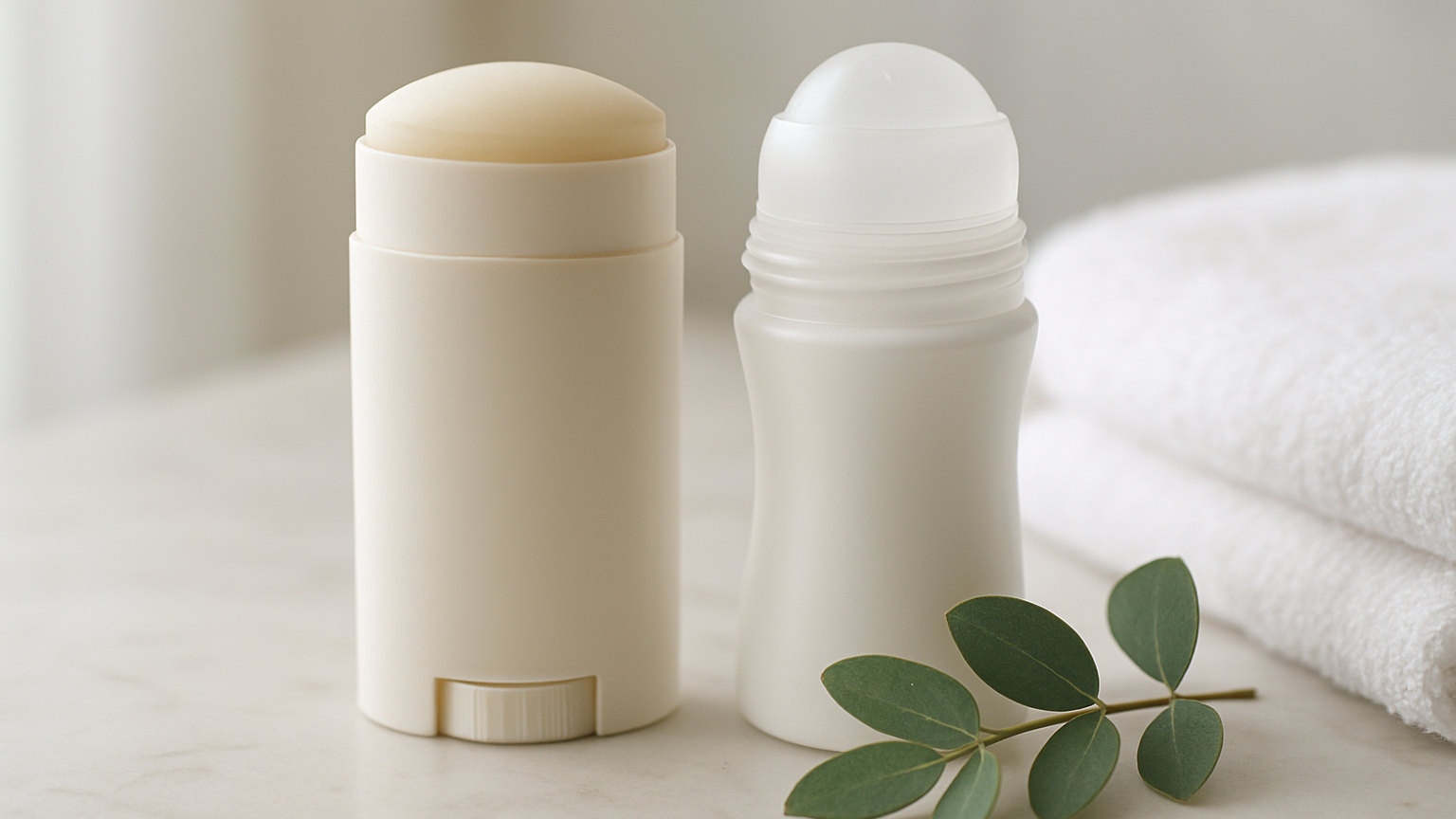
Deodorant targets the bacteria. It uses antibacterial agents and fragrance, so sweating continues and smells less.
Antiperspirant targets the sweat. Aluminium salts form temporary plugs in the sweat ducts, reducing how much reaches the surface. Less sweat means less for bacteria to work on.
Many products do both. If sweating is the problem, deodorant alone will not address it.
How should you use antiperspirant?
At night, on completely dry skin, which is the detail that changes how well it works.
Sweat ducts are least active overnight, so the aluminium salts form plugs more effectively. Applying to damp skin in the morning after a shower washes much of it away before it acts.
Applied at night, it still works through the following day and beyond, since the plugs persist for a day or two. You can shower normally in the morning.
This is the most commonly given piece of advice by dermatologists on this topic and the least commonly followed.
Is aluminium in antiperspirant safe?
The concerns about breast cancer and Alzheimer's disease have been investigated repeatedly and are not supported by the evidence.
Cancer Research UK and other bodies have reviewed the breast cancer claim specifically and found no good evidence for it. Absorption through intact skin is minimal.
Anyone with kidney disease should ask a doctor, since aluminium clearance is affected. For everyone else, the regulatory position is that it is safe at the concentrations used.
Do natural deodorants work?
They can, and they work differently, which is worth understanding before judging one.
Most contain bicarbonate of soda, magnesium hydroxide or zinc oxide, which make the skin less hospitable to bacteria, alongside absorbent starches.
They are deodorants rather than antiperspirants, so sweating continues. Anyone whose problem is wetness rather than smell will find them inadequate.
Bicarbonate causes irritation in a substantial minority, presenting as a red itchy rash in the underarm. Magnesium-based versions are gentler.
There is often an adjustment period of one to two weeks when switching, which is real and is skin and bacterial rebalancing rather than detoxing.
What else helps?
Washing the underarms daily with soap and water, which removes both bacteria and residue.
Keeping underarm hair shorter, which reduces the surface area holding sweat and bacteria. Removal is a personal choice and does reduce odour.
Natural fibres and looser clothing. Washing clothes properly, since bacteria persist in fabric, particularly synthetics. A longer wash at a higher temperature, or a laundry sanitiser, addresses shirts that smell as soon as you put them on.
Reducing garlic, onion, spices and alcohol, which are excreted through sweat and genuinely affect odour.
When does odour suggest something else?
A sudden change in body odour without a change in habits. A distinctly different smell rather than more of the same.
Sweet or acetone-like odour, which can indicate uncontrolled diabetes. Ammonia-like odour, which can indicate kidney problems.
Persistent odour despite thorough washing, particularly with skin changes, which may be a bacterial condition such as erythrasma or trichomycosis rather than ordinary odour.
When should you see a GP?
If sweating is excessive enough to affect daily life, since hyperhidrosis is treatable with prescription antiperspirants, iontophoresis and other options.
If odour persists despite good hygiene, or has changed character. If there is a rash, discolouration or scaling in the affected area.
And it is worth saying that this is a common medical complaint rather than an embarrassing failure of hygiene, and treatment exists.


