
This is the mirror image of the shaving myth. Shaving genuinely does nothing to the follicle, and repeated root removal genuinely does something, which is why the two questions have different answers despite sounding similar.
What is the difference from shaving?
Shaving cuts the hair shaft above the skin. The follicle below is untouched, receives no signal, and continues producing identical hair. Nothing changes.
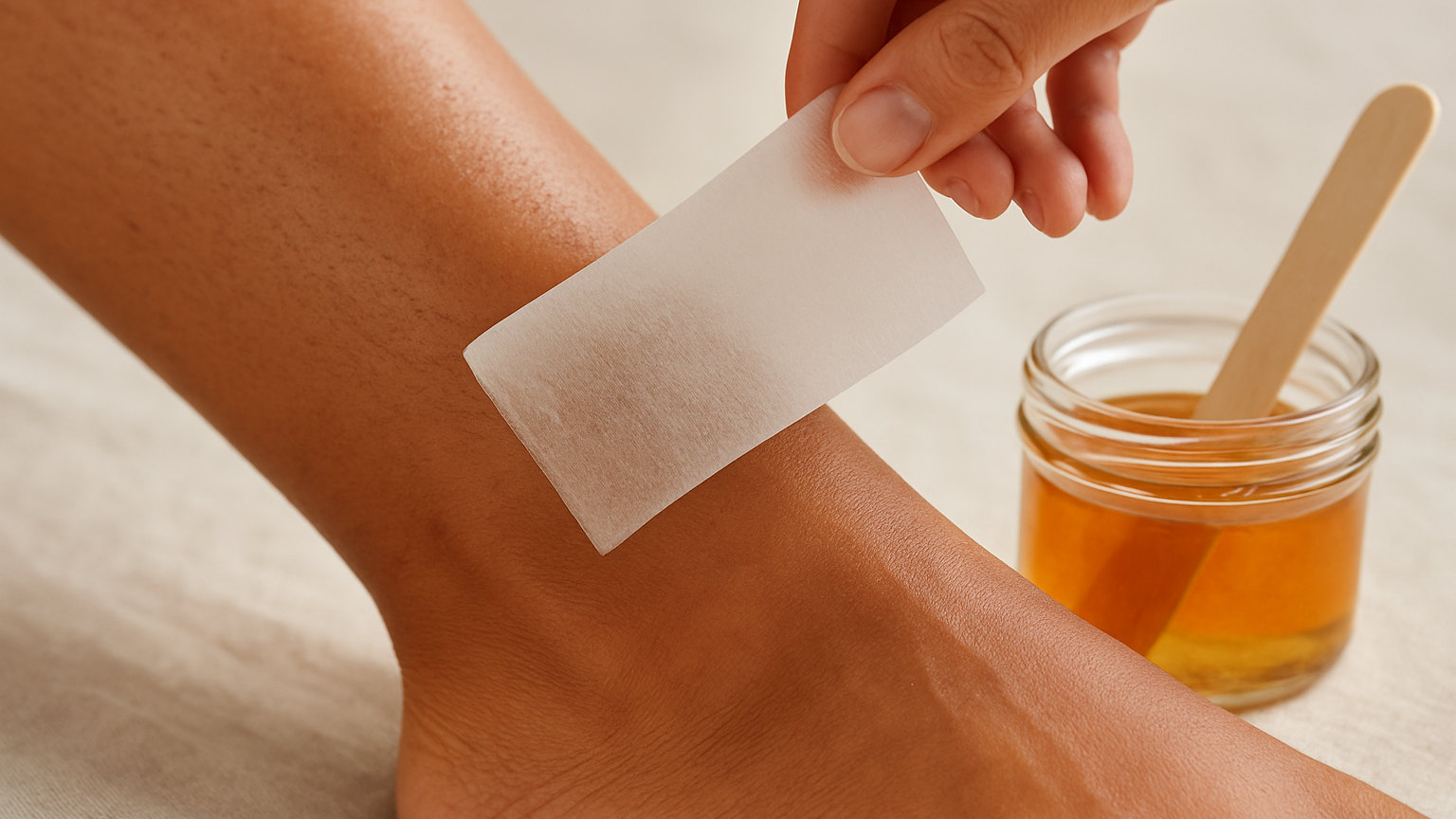
Waxing, epilation and sugaring pull the hair out of the follicle, taking the bulb with it. That is physical trauma to the follicle itself, repeated every few weeks.
Over years, that repeated trauma can damage some follicles enough that they produce finer hair or stop producing it altogether.
How much difference does it make?
Less than the claims and more than nothing. Most people who wax consistently for years report that hair grows back finer, sparser and more slowly.
The effect is patchy rather than uniform, since some follicles are damaged and others are not. It is also gradual, taking years rather than months.
It is not a route to permanent removal, and anyone waxing with that expectation will be disappointed. Laser and electrolysis exist precisely because this effect is unreliable.
Why does regrowth feel softer?
Because of the tip rather than the thickness. A hair pulled from the root regrows from the beginning of its cycle and emerges with a naturally tapered point.
A shaved hair has a blunt cut end at full diameter, which feels coarse against skin. The hair itself is identical; the end is not.
This is why waxed regrowth feels softer within days while shaved regrowth feels like stubble, and it explains a good deal of the perceived difference.
How long before you would notice?
Six months to a year of regular waxing before any reduction becomes apparent, and several years for a substantial change.
Consistency matters more than frequency. Waxing every four to six weeks reliably does more than waxing occasionally, partly because it synchronises the growth cycles and partly because the effect is cumulative.
Does it work everywhere?
More noticeably on fine hair than coarse. Legs and arms often show a clear reduction; the bikini line and underarms considerably less, since the hair is coarser and the follicles are more robust.
Facial hair driven by hormones responds least, since the hormonal signal continues regardless of what has been done to the follicle.
Can it work against you?
Yes, in one specific situation. Eyebrows shaped by repeated waxing or plucking over decades frequently become permanently sparse.
The same follicle damage that is welcome on legs is unwelcome on brows, and it is not reversible. Anyone who over-plucked in their teens and twenties and finds their brows will not grow back is experiencing exactly this effect.
It is a reason to be conservative with any root removal method on the face, and particularly on brows.
Does it cause more ingrown hairs?
Sometimes, and the mechanism is related. Regrowth after waxing emerges finer and with a tapered tip, which is softer and can struggle to break through the skin surface.
That is why regular exfoliation matters more for people who wax than for people who shave, and why ingrown hairs sometimes increase as hair becomes finer over years.
What is the honest summary?
Waxing consistently over years produces gradual, partial, unpredictable thinning. Regrowth feels softer immediately for reasons unrelated to thickness.
If permanent reduction is the aim, laser or electrolysis achieve it deliberately and in months rather than accidentally over a decade. If waxing suits you for other reasons, the gradual thinning is a genuine bonus rather than a reason to choose it.
Does the same apply to epilating and sugaring?
Yes, since all three remove hair from the root and the mechanism is identical. Epilating is often reported as producing the effect slightly faster, probably because it is done more frequently than salon waxing.
Sugaring removes hair in the direction of growth rather than against it, which some practitioners argue causes less follicle trauma and therefore less thinning over time. The evidence for that distinction is thin, and either way the difference would be a matter of degree rather than kind.


