
Laser hair removal works, within limits that are frequently blurred in advertising. The most common source of disappointment is the word permanent, which in this field means long-term reduction rather than removal that never returns.
How does it work?
A laser emits a specific wavelength of light absorbed by melanin, the pigment in the hair. That energy converts to heat, which damages the follicle enough to impair its ability to produce hair.
Because it targets pigment in the hair, contrast matters: the greater the difference between the pigment in the hair and the pigment in the surrounding skin, the more selectively the energy is absorbed.
It only works on hairs in the active growth phase, which is why multiple sessions are needed to catch each follicle at the right point.
Who does it work best for?
Dark coarse hair on lighter skin gives the clearest contrast and the best results.
Modern lasers, particularly Nd:YAG, work safely on deeper skin tones, and this requires the right machine and an experienced practitioner. Anyone with medium to deep skin should ask specifically which laser will be used and what experience the clinic has with their skin type.
What it does not work on is white, grey, red or very blonde hair, because there is insufficient melanin to absorb the energy. Nothing changes that, and clinics offering laser for grey hair are not being straight.
How many sessions?
Six to ten for most areas, spaced four to eight weeks apart depending on the body area.
Maintenance sessions once or twice a year afterwards are typical, since some follicles recover and hormonal changes can activate new ones.
Anyone promising complete permanent removal in three sessions is overselling it.
What does permanent mean here?
The regulated term is permanent hair reduction: a lasting decrease in the number of hairs after a course of treatment.
In practice, most people see a seventy to ninety per cent reduction, with remaining hair finer and lighter. That is a substantial and genuine result, and it is not the same as never having hair again.
Electrolysis is the only method that can claim permanent removal.
How should you prepare?
Shave the area a day or two before, since the laser needs the follicle intact but the surface hair short.
Do not wax, pluck or epilate for four to six weeks beforehand, since removing the root removes the target and wastes the session. This is the most common preparation error.
Avoid sun exposure and fake tan for two to four weeks before and after, since tanned skin absorbs more energy and increases the risk of burns and pigment changes.
Mention any medication, particularly photosensitising ones, and any skin condition.
What are the risks?
Redness and swelling for a day or two, which is expected. Temporary pigment changes, either darker or lighter, which are more common in deeper skin tones and usually resolve.
Burns and blistering, which happen with incorrect settings or on tanned skin, and can scar. Paradoxical hypertrichosis, a rare increase in hair growth around the treated area, which is poorly understood.
Choosing a practitioner matters more here than in almost any other treatment in this category. The industry is lightly regulated in the UK, and experience with your specific skin type is the question to ask.
What about IPL?
Intense pulsed light uses a broad spectrum rather than a single wavelength, so it is less precise and generally less effective per session.
It is cheaper and suits lighter skin with dark hair. It is less suitable for deeper skin tones, since the scattered wavelengths are absorbed by skin pigment as well as hair.
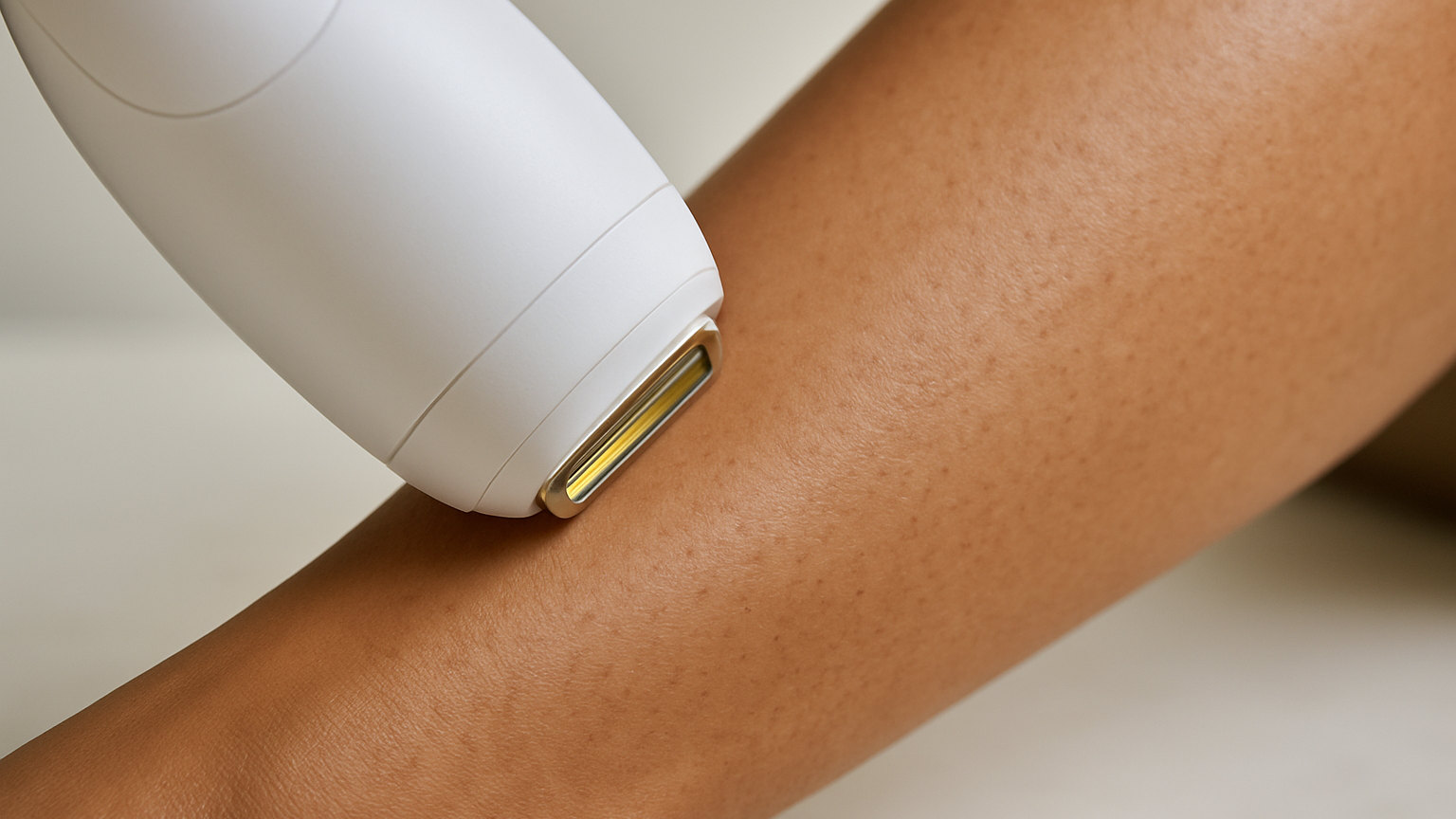
Home IPL devices are considerably weaker than clinical machines and produce modest reduction with consistent use over months. They are reasonable for maintenance and unrealistic as a substitute for professional treatment.
What does it cost?
Varies widely by area and location. A course for underarms might run to a few hundred pounds; full legs considerably more.
Set against a lifetime of waxing or razor cartridges for the same area, it frequently works out cheaper over ten years. Judged as an upfront cost, it is significant.
Be wary of package deals paid entirely in advance, and check what happens if results are poor or the clinic closes.


