
Brittle nails are usually a water problem. Nails absorb and lose water readily, and repeated wetting and drying is what makes them split, peel and break. Nutrition matters considerably less than most people assume.
What is a nail made of?
Keratin, in layers, held together by lipids and water. Around eighteen per cent of a healthy nail plate is water, and that water content is what makes it flexible rather than brittle.
The nail is dead tissue, like hair, produced by the matrix under the cuticle. Nothing applied to the visible nail affects how it is made; it affects how it behaves.
A fingernail takes around six months to grow out completely, so changes at the matrix take months to become visible.
Why does water cause the problem?
Because nails swell as they absorb water and contract as they dry, and repeated cycles of that separate the keratin layers.
The result is onychoschizia, peeling and splitting in horizontal layers at the free edge. It is the most common cause of brittle nails by a considerable distance.
Washing up, frequent hand washing, swimming and any job involving wet work all contribute. Detergents make it worse by stripping the lipids holding the layers together.
Alcohol hand gel and acetone nail polish remover both dehydrate the nail plate directly.
What else causes brittleness?
Age, since nail growth slows and lipid content falls. Cold, dry weather and central heating.
Gel and acrylic removal, particularly when polish is picked or peeled off, which takes layers of nail plate with it.
Thyroid disease, which affects nails in both directions. Iron deficiency, which classically causes spoon-shaped nails.
Raynaud's phenomenon and other circulation problems. Some medications, notably retinoids and chemotherapy drugs.
Repeated trauma, including using nails as tools and typing heavily.
Do supplements help?
Only in specific circumstances, which is worth knowing before spending on them.
Biotin has some evidence for brittle nails, from small studies, at doses considerably higher than food provides. It takes six months to show anything, since that is how long a nail takes to grow out.
The important caveat is that high-dose biotin interferes with a wide range of blood tests, including thyroid function and the troponin test used to diagnose heart attacks. Tell any doctor you are taking it.
Iron helps if you are deficient and does nothing if you are not, and iron without a documented deficiency is a poor idea.
Everything else marketed for nails has weak evidence at best.
What actually helps?
Reducing water exposure, which is the main intervention. Rubber gloves for washing up and cleaning, with cotton liners if your hands sweat.
Moisturising the nails and cuticles, not just the hands. A cream containing urea, lactic acid or alpha hydroxy acids is more effective than a plain hand cream, applied several times daily and always after washing.
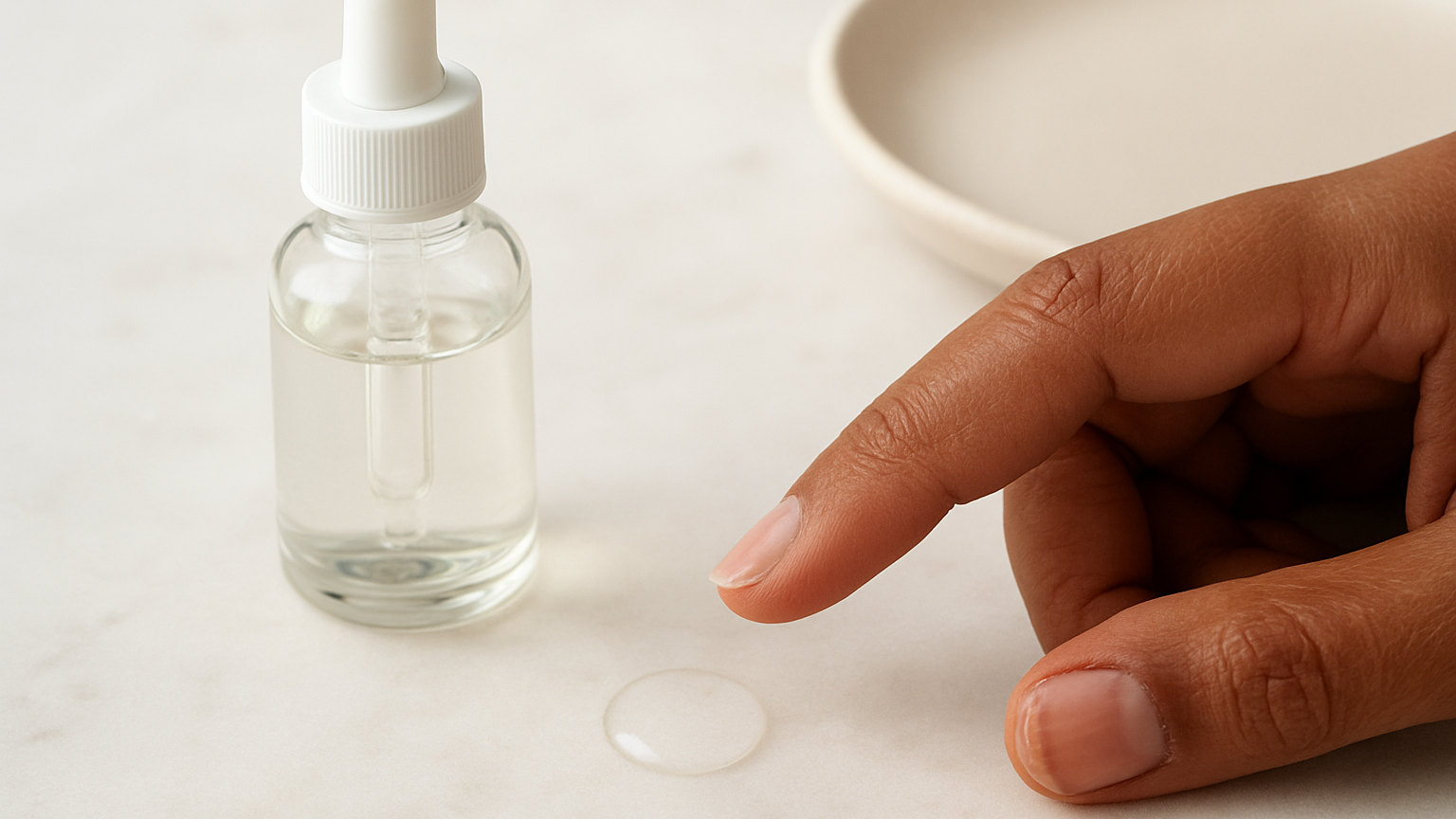
Nail oil at night, worked into the cuticle and the nail plate. Jojoba penetrates better than most.
Keeping nails shorter, since long nails lever against the free edge and split more readily.
What about nail strengtheners?
Two types, working differently. Formaldehyde-based hardeners cross-link the keratin, which makes nails harder and, with prolonged use, more brittle and prone to snapping. They suit soft flexible nails and are wrong for already brittle ones.
Moisturising or protein-based treatments add flexibility rather than hardness and are the better choice for peeling and splitting.
A base coat of any kind provides physical protection from water, which is a genuine benefit regardless of the active claims.
Does polish damage nails?
Ordinary polish, not particularly, and it acts as a barrier against water. The damage comes from removal, since acetone is drying.
Leaving polish on for weeks can cause temporary yellowing and dehydration. A break of a few days between manicures, with oil applied, resolves it.
Gel and acrylic are a different matter, since removal involves prolonged acetone soaking or filing.
When should you see a GP?
Changes affecting all nails simultaneously, particularly with other symptoms, since thyroid disease, anaemia and other conditions present this way.
Spoon-shaped nails, marked ridging, or nails lifting from the bed. Any single nail with a dark streak, particularly if it is new or changing, which needs assessment.
Thickening, crumbling or discolouration suggesting fungal infection, which needs confirming before treating since treatment is lengthy.


