
Healthy gums do not bleed. Bleeding when you brush or clean between your teeth is the earliest sign of gum disease, and at that stage it is almost entirely reversible, which makes it one of the more useful warning signs the body produces.
What is actually happening?
Plaque, a film of bacteria, accumulates along the gum line. The body responds with inflammation, and inflamed gum tissue has more blood vessels closer to the surface and bleeds readily when disturbed.
That stage is gingivitis. The gums are inflamed, the bone and the attachment holding the teeth are not yet affected, and it resolves completely with proper cleaning.
Left untreated, inflammation can extend to the bone and the supporting structures, which is periodontitis. That damage is not reversible, though it can be stabilised.
Should you brush more gently?
This is the crucial point, and the intuitive response is the wrong one.
People who notice bleeding usually avoid the area, which allows more plaque to accumulate, which increases inflammation, which increases bleeding. The cycle sustains itself for years.
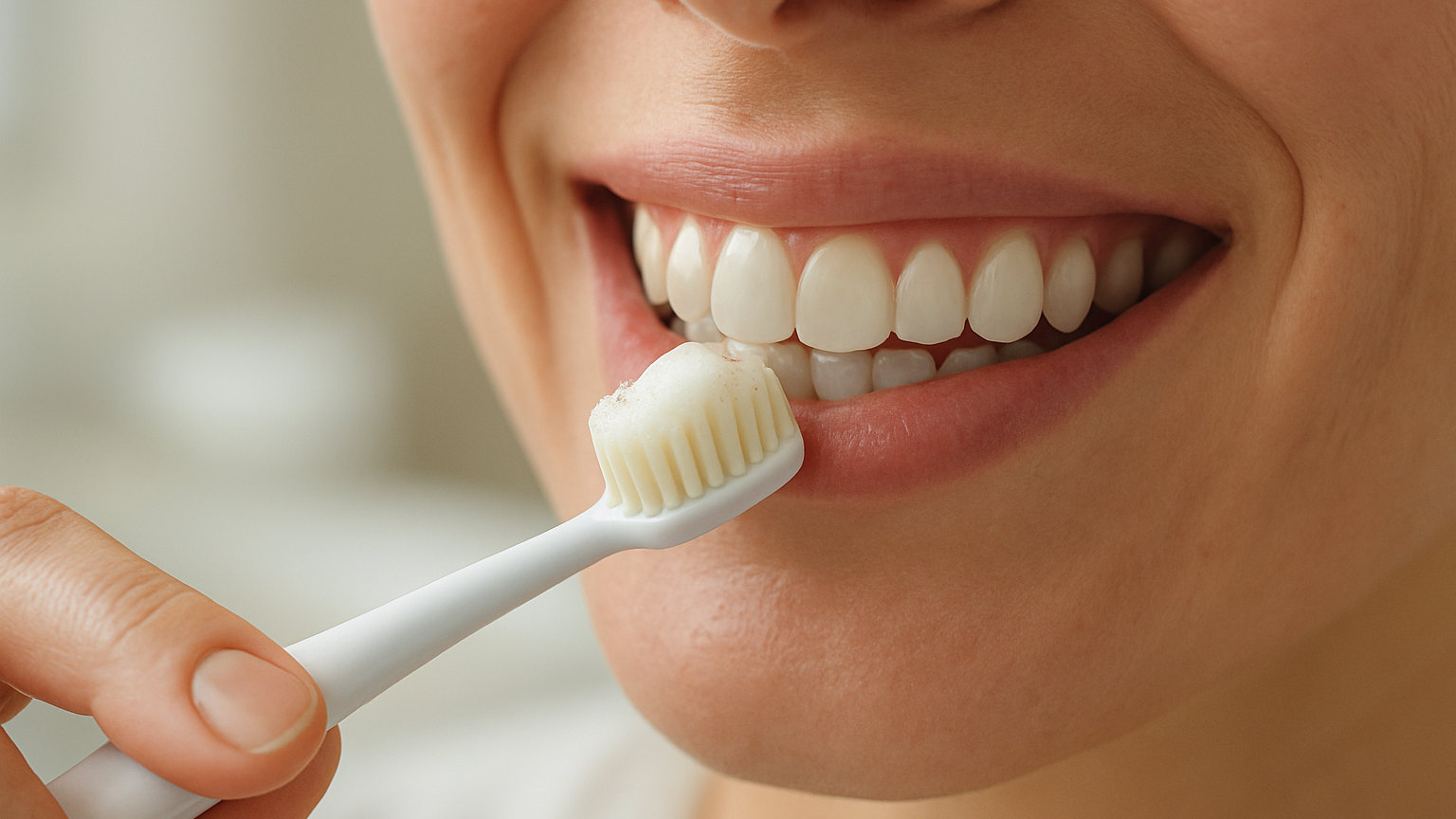
The correct response is to clean the area thoroughly and consistently, with a soft brush and light pressure but without avoiding it. Bleeding typically reduces within a week and stops within two to three.
Gentle and thorough are not opposites. Hard scrubbing damages gums; careful daily cleaning heals them.
What causes it?
Inadequate cleaning between the teeth, which is where most gum disease starts and which brushing cannot reach.
Plaque left along the gum line, which hardens into calculus within days and can then only be removed professionally.
Smoking, which is a major risk factor and, confusingly, reduces bleeding by constricting blood vessels while making the underlying disease worse.
Hormonal changes: pregnancy, puberty and the menstrual cycle all increase gum sensitivity to plaque. Pregnancy gingivitis is common and needs attention rather than dismissal.
Diabetes, particularly if poorly controlled. Certain medications. Stress. Vitamin C deficiency, which is uncommon and real.
What should you do about it?
Clean between your teeth daily, which is the single most effective change. Interdental brushes where the gaps allow, floss where they do not.
Brush twice daily for two minutes with a soft brush angled at the gum line, using fluoride toothpaste. Spit rather than rinse.
See a dentist or hygienist, since calculus below the gum line cannot be removed by brushing and will keep the inflammation going.
Give it two to three weeks of consistent cleaning before judging whether it has worked.
When is bleeding not gingivitis?
If it continues beyond three weeks of genuinely good cleaning, which suggests calculus that needs professional removal or something else entirely.
Spontaneous bleeding without brushing. Bleeding from one specific area only, which may indicate a local problem.
Bleeding alongside bruising elsewhere, frequent nosebleeds or unusual tiredness, which warrants a GP appointment as well as a dental one, since blood disorders and some medications present this way.
What are the signs it has progressed?
Gums receding, so teeth look longer. Persistent bad breath or a bad taste. Gums that feel tender or look purplish rather than pink.
Teeth that feel loose or have shifted position. Gaps appearing between teeth that were not there before. Pus around the gum line.
Any of these needs a dental appointment promptly rather than a change of toothpaste.
Does it matter beyond the mouth?
There is reasonable evidence linking periodontal disease with cardiovascular disease, diabetes control, and adverse pregnancy outcomes.
The relationships are complex and not fully established as causal in every direction. What is clear is that chronic inflammation anywhere in the body is not neutral, and gum disease is a common and treatable source of it.
What about mouthwash?
Antibacterial mouthwash can help as an adjunct during an active problem, and chlorhexidine in particular is effective and prescribed for short courses.
It is not a substitute for mechanical cleaning, and chlorhexidine used for more than a couple of weeks causes brown staining. Mouthwash rinses the surface; plaque has to be physically removed.


