
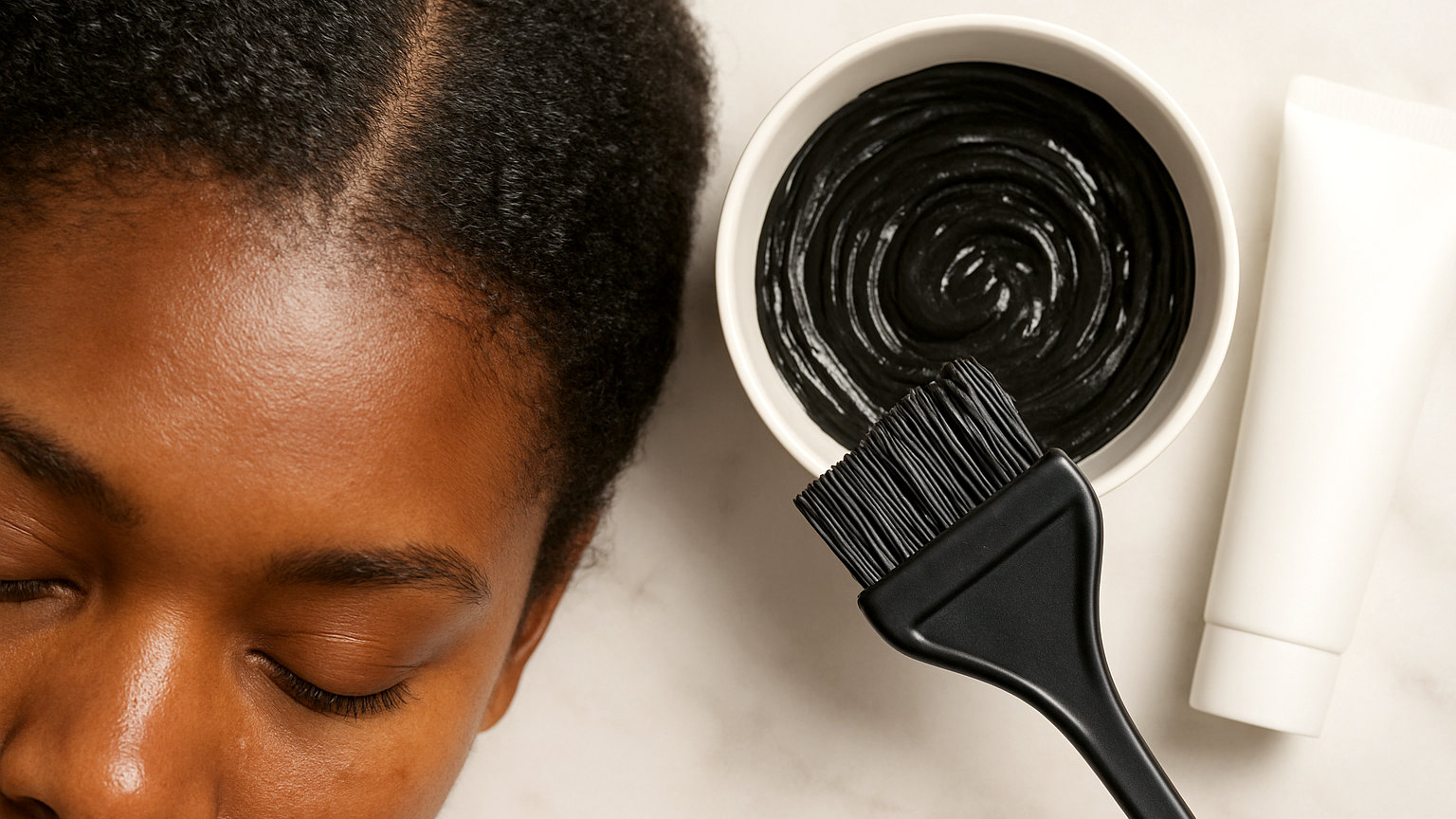
Reactions to hair products are common and frequently attributed to dryness, dandruff or stress. One ingredient in particular deserves genuine caution, because reactions to it can be severe rather than merely uncomfortable.
Which ingredients cause most reactions?
Methylisothiazolinone, a preservative, is among the most significant. It was widely used in rinse-off products before regulatory restrictions following a substantial rise in contact allergy across Europe.
Fragrance, including the components of essential oils. Linalool, limonene and citral are all plant-derived and all common allergens.
Cocamidopropyl betaine, a surfactant present in many products marketed as gentle. Formaldehyde-releasing preservatives. And paraphenylenediamine in hair dye, which is a category of its own.
How do you tell irritation from allergy?
Irritation is dose-dependent and immediate. It affects anyone with enough exposure, appears within minutes to hours, is confined to where the product touched, and improves when you reduce concentration or frequency. It stings or burns.
Allergy is an immune response requiring prior sensitisation, so it can appear with a product used happily for years. It is delayed by twelve to forty-eight hours, itches rather than stings, may spread beyond the application area, and can produce swelling or small blisters.
Once sensitised, you react to any amount, which is why an allergy means avoiding the ingredient permanently rather than using less of it.
Why does hair dye need particular care?
Because reactions to paraphenylenediamine can be severe, and because sensitisation can develop suddenly after years of uneventful use.
Mild reactions cause itching and redness at the hairline. Severe reactions cause significant swelling of the scalp, face and eyelids, and in rare cases anaphylaxis.
The allergy alert test on the packet is not marketing. It should be done forty-eight hours before every application, including with a product used many times before, and it is the single most important safety step in home colouring.
Black henna temporary tattoos are a specific hazard, since they frequently contain high concentrations of paraphenylenediamine and can sensitise someone for life, making future hair dye use dangerous.
Where do reactions show?
Often not on the scalp itself. Product runs down during rinsing, so reactions commonly appear at the hairline, behind the ears, on the back of the neck and on the upper back.
Eyelid dermatitis from shampoo and conditioner is common and rarely connected to hair products, since the reaction appears somewhere the product was never deliberately applied.
A rash in those distributions with a normal-looking scalp is a strong hint that a rinse-off product is responsible.
How do you identify the culprit?
Stop everything new introduced in the preceding month, and return to a short, fragrance-free routine for a fortnight.
Reintroduce one product at a time with a week between each. Keep the packaging rather than discarding it, since the ingredient list is the evidence.
If reactions recur across several products, ask a GP about referral for clinical patch testing, which uses standardised allergen panels and identifies the specific compound. Knowing you react to methylisothiazolinone rather than to shampoo in general makes shopping straightforward.
What should you do during a reaction?
Rinse thoroughly with cool water. Stop the product. Use a bland, fragrance-free shampoo only.
An antihistamine may help with itching. A short course of a mild topical steroid may be appropriate, which is worth asking a pharmacist about.
Seek urgent medical help for swelling of the face, lips or eyes, difficulty breathing, or a rash spreading rapidly, particularly after hair dye.
How do you reduce the risk?
Fewer products with shorter ingredient lists. Fragrance-free where possible, remembering that unscented can mean a masking fragrance was added.
Patch test anything new behind the ear for several days. Always patch test dye. And be sceptical of natural as a safety claim, since plant-derived fragrance compounds cause a substantial share of reactions.
Are salon products safer than shop ones?
Not inherently. Professional products are subject to the same cosmetic regulations and contain the same categories of preservative and fragrance, and some salon treatments use stronger active ingredients than anything sold for home use.
What a salon does offer is someone who applies the product correctly and can recognise a reaction, which matters. If you have reacted before, tell the stylist which ingredient rather than which brand, since the same allergen appears across many products and the brand name tells them nothing useful.


