
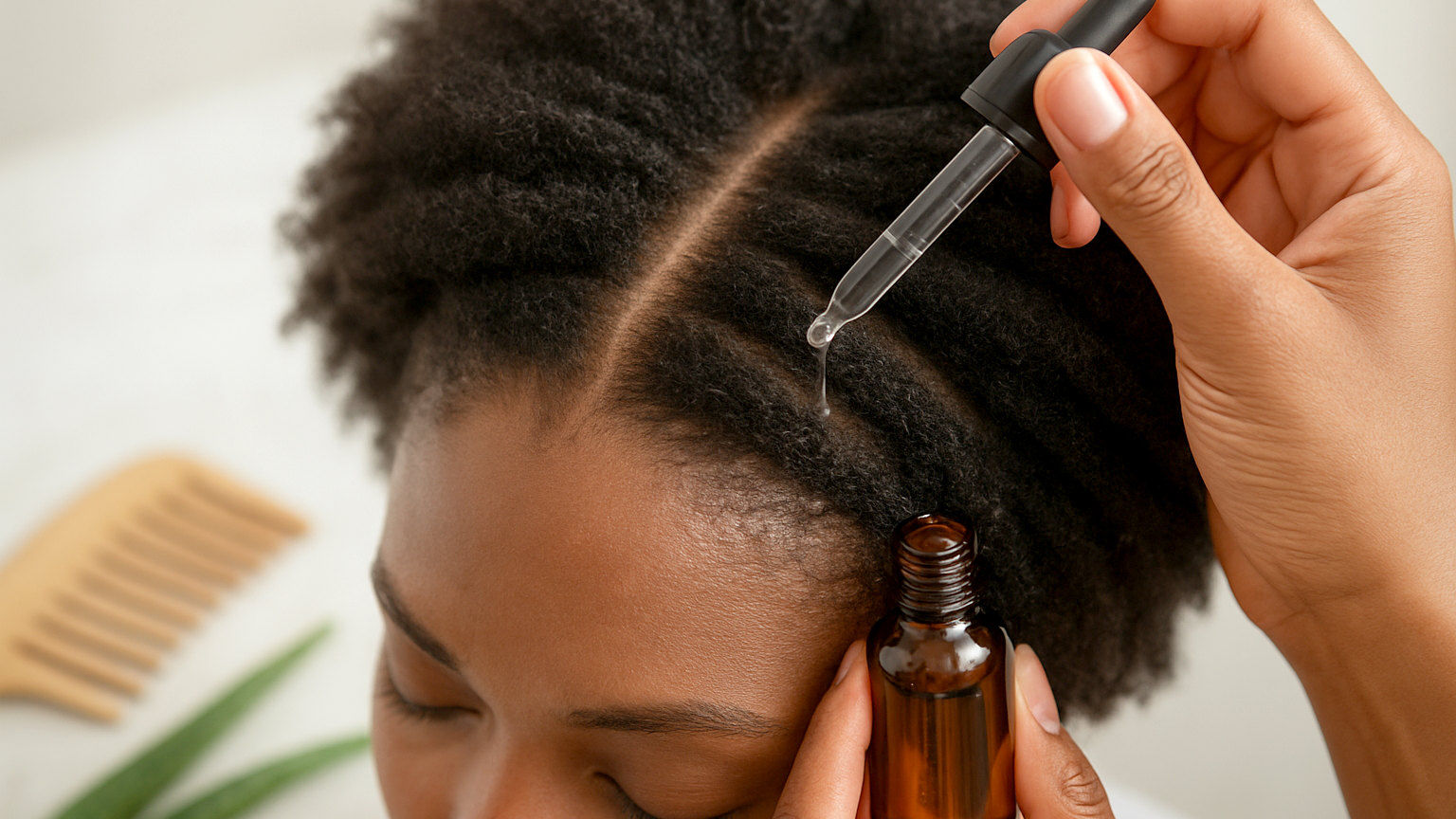
The single most useful idea in this area is that the scalp is skin. It has a barrier, a microbiome, sebaceous glands and the same vulnerabilities as the skin on your face, and treating it as an extension of the hair is why so many scalp problems persist.
How is scalp skin different from facial skin?
It has considerably more sebaceous glands and produces far more sebum. It has around a hundred thousand follicles creating openings through the surface. It is thicker than facial skin but has a barrier that behaves the same way.
It is also covered, which changes everything. Hair traps heat and moisture, holds product residue, and makes the scalp difficult to see, so problems progress further before being noticed.
What does a basic scalp routine involve?
Cleansing appropriately, which means washing often enough for your sebum production rather than following a rule. An oily scalp left unwashed for a week is not being protected.
Shampoo applied to the scalp specifically, massaged with fingertips rather than nails, for thirty to sixty seconds. Conditioner kept to the lengths.
Rinsing thoroughly, since residue is a common cause of itching and flaking. And leaving the scalp alone the rest of the time, which is the step people find hardest.
Does the scalp need exfoliating?
Occasionally, and less aggressively than the products suggest. Build-up of dead cells, sebum and product does occur, particularly with dry shampoo or heavy styling products.
A chemical exfoliant containing salicylic acid is preferable to a physical scrub, since grains applied to a scalp that may already be inflamed cause more harm than they remove. Once every week or two is sufficient.
Over-exfoliating the scalp produces the same barrier damage as over-exfoliating the face: tightness, sensitivity, increased oil and, frequently, more flaking.
Should you use oils on the scalp?
It depends entirely on which scalp. For a genuinely dry, tight scalp, a light oil massaged in before washing is helpful.
For anyone prone to dandruff or seborrhoeic dermatitis, oils feed the yeast involved and commonly make matters worse. This is the most frequent self-inflicted mistake in scalp care, because oiling feels like the obvious response to flaking.
If you are not sure which you have, the test is whether antifungal shampoo helps. If it does, keep oils off the scalp.
What about sun protection?
Routinely forgotten and genuinely important. The scalp faces upward, receives sun at the most direct angle, and burns readily along a parting or on thinning areas.
It is also a site where skin cancers are found late, because nobody looks there. A hat is the simplest answer; powder sunscreens and sprays exist for partings and work reasonably.
Does scalp health affect hair growth?
Indirectly and genuinely. A scalp with chronic inflammation is not a good environment for follicles, and conditions like seborrhoeic dermatitis are associated with increased shedding.
What is overstated is the idea that an unusually healthy scalp produces unusually good growth. Treating inflammation helps; there is no bonus above normal for scrubbing, oiling or massaging a scalp that was already fine.
Which habits cause problems?
Scratching with nails, which damages the barrier and worsens whatever caused the itch. Dry shampoo for several consecutive days, which accumulates and blocks follicle openings.
Very hot water, which strips the barrier. Tight styles, which cause traction and tenderness. Sleeping with wet hair, which creates a warm humid environment the yeast prefers. And ignoring itching for months, which is how a treatable condition becomes an entrenched one.
How often should you actually look at it?
Every couple of months, properly, with a hand mirror and hair parted in sections. It takes five minutes and it is the only way to notice a change early.
You are looking for redness, scaling, pustules, sore areas, moles or marks that are new or changing, and any area where the density looks different from the rest. A hairdresser sees your scalp more often than you do, and asking them to mention anything unusual is a reasonable arrangement.


