
Genuine dry scalp is less common than the number of products sold for it suggests, and it needs close to the opposite treatment to dandruff. That makes establishing which you have the first step rather than an afterthought.
How do you know it is actually dryness?
The flakes are small, fine, white and powdery rather than large, greasy and yellowish. The skin feels tight rather than itchy, particularly after washing.
You probably have dry skin elsewhere: hands, shins, face. It worsens in winter and with harsh shampoo, and improves with gentler washing.
The decisive test is what happens with antifungal shampoo. Dandruff improves within a few weeks; genuine dryness does not, and often gets worse because those shampoos are drying.
What causes it?
Over-washing, or washing with something too strong. Sulfate-heavy shampoos, clarifying shampoos used weekly, and true soap-based bars all strip the scalp barrier.
Hot water, which dissolves barrier lipids far more effectively than warm water.
Environment: cold dry air outdoors and central heating indoors, which can push humidity below twenty per cent. Hard water, which leaves residue and raises skin pH.
Age, since sebum production declines, and particularly after menopause. And some medications, notably oral retinoids.
What should you change first?
The shampoo. A gentle, sulfate-free or low-foaming formula, fragrance-free if the scalp is sensitive, applied to the scalp and rinsed with lukewarm rather than hot water.
Reduce washing frequency modestly if you have been washing daily with something harsh, though not so far that sebum accumulates, which causes its own problems.
Stop clarifying shampoos, scalp scrubs and any exfoliating treatment while the barrier recovers.
What helps directly?
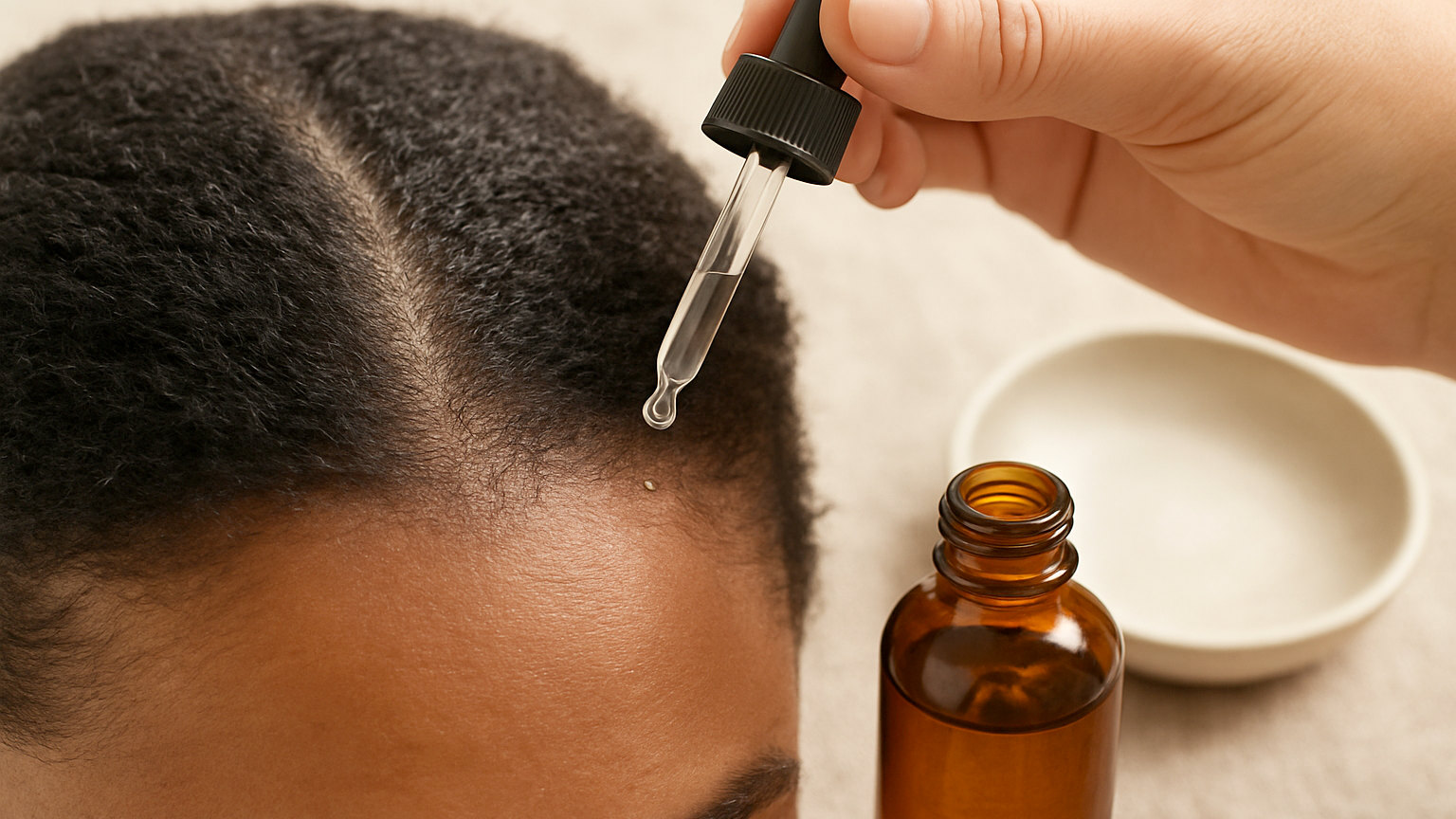
A pre-shampoo oil treatment, applied to the scalp thirty minutes to an hour before washing. Jojoba and squalane are light and well tolerated. This suits genuine dryness and is exactly wrong for dandruff, which is why the diagnosis matters.
Leave-on scalp serums containing humectants such as glycerin, panthenol or hyaluronic acid, with niacinamide to support the barrier.
Aloe vera preparations, which soothe and hydrate without weight.
A humidifier in winter, which addresses the cause rather than the symptom and helps skin generally.
What makes it worse?
Scratching, which damages the barrier further and can introduce infection. Hot water and long showers.
Anti-dandruff shampoos, which are drying by design and are the wrong treatment here. Alcohol-heavy styling products and dry shampoo applied to an already dry scalp.
Heat styling directed at the scalp, and frequent bleaching or chemical processing.
How long should it take to improve?
Two to four weeks with consistent gentler care, matching the time the skin barrier takes to rebuild.
Comfort usually returns within days, which is misleading, and reverting to old habits at that point restarts the cycle. Give it a full month before deciding it has not worked.
What if it does not improve?
Then it was probably not simple dryness. Reconsider seborrhoeic dermatitis, which is far more common, and try an antifungal shampoo properly for four weeks with five minutes of contact time.
Consider contact dermatitis from a product, particularly if it began after a change. Consider psoriasis if there are raised plaques or silvery scale.
And consider eczema, particularly if there is a personal or family history of asthma or hay fever, since scalp eczema is common and responds to treatment a moisturiser cannot provide.
When should you see a GP?
If the scalp is cracked, weeping or bleeding. If there is hair loss from affected areas. If it itches enough to disturb sleep.
And if four weeks of gentle care plus four weeks of antifungal treatment have both failed, since at that point the diagnosis is genuinely unclear and worth a proper look.
Does a dry scalp mean dry hair?
Not necessarily, and the two are separate problems needing separate treatment. Hair can be dry because it is damaged and porous while the scalp is producing plenty of oil, and a scalp can be dry while the lengths are perfectly conditioned.
Treat them independently: gentle cleansing and barrier support for the scalp, conditioner and masks for the lengths. Applying a rich hair mask to the scalp in the hope of fixing dryness is a common error and tends to cause build-up rather than relief.


