
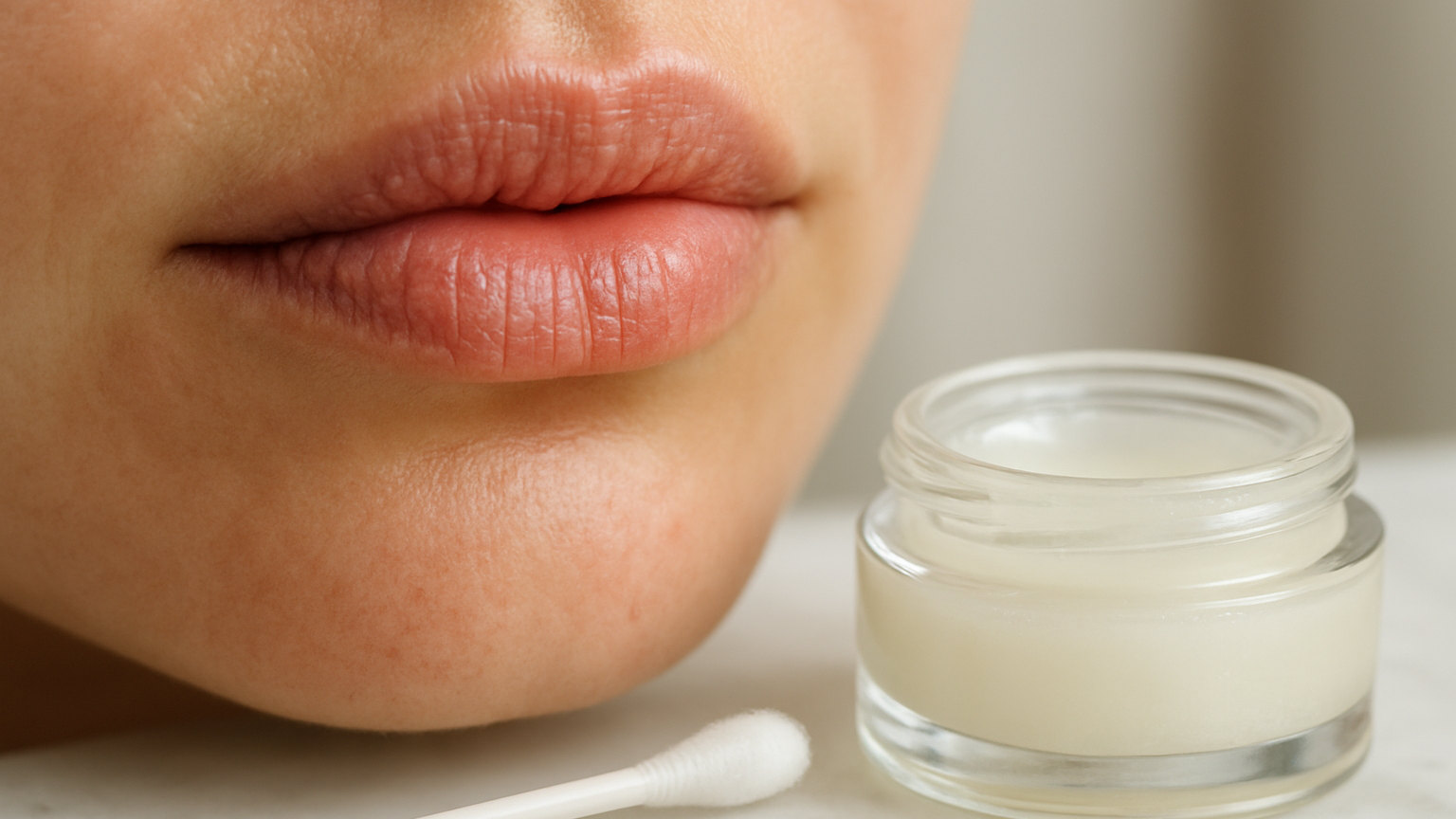
Lip colour comes from blood vessels showing through very thin skin, with a small contribution from melanin. Changes therefore reflect either the vessels, the pigment or the thickness of the skin covering them.
What makes lips darker?
Melanin, which varies naturally and increases in many people over time. Deeper pigmentation of the lips is entirely normal and common in medium and deeper skin tones.
Sun exposure, which stimulates pigment production on lips as on any skin.
Smoking, which darkens lips through both nicotine staining and reduced blood flow, producing the pattern sometimes called smoker's melanosis.
Post-inflammatory pigmentation following cold sores, chapping, allergic reactions or repeated irritation.
Dehydration and chronic chapping, where thickened dry skin looks darker.
Some medications, including certain antimalarials, chemotherapy drugs and minocycline.
What makes lips paler?
Anaemia, which is one of the more useful signs here. Iron deficiency reduces haemoglobin, and since lip colour comes from blood showing through, pale lips alongside fatigue, breathlessness or pale inner eyelids warrant a blood test.
Cold, which constricts surface vessels temporarily.
Poor circulation.
Vitiligo, which can affect the lips and produces well-defined patches of complete pigment loss.
What causes blue or purple lips?
This is the one that matters most. Blue or purple lips, called cyanosis, indicate insufficient oxygen in the blood.
Cold exposure causes temporary bluish lips that resolve on warming, which is common and harmless.
Blue lips alongside breathlessness, chest pain, confusion or difficulty breathing is a medical emergency requiring immediate help.
Persistent bluish discolouration without an obvious cause needs prompt assessment, since heart and lung conditions present this way.
Does makeup cause it?
Occasionally. Long-wear and liquid matte formulas dry the lips, and repeated irritation over years can contribute to post-inflammatory pigmentation.
Some pigments cause contact allergy, producing swelling, itching and subsequent darkening. Certain reds and the preservatives in some formulas are recognised culprits.
Not removing lipstick thoroughly, particularly strongly pigmented shades, allows staining, though this is superficial and resolves.
If lips darken after starting a specific product, stopping it for a few weeks is the simplest test.
What about a dark line or patch?
A new dark spot or patch on the lip, particularly if it is growing, irregular or asymmetrical, needs a GP appointment.
Melanoma occurs on the lips, and though uncommon, it is found late because changes are attributed to staining or chapping.
Multiple small dark spots on the lips and inside the mouth appearing from childhood can indicate Peutz-Jeghers syndrome, an inherited condition warranting assessment.
A single flat brown patch present for years and unchanging is usually a benign melanotic macule.
What helps with general darkening?
Sun protection, which prevents further pigmentation and is the foundation of any improvement.
Stopping smoking, which is the single largest reversible factor where it applies.
Consistent moisturising, since dry thickened lips look darker than well-hydrated ones.
Gentle exfoliation once or twice a week if there is flaking, not more.
Time, since post-inflammatory pigmentation on lips fades over months.
What should you avoid?
Lightening creams and home remedies applied to the lips, including lemon juice, which is acidic, irritating and worsens pigmentation through inflammation.
Aggressive scrubbing, which causes the inflammation that produces more pigment.
Unregulated skin lightening products, which frequently contain mercury or potent steroids and are particularly ill-advised on skin this thin and this close to the mouth.
Picking at flaking, which is a direct route to post-inflammatory darkening.
When should you see a GP?
Blue or purple lips, urgently if accompanied by breathlessness or chest pain.
Persistently pale lips with fatigue or breathlessness.
Any new, growing, irregular or asymmetrical dark spot.
Any sore, ulcer, lump or white patch that has not healed within three weeks.
A sudden change in lip colour without an obvious explanation.
Can you even out lip tone with makeup?
Reasonably well, and it is the sensible first approach.
A lip liner filled across the whole lip creates an even base that neutralises unevenness before colour goes on, which works better than lipstick alone.
A thin layer of concealer over the lips before lipstick evens the tone further, though it dries them, so balm underneath matters.
Opaque and satin formulas cover unevenness; sheer and glossy formulas let it show through, which is worth knowing when a shade looks patchy.


