
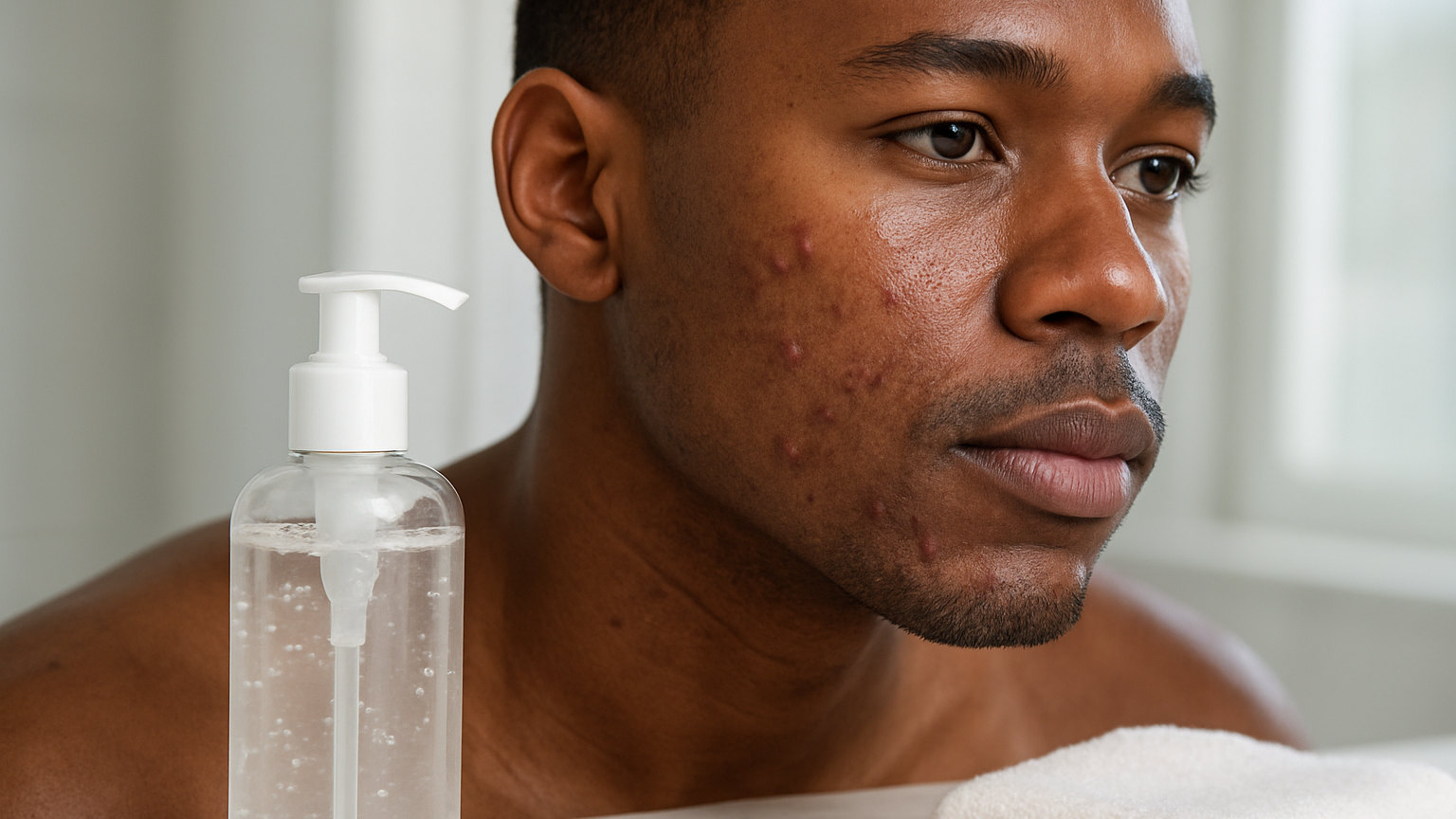
Getting spots at thirty-five when you had clear skin at fifteen feels like an unfair reversal, and the instinct is to reach for whatever was on the bathroom shelf during adolescence. That instinct is the problem. Adult acne is a different presentation with different drivers, and it responds badly to teenage treatment.
How common is it?
Common enough that the word adult is doing very little work. Studies consistently find that a substantial minority of women in their thirties and a smaller but significant proportion of men experience persistent or late-onset acne.
There are two patterns. Persistent acne carried on from adolescence without ever fully clearing. Late-onset acne appeared for the first time after twenty-five, in someone whose teenage skin was fine. The second is more disconcerting and more likely to have an identifiable trigger.
How does it differ from teenage acne?
In where it appears, how deep it sits, and what the surrounding skin is doing.
Teenage acne is oil-driven and spreads across the forehead, nose and chin, with plenty of blackheads and whiteheads alongside inflamed spots. Adult acne concentrates on the lower third of the face, the jawline and the neck. It produces fewer comedones and more deep, tender, inflammatory lesions that take a fortnight to resolve.
The crucial difference is the skin around it. Teenage skin is usually oily throughout. Adult skin is often normal or dry, with barrier function already declining, so it is simultaneously breaking out and struggling to hold water.
Why do teenage products make it worse?
Because they were designed to remove oil from skin that had far too much of it, and adult skin does not.
Foaming sulfate cleansers, alcohol-heavy toners, 10 per cent benzoyl peroxide and physical scrubs all strip lipids. On teenage skin that is tolerable. On skin in its thirties it produces a damaged barrier, and a damaged barrier is inflamed, which drives more spots. This is why people describe getting worse the harder they try.
The productive approach usually involves adding rather than stripping: a gentle cleanser, a moisturiser, and one active ingredient doing targeted work.
What is driving it?
Hormonal fluctuation is the most common thread, which is why the jawline distribution is so characteristic. Coming off the combined pill is a frequent trigger and can take six months or more to settle. Switching to a progestogen-only method can provoke it. Perimenopause does it from the other direction as oestrogen falls and the ratio to androgens shifts.
Stress contributes genuinely, through cortisol raising oil production and through the behaviours that accompany a difficult period. Some medications are implicated, including certain steroids and lithium. Polycystic ovary syndrome is worth ruling out if acne arrives alongside irregular periods or unusual hair growth.
Occasionally the cause is external and easily missed, such as a rich new moisturiser, hair products migrating onto the jaw, or a mask worn all day at work.
What actually works for adult skin?
A topical retinoid is the single most useful ingredient, because it treats acne and the visible signs of ageing at once, which is a rare piece of good luck for anyone dealing with both.
Azelaic acid deserves more attention than it gets. It reduces inflammation, treats the pigmentation left behind, and is well tolerated by dry and sensitive skin, which describes a lot of adult acne.
Benzoyl peroxide still has a place for inflamed spots, at 2.5 per cent rather than the strength you may remember. Niacinamide reduces oil and calms redness without stripping. And a moisturiser is not optional, because every one of these is drying.
When should you see a GP?
Earlier than for teenage acne, for a simple reason: adult skin heals more slowly and scars more readily, and the deep inflammatory lesions typical of this pattern are the ones that scar.
If spots are deep and painful, if they track with your cycle, if marks are persisting, or if three months of sensible treatment has changed nothing, book the appointment. Hormonal treatment acts on the actual cause and takes three to six months to work, so there is nothing to gain from waiting.


