
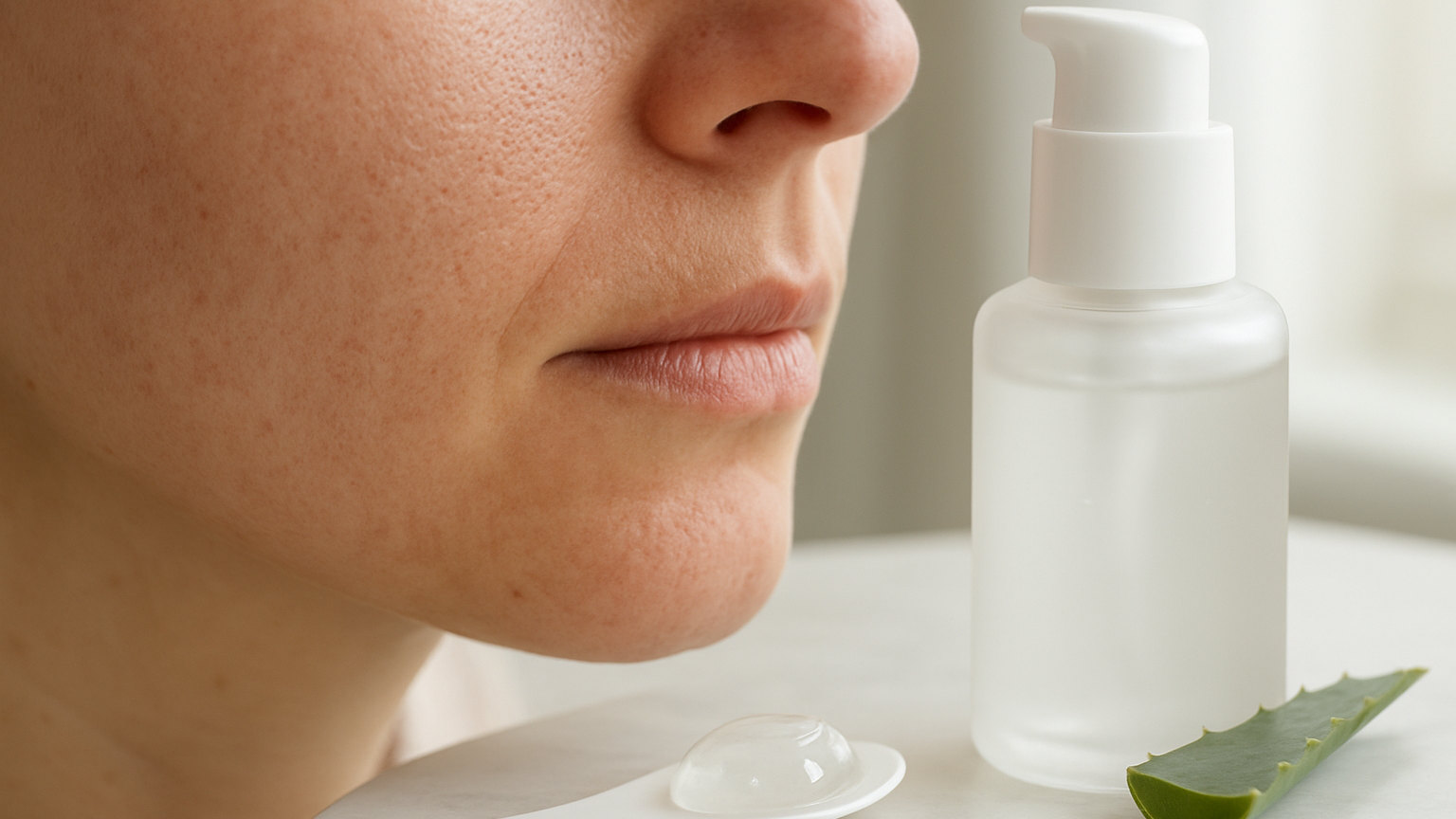
Leaving moisturiser out because your skin is already oily is intuitive and wrong, and it is probably the single most common self-inflicted obstacle in acne care. The reasoning fails at the first step, because oil and water are not the same thing and skin can be short of one while producing too much of the other.
Why does oily skin still need moisturiser?
Because oiliness is about sebum and hydration is about water, and they are independent.
Skin that is short of water is described as dehydrated, and it can be dehydrated and greasy simultaneously. When water loss increases, the skin barrier signals for more oil to seal the surface, so restricting moisture tends to produce more shine rather than less.
There is a second reason that matters more. Every effective acne treatment is drying. Benzoyl peroxide, salicylic acid and retinoids all compromise the barrier as a side effect of doing their job. Moisturiser is what makes it possible to keep using them consistently, and consistency is what clears acne.
Does moisturiser cause spots?
The wrong moisturiser can. Heavy occlusive formulas sitting on skin that is already producing plenty of oil can contribute to blockage, and certain ingredients are more likely than others to do so.
But the effect is smaller and less universal than the internet suggests. Most reports of a moisturiser causing a breakout are either a purge from something else started at the same time, or an irritation reaction to a fragrance or preservative rather than a true comedogenic effect.
If a product genuinely does not suit you, that shows up as small uniform bumps in the areas you applied it, appearing within two to four weeks.
What does non-comedogenic actually mean?
Almost nothing, legally. It is not a regulated term, there is no standard test a product must pass, and no body verifies the claim. A manufacturer can print it on any label.
The comedogenicity ratings circulating online are worth even less. They derive largely from studies applying pure ingredients to rabbit ears in high concentrations, which tells you very little about a finished formula at 2 per cent on human facial skin.
Treat the phrase as a rough signal of intent rather than a guarantee, and treat your own skin over four to six weeks as the only real test.
What should you look for?
Texture first. A gel, gel-cream or light lotion rather than a rich cream. Water high in the ingredient list.
Then humectants, which draw water into the skin: glycerin, hyaluronic acid, panthenol, urea. Glycerin is unglamorous, cheap and among the most effective.
Then ceramides, cholesterol and fatty acids, which rebuild the barrier that acne treatment strips. These are the ingredients that make a retinoid tolerable.
Niacinamide is a genuine bonus in this category, since it reduces sebum production, calms inflammation and helps fade the marks left by previous spots.
What is worth avoiding?
Heavy plant butters and coconut oil on facial skin, which are among the more reliably pore-blocking materials. Thick petrolatum-based ointments on acne-prone areas, though they are excellent elsewhere. Added fragrance, which is a leading cause of irritation on skin already compromised by treatment. And alcohol high in the ingredient list, which undoes the point of the product.
Isopropyl myristate and its relatives have a poor reputation in acne-prone skin and are worth checking for if a product has not agreed with you.
When should you apply it?
Within a few minutes of cleansing, while skin is still slightly damp, because humectants work best when there is water available to hold.
If you are using a retinoid and finding it harsh, applying moisturiser first and the retinoid on top reduces irritation substantially with only a small reduction in effect. That trade is usually worth it, since a retinoid you can tolerate nightly beats a stronger routine you abandon after a fortnight.
Do you need a different one in summer?
Often, yes, and switching is not fussiness. Skin loses less water in humid conditions and produces more oil in heat, so the cream that suited you in January can feel heavy by July.
A lighter gel through the warmer months and something richer in winter is a reasonable pattern for most acne-prone skin. What should not change is whether you use one at all.


