
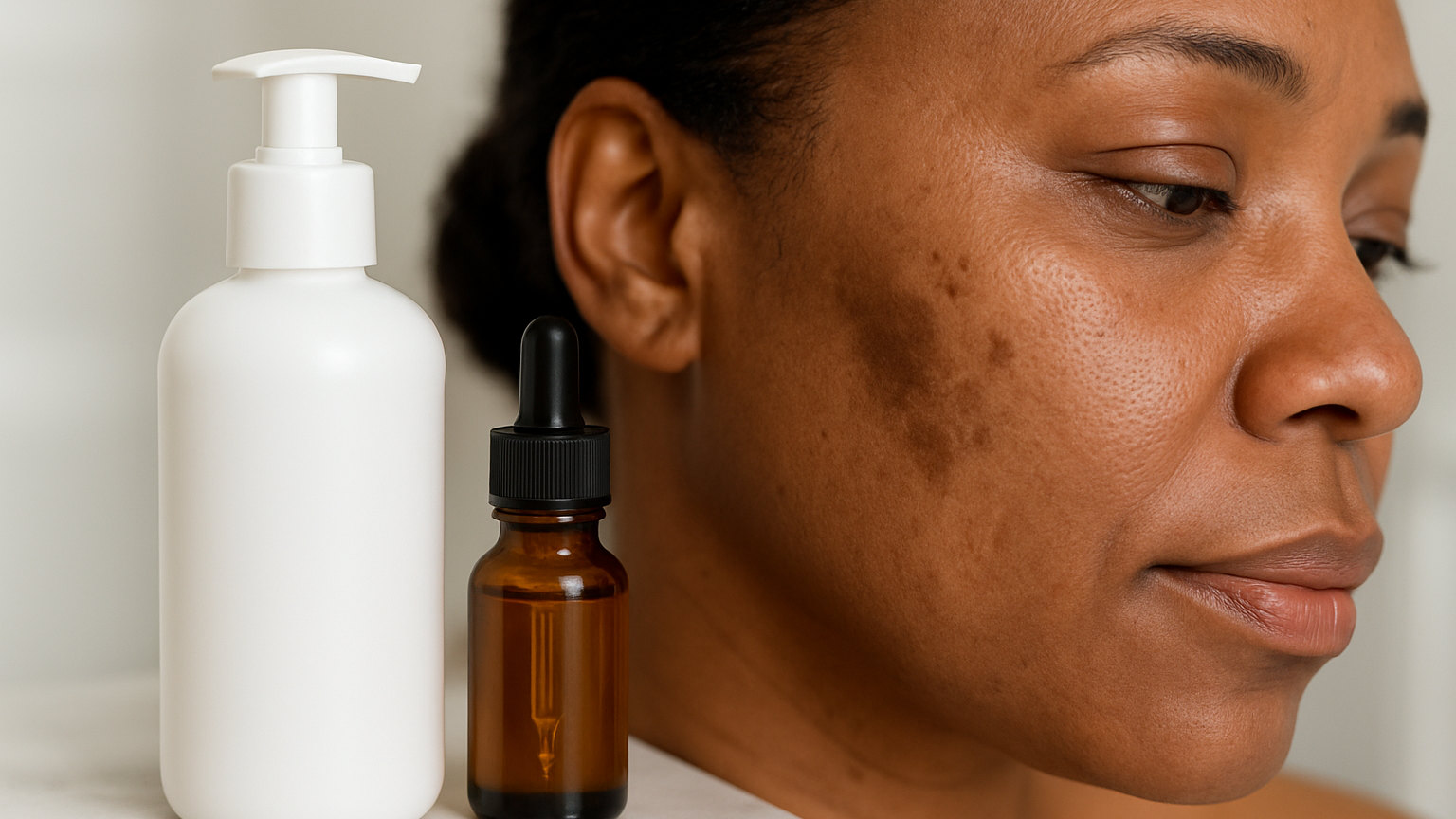
This is the question people ask after spending six months and a good deal of money getting somewhere, and the answer differs sharply by type. Knowing which you have decides whether you are running a course of treatment or committing to a maintenance routine indefinitely.
Which types return?
Melasma, reliably. It is a chronic condition driven by hormones and provoked by light and heat, and treatment suppresses it rather than curing it. Recurrence rates after successful treatment are high, and most people who stop entirely see it return within months.
Sun spots return in the sense that new ones form, since the cause is ongoing exposure. A treated spot generally stays gone; the skin around it continues accumulating damage.
Post-inflammatory pigmentation does not return once it has faded, unless the same area is inflamed again. That is the most encouraging category, and it is also the most common.
Why does melasma recur so readily?
Because the melanocytes involved remain abnormally responsive even when the visible pigment has cleared. The pigment is the symptom; the underlying sensitivity persists.
Studies examining treated melasma have found that the melanocytes remain larger and more active than in unaffected skin, so any stimulus, whether a sunny holiday, a hormonal change or a course of aggressive treatment, restarts it quickly.
That is why the sensible framing is management rather than cure, and why maintenance is not a sign that the treatment failed.
What does maintenance actually involve?
Less than active treatment, and it cannot be nothing.
Daily broad-spectrum sunscreen, ideally tinted with iron oxides for melasma, all year. A pigment-inhibiting ingredient a few times a week rather than daily, commonly azelaic acid or niacinamide. Periodic short courses of stronger treatment where needed, under supervision if prescription products are involved.
Most people find they can reduce to two or three applications a week and hold the result, which is a considerably lighter routine than the one that achieved it.
Why do results fade after stopping?
Because the ingredients act on a process that continues. Tyrosinase inhibitors suppress an enzyme that resumes normal activity once the inhibitor is withdrawn. Retinoids accelerate turnover only while they are being used.
None of them permanently alter how melanocytes behave. That is not a failing of the products; it is what topical treatment is.
Does laser or peeling give a permanent result?
For discrete sun spots, often yes: the treated lesion is removed and does not usually reform in the same place.
For melasma, no, and frequently worse than no. Laser produces heat, heat is a trigger, and rebound pigmentation after laser treatment of melasma is common enough that many practitioners avoid it entirely.
Peels can help superficial pigmentation and carry the same rebound risk if too aggressive, particularly in deeper skin tones.
What triggers a recurrence?
A holiday, most commonly, and the effect often appears several weeks later. Pregnancy or a change in hormonal contraception. Starting hormone replacement therapy.
Heat exposure independent of sun, including saunas and hot yoga. A period of over-exfoliation or an irritating product. And simply stopping sunscreen through a British winter, then being caught out by a bright March.
How should you think about the timescale?
In years rather than months. The people who do best treat it as a long-running project with active phases and maintenance phases, usually treating harder through autumn and winter and protecting through spring and summer.
Framing it that way from the start makes the maintenance sustainable. Expecting a permanent fix generally leads to escalating treatment when it returns, which is the route to making it worse.
What should you do if it comes back?
Return to what worked rather than escalating to something stronger, which is the instinctive response and usually the wrong one.
Identify the trigger first: a holiday, a change in medication, a period of over-exfoliation, or simply a lapse in sunscreen through spring. Removing the trigger often does more than intensifying treatment, and it avoids the rebound that aggressive treatment causes in exactly the conditions most likely to recur.


