
Skin in January and skin in July are working in different conditions, and a routine that never changes is asking one set of products to handle both. The adjustments are small and make a disproportionate difference.
What actually changes?
Sebum production rises measurably with temperature, so skin is oilier in summer regardless of type. Humidity affects how quickly water leaves the skin, and cold air holds far less of it.
Indoor environments swing further than outdoor ones. Central heating produces very low humidity, sometimes comparable to desert conditions, and air conditioning does the same in summer.
Ultraviolet intensity varies enormously across the year in the UK, from a winter index near zero to six or higher in midsummer.
What should change for winter?
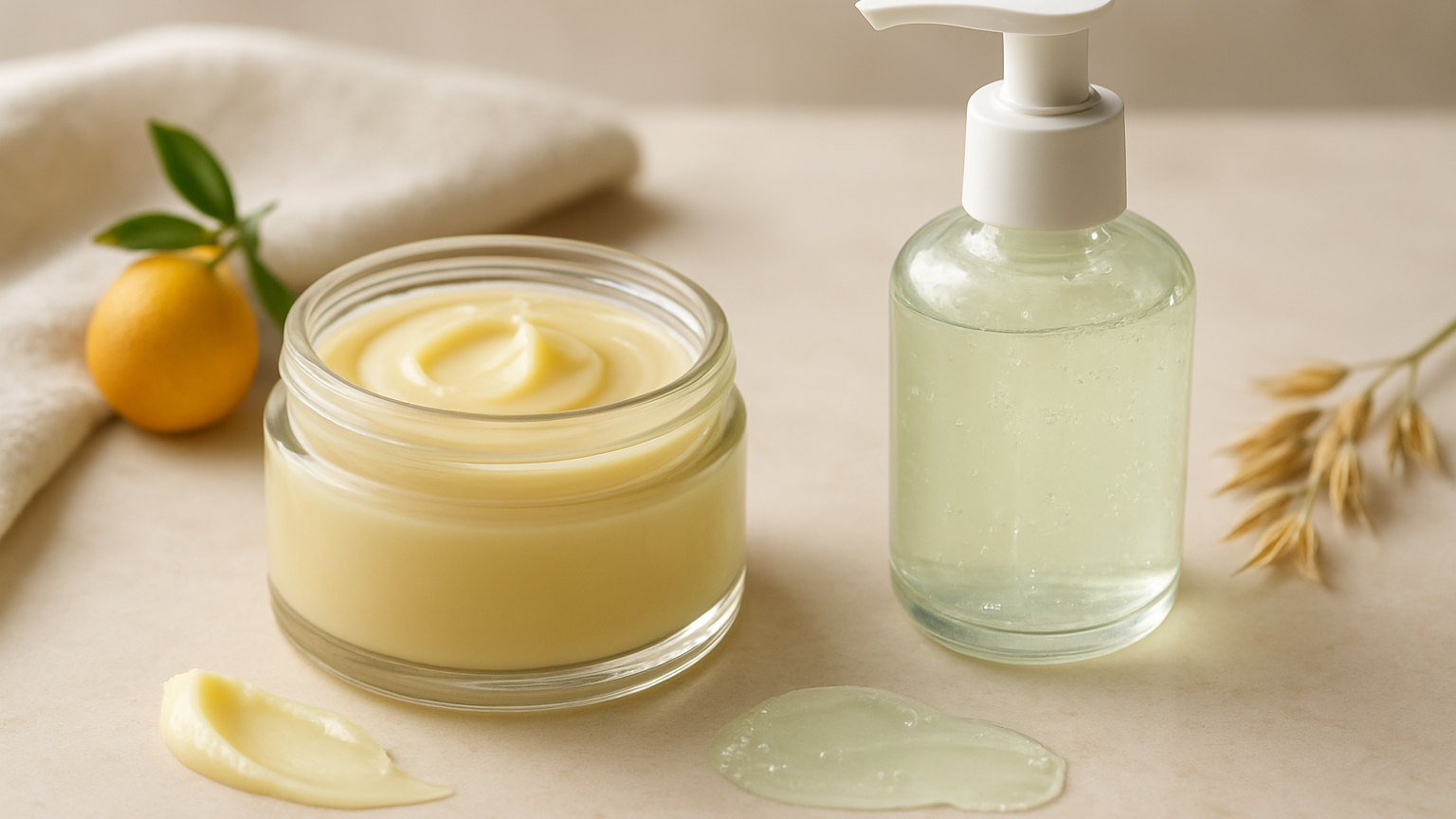
Texture, mainly. A cream instead of a lotion, or an occlusive layer at night over your usual moisturiser. A cream or balm cleanser instead of a gel or foam.
Add a humectant serum under the moisturiser, applied to damp skin. Reduce exfoliation, often by half, since skin tolerates less when the barrier is under strain.
Pay attention to hands, lips and shins, which suffer first. And keep sunscreen, because ultraviolet A persists year-round and snow reflects a substantial proportion of it.
What should change for summer?
Lighter textures. A gel or fluid moisturiser, and a gel or fluid sunscreen rather than a cream.
More sunscreen and more reapplication, since exposure rises sharply. A tinted formula if you are treating pigmentation, since visible light matters more when there is more of it.
You may be able to increase exfoliation modestly, though anyone treating pigmentation should do the opposite, since the risk of provoking it is higher in summer.
What stays the same all year?
Sunscreen every morning. A retinoid, if you use one, though with more attention to protection in summer.
The core three of cleanser, moisturiser and sunscreen. What changes is the formulation rather than the structure of the routine.
How do you know it is time to switch?
By how your skin responds rather than by the calendar. Tightness after cleansing, flaking, or moisturiser that no longer feels sufficient means it is time for something richer.
Heaviness, congestion, or makeup sliding off by midday means it is time for something lighter. Both signals usually appear a few weeks after the weather actually turns, so following the skin is more reliable than following the date.
Does travel count as a season?
Effectively, yes, and it catches people out. A week in a hot humid climate or a dry mountain one changes conditions faster than any seasonal shift at home.
Flights are particularly dehydrating, with cabin humidity often below twenty per cent. A richer moisturiser on the plane and for a day or two afterwards is a reasonable adjustment.
Changing water hardness on holiday can also produce a noticeable difference, which is worth knowing before blaming the hotel soap entirely.
Is it worth owning two of everything?
Two moisturisers and two sunscreens, realistically. Cleanser is the third most useful thing to duplicate, since a gel that suits July often strips in January.
Buying smaller sizes of each rather than large ones prevents products expiring before you return to them, which is a common and quiet waste. Sunscreen in particular should not be kept from one summer to the next if it has been anywhere warm.
What about spring and autumn?
These are the transitions where most people get caught out, because the weather changes before the routine does.
Spring is when ultraviolet rises sharply while it still feels cool, so it produces more unexpected burning than midsummer does. It is also when a winter cream starts to feel heavy and congest skin that is producing more oil again.
Autumn is the opposite, and it is the best time of year to begin a retinoid or step up treatment, since exposure is falling and there are months of low ultraviolet ahead in which to build tolerance.
Does the same apply to the body?
More than people allow for. Shins, forearms and hands dry out considerably in winter and are the first places to itch, and they are also the areas most often left out of any routine.
Switching to a richer body moisturiser from October, and applying it within a few minutes of a shower while skin is damp, addresses most of it. In summer, a lighter lotion is usually enough, with sunscreen taking over as the more important step.


