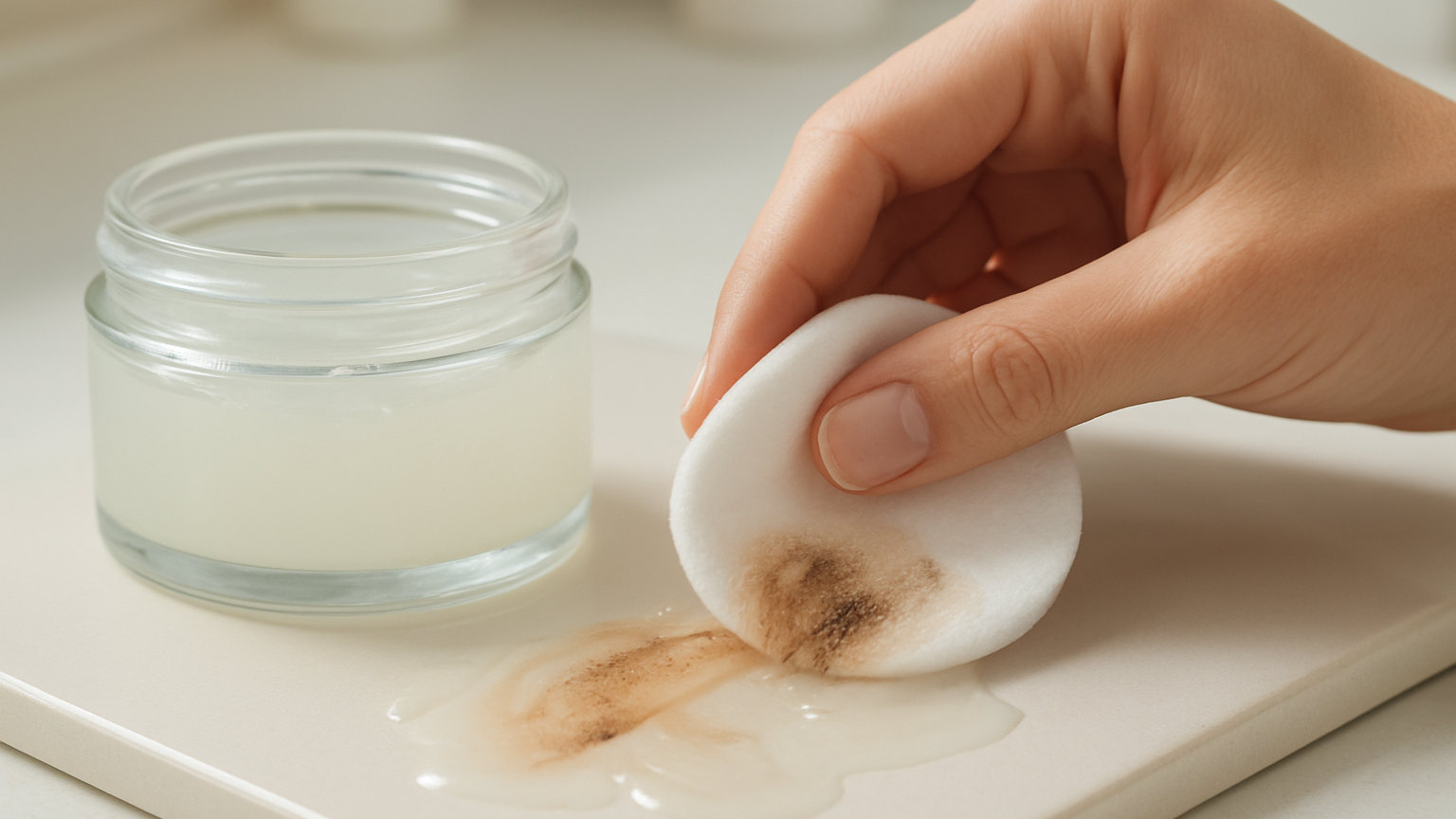
How Do You Remove Makeup Properly?
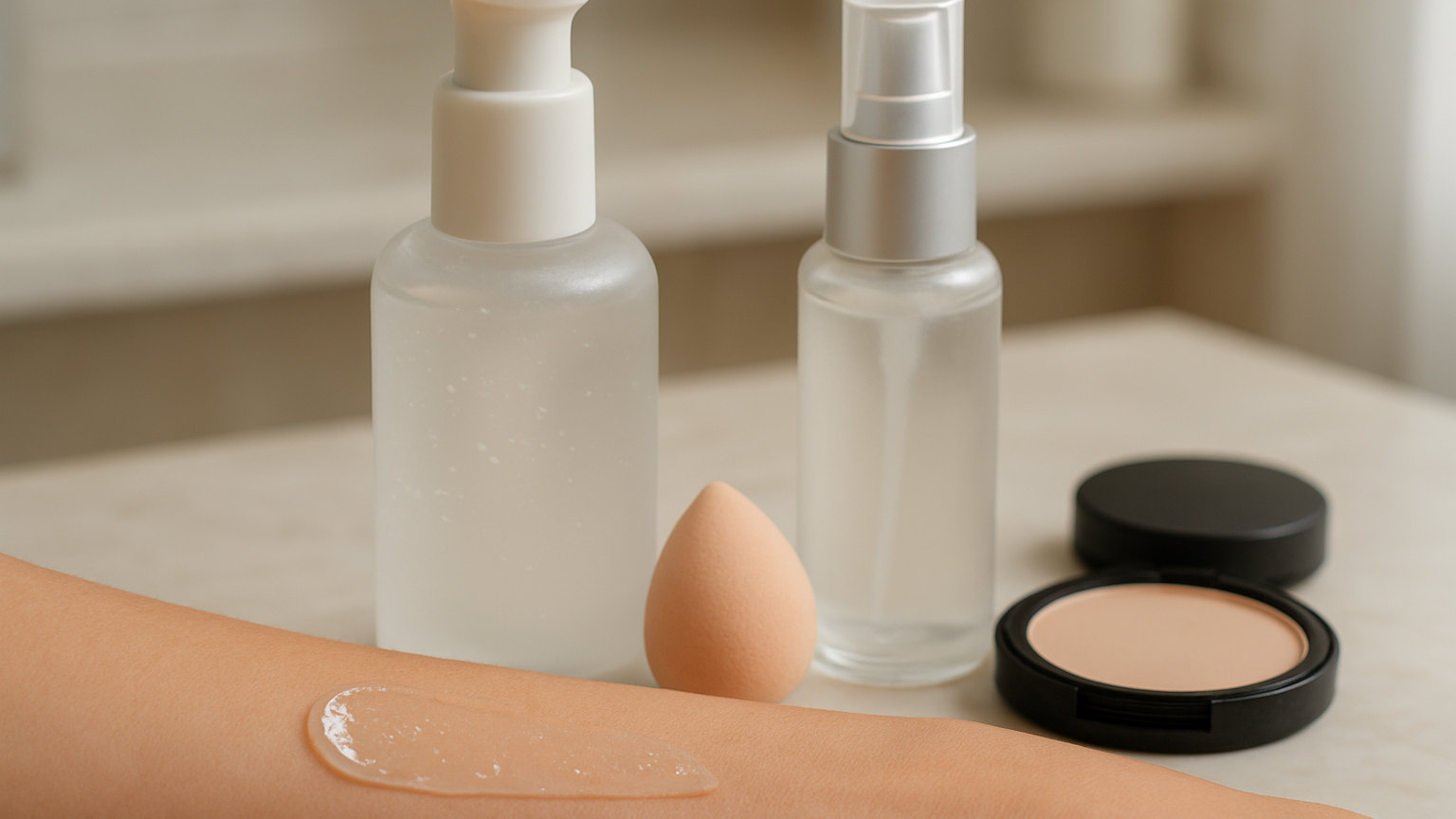
Removal is where most makeup-related skin damage happens, and the fix is dissolving rather than scrubbing.
By Beauty Advice Team
2 Mar 2026

Makeup is a skill before it is a shopping list, and fragrance is a vocabulary before it is a purchase. These guides teach both: how to match a base to your skin rather than to a shade name, the techniques that make cheap products look expensive, and how to read a fragrance by its notes and family so you can pick one without standing in a shop being sprayed at. Nothing here is a product review, and nothing is a paid placement.
Removal is where most makeup-related skin damage happens, and the fix is dissolving rather than scrubbing.
Longevity is decided by the base rather than by the setting spray, and the main variable is how much product went on in the first place.
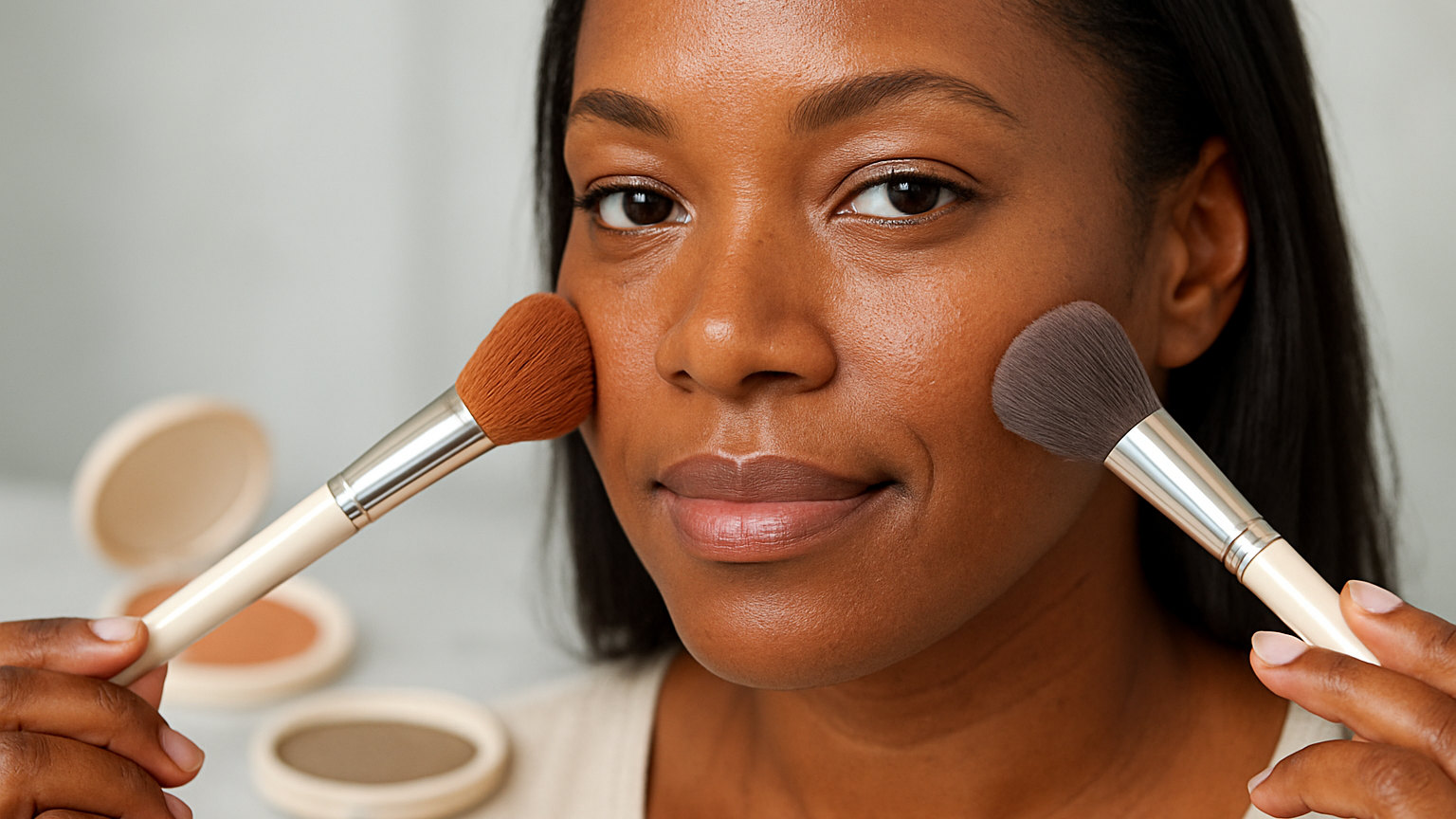
They do different jobs and need different undertones, and using a bronzer to contour is the reason so much of it looks muddy.
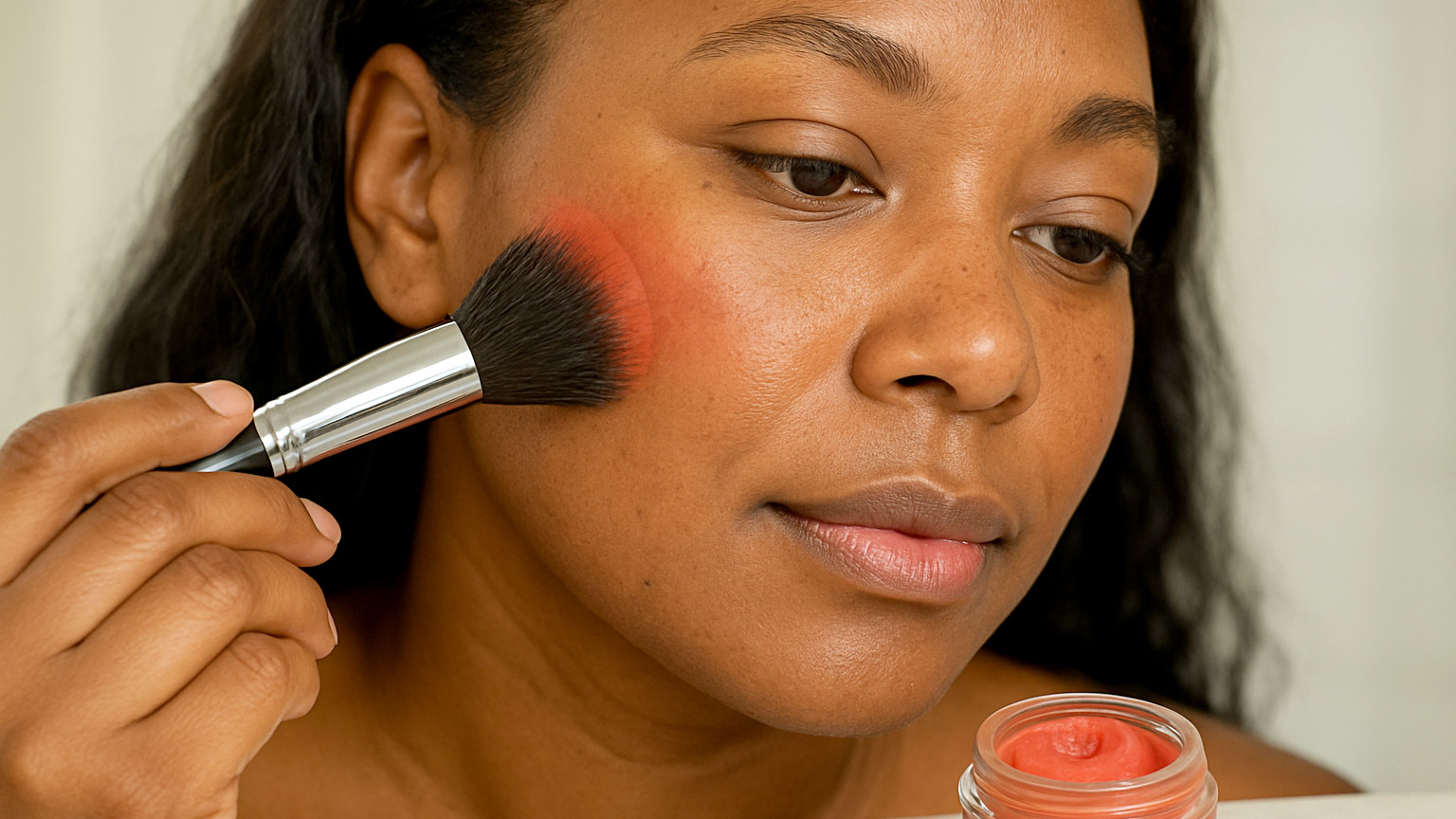
Placement changes the shape of a face more than shade does, and the standard advice about the apples of the cheeks suits fewer people than it is given to.
Both solve specific problems and neither is a necessary step, and buying either without a problem to solve is where most of the money goes.
Concealer does two different jobs that need different shades and different placement, and using one product for both is why it rarely works.
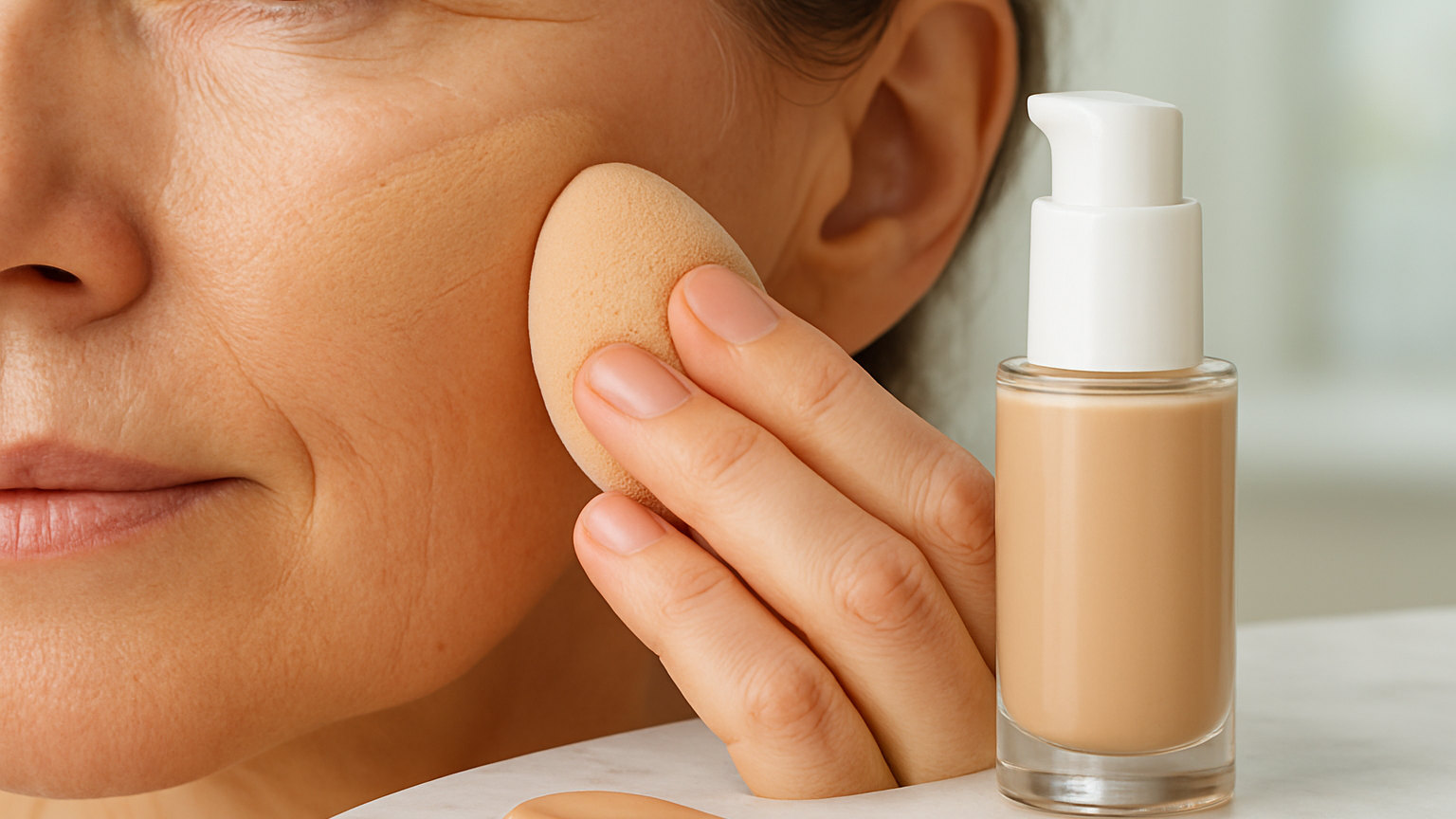
Where you start and how much you use matter more than the tool, and both are usually wrong.
Formula matters more than brand, and matching it to your skin type does more for how it looks than any application technique.
Undertone matters more than depth, and testing on the wrong part of the face is why so many shades look right in the shop and wrong outside.