How Should Lip Makeup Change With Age?
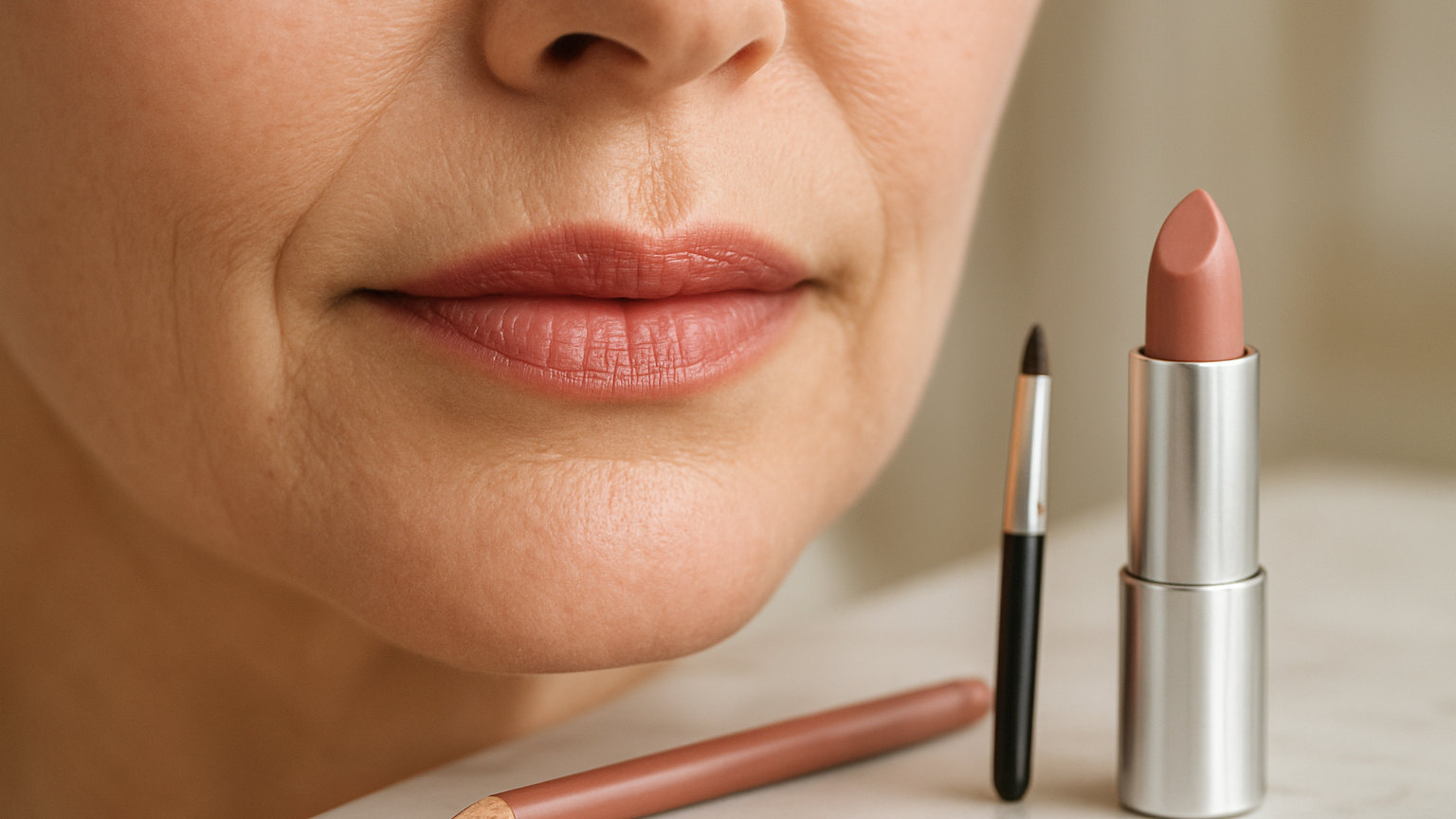
Lips lose volume and definition and the skin around them develops lines, and the adjustments are about finish and liner rather than colour.
By Beauty Advice Team
1 May 2026

Makeup is a skill before it is a shopping list, and fragrance is a vocabulary before it is a purchase. These guides teach both: how to match a base to your skin rather than to a shade name, the techniques that make cheap products look expensive, and how to read a fragrance by its notes and family so you can pick one without standing in a shop being sprayed at. Nothing here is a product review, and nothing is a paid placement.
Lips lose volume and definition and the skin around them develops lines, and the adjustments are about finish and liner rather than colour.
You eat a proportion of what you put on your lips, which makes the ingredient question more reasonable here than anywhere else in makeup.
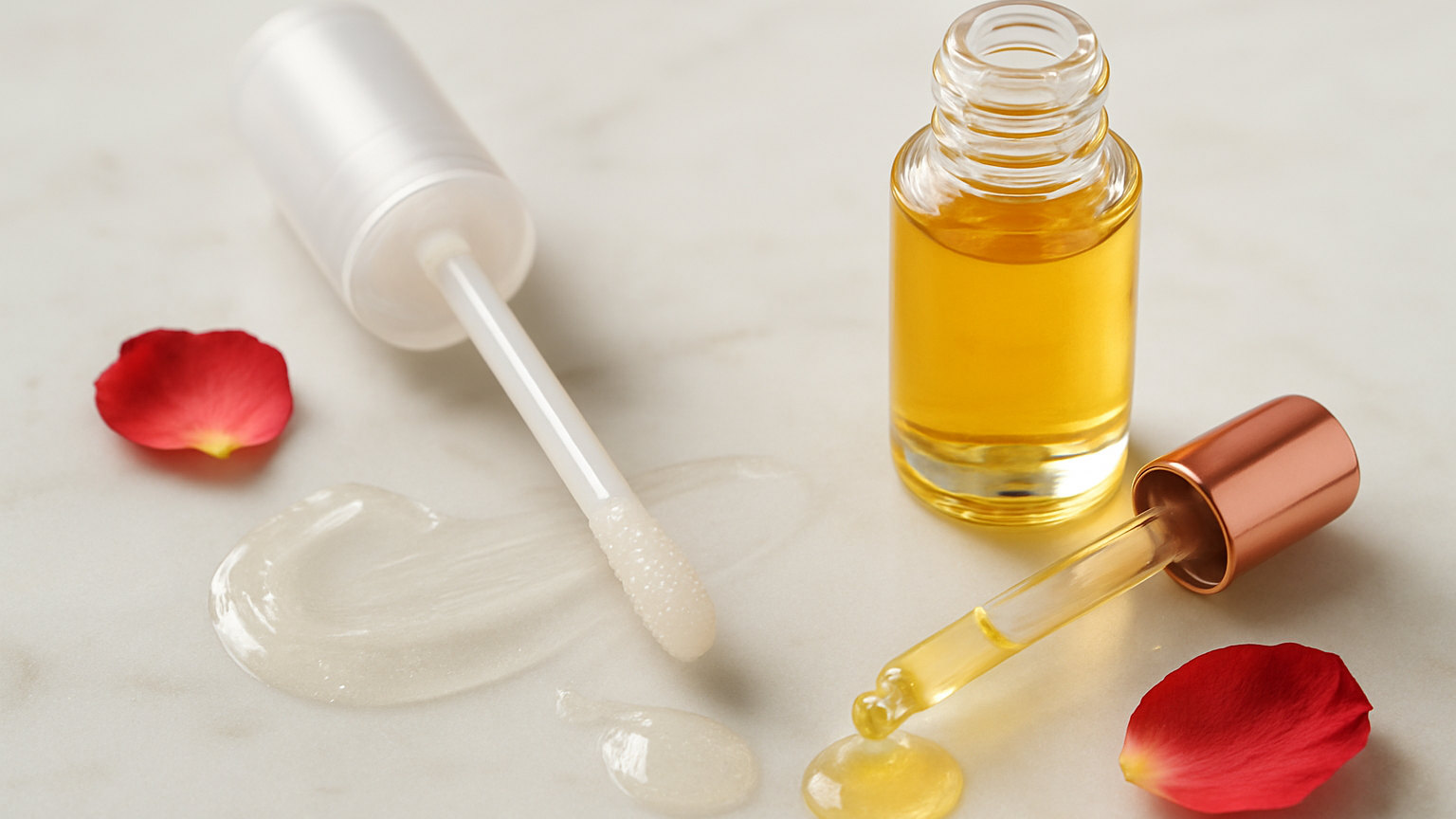
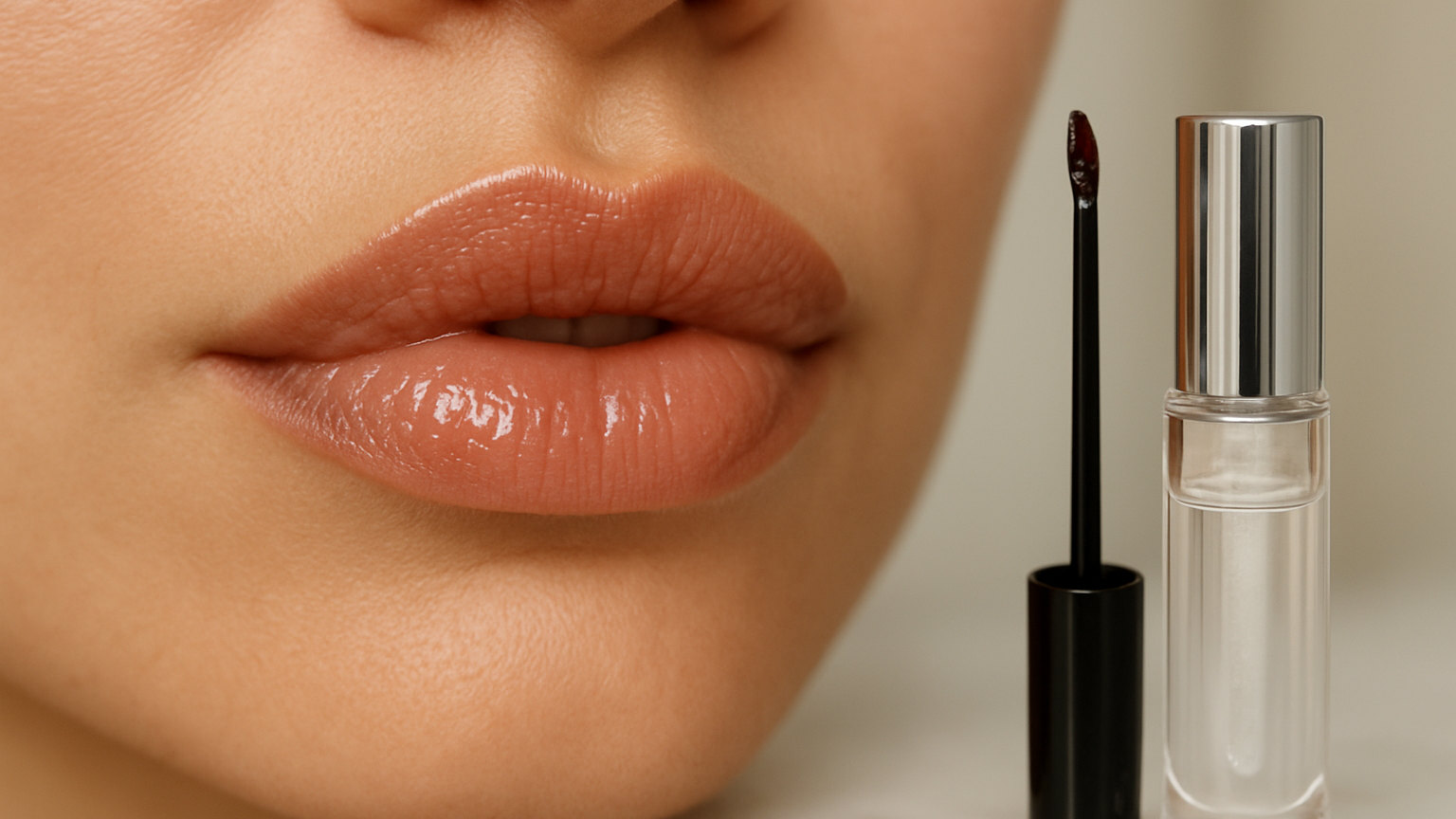
Gloss adds shine and little else, and lip oil is the more useful of the two for anyone whose lips are dry.
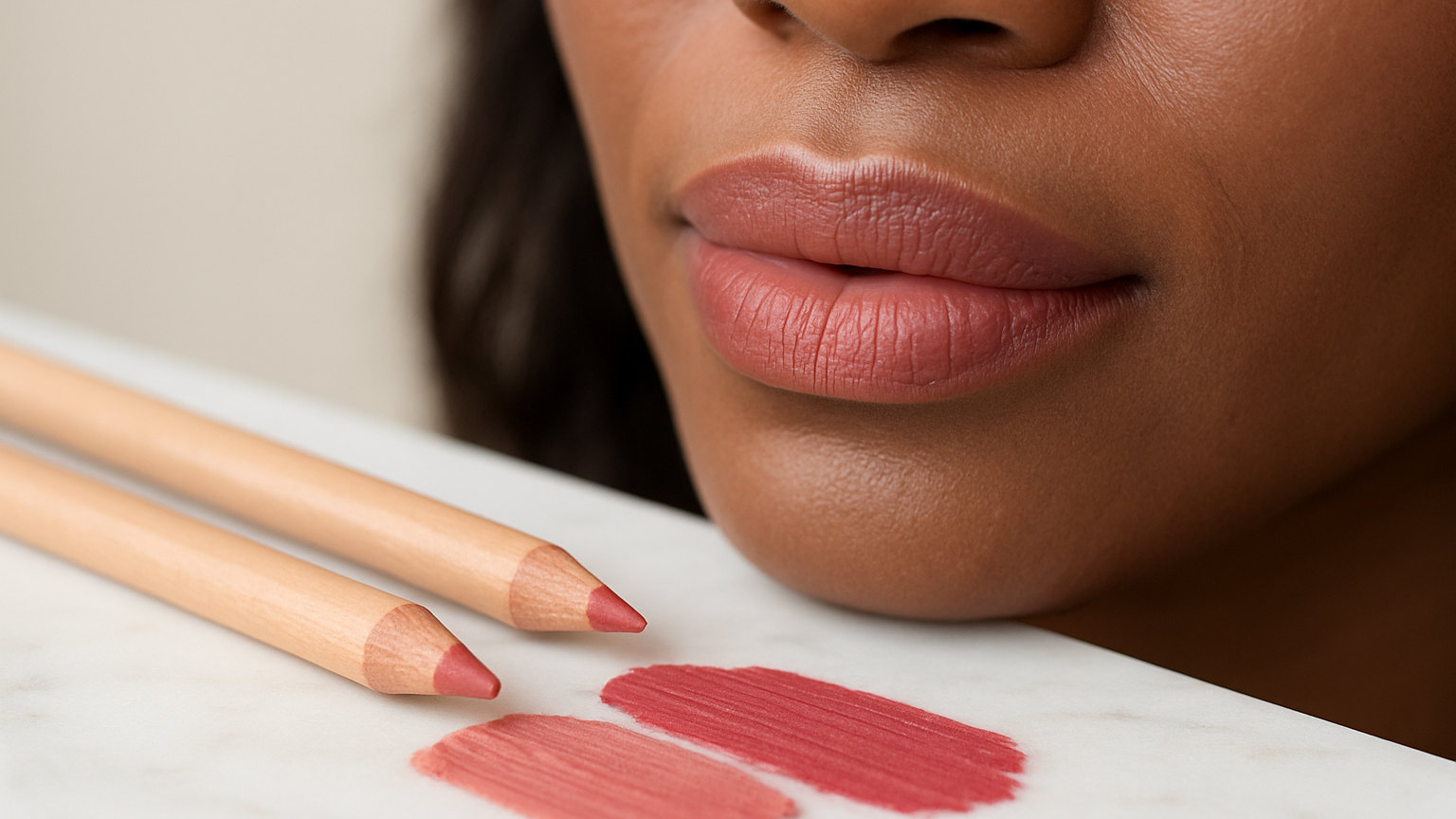
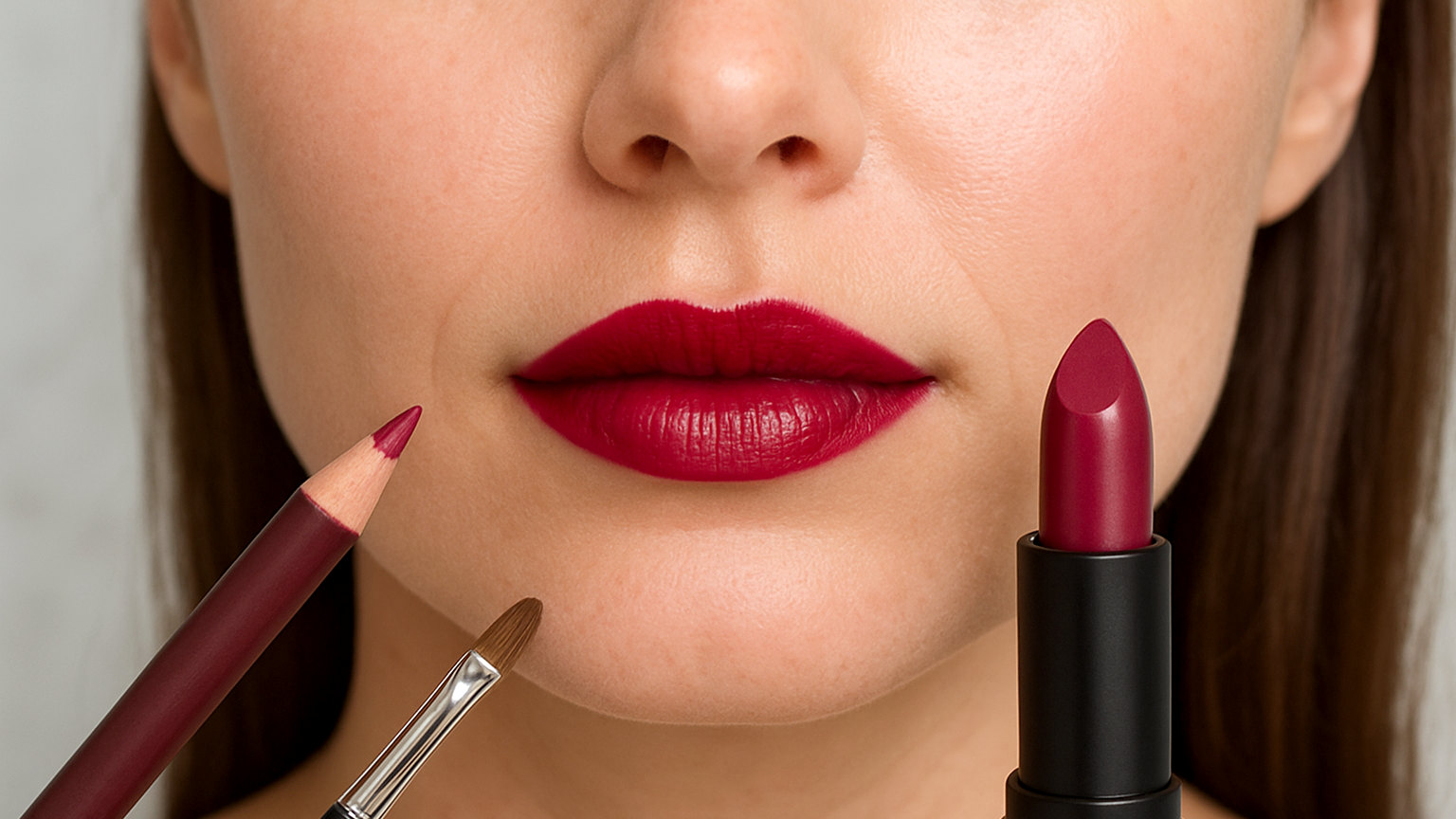
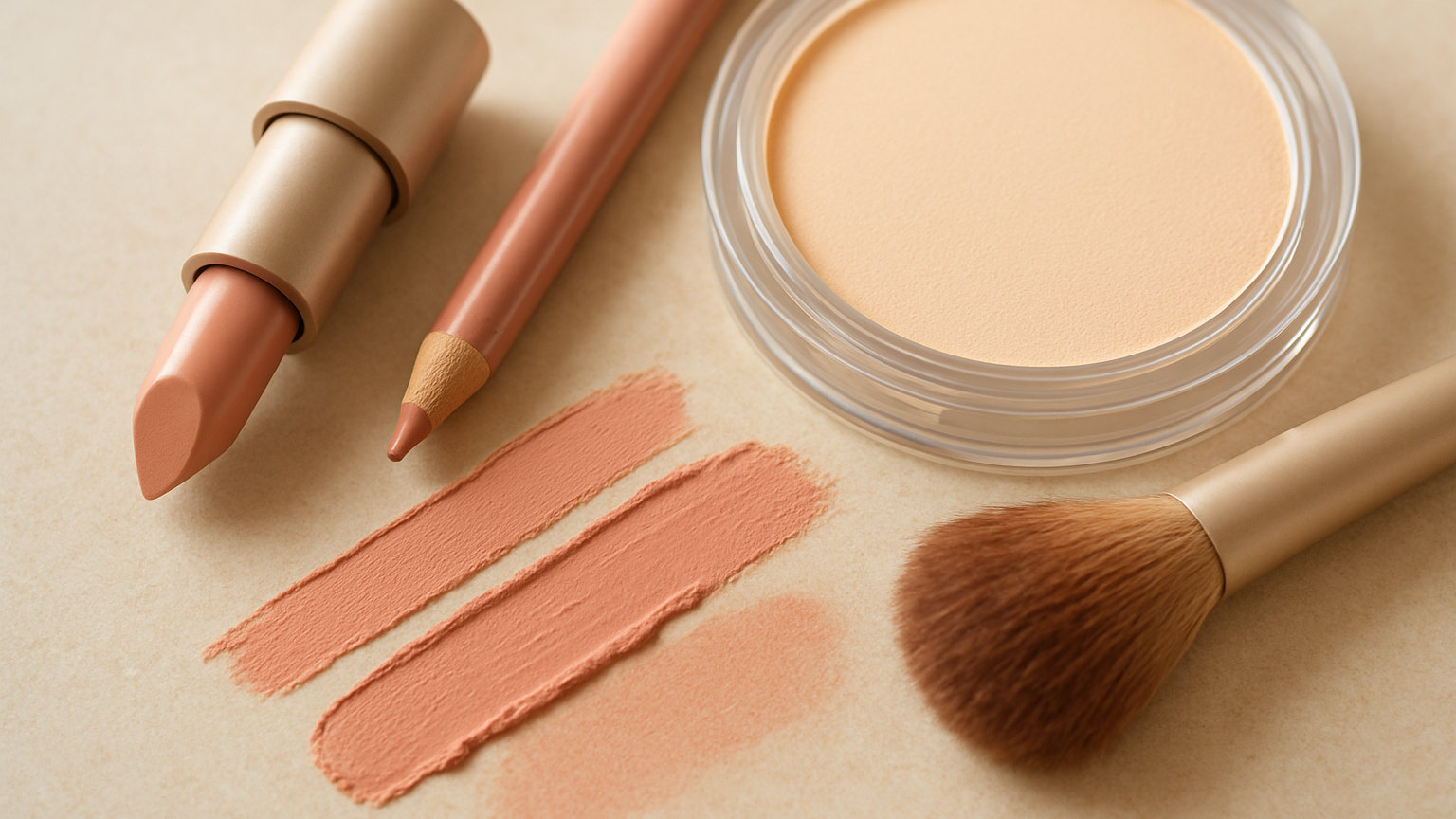
Two liners cover almost everything, and matching the liner to the lipstick rather than going darker is what prevents the visible ring.
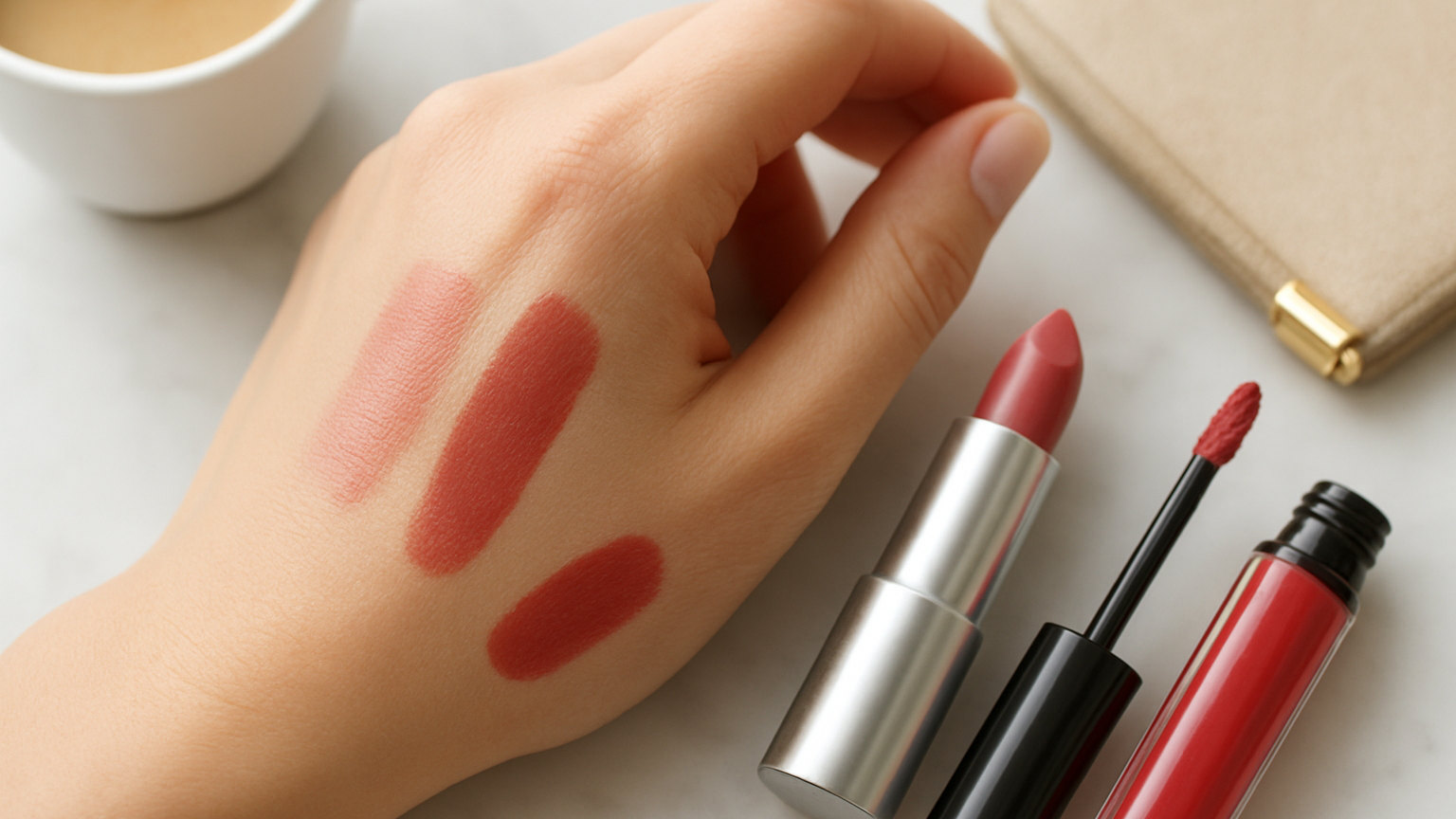
Matching the formula to the day matters more than matching the shade, and the mismatch is why people give up on lipstick.
Antiviral treatment works best in the hours before anything is visible, which is the window most people miss.
Lips darken, lighten and change colour for a range of reasons, and a small number of those changes need looking at rather than covering.
Lips have no oil glands and thinner skin than anywhere else on the face, which makes the routine short and the neglect obvious.
A bold lip is mostly a precision exercise, and balancing the rest of the face is what makes it wearable rather than theatrical.
Light, gloss and careful lining do most of it, and overlining is visible from further away than a mirror suggests.
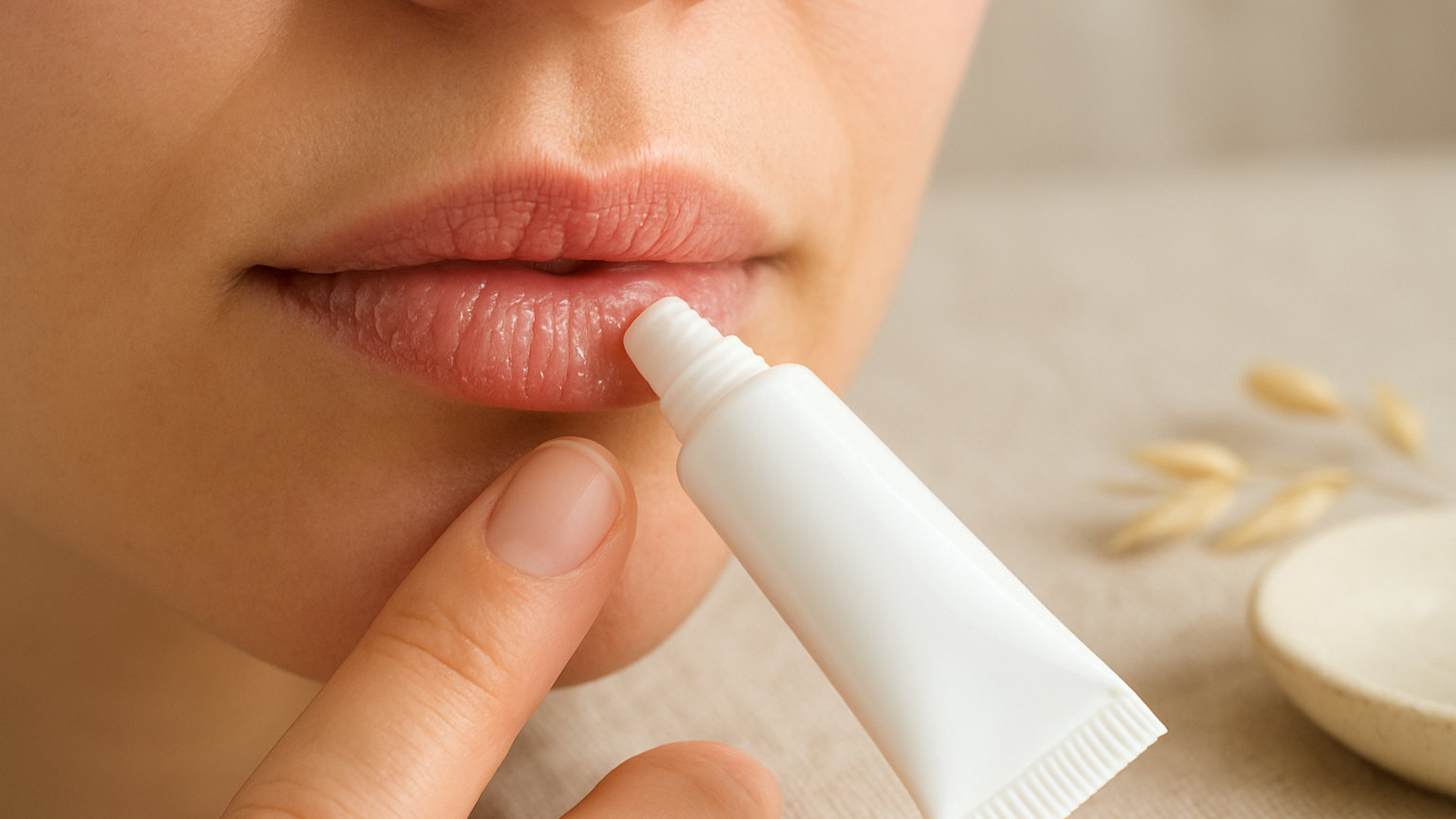
Lips have no oil glands and cannot hold water, and several of the ingredients in balms sold to fix that make it worse.
Longevity is built in layers, and the layer people skip is the one that does most of the work.