How Do You Look After Intimate Skin After Hair Removal?
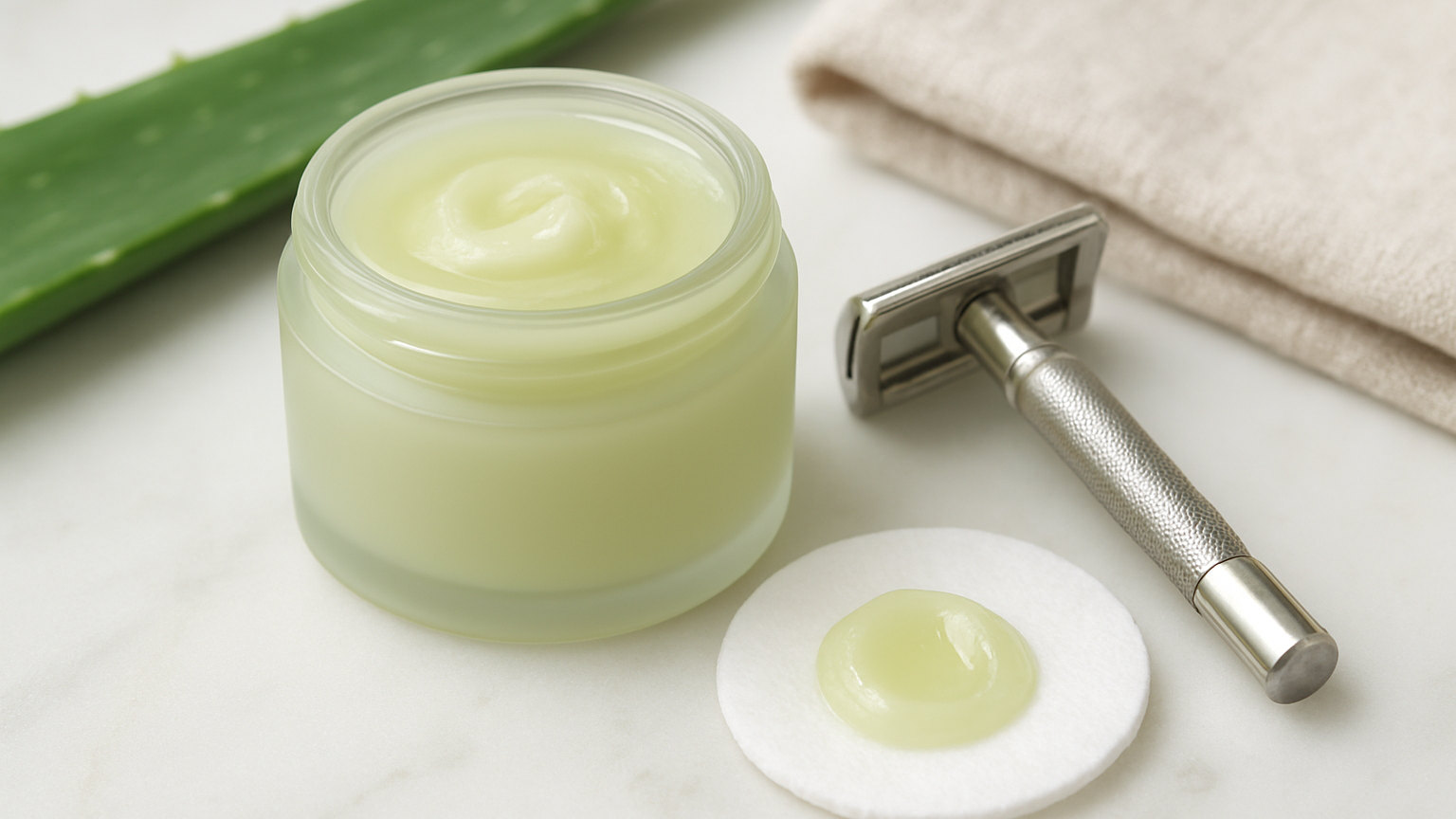
The bikini area combines coarse curly hair, thin folded skin and constant occlusion, which is why it reacts more than anywhere else.
By Beauty Advice Team
30 Jun 2026

The skin below the neck gets a fraction of the attention and most of the neglect, despite being thicker, drier and far more prone to the things people quietly worry about. These guides cover it plainly: what actually helps keratosis pilaris and body acne, why the bathroom routine matters more than the products, how sweat and odour genuinely work, and how to get colour without the damage. Intimate care is included and written without embarrassment, because the alternative is people guessing.
The bikini area combines coarse curly hair, thin folded skin and constant occlusion, which is why it reacts more than anywhere else.
Vaginal dryness is common at every age and very treatable, and most people wait far longer than they need to before mentioning it.
Persistent vulval itching is usually not thrush, and treating it as thrush repeatedly is why so many conditions go undiagnosed for years.
Thrush is a yeast overgrowth rather than an infection caught from anyone, and the things that trigger it are mostly avoidable.
Discharge changes across the cycle in predictable ways, and knowing your own pattern is what makes a genuine change obvious.
The vagina is self-cleaning and the vulva needs very little, and most intimate irritation comes from products bought to prevent it.
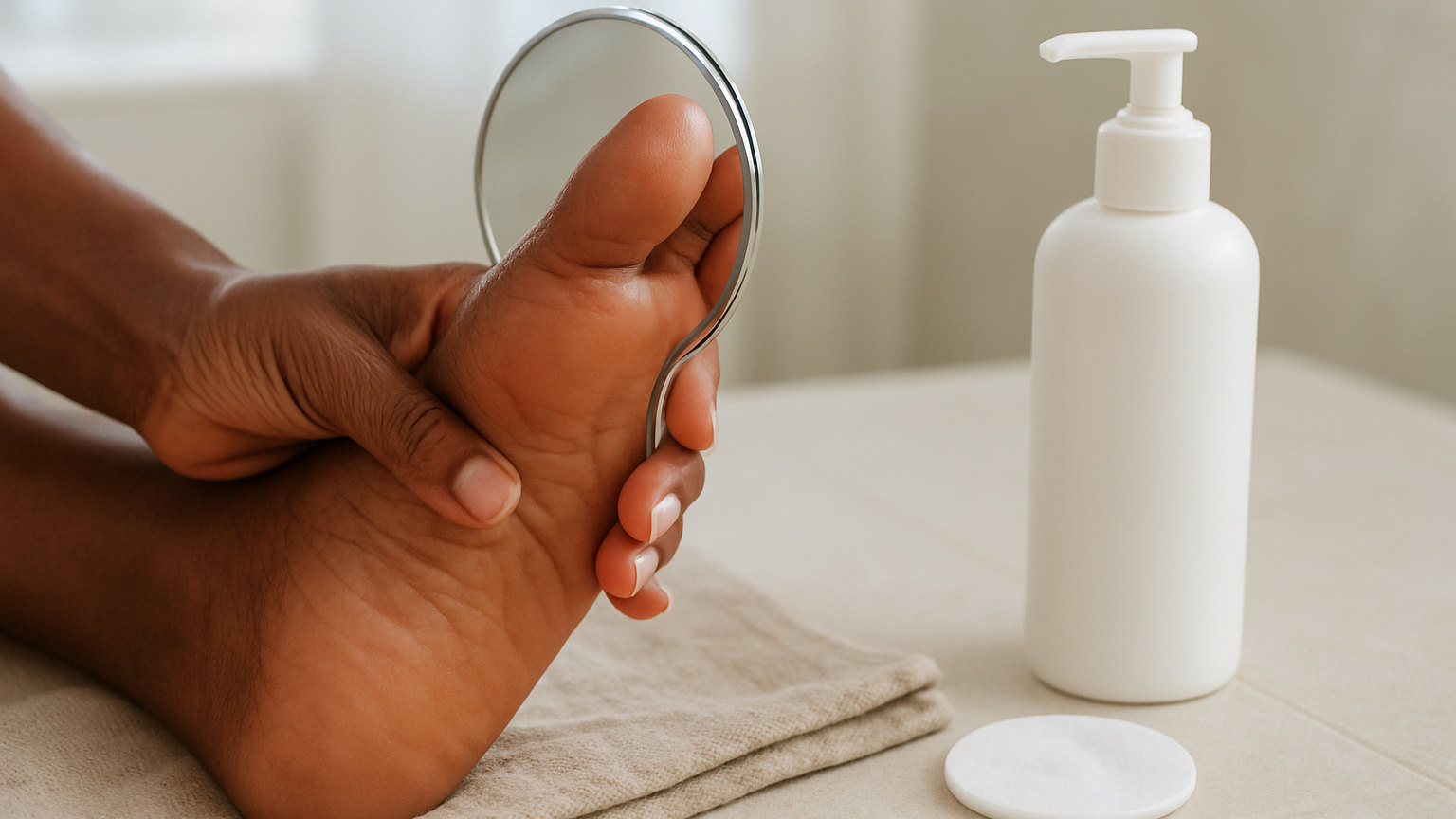
Feet need less attention than most routines suggest and more than they usually get, and the difference is about five minutes a week.
Standing on hard floors for eight hours is a mechanical load, and the fixes are footwear, surfaces and small changes in how you stand.
Cold feet are usually normal circulation doing its job, and a few patterns point toward something worth investigating.
Diabetes changes foot care from cosmetic to genuinely important, and a daily check takes a minute.
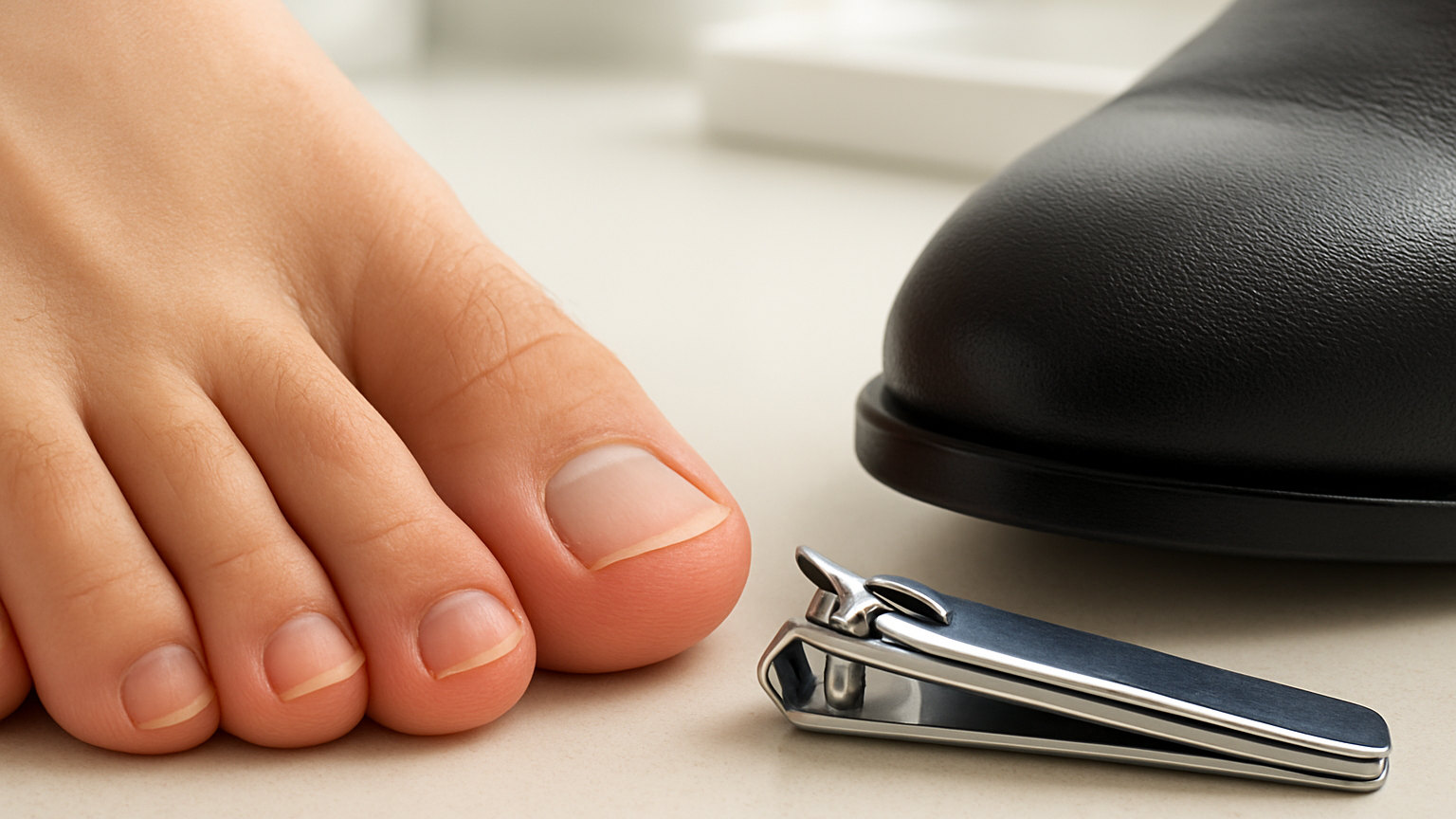
Ingrown toenails come from how the nail is cut and what it is pressed into, and digging at the corner is what turns a sore toe into an infection.
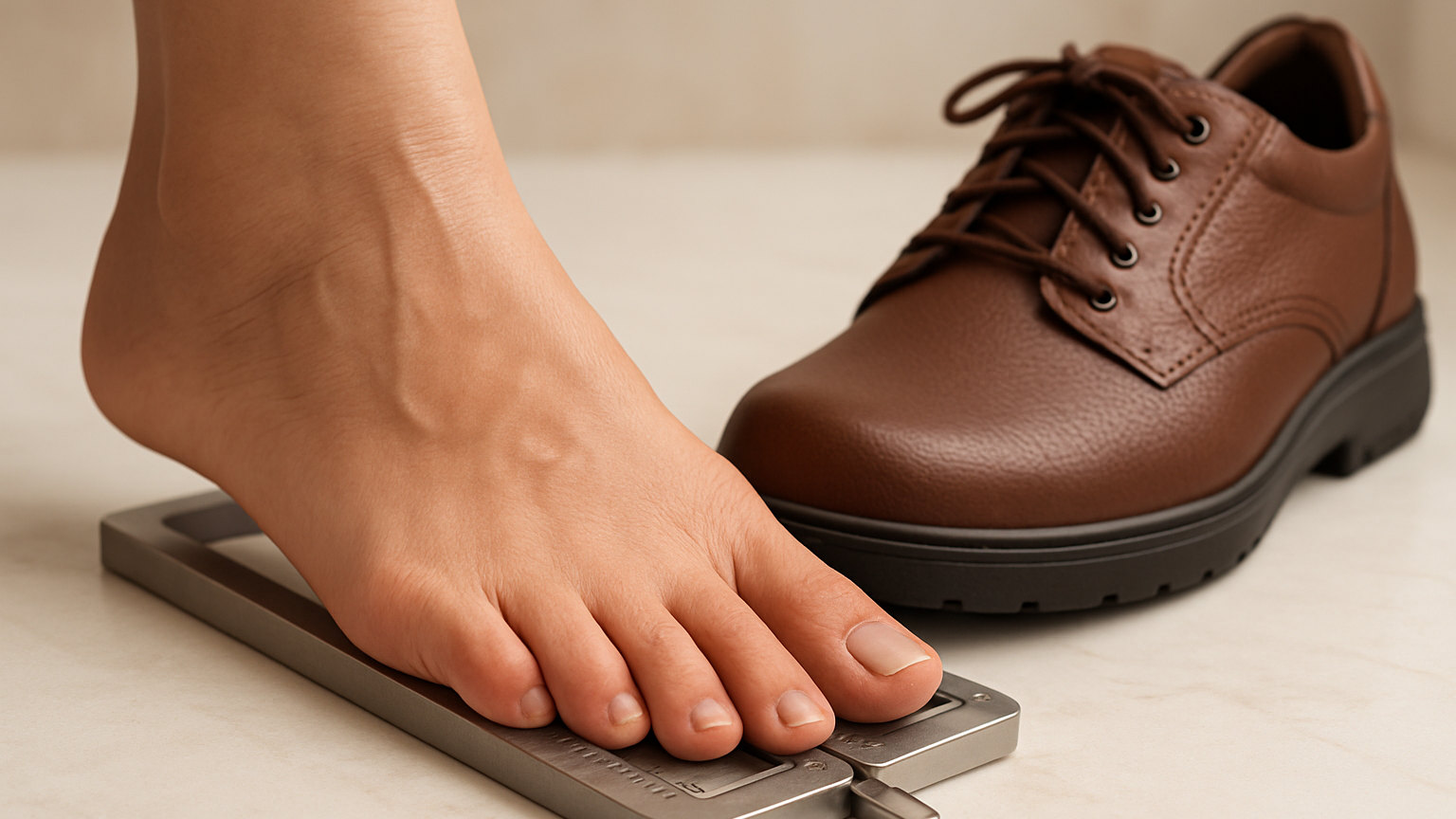
Feet get longer, wider and flatter across adult life, and most people are still buying the size they wore at twenty-five.