How Do You Shower Without Drying Out Your Skin?
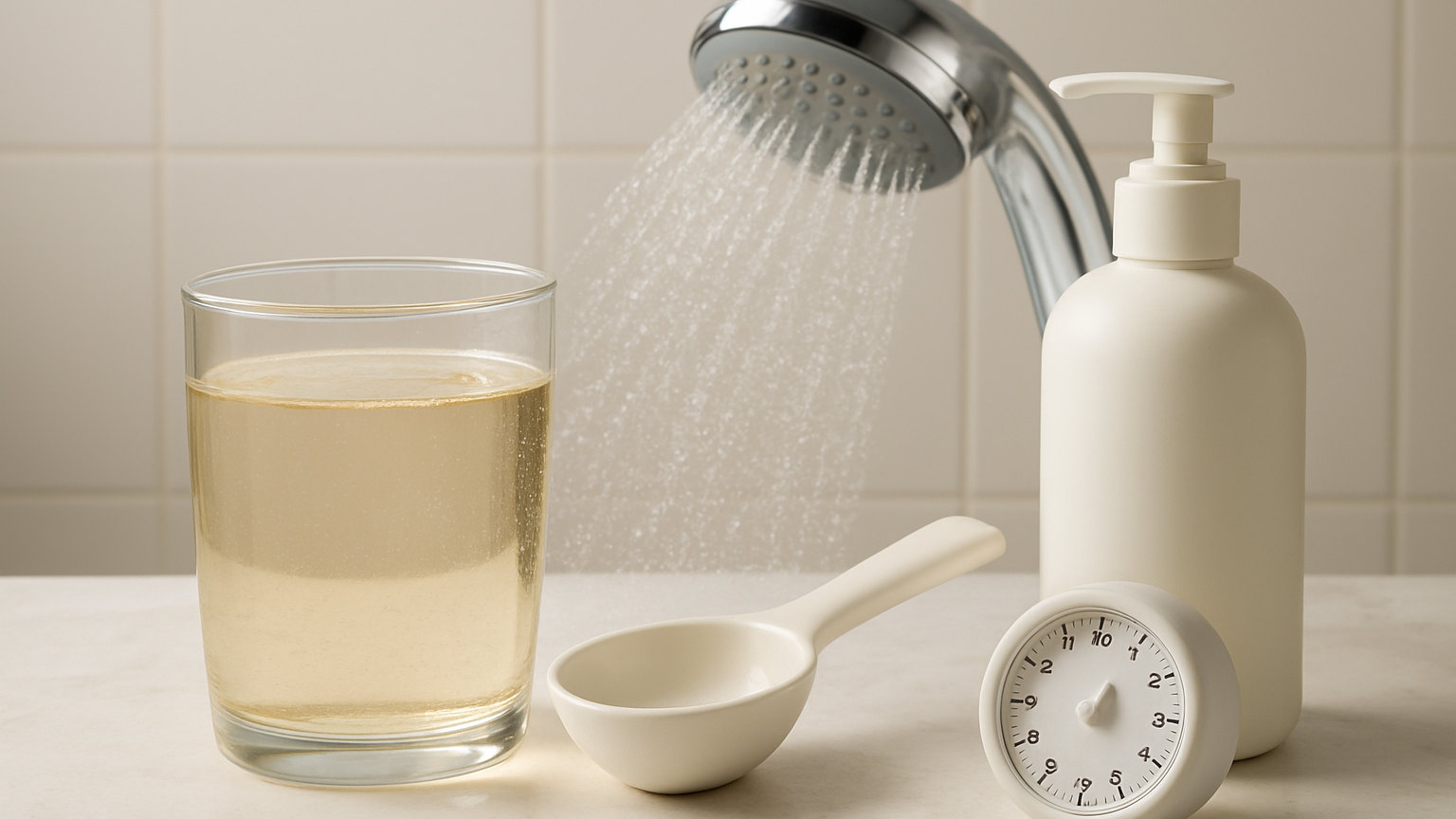
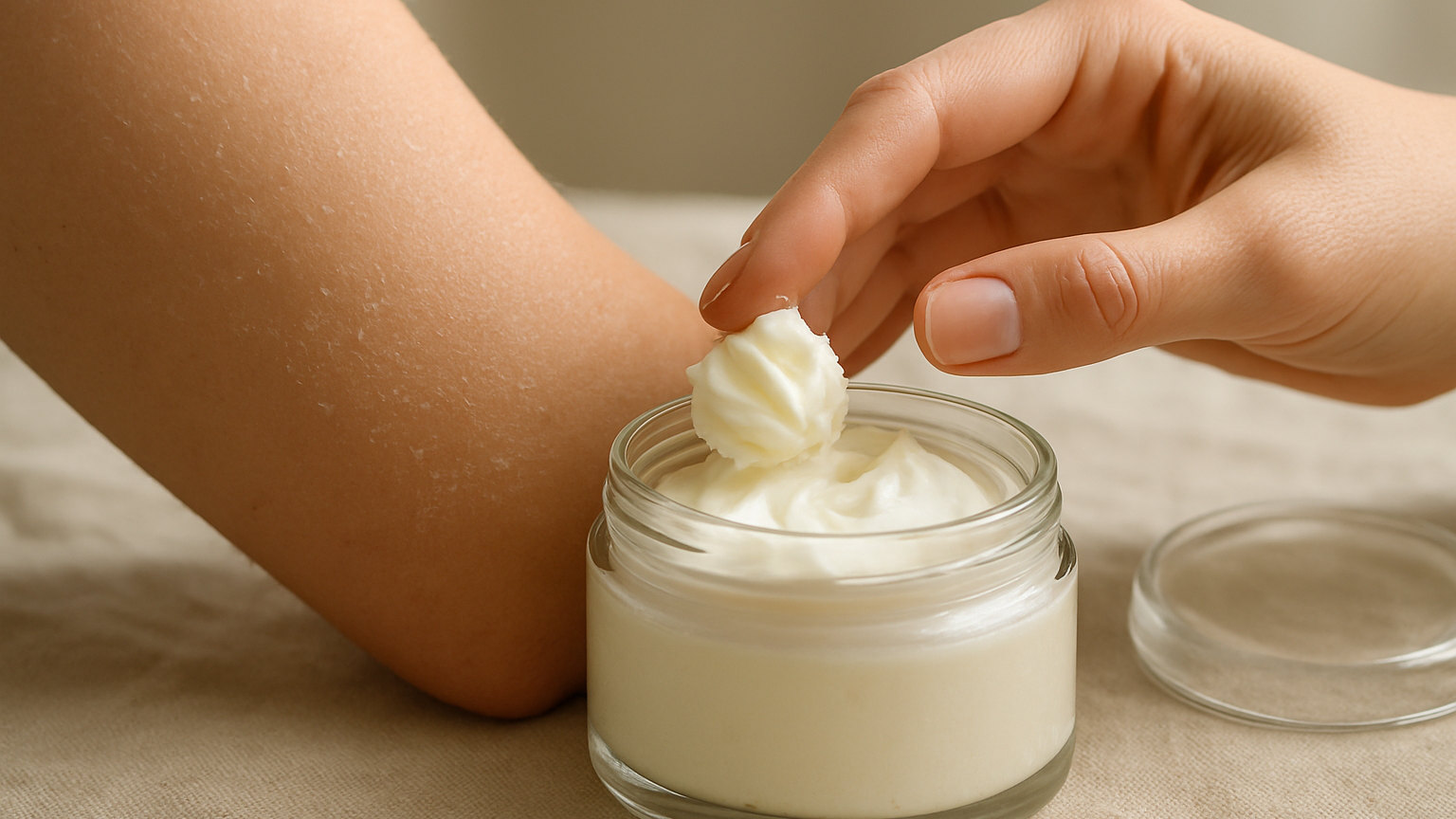
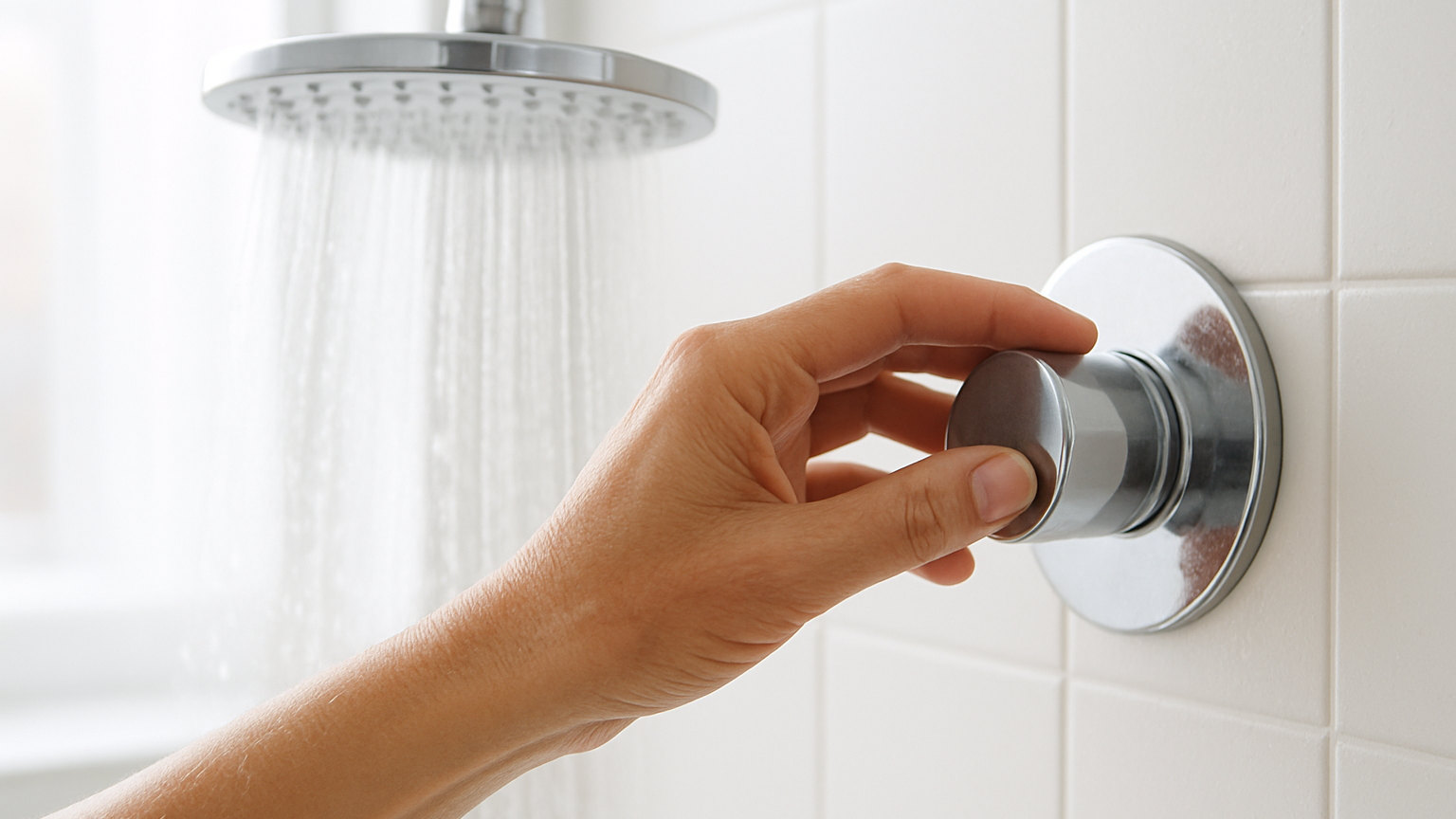
Five specific changes to how you shower resolve most ordinary dry skin, and none of them involves buying anything.
By Beauty Advice Team
22 Mar 2026

The skin below the neck gets a fraction of the attention and most of the neglect, despite being thicker, drier and far more prone to the things people quietly worry about. These guides cover it plainly: what actually helps keratosis pilaris and body acne, why the bathroom routine matters more than the products, how sweat and odour genuinely work, and how to get colour without the damage. Intimate care is included and written without embarrassment, because the alternative is people guessing.
Five specific changes to how you shower resolve most ordinary dry skin, and none of them involves buying anything.
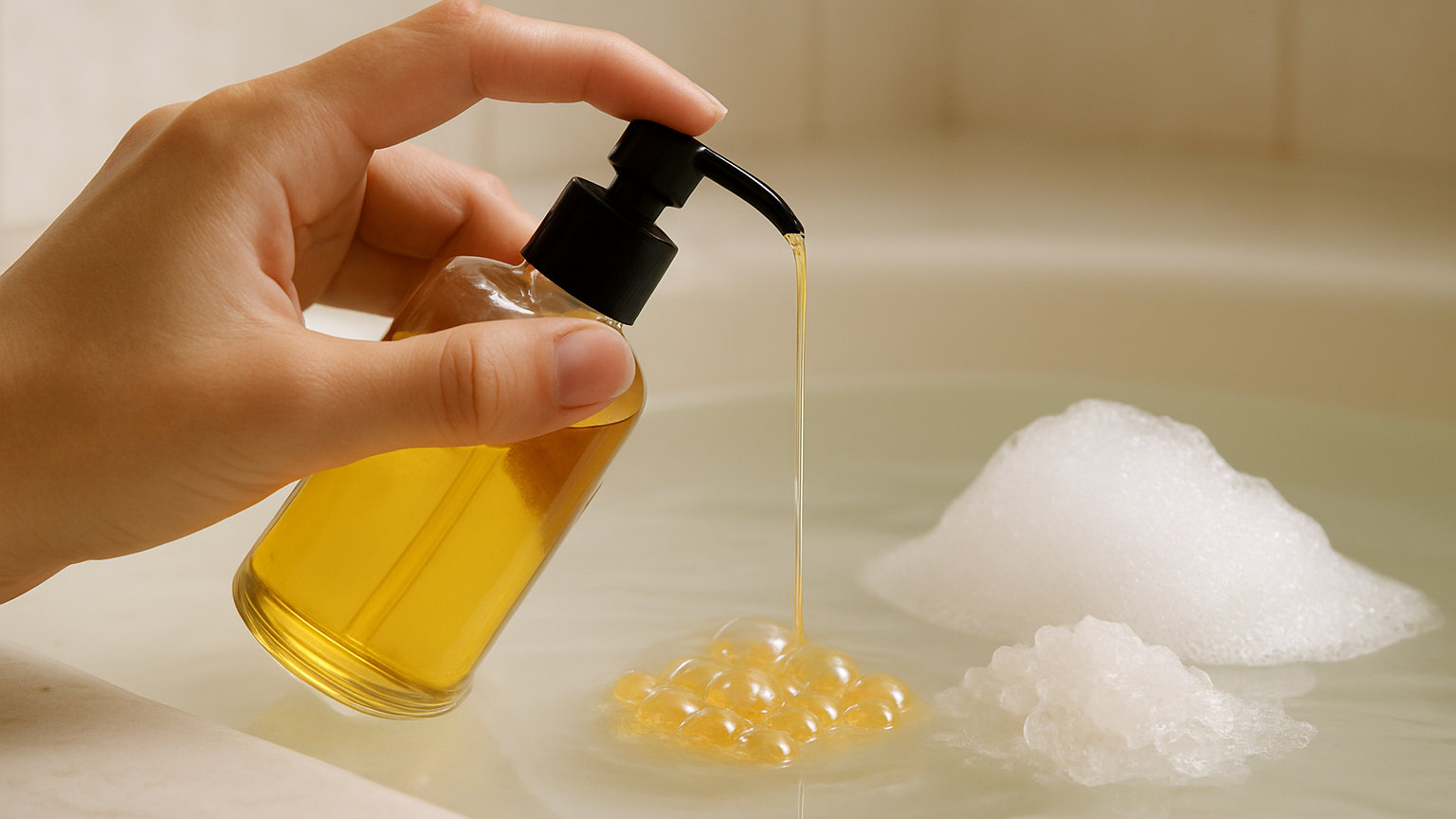
Some bath additives do something specific and useful, several do nothing, and one category actively dries the skin it is sold to soften.
Hard water leaves mineral residue that affects skin and hair in measurable ways, and much of the UK lives with it.
Tightness after washing is a signal rather than a sensation of cleanliness, and it means the barrier has been stripped.
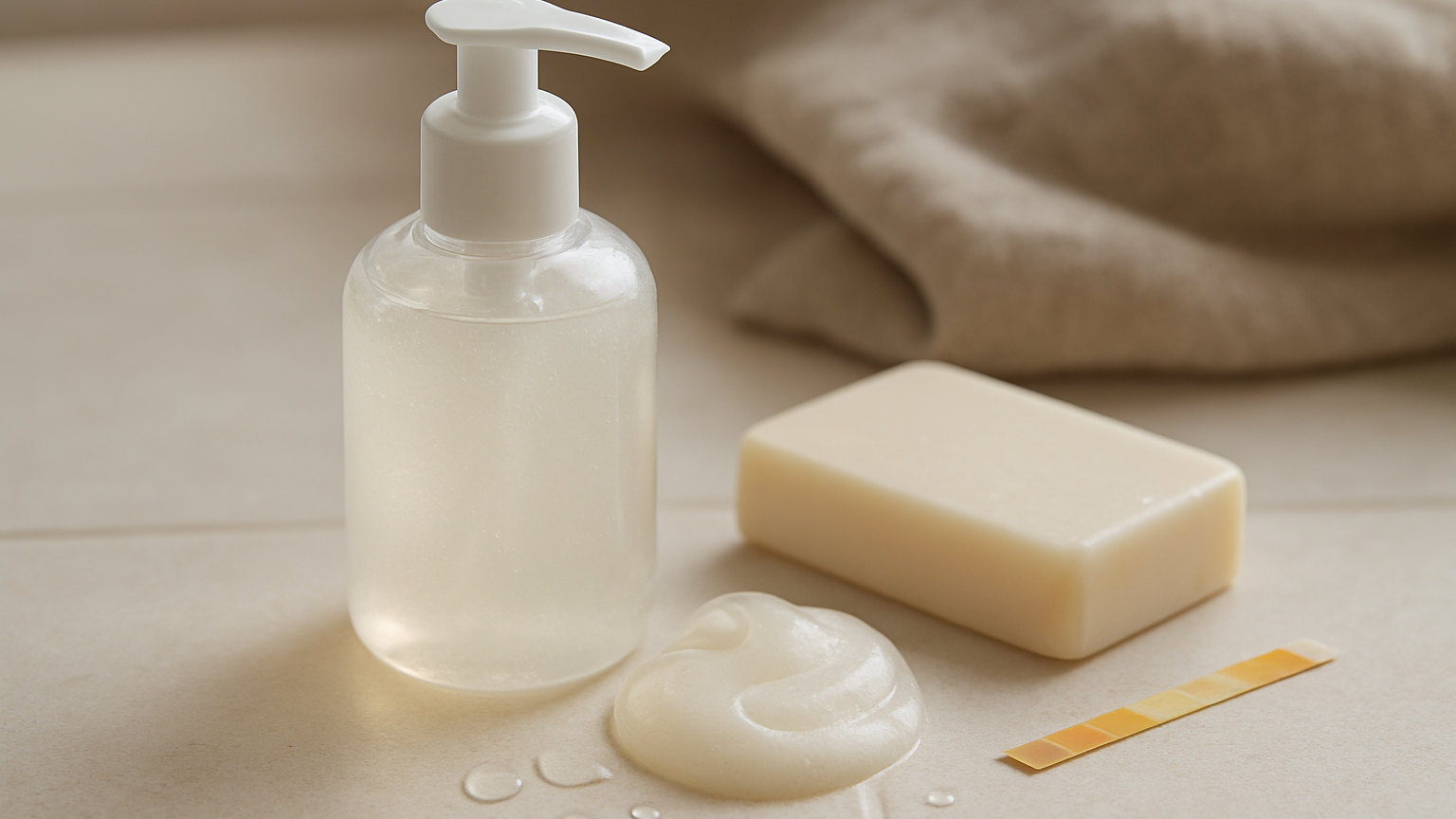
Traditional soap has a pH that skin does not, and that single fact explains most of the difference between one wash and another.
Neither is inherently better, and the variables that actually matter are temperature, duration and what goes in the water.
A body routine needs four things, and most people are doing one of them inconsistently and none of the others.
Most people apply a fraction of the sunscreen needed and miss the same handful of places, and the missed places are where melanoma is found late.
Body marks fade more slowly than facial ones and the approach is the same, which mostly means being patient for considerably longer.
Arms are the area people notice roughness first, and several different things produce it, each needing something different.
Chafing is friction damage, and the useful interventions all happen before it starts rather than after.
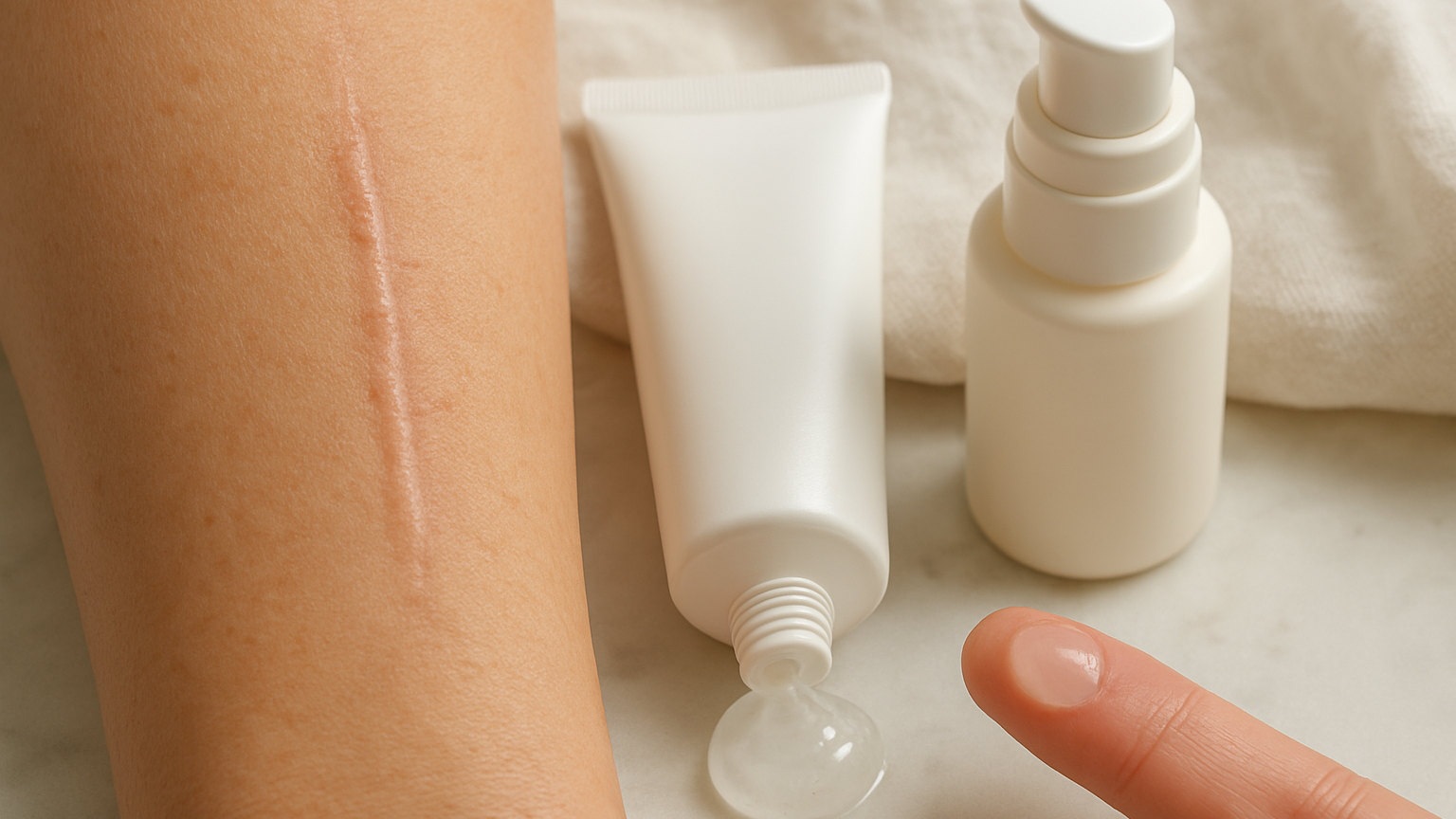
Scar treatment works best in the first year, and the evidence points to two simple things rather than the expensive ones.