How Do You Stop Fake Tan Staining Clothes and Sheets?
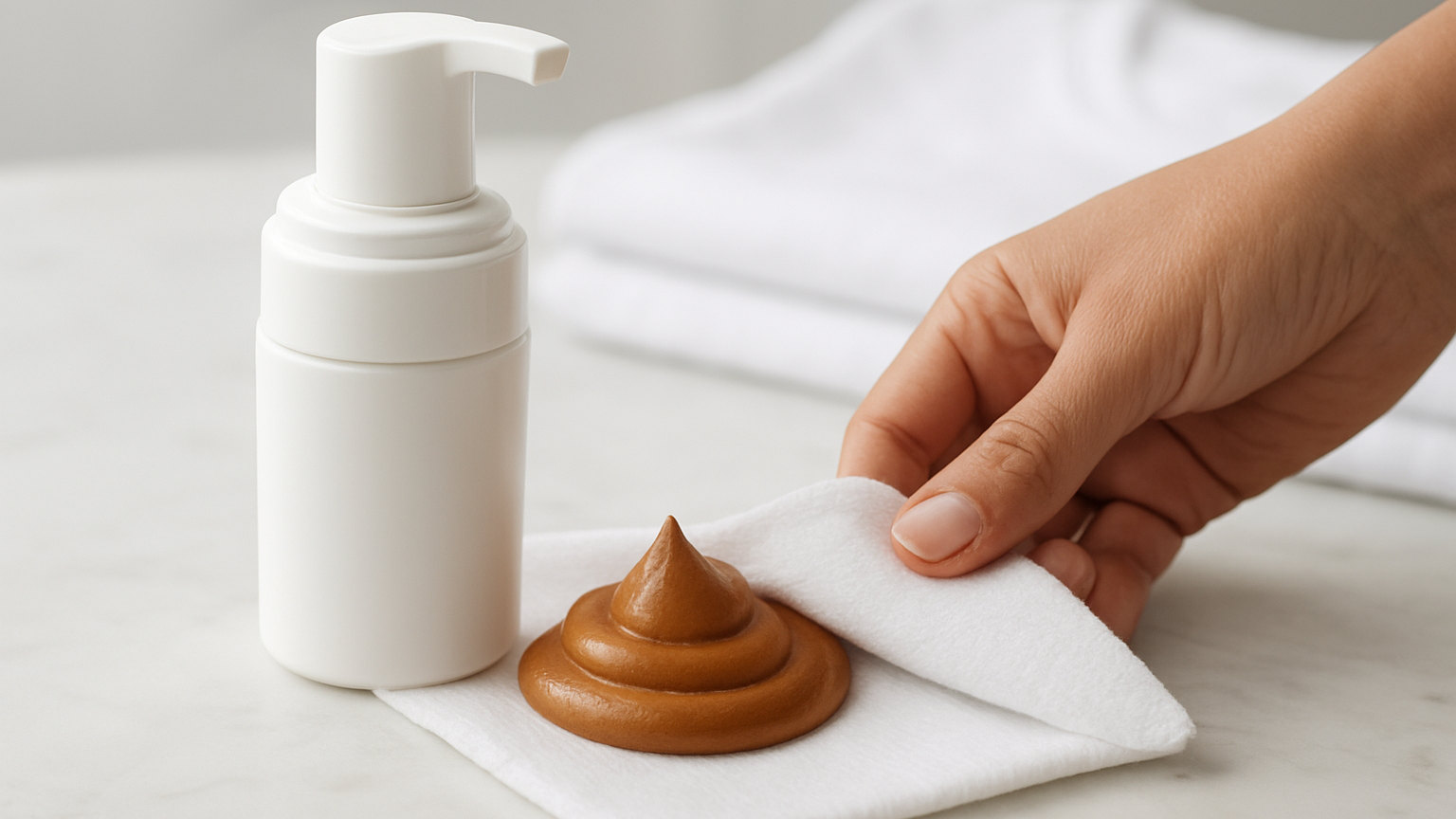
Almost all fake tan staining is the guide colour rather than the tan itself, which makes it far more removable than it looks.
By Beauty Advice Team
21 May 2026

The skin below the neck gets a fraction of the attention and most of the neglect, despite being thicker, drier and far more prone to the things people quietly worry about. These guides cover it plainly: what actually helps keratosis pilaris and body acne, why the bathroom routine matters more than the products, how sweat and odour genuinely work, and how to get colour without the damage. Intimate care is included and written without embarrassment, because the alternative is people guessing.
Almost all fake tan staining is the guide colour rather than the tan itself, which makes it far more removable than it looks.
They work in the sense of producing a tan faster, which is precisely the problem with them.
The order and the gap between the two determine most of the result, and getting it wrong produces dark dots or a tan that vanishes in three days.
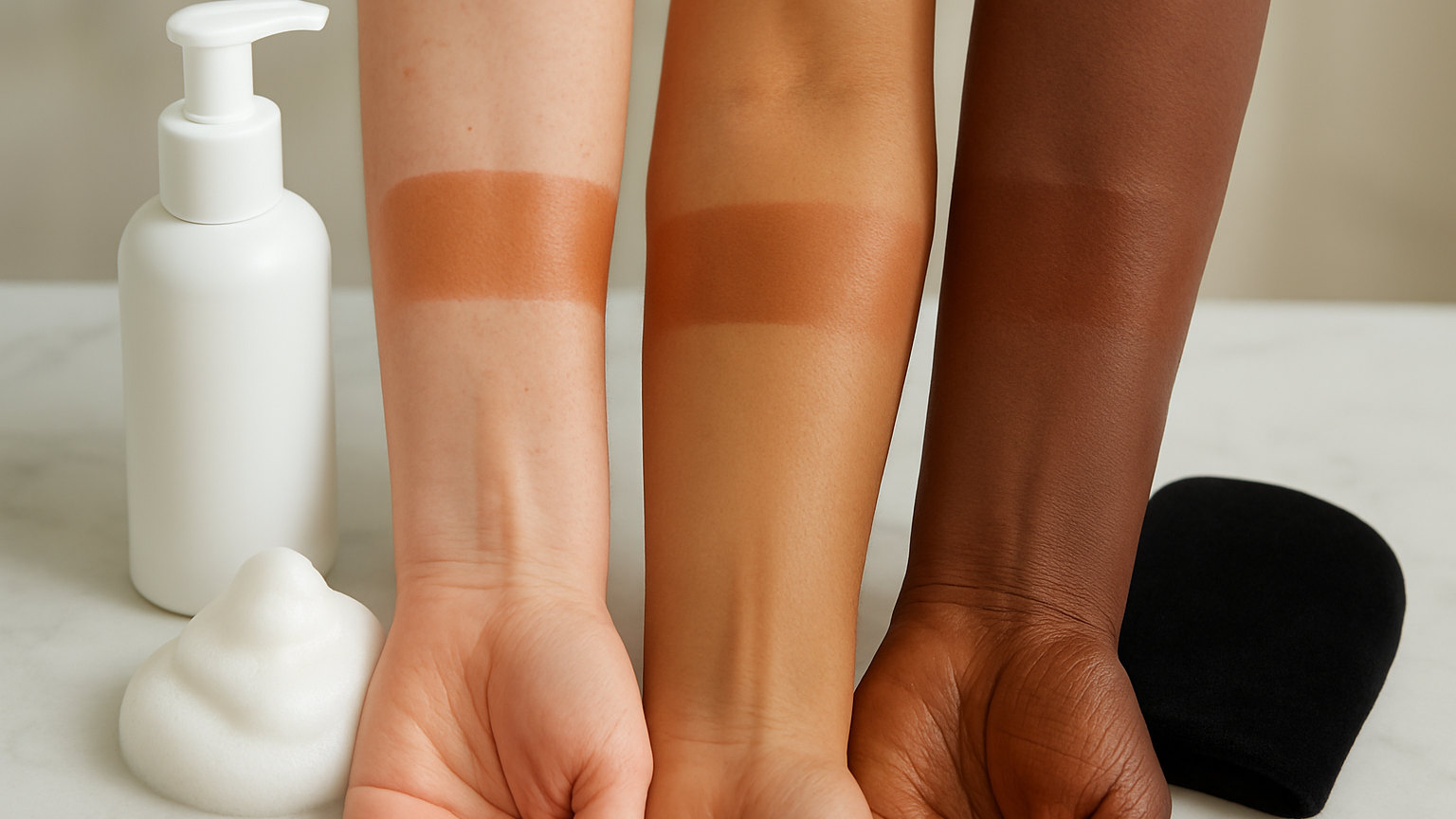
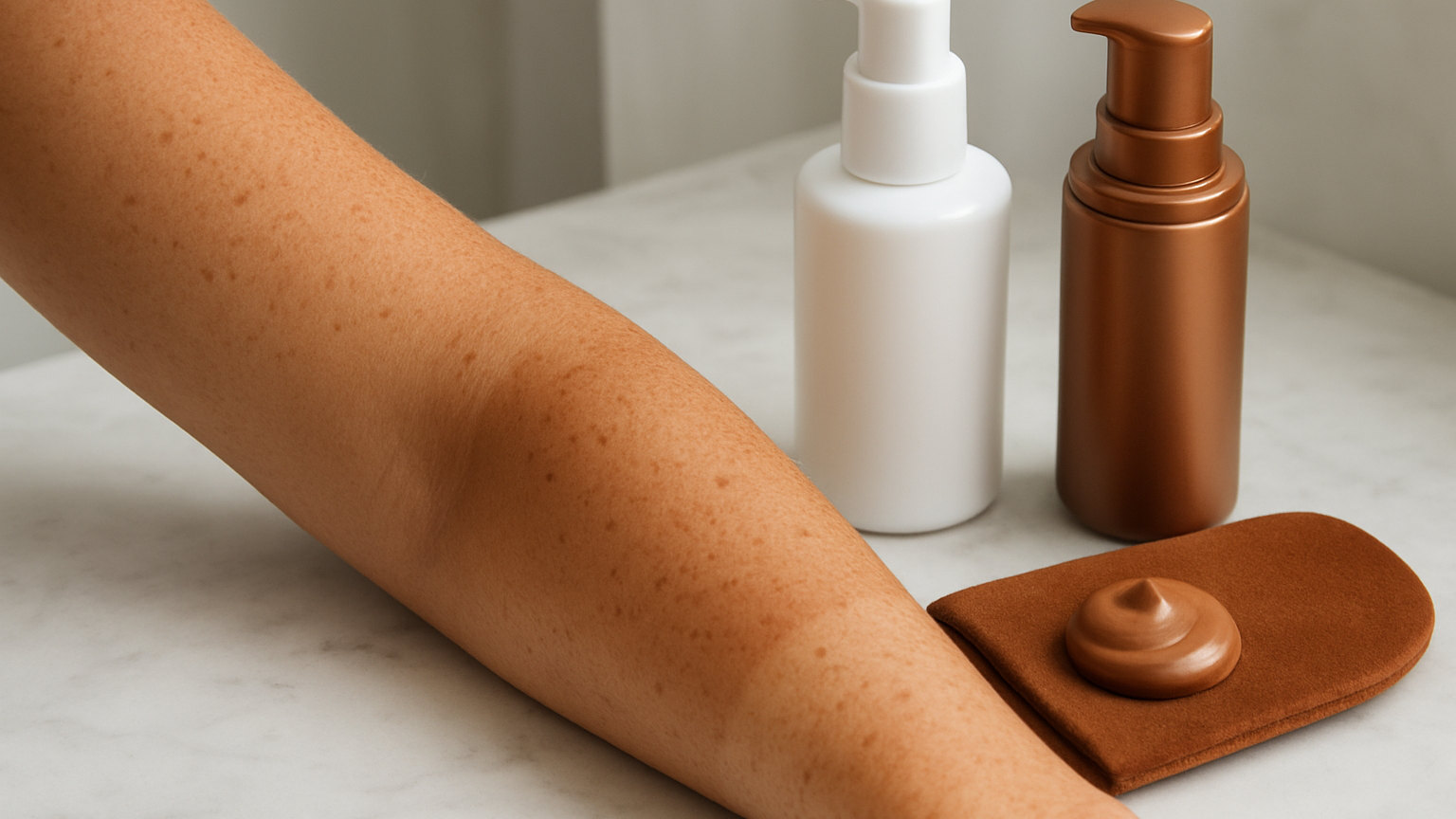
The same product produces different results on different skin because the reaction depends on your own proteins, which makes undertone the deciding factor.
Fake tan is the safe alternative to ultraviolet tanning, and there are a few genuine considerations that do not usually get mentioned.
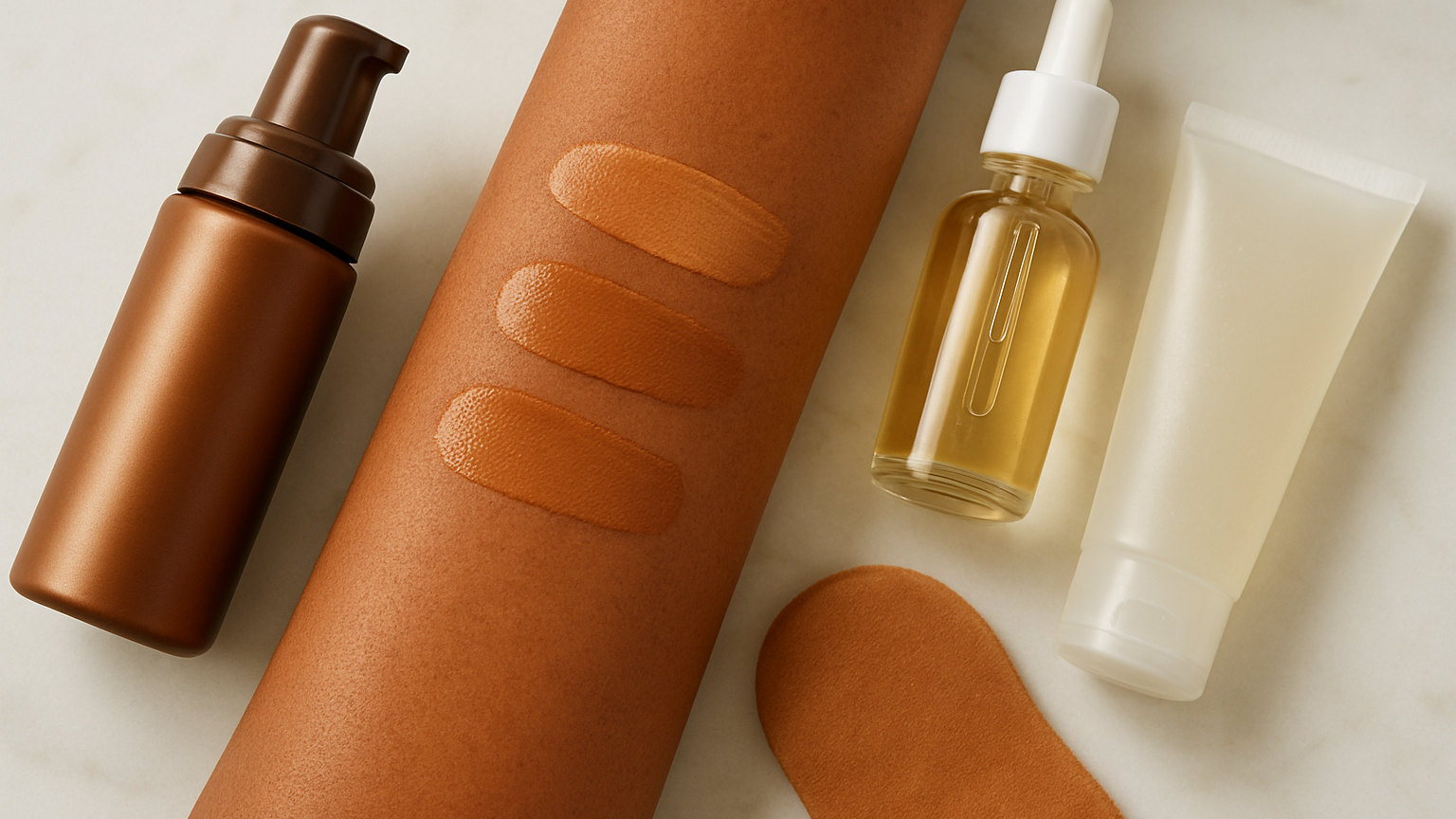
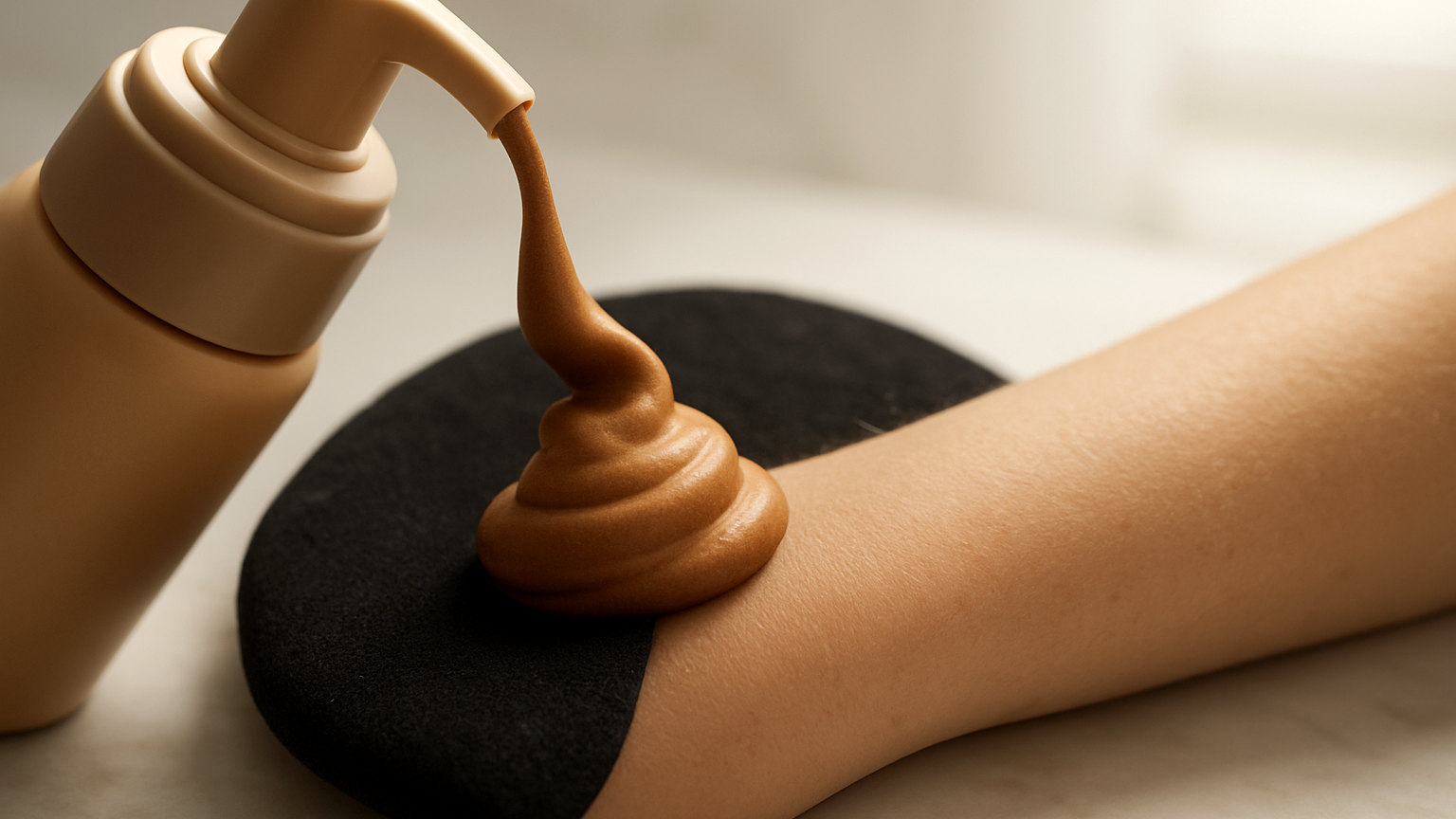
Format matters more than brand, and the right shade is usually a step lighter than the one that looks right in the bottle.
How fixable a mistake is depends almost entirely on how long ago it happened, which makes speed the main variable.
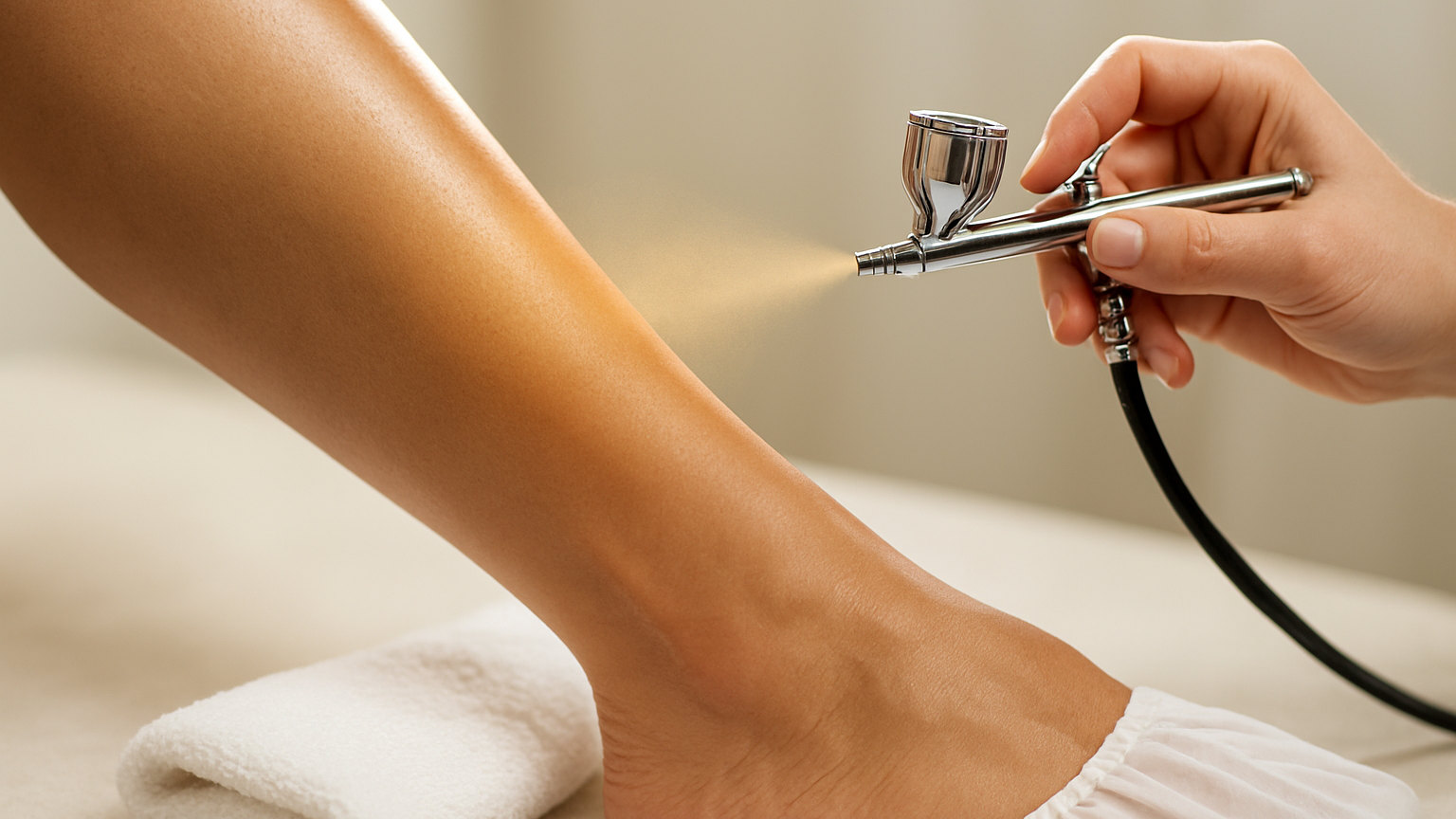
A salon spray tan gets a more even result than most home applications, and the preparation and safety points are worth knowing beforehand.
Tan fades as skin cells shed, which means everything that slows shedding extends it and everything that speeds it does not.
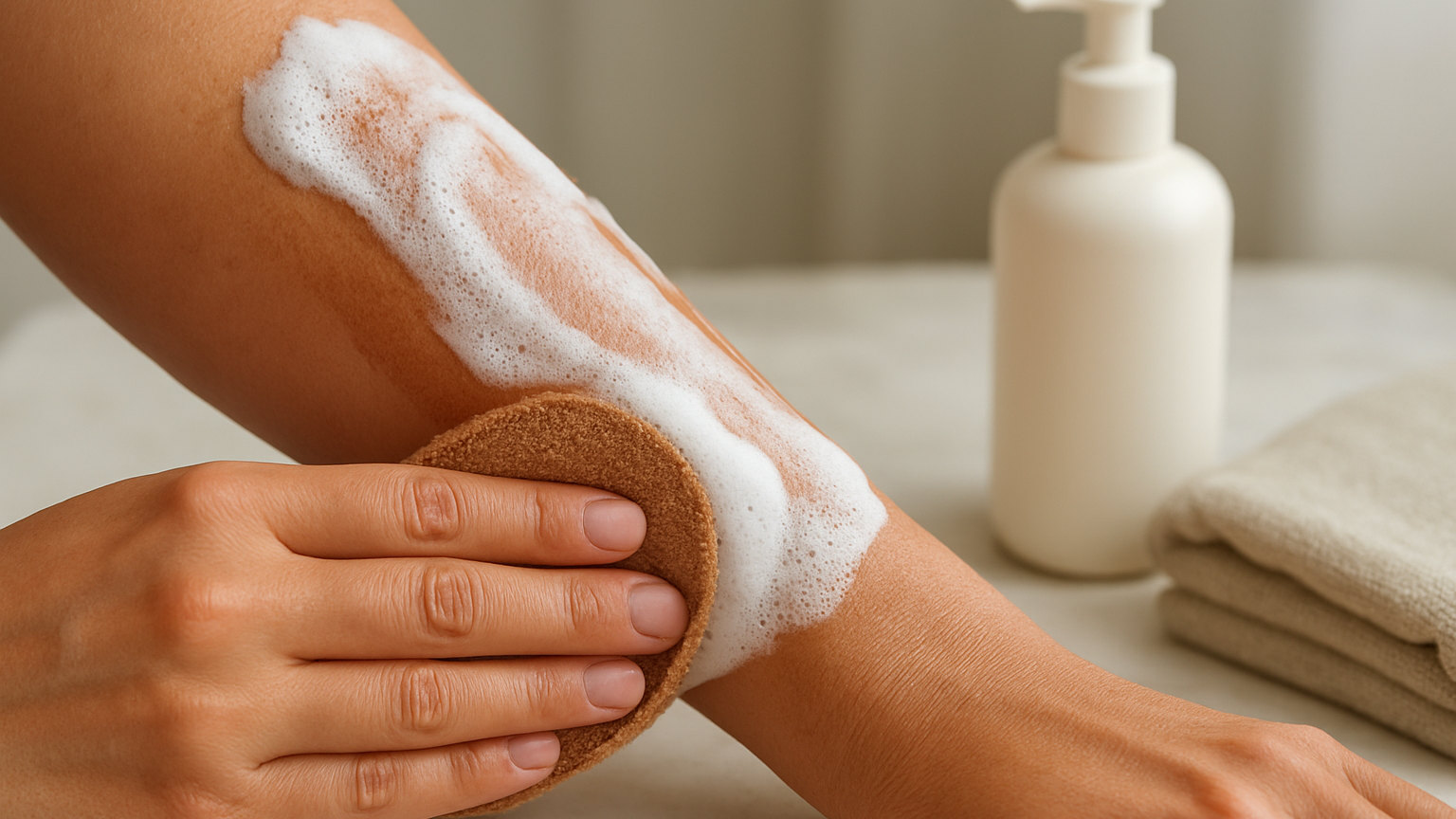
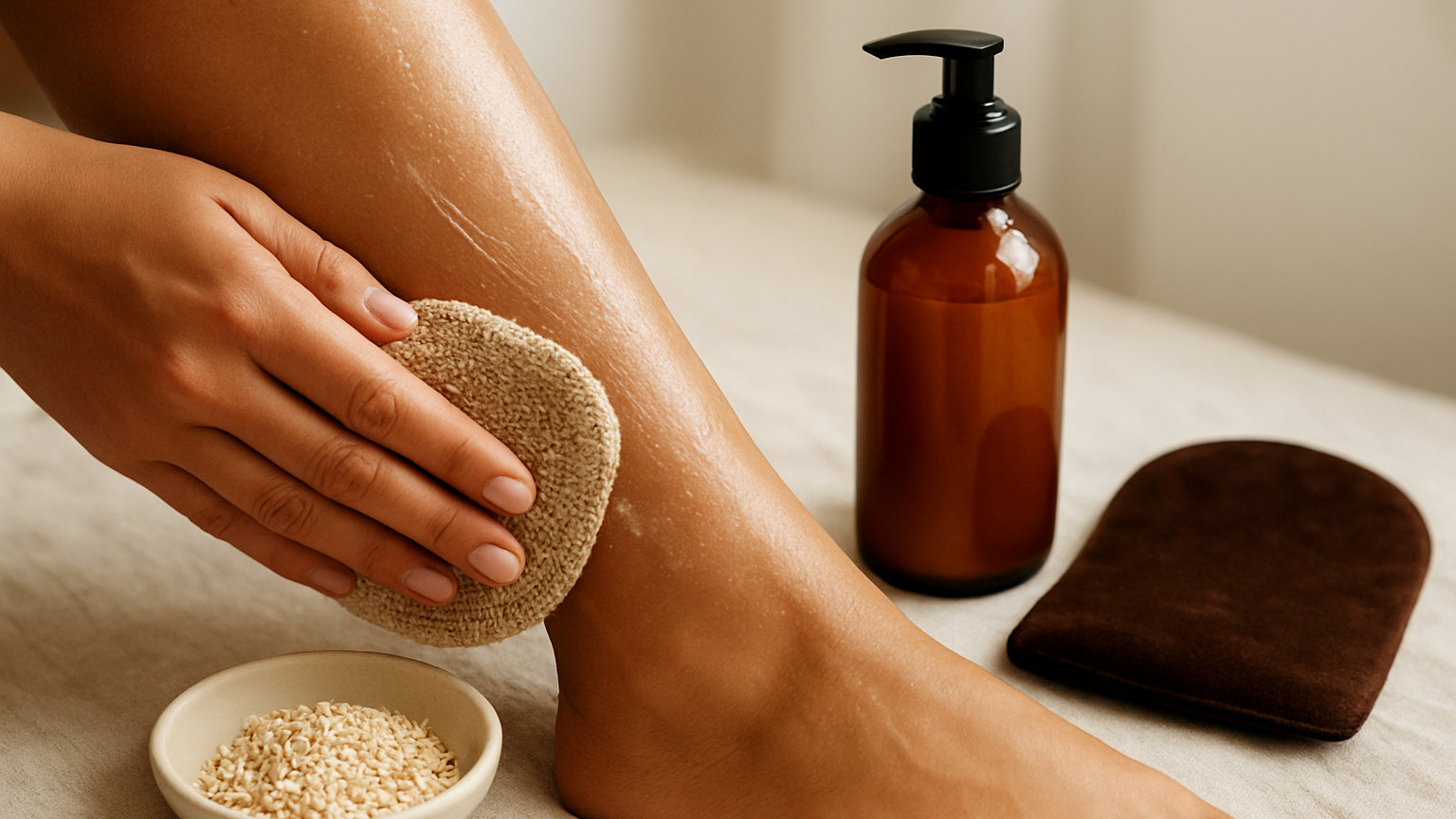
Streaks come from the preparation rather than the application, and the twenty-four hours before matter more than the technique.
The active ingredient reacts with dead skin cells rather than dyeing them, which explains the delay, the smell and the fading.
A tan is the visible record of DNA damage, which makes the honest answer to this question shorter than most people expect.