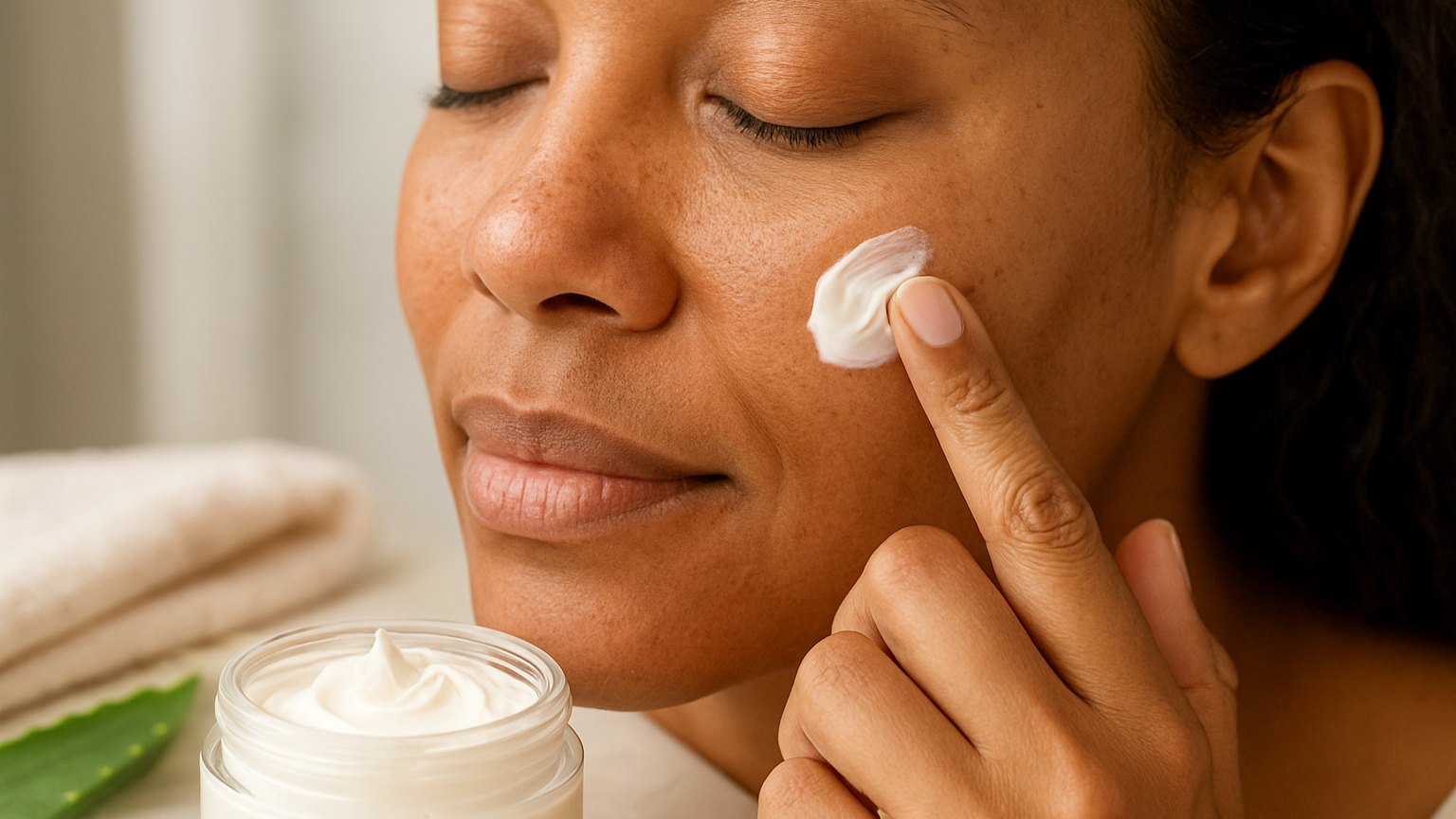
Why Does My Skin Sting When I Apply Products?
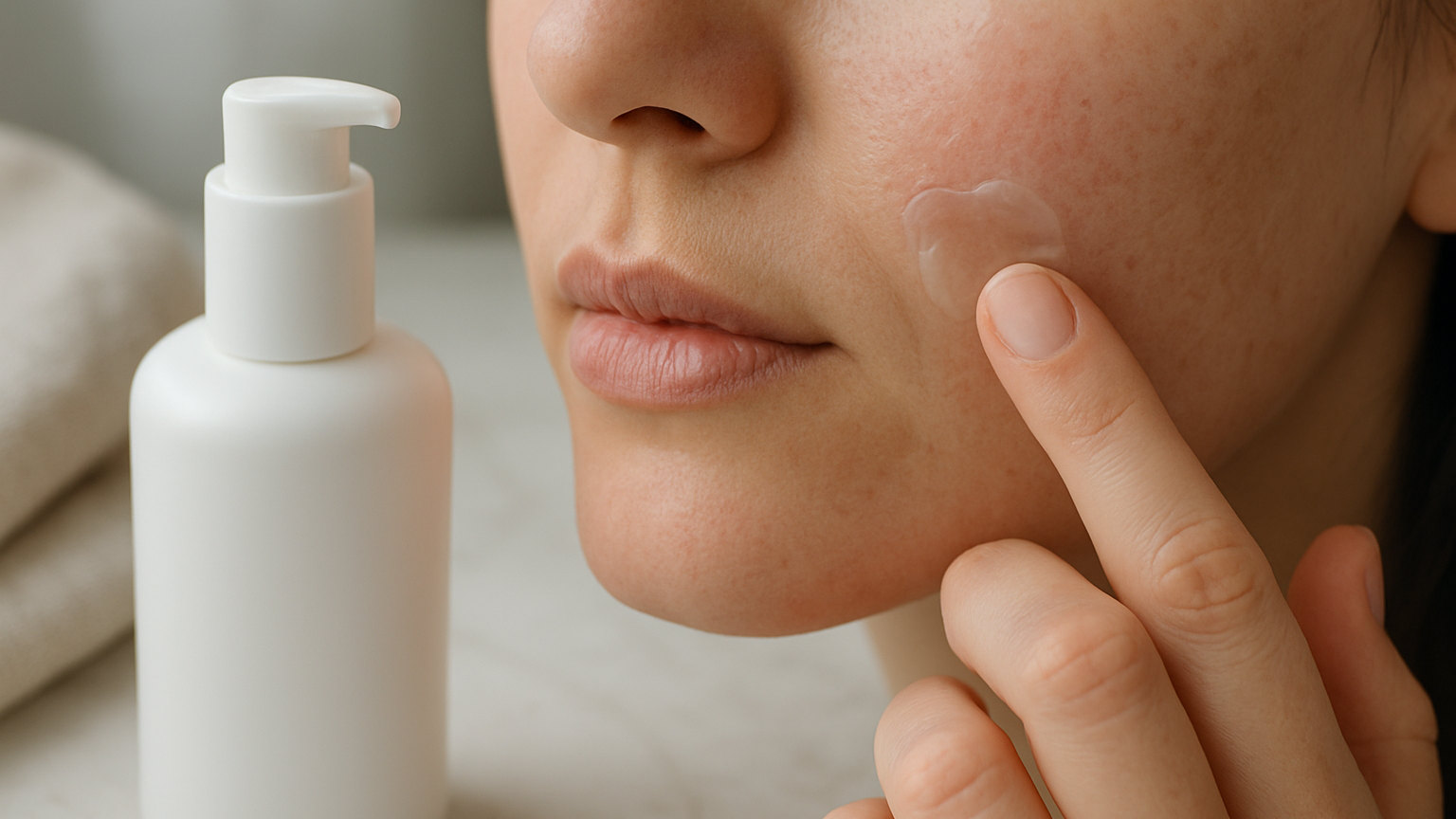
Stinging is information, and the useful question is not whether it hurts but whether it settles, where it appears and what it is telling you.
By Beauty Advice Team
10 Apr 2026

Almost every skincare problem has been solved by an ingredient that costs very little and been repackaged by an industry that charges a great deal for it. These guides start with the concern rather than the product: what is actually happening in the skin, which ingredients have evidence behind them and at what strength, and how long a change honestly takes to show. They also say plainly where the answer is a dermatologist rather than a serum, because acne that scars and moles that change are not skincare problems.
Stinging is information, and the useful question is not whether it hurts but whether it settles, where it appears and what it is telling you.
Almost every sudden onset of sensitivity, stinging and unexplained breakouts traces back to the same cause, and the fix involves doing considerably less.
These two conditions feel identical and need opposite products, which is why so many people buy a rich cream that does nothing for the problem they actually have.
Some of these have genuine science behind them at clinical strength. The question is what survives when the power is reduced enough to sell without supervision.
Glycation is a real biochemical process that damages collagen, and it is also the most heavily oversold idea in nutrition marketing for skin.
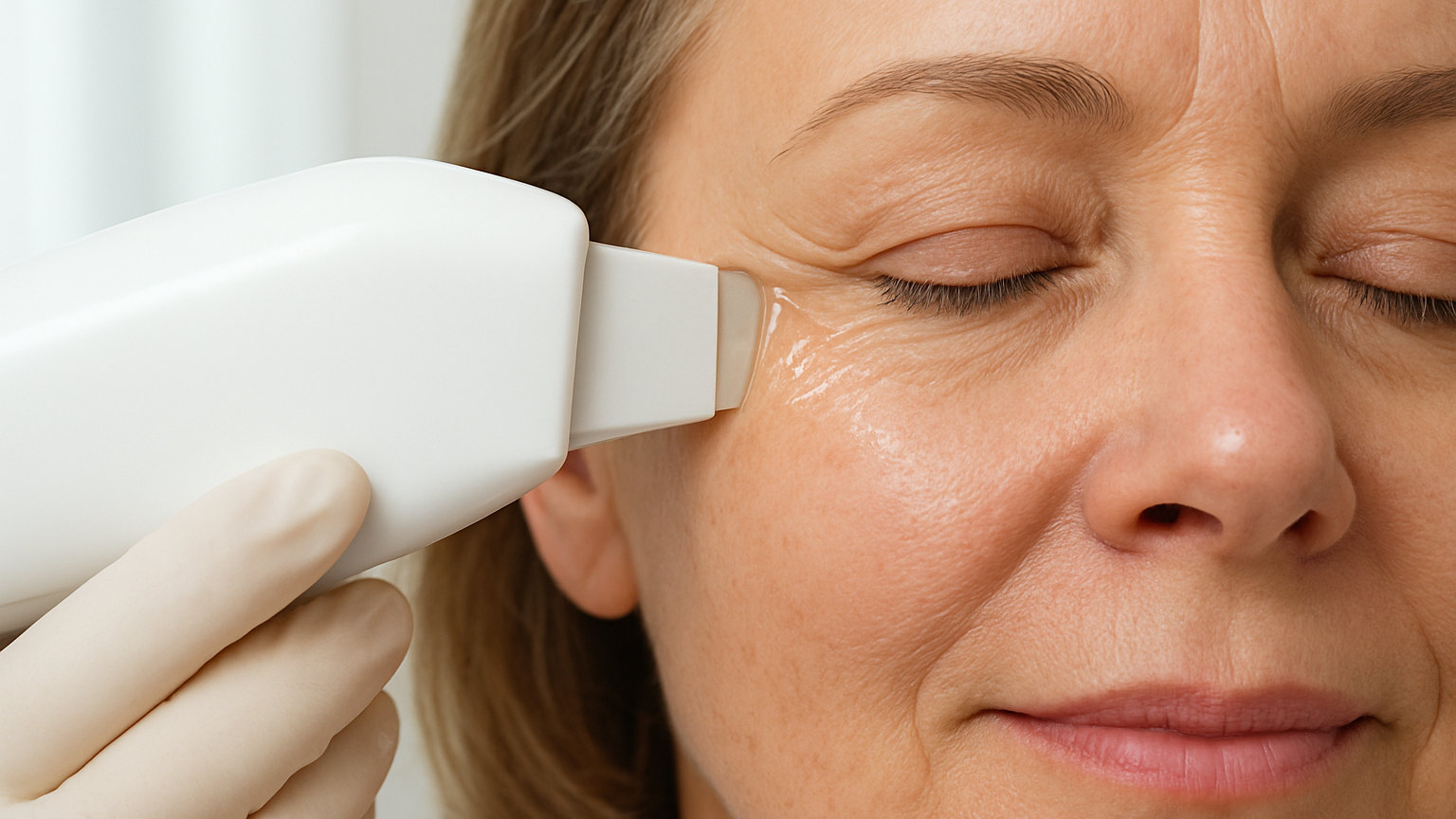
Each clinical treatment addresses one specific problem, and matching the treatment to the right problem matters far more than which clinic you choose.
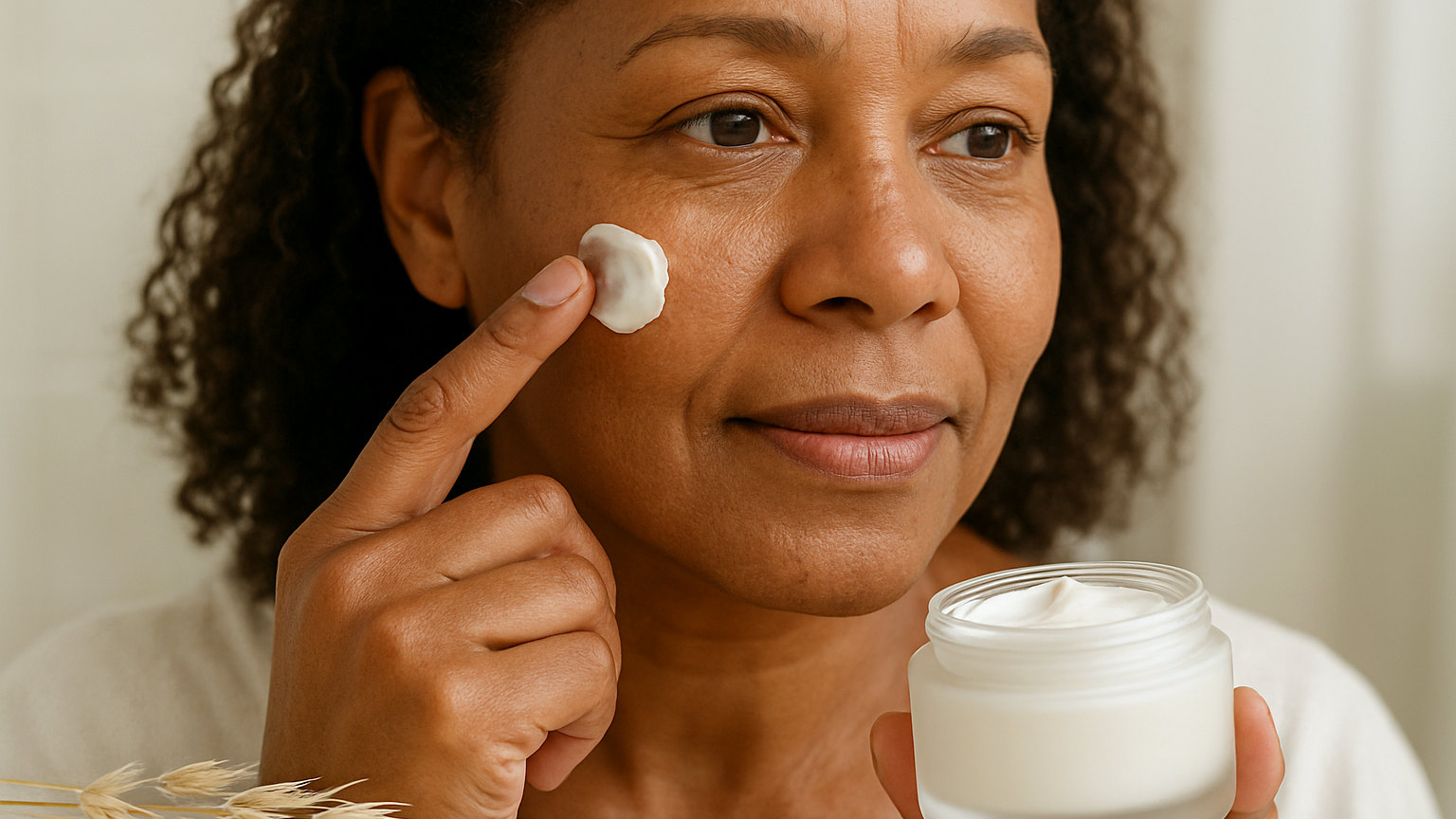
The change is sharper than the gradual decline that preceded it, and the products that worked for years often stop suiting skin almost overnight.
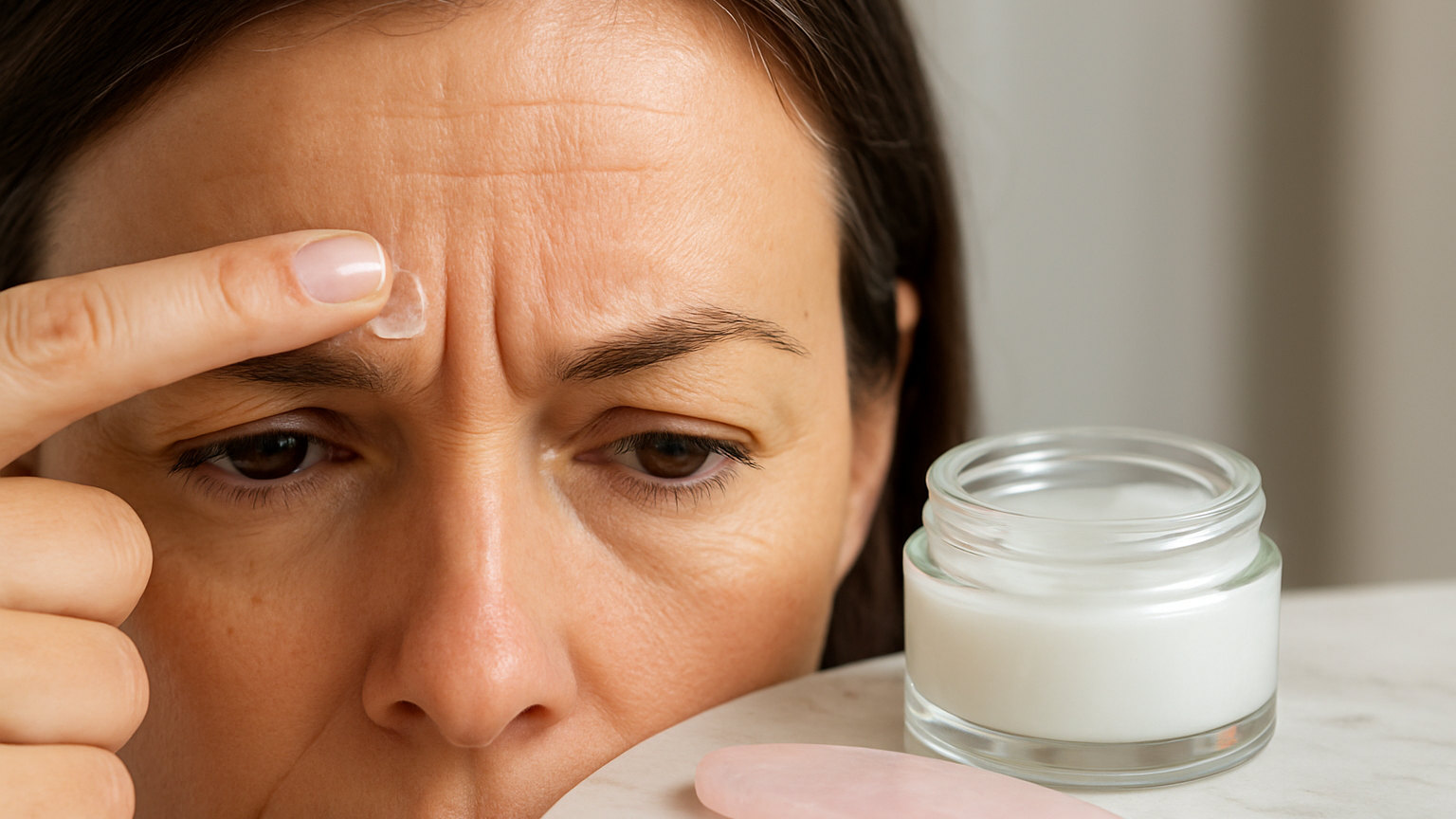
Lines caused by muscle movement behave differently to every other kind, which sets a real limit on what any cream can be expected to achieve.
Creases from your pillow are not imaginary, and unlike most wrinkle causes this one is genuinely fixable, though not by buying anything.
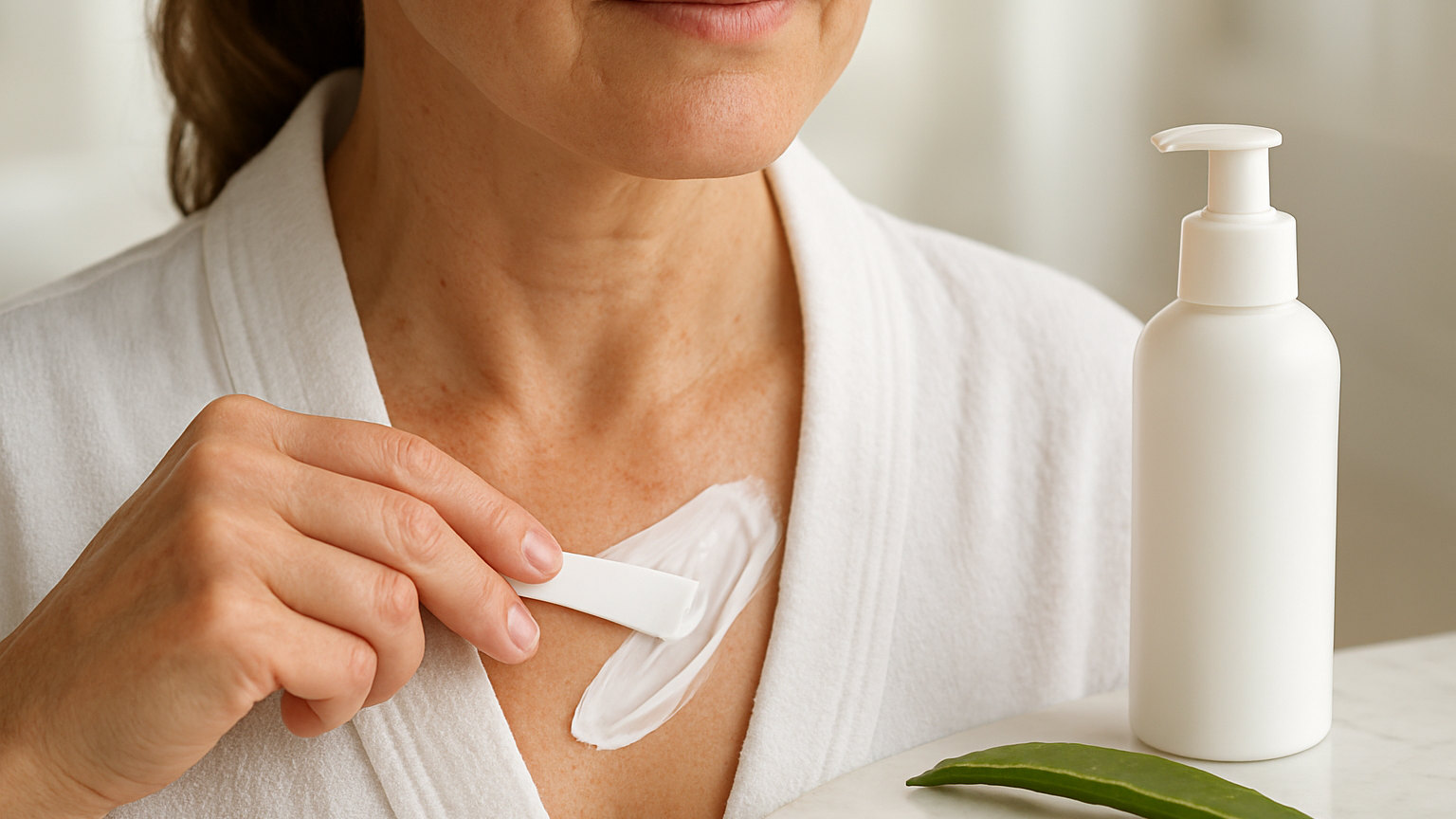
The neck and chest give away age more reliably than the face, and it is largely because of what does not happen to them rather than what does.
Sagging and wrinkling are separate problems with separate causes, which is why the products that help one do almost nothing for the other.
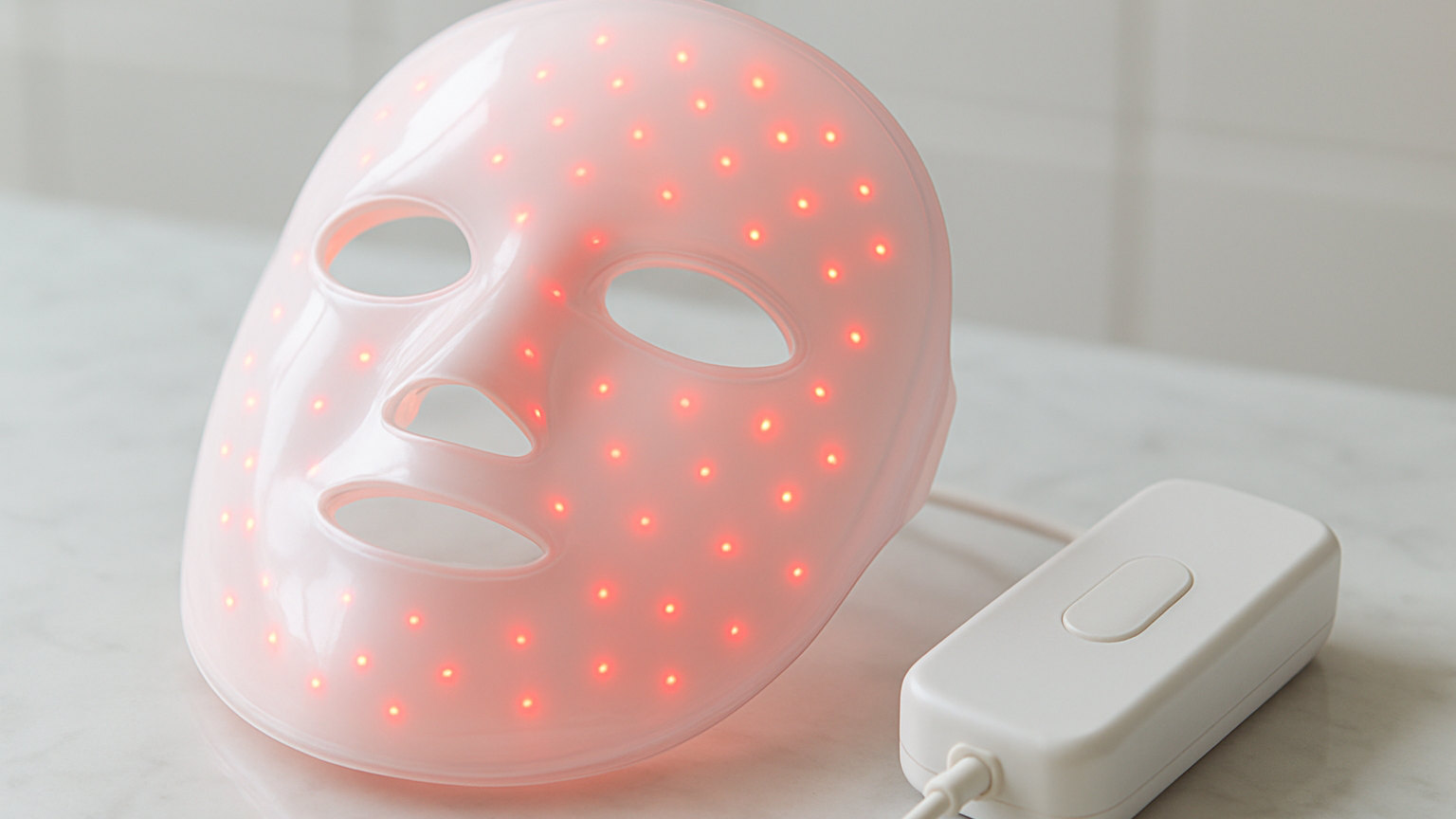
The evidence here is genuinely more interesting than the sceptics allow and considerably weaker than the marketing claims. Both things are true.