Why Are My Lips Always Chapped?
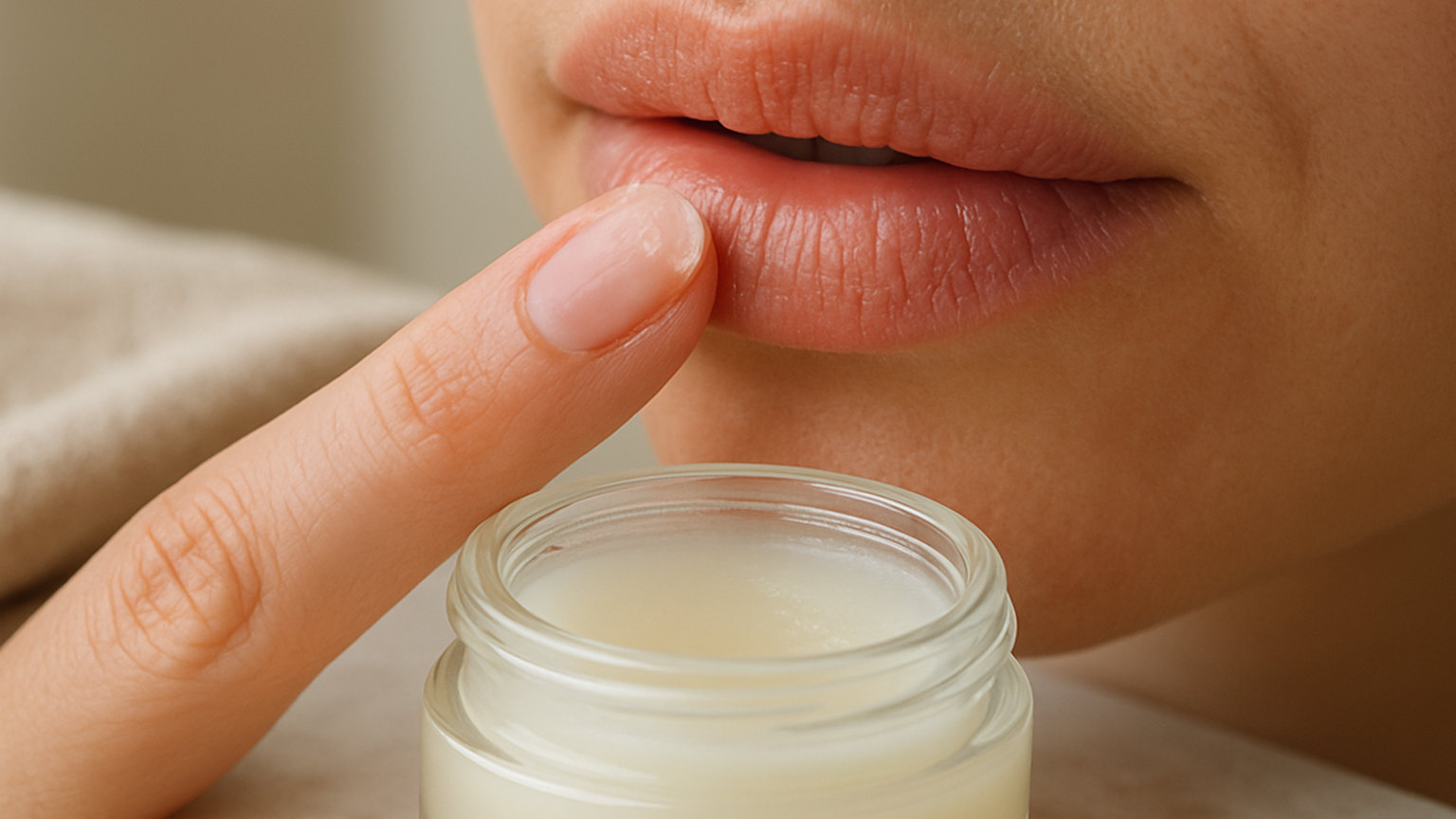
Lips cannot moisturise themselves, and several of the products sold to help them contain ingredients that guarantee you will need more.
By Beauty Advice Team
30 Apr 2026

Almost every skincare problem has been solved by an ingredient that costs very little and been repackaged by an industry that charges a great deal for it. These guides start with the concern rather than the product: what is actually happening in the skin, which ingredients have evidence behind them and at what strength, and how long a change honestly takes to show. They also say plainly where the answer is a dermatologist rather than a serum, because acne that scars and moles that change are not skincare problems.
Lips cannot moisturise themselves, and several of the products sold to help them contain ingredients that guarantee you will need more.
Dryness here has causes that do not apply anywhere else on the face, and one of the most common is a product you are not applying to your eyes at all.
Fragrance is the leading cause of allergic reactions to cosmetics, and the natural alternatives are not the safer option they are sold as.
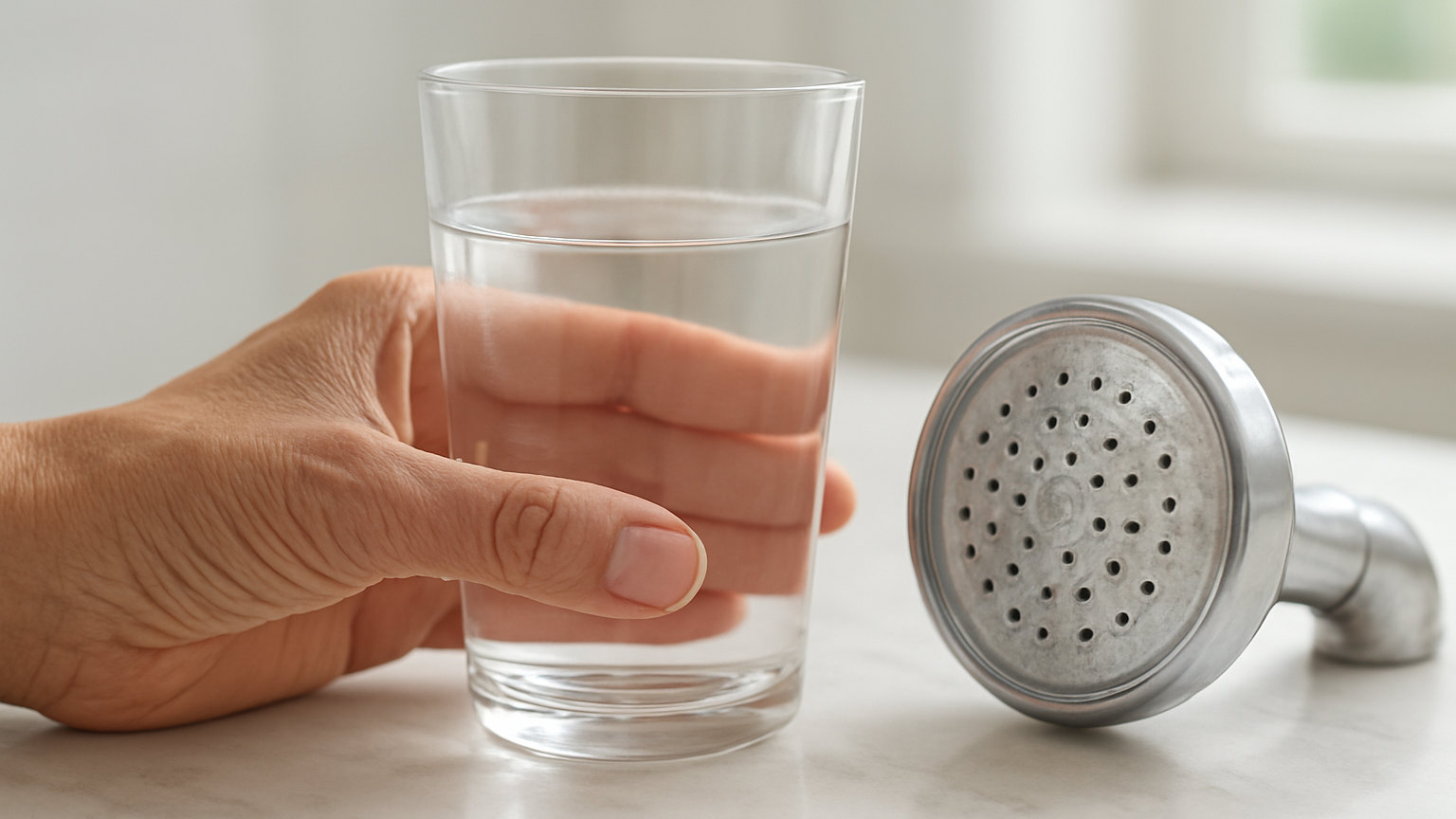
There is more evidence behind this than most people expect, and much of it comes from research into eczema rather than from anyone selling a shower filter.
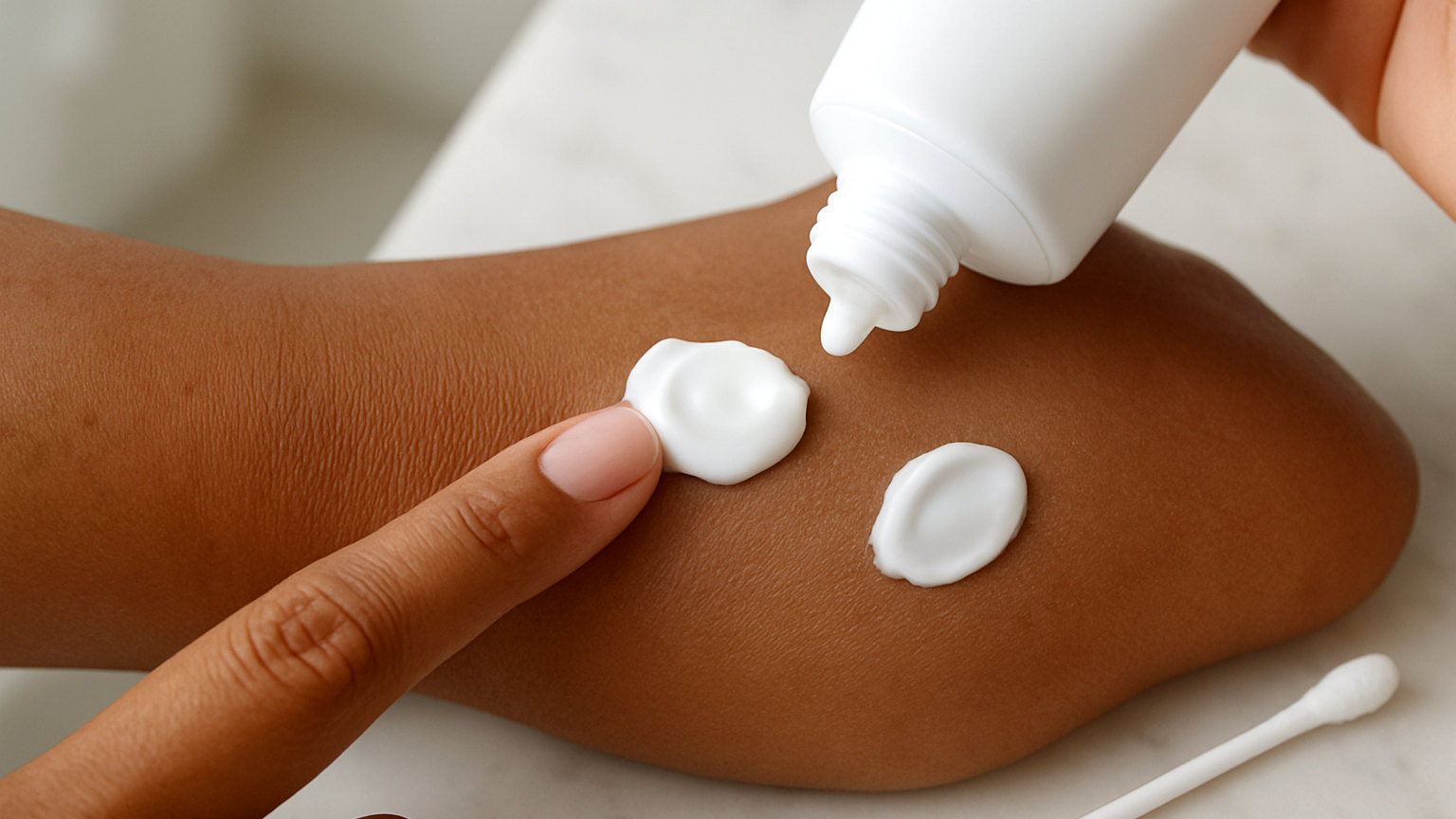
Almost nobody patch tests properly, and the version most people do misses the reaction type it most needs to catch.
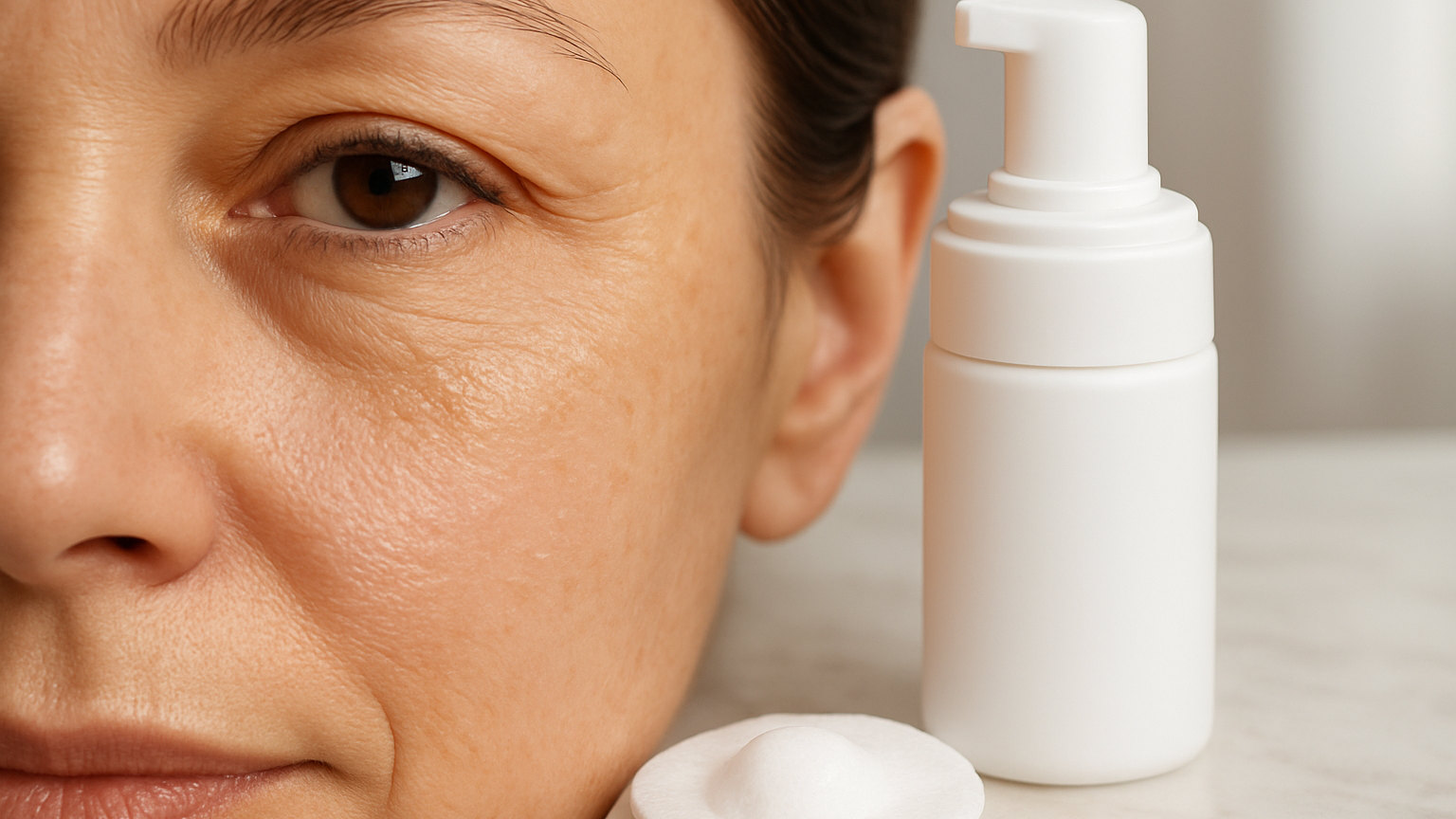
Cleanser does more damage than any other product in a routine, largely because the feeling people were taught to aim for is the sign of something going wrong.
Facial redness has several causes that look similar and behave differently, and the most common one is a treatable medical condition rather than sensitivity.
Sensitive skin is not a reason to rule out the most useful ingredient in skincare, but it does change how you introduce it and how quickly.
Flaking has several quite different causes, and the treatment for one is precisely the wrong thing for another, which is why it so often gets worse.
Every moisturiser works by one of three mechanisms, and knowing which one you need turns a wall of jars into a short and inexpensive list.
Cold air is only part of it, and the bigger culprit is usually indoors and switched on for six months of the year.
Sensitive is a description rather than a diagnosis, and a good deal of it turns out to be a condition that can be treated rather than a type you are stuck with.