What Should You Do About Sunburn?
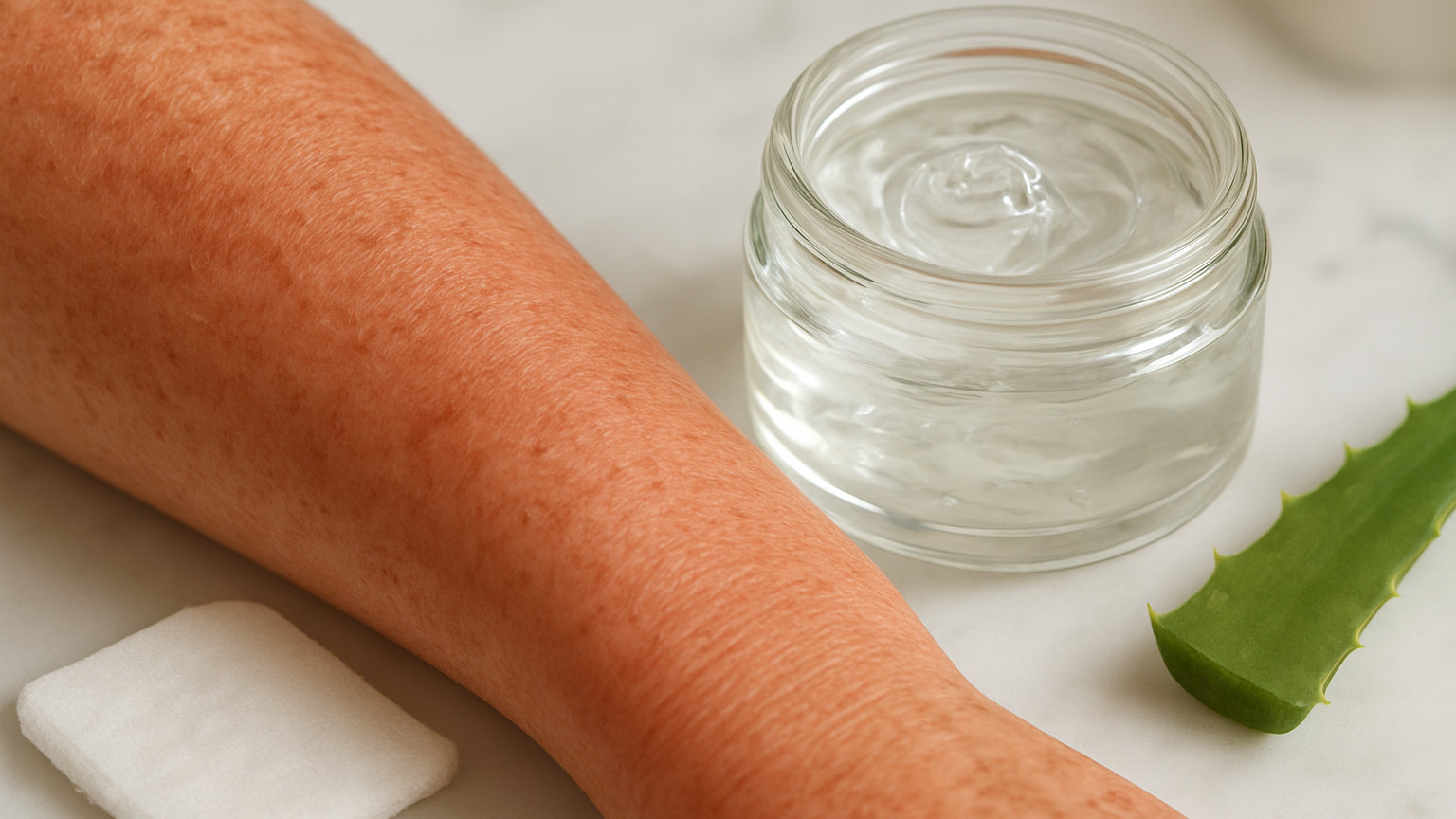
Sunburn is a radiation injury rather than a heat burn, and several of the remedies people reach for make the damage and the discomfort worse.
By Beauty Advice Team
29 Jun 2026

Almost every skincare problem has been solved by an ingredient that costs very little and been repackaged by an industry that charges a great deal for it. These guides start with the concern rather than the product: what is actually happening in the skin, which ingredients have evidence behind them and at what strength, and how long a change honestly takes to show. They also say plainly where the answer is a dermatologist rather than a serum, because acne that scars and moles that change are not skincare problems.
Sunburn is a radiation injury rather than a heat burn, and several of the remedies people reach for make the damage and the discomfort worse.
Last summer's half-used bottle is the most common sunscreen in British bathrooms, and whether it still works depends mostly on where it has been kept.
The honest answer is more nuanced than either the daily-without-exception camp or the sceptics allow, and it depends on where you spend your day.
The distinction matters less than the marketing suggests, and the right answer depends far more on which one you will apply properly every day.
Almost everyone applies between a quarter and a half of the tested amount, which means the number on the bottle bears little relation to the protection received.
The number on the bottle measures one thing only, and the part that ages your skin is measured somewhere else entirely.
One oral supplement has reasonable evidence behind it, one is a prescription medicine being sold as a beauty product, and one is genuinely dangerous.
Most pigmentation advice is written for lighter skin, and following it on deeper skin is one of the more reliable ways to make the problem worse.
Clinical treatment can achieve in weeks what topicals take a year to approach, and it can also cause pigmentation considerably worse than the original.
Velvety dark patches in the folds of the neck are not dirt and not sun damage, and they are one of the few skin signs worth taking to a GP promptly.
Dark circles have four separate causes that look alike, and only one of them responds to anything sold as an eye cream.
Some kinds return reliably and others do not, and knowing which you have decides whether you are running a course of treatment or a maintenance routine.