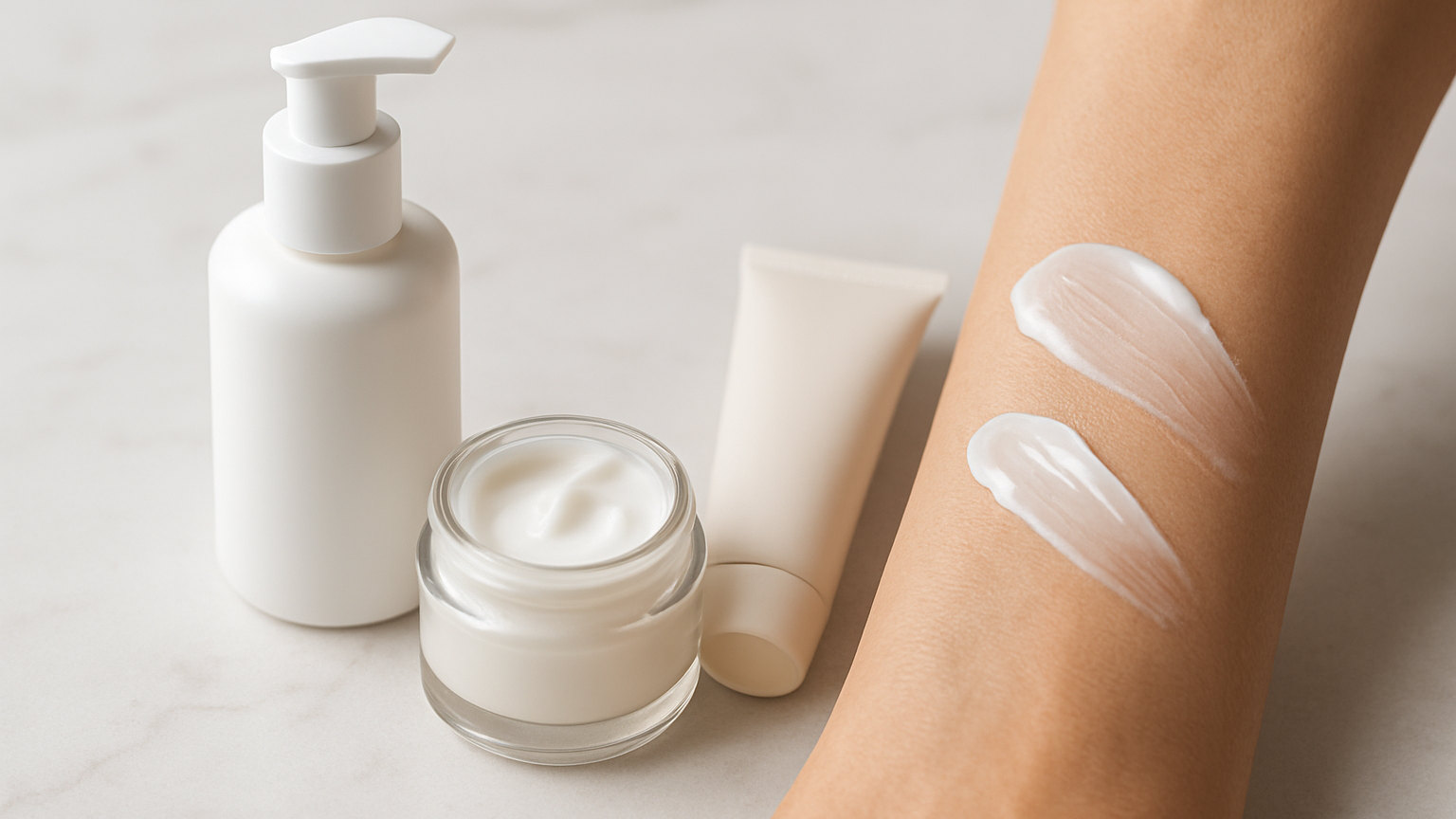
Morning or Night: When Should Each Product Go?
Some products belong at a particular time for real reasons and others are placed by habit, and separating the two makes a routine considerably easier to keep.
Almost every skincare problem has been solved by an ingredient that costs very little and been repackaged by an industry that charges a great deal for it. These guides start with the concern rather than the product: what is actually happening in the skin, which ingredients have evidence behind them and at what strength, and how long a change honestly takes to show. They also say plainly where the answer is a dermatologist rather than a serum, because acne that scars and moles that change are not skincare problems.
Some products belong at a particular time for real reasons and others are placed by habit, and separating the two makes a routine considerably easier to keep.
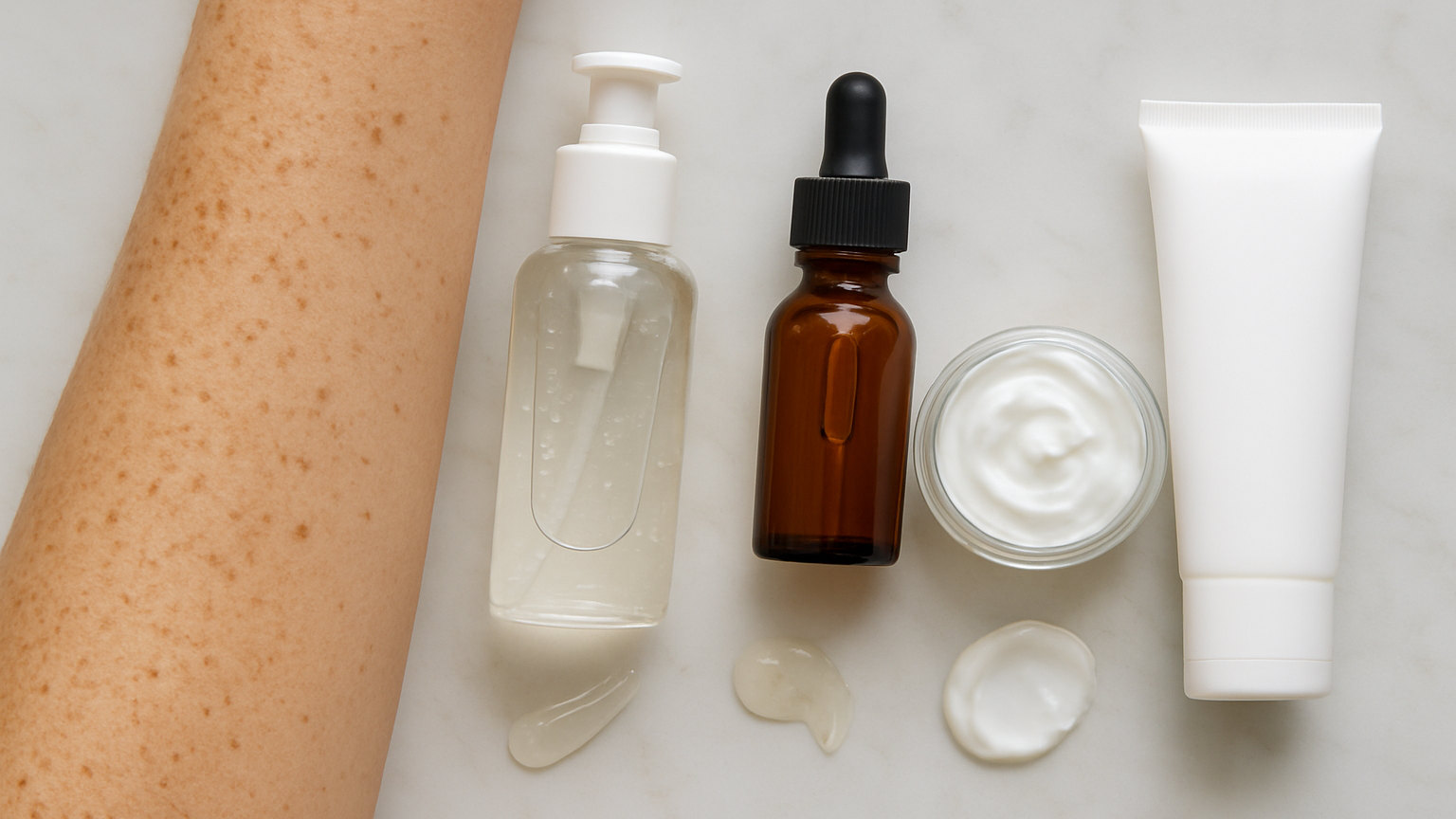
The list of products with strong evidence behind them is short, inexpensive, and considerably less interesting than the industry would prefer.
The order matters for a handful of specific reasons, and most of the elaborate sequences circulating online are inventing rules where none exist.
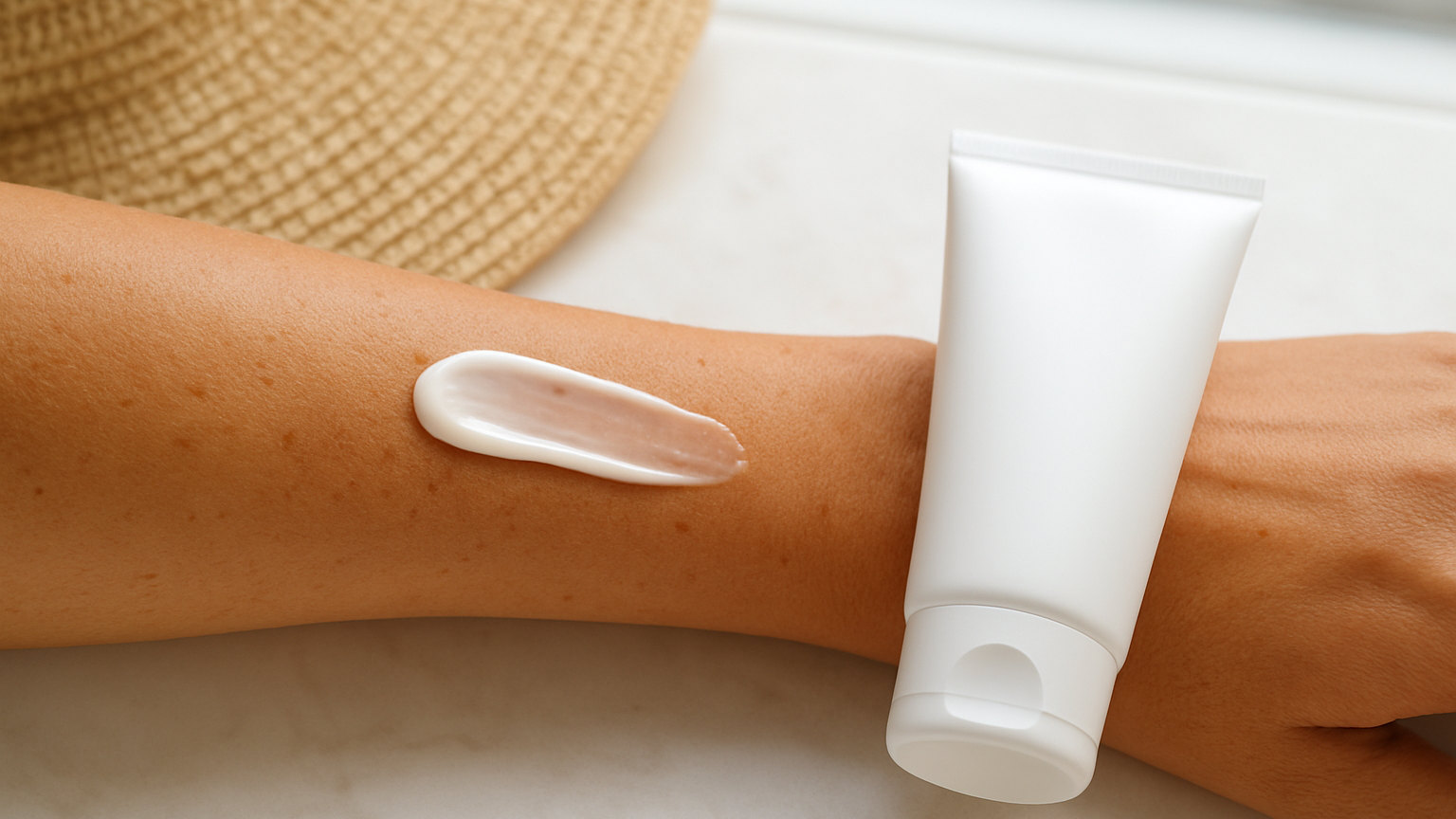
A tan does provide some protection, and the amount is so small that using it as a strategy means accepting a great deal of damage for very little in return.
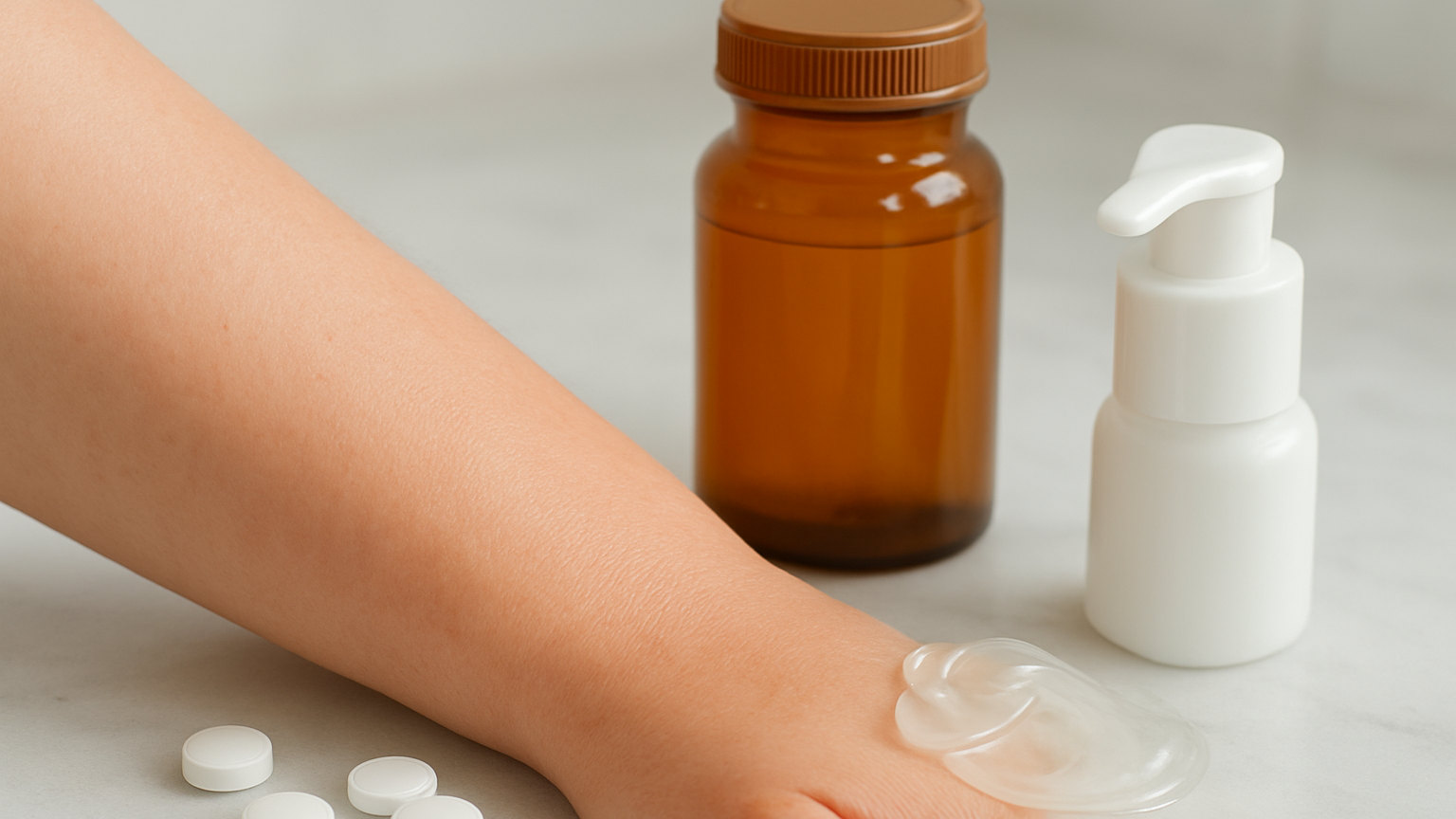
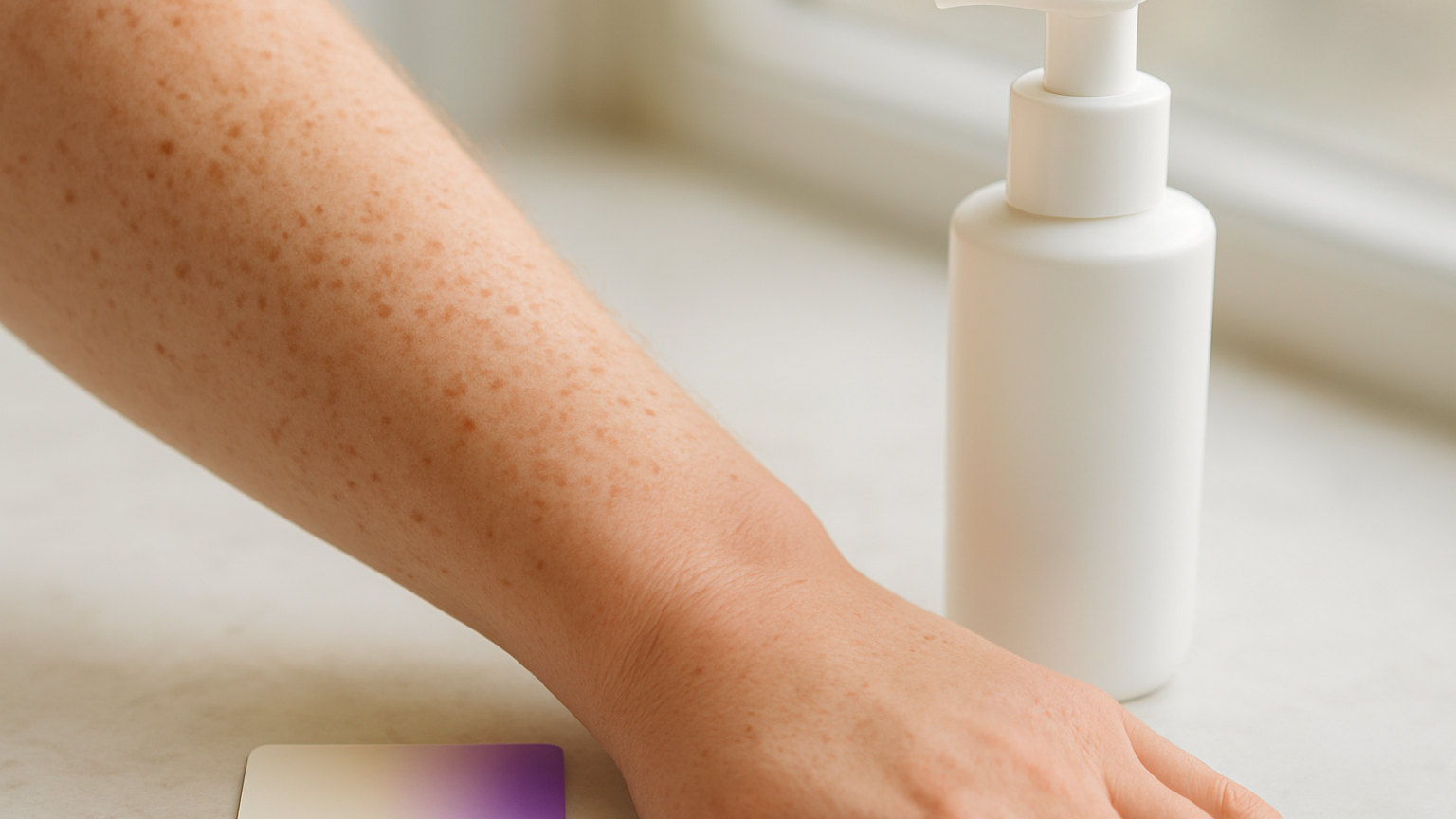
A number of common prescriptions make skin burn at exposures that would normally be harmless, and the leaflet does not always make it obvious.
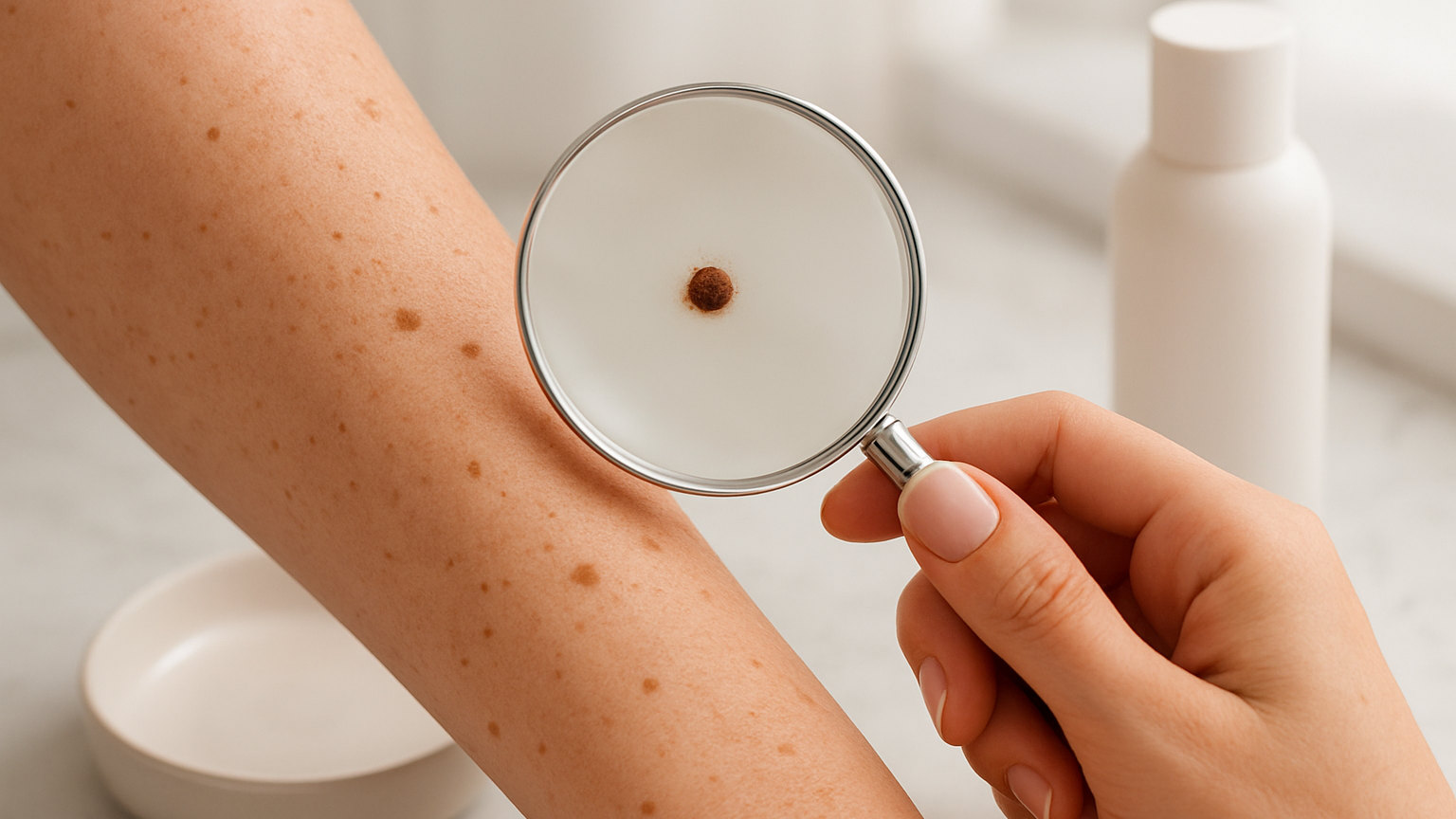
Most changes turn out to be nothing, and the small number that are not are far more treatable when found early, which makes a five-minute check worth the habit.
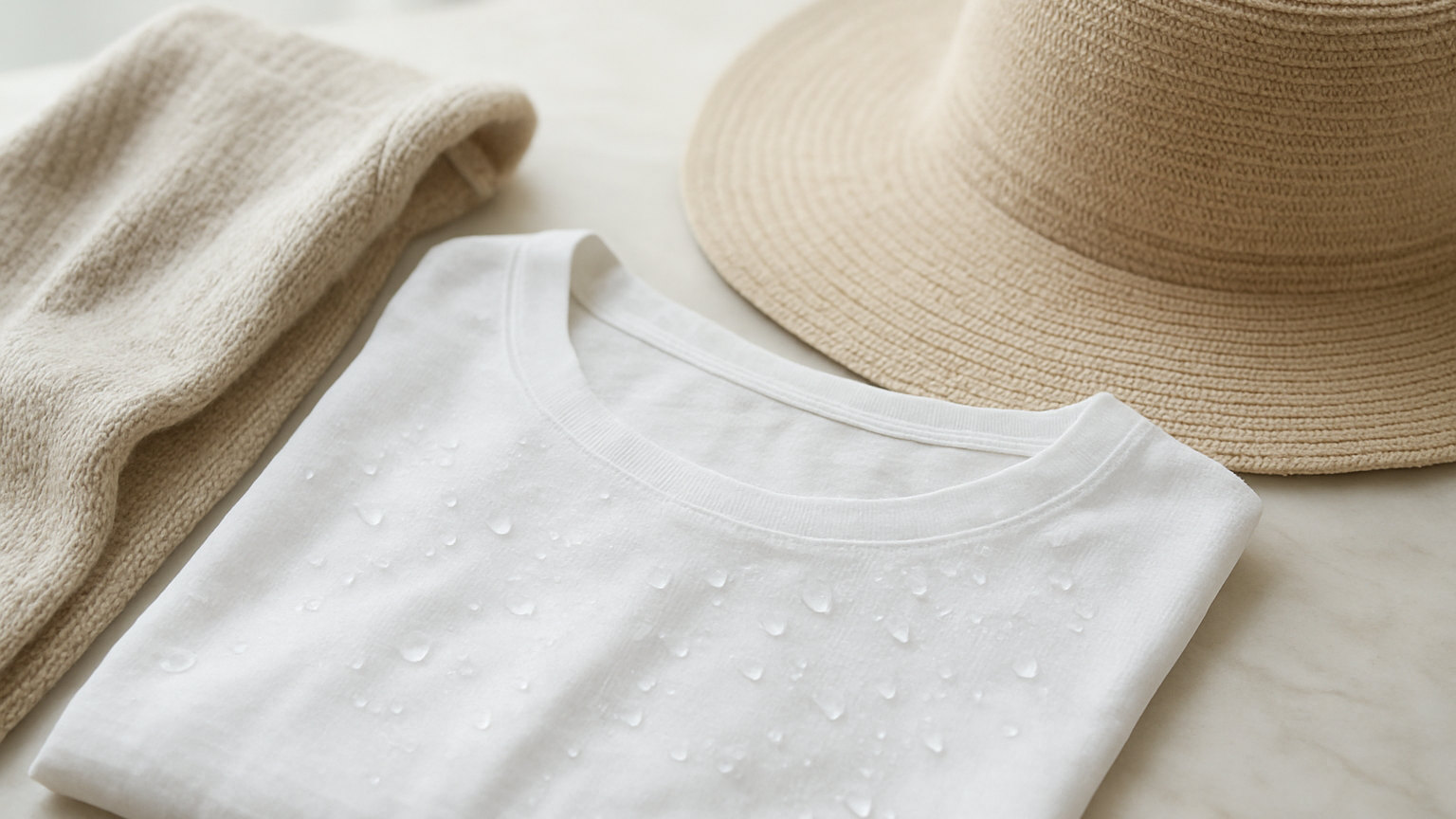
Fabric is the most reliable sun protection available because it does not need reapplying, though a wet white t-shirt offers considerably less than people assume.
The UV index is on every weather app and almost nobody uses it, which is a shame because it answers the question people actually have.
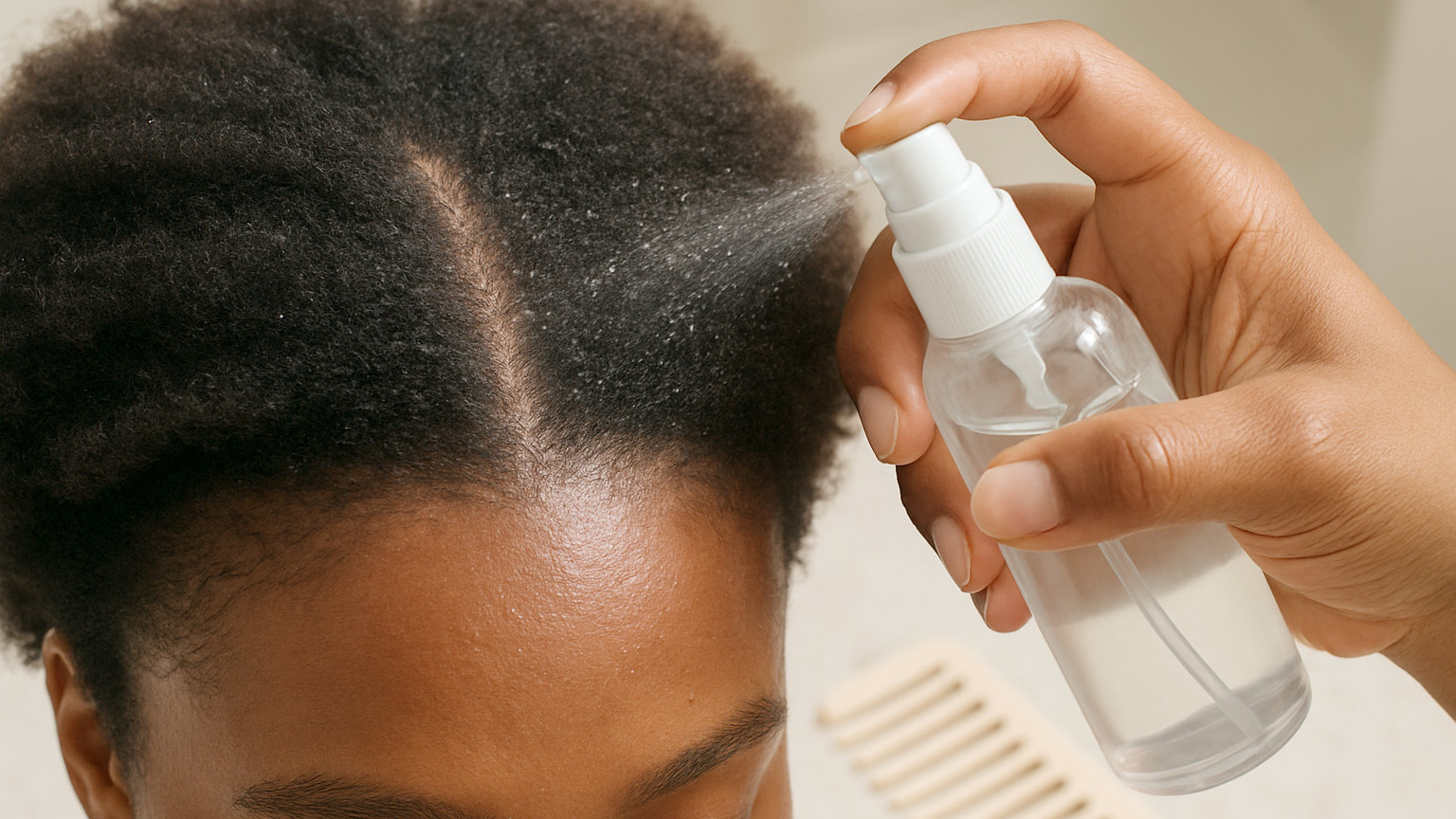
The scalp is one of the most commonly burnt areas and one of the least protected, and it is also a site where skin cancers are found late.
Sunscreen gets blamed for a great deal it does not cause, and the genuine cases usually come down to texture or one specific ingredient rather than the category.
Childhood sun exposure carries more weight than adult exposure for lifetime risk, and the guidance for the youngest babies is not about which sunscreen to buy.
Pilling, sliding and a greasy finish are the usual reasons people give up on daily sunscreen, and all three are solvable without changing your foundation.