Which Anti-Ageing Ingredients Actually Have Evidence?
The list of ingredients with real clinical support behind them is considerably shorter than the shelf suggests, and most of it is inexpensive.
Almost every skincare problem has been solved by an ingredient that costs very little and been repackaged by an industry that charges a great deal for it. These guides start with the concern rather than the product: what is actually happening in the skin, which ingredients have evidence behind them and at what strength, and how long a change honestly takes to show. They also say plainly where the answer is a dermatologist rather than a serum, because acne that scars and moles that change are not skincare problems.
The list of ingredients with real clinical support behind them is considerably shorter than the shelf suggests, and most of it is inexpensive.
If you only use one product for the appearance of your skin over the next twenty years, the evidence points overwhelmingly at the cheapest one.
Eye cream is the most marked-up product in skincare, and for most people a smaller jar of what they already own would do the same job.
Retinol works, but on a timescale that defeats most people. Here is what changes at each stage, and why the first month looks like it is failing.
The honest answer involves fewer products and an earlier start than the industry suggests, and only one of them needs to begin in your teens.
Skin ages in two entirely separate ways, and only one of them is down to the passing of time. Telling them apart decides what is worth spending money on.
Body acne responds to different things than facial acne, and one of the most effective changes has nothing to do with skincare products at all.
Skipping moisturiser to stop spots is the most counterproductive habit in acne care, and non-comedogenic on a label guarantees you absolutely nothing.
Over-exfoliation is one of the most common causes of a breakout that will not settle, and it looks almost identical to the acne it is meant to be treating.
Adult acne is common, it is not teenage acne arriving late, and treating it with the products that worked at fifteen usually makes it considerably worse.
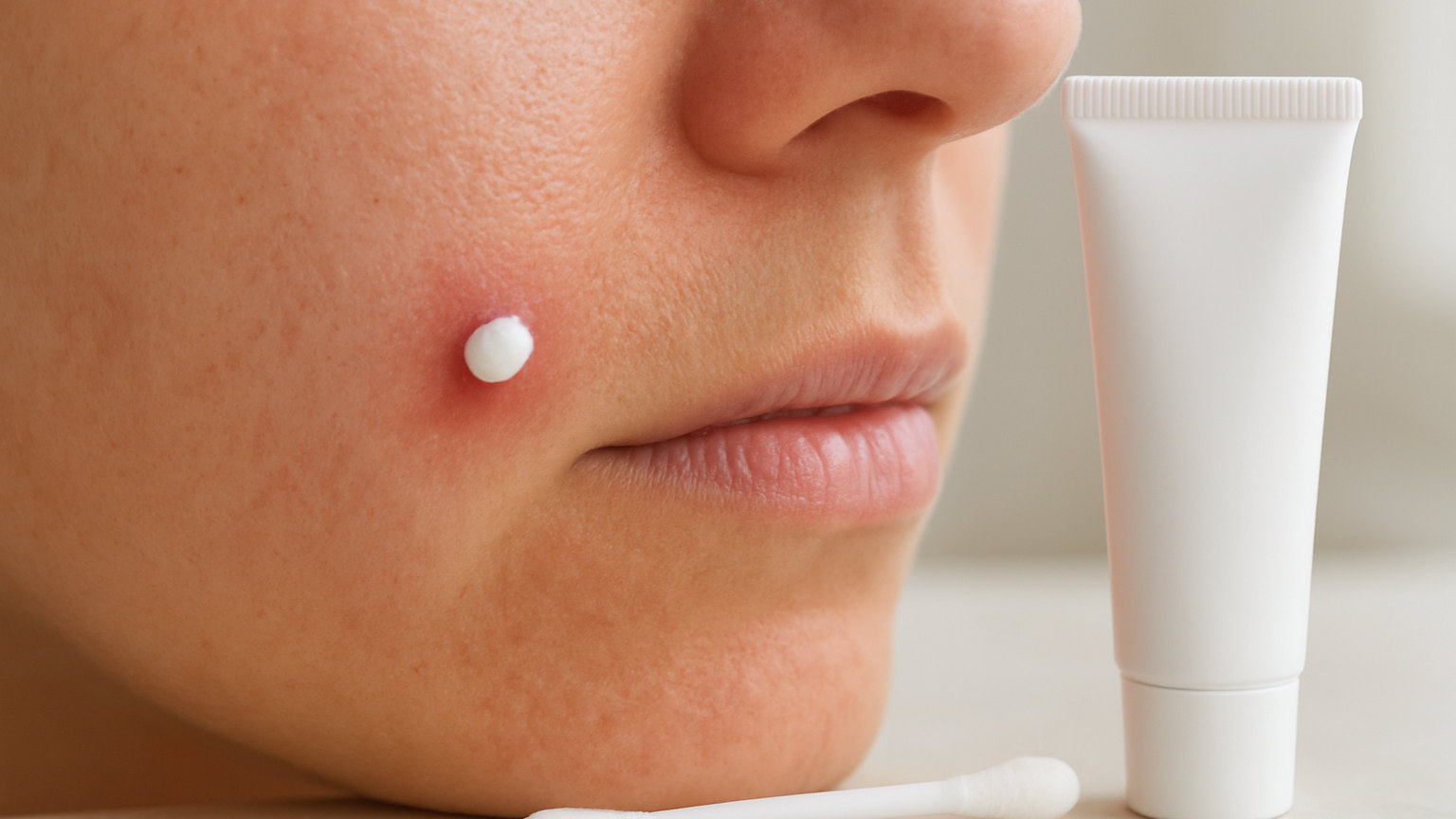
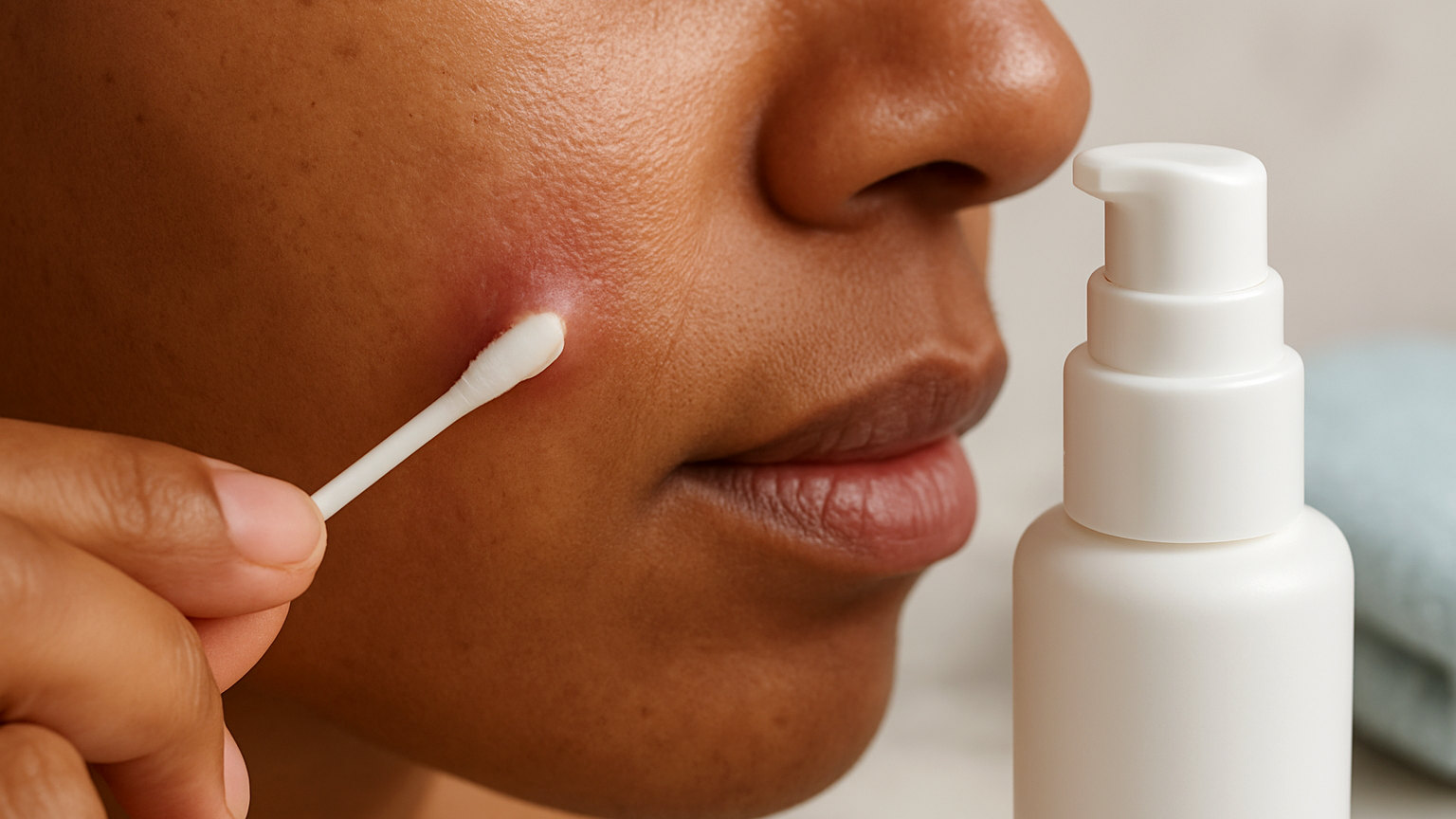
It dries a spot out, which is why the myth survives. It also damages the skin around it in a way that outlasts the spot by several months.
A deep, painful lump with no head cannot be squeezed out, and trying is what turns a two-week spot into a permanent mark on your face.