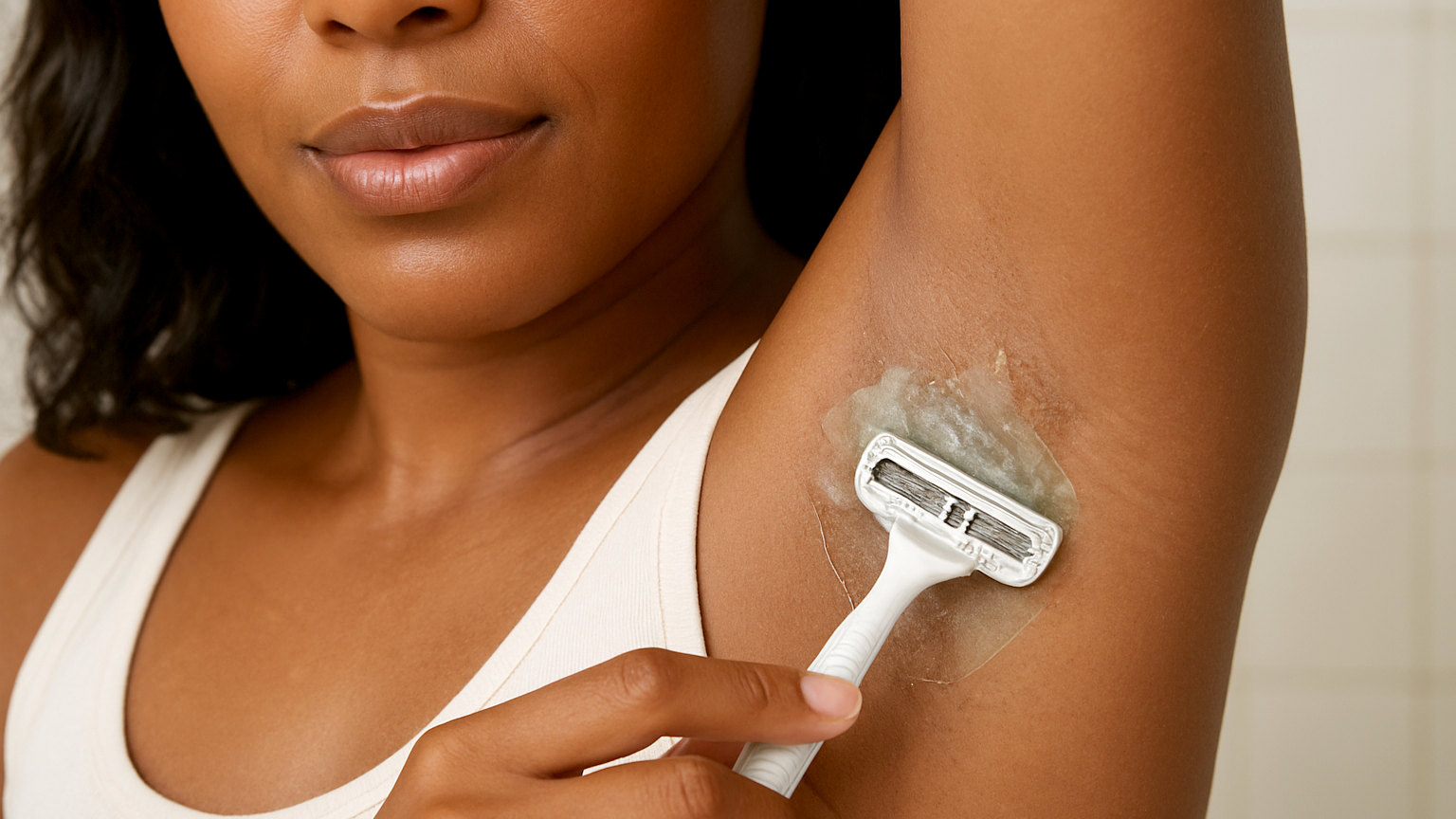
How Do You Shave Underarms Without Irritation?
Underarm hair grows in several directions at once, and the folded skin and immediate deodorant afterwards make it one of the most irritation-prone areas.
Grooming is mostly technique, and most of what goes wrong with it - the rash after shaving, the ingrown hairs, the brows that never grew back - comes from method rather than the money spent on kit. These guides cover how to do each thing properly, what each hair removal method actually costs over a year, and which results need a professional. They are written for anyone, because a razor does not know whose face it is on.
Underarm hair grows in several directions at once, and the folded skin and immediate deodorant afterwards make it one of the most irritation-prone areas.
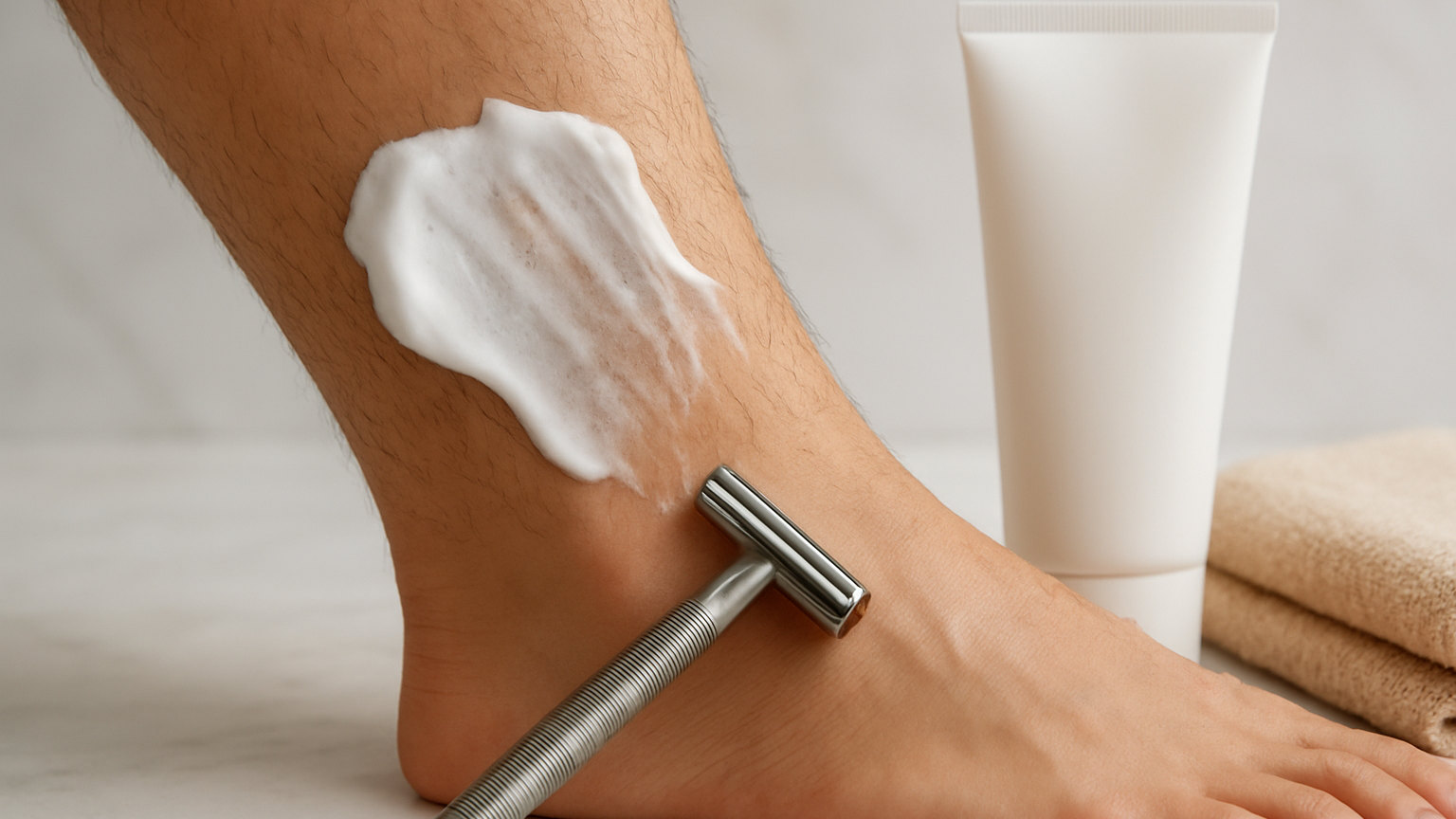
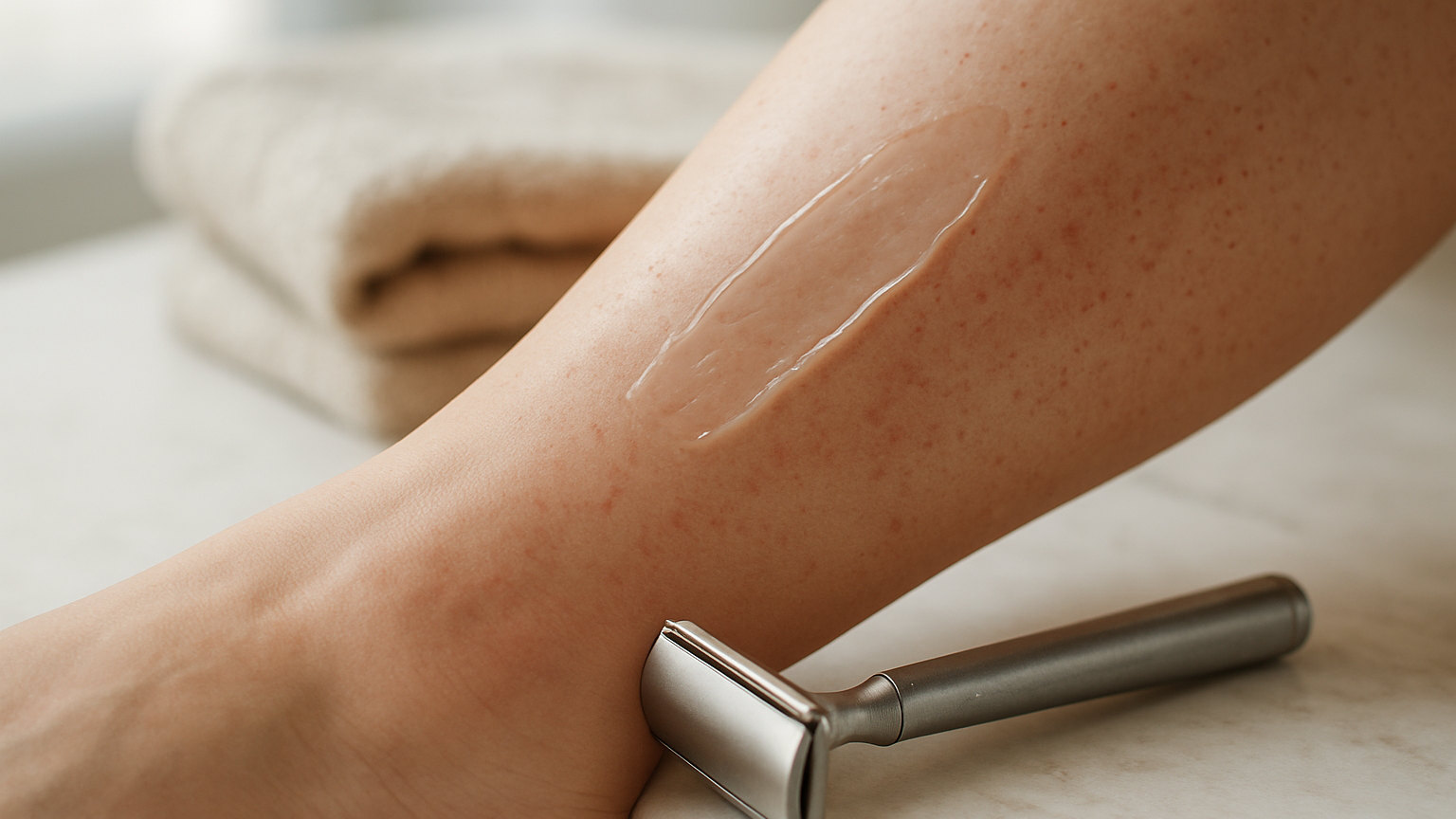
Legs are the most forgiving area to shave and the one where people take the most shortcuts, which is why irritation is so common.
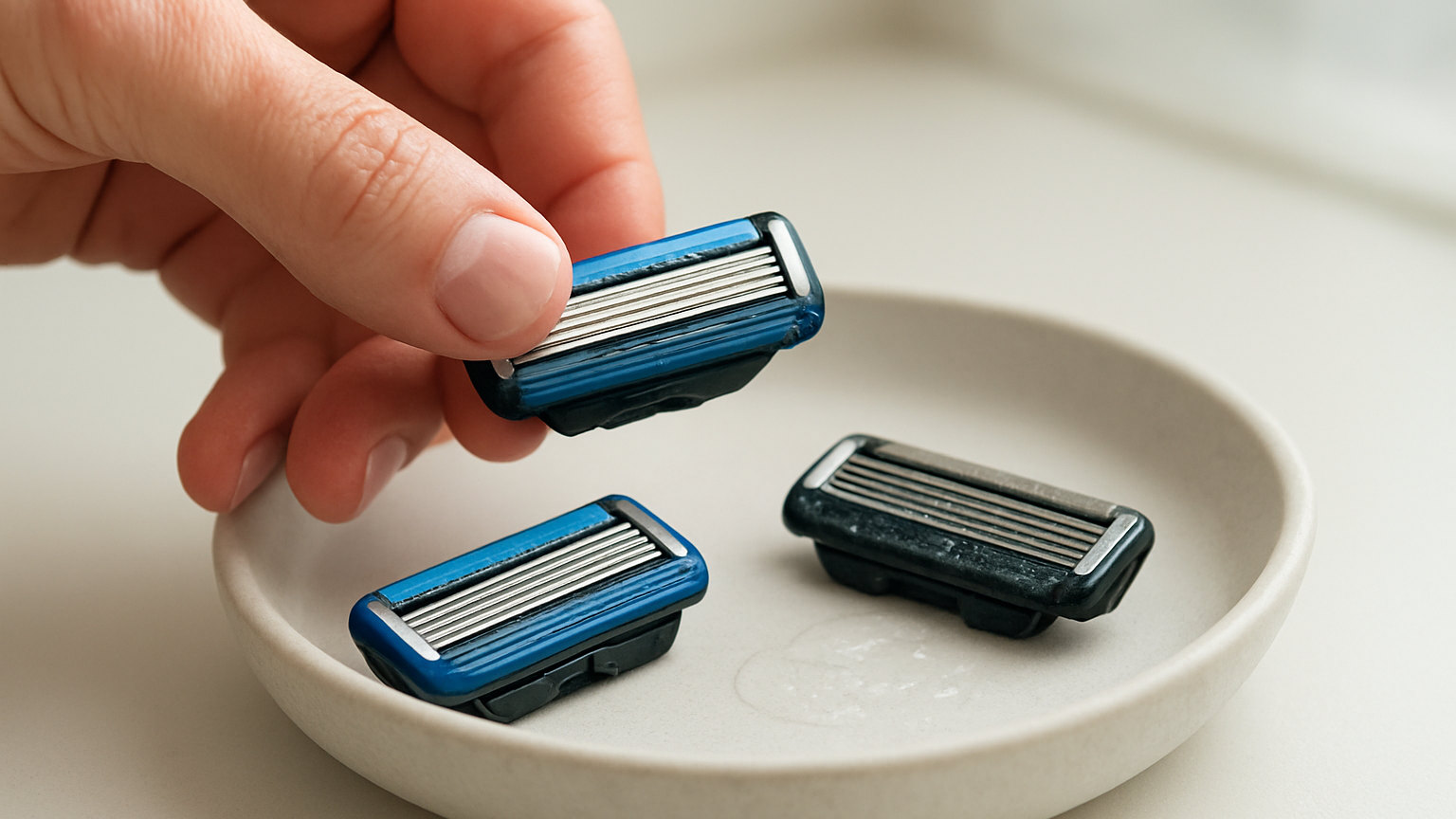
Almost everyone uses blades for too long, and a blunt blade causes most of the problems people blame on their skin.
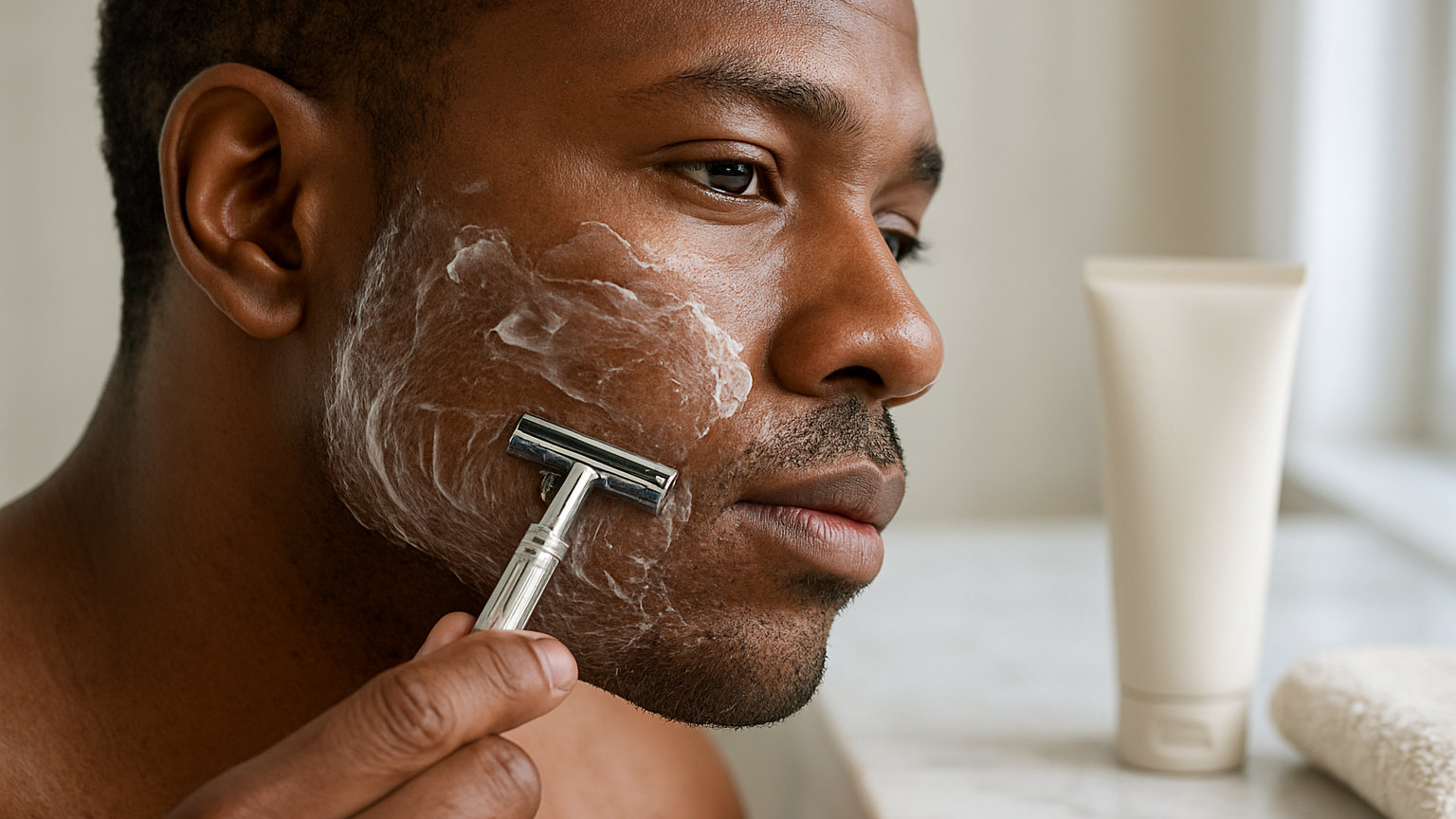
Sensitive skin needs the opposite of a close shave, and accepting slightly more stubble is what makes daily shaving sustainable.
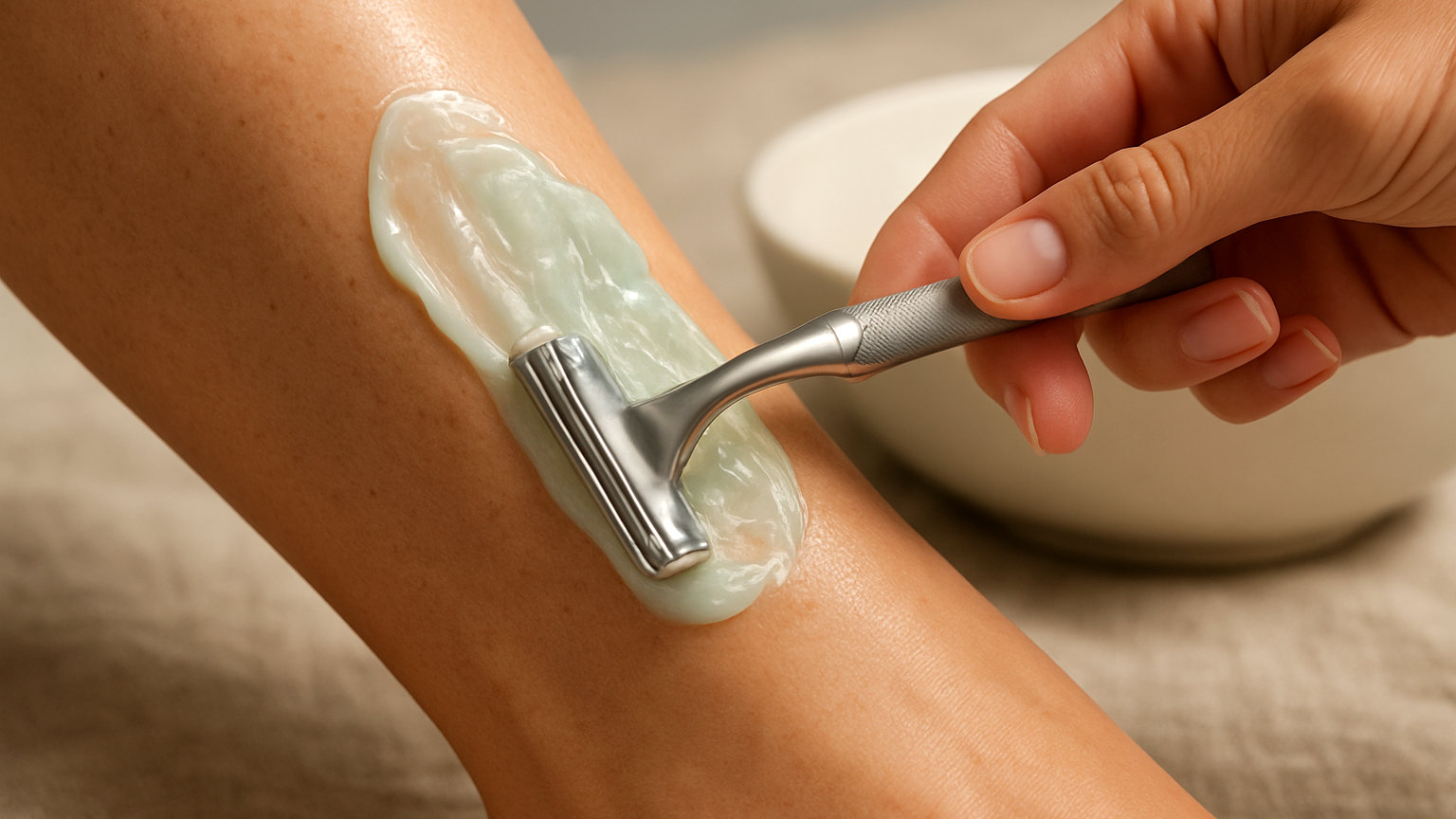
Something between blade and skin is not optional, and several of the things people use instead actively make shaving worse.
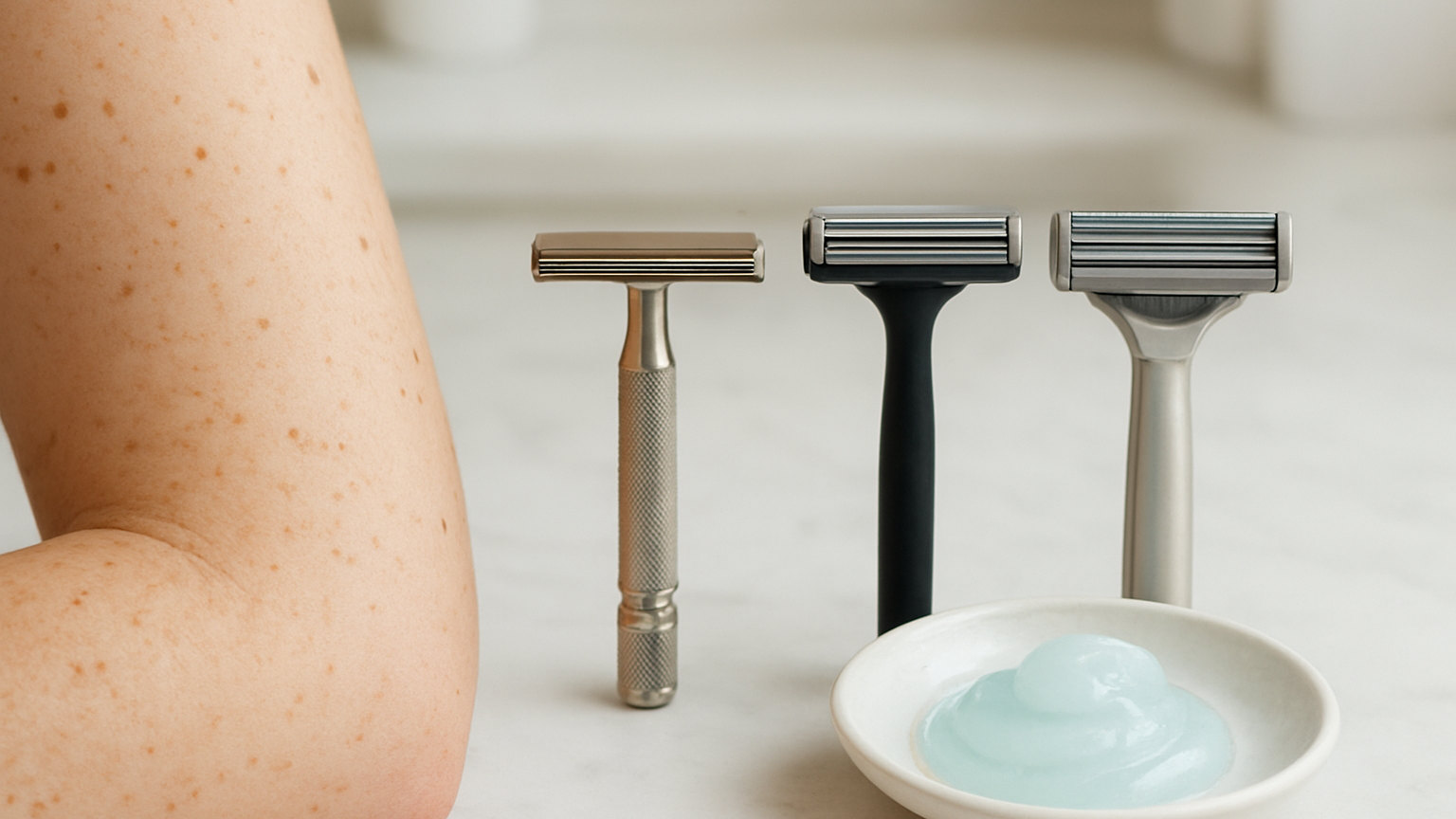
More blades give a closer shave and more irritation, which makes the right razor a question of what your skin tolerates rather than what is most advanced.
An ingrown hair is a hair that has grown back into the skin, and the shaving habits that produce closeness are the same ones that cause it.
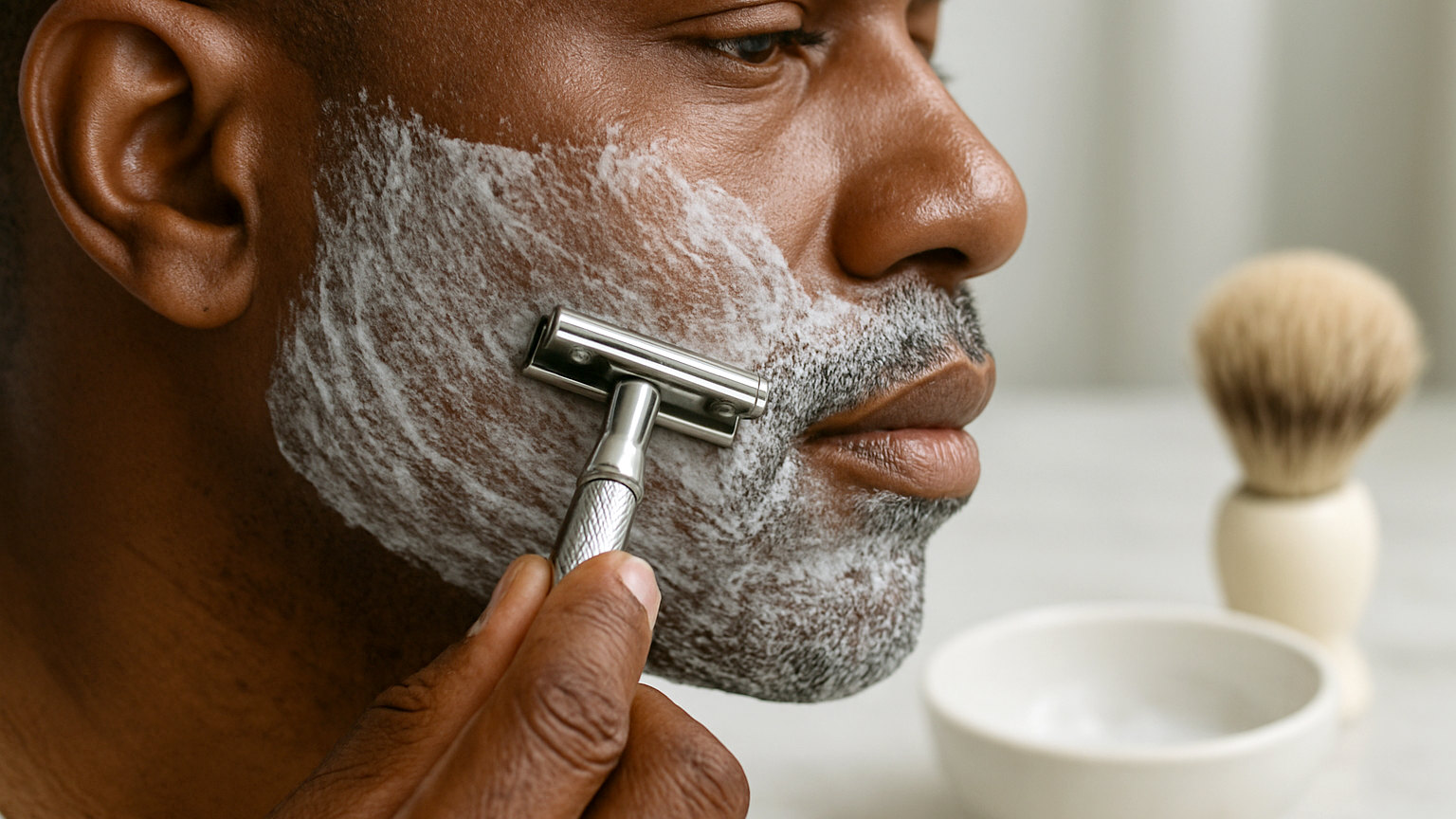
Shaving is almost entirely technique, and the order of operations matters more than anything you can buy.
Razor burn is friction damage rather than an infection, and almost all of it comes from a blunt blade or insufficient lubrication.