How Do You Treat a Nail Fungal Infection?
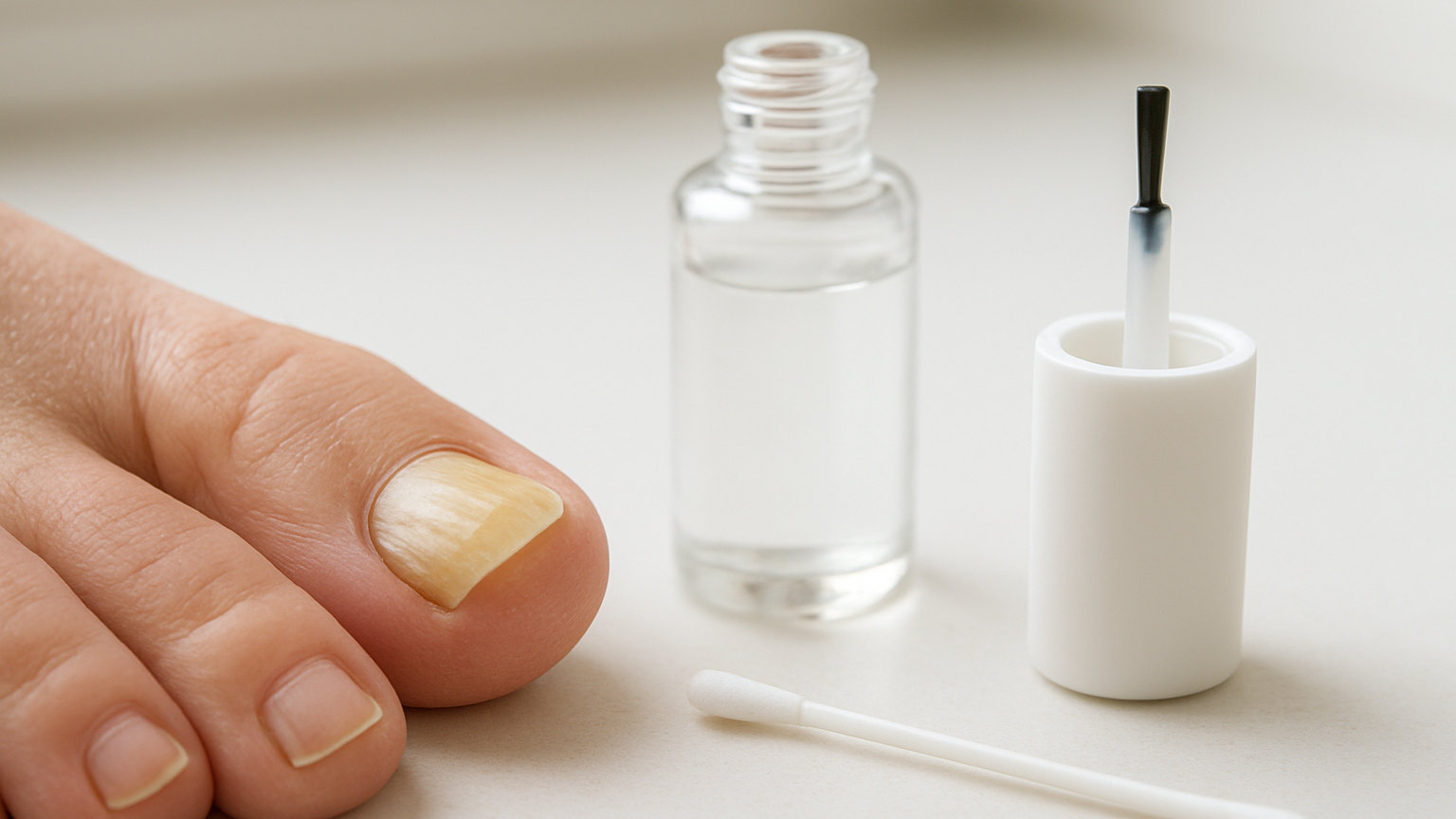
Fungal nail infection is common, slow to treat and frequently misdiagnosed, and confirming it before starting matters because treatment takes a year.
Grooming is mostly technique, and most of what goes wrong with it - the rash after shaving, the ingrown hairs, the brows that never grew back - comes from method rather than the money spent on kit. These guides cover how to do each thing properly, what each hair removal method actually costs over a year, and which results need a professional. They are written for anyone, because a razor does not know whose face it is on.
Fungal nail infection is common, slow to treat and frequently misdiagnosed, and confirming it before starting matters because treatment takes a year.
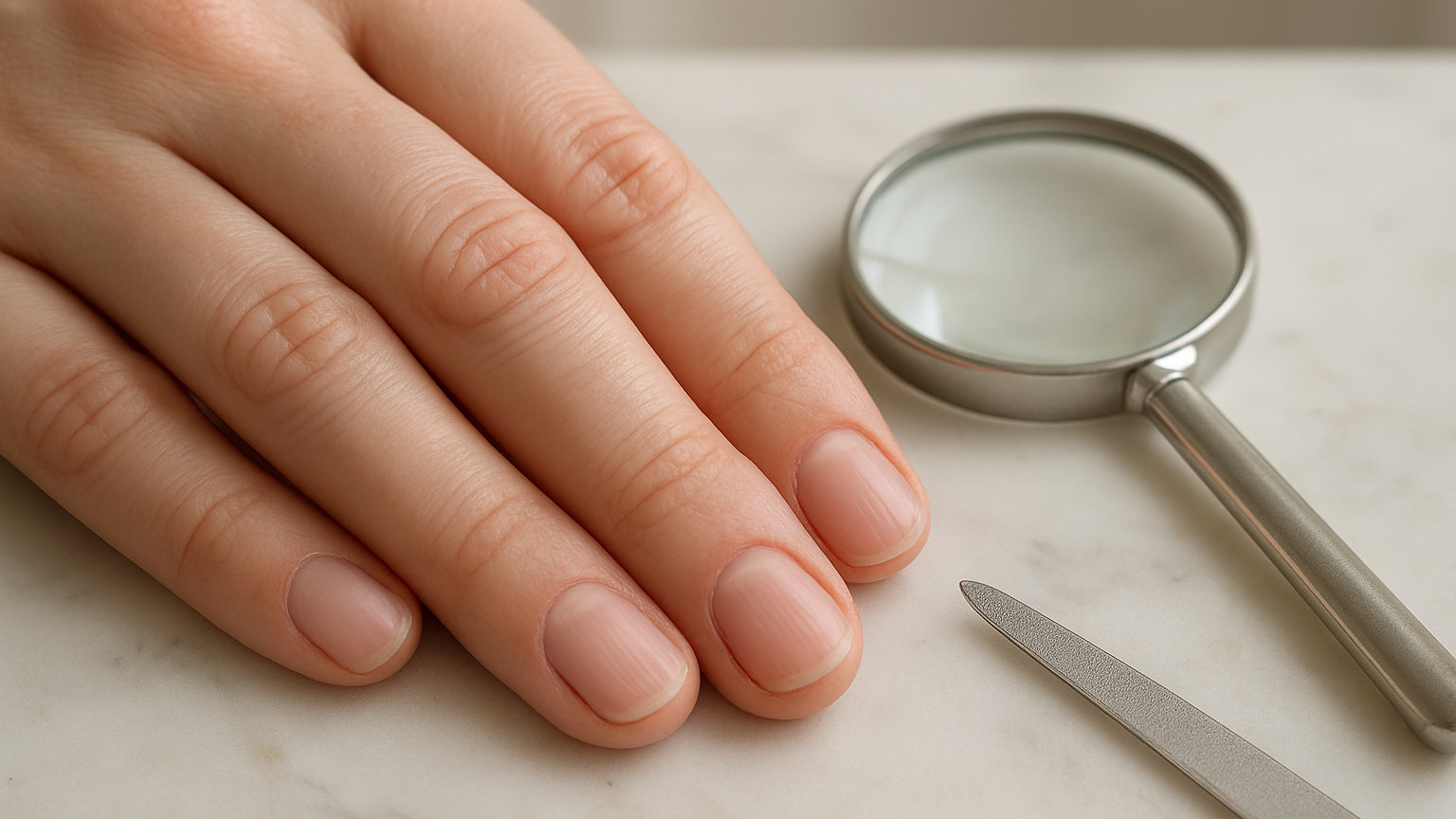
Most nail markings are harmless and a few are worth acting on, and telling them apart is mostly a matter of whether one nail is affected or all of them.
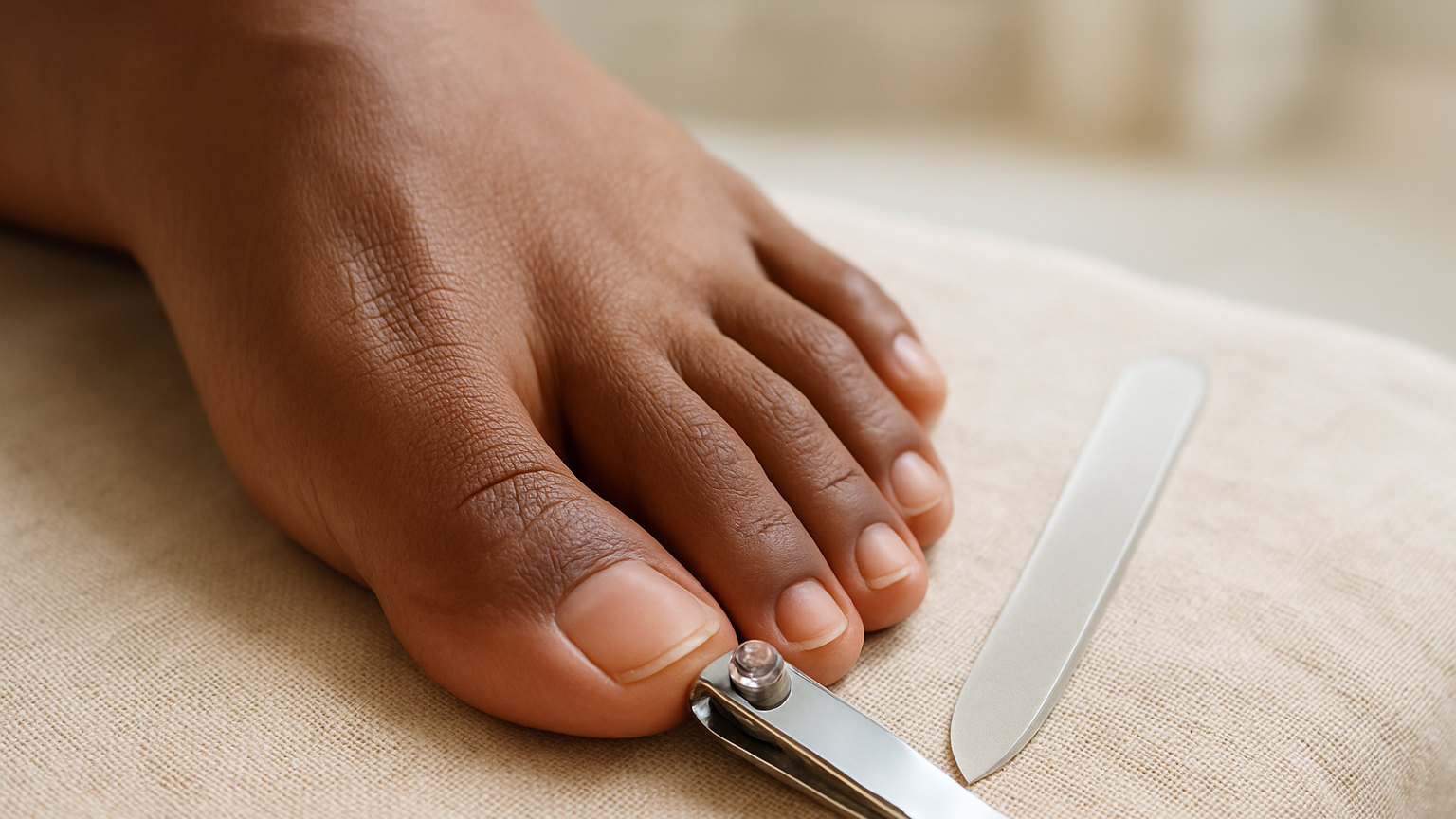
Nails split at the corners and ingrow at the toes for the same reason, and both come down to the shape they are cut into.
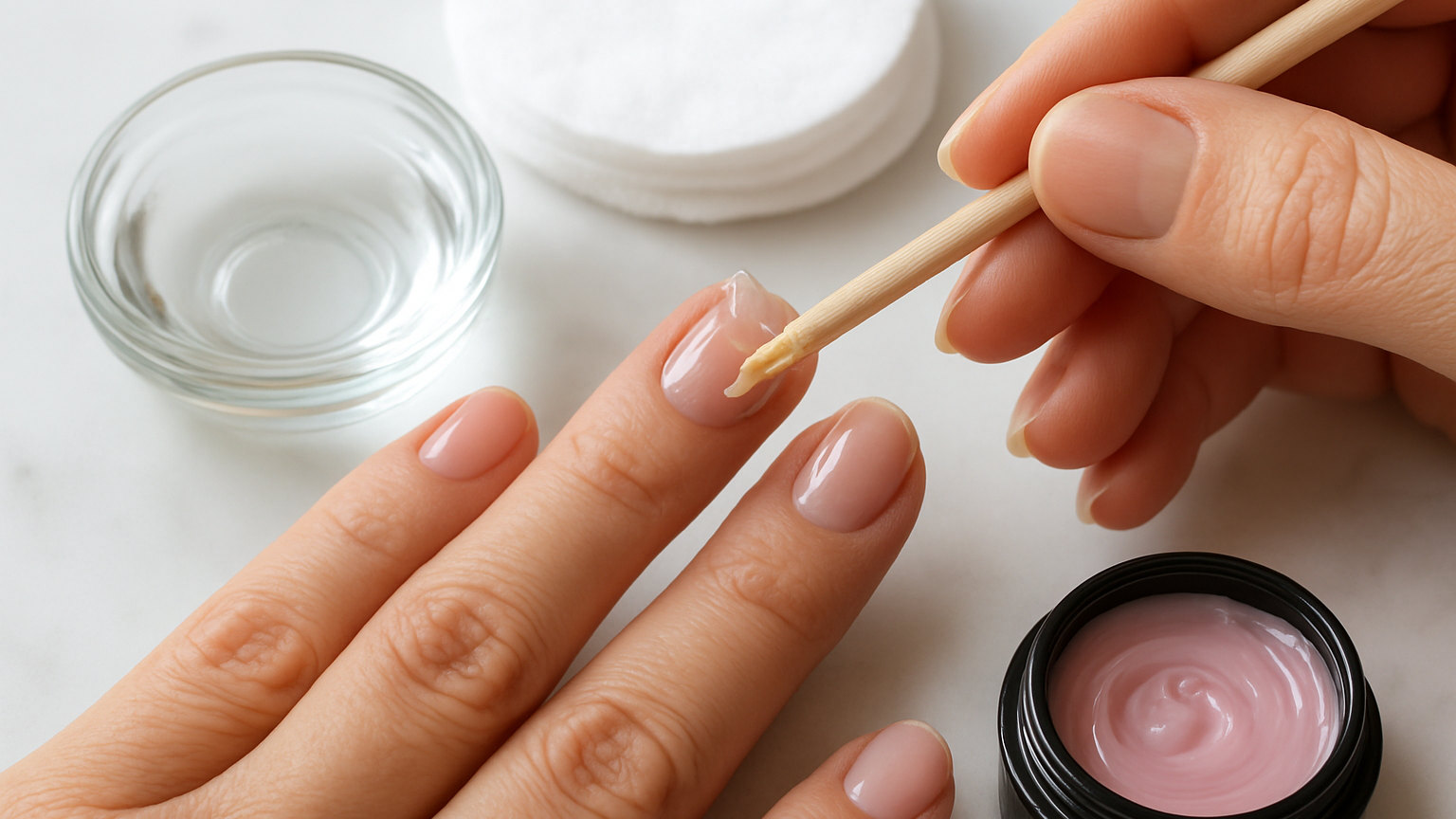
The application is rarely the problem, and the removal almost always is, along with one ingredient that has caused a rise in allergies.
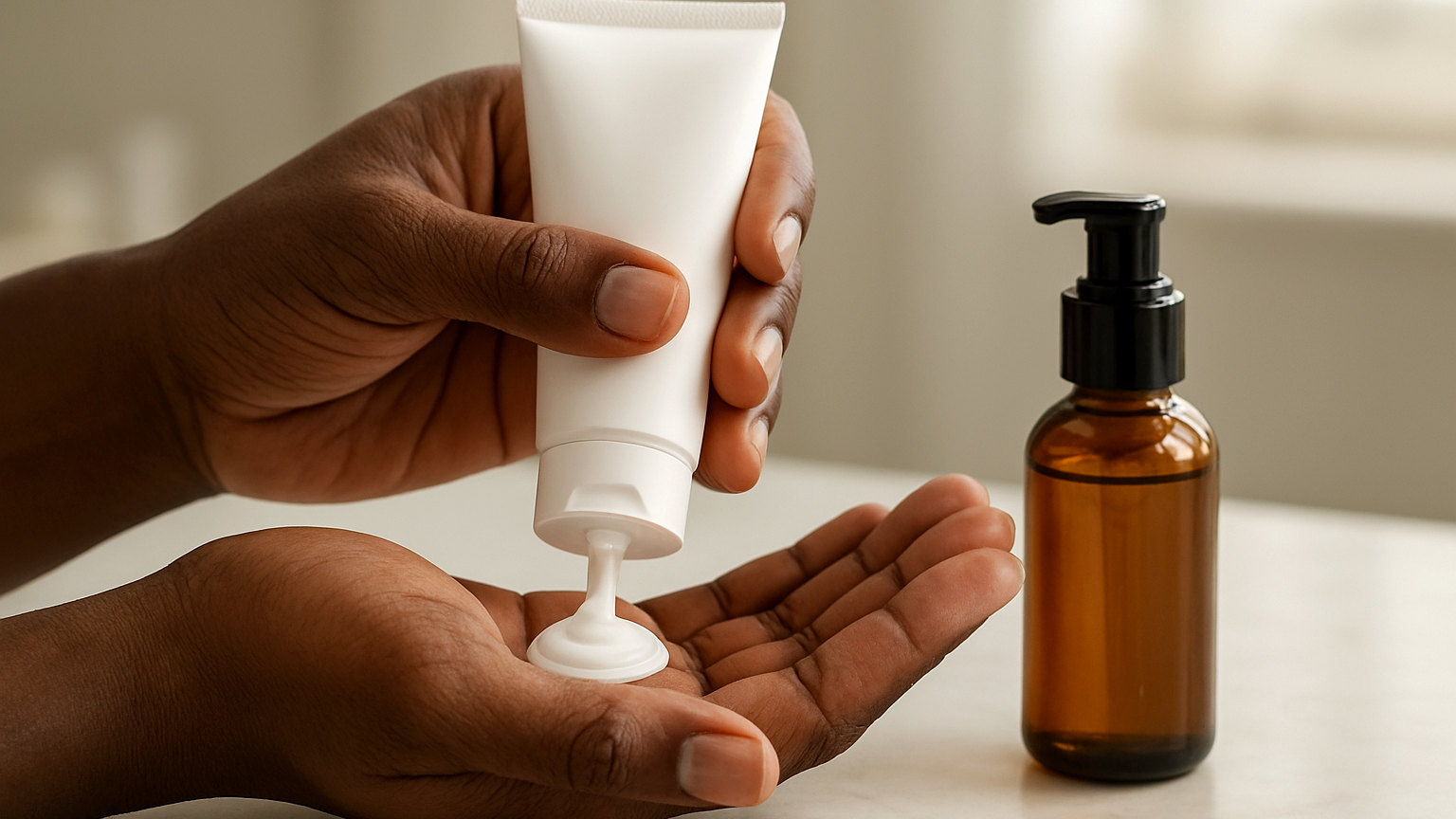
Hands age faster than the face and receive a fraction of the attention, and the two things that would help most take seconds.
Most brittle nails are a water problem rather than a nutrition problem, which is why supplements so often disappoint.
Teeth darken, wear down and shift position over decades, and losing them is not among the things that has to happen.
Smoking is the largest modifiable risk factor for gum disease and oral cancer, and it also hides the symptoms that would otherwise warn you.
Decay is a chemical process rather than an infection you catch, and it is reversible in its earliest stage, which is the part most people never hear.
Adult orthodontics works well, and the direct-to-consumer aligner market has produced enough harm that the distinction between supervised and unsupervised treatment matters.
How often you eat sugar matters considerably more than how much, which is the single most useful fact about diet and teeth.
The six-month rule is a convention rather than a clinical recommendation, and the interval that suits you depends on your risk.