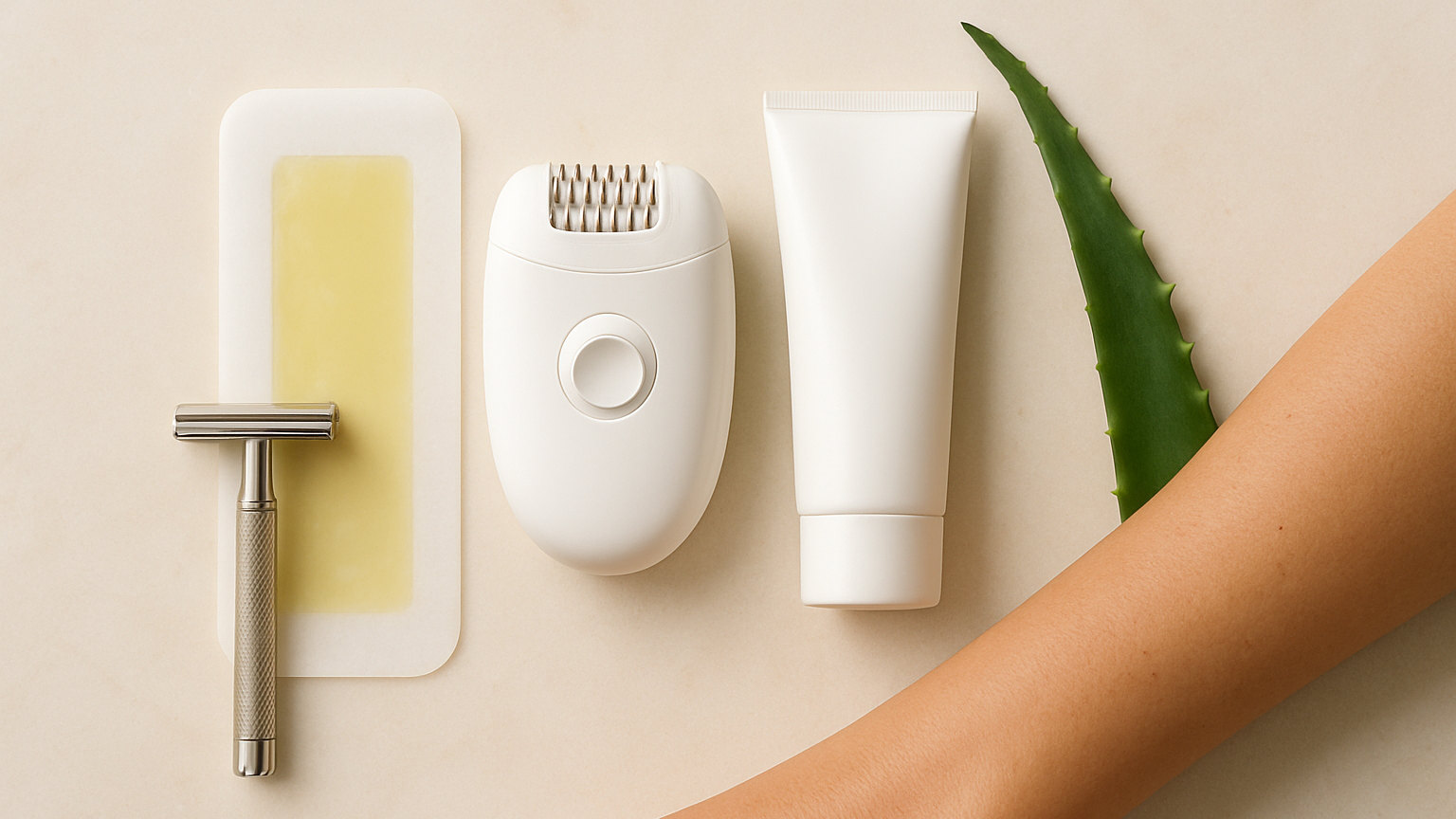
How Do You Wax at Home Safely?
Home waxing works well on some areas and badly on others, and burns from overheated wax are the most common thing that goes wrong.
By Beauty Advice Team
11 Apr 2026

Grooming is mostly technique, and most of what goes wrong with it - the rash after shaving, the ingrown hairs, the brows that never grew back - comes from method rather than the money spent on kit. These guides cover how to do each thing properly, what each hair removal method actually costs over a year, and which results need a professional. They are written for anyone, because a razor does not know whose face it is on.
Home waxing works well on some areas and badly on others, and burns from overheated wax are the most common thing that goes wrong.
Waxing removes hair from the root, which is why it lasts and why the preparation matters more than with any other method.
Every method trades cost, pain, duration and skin risk differently, and the right one depends on the area far more than on the method being best.
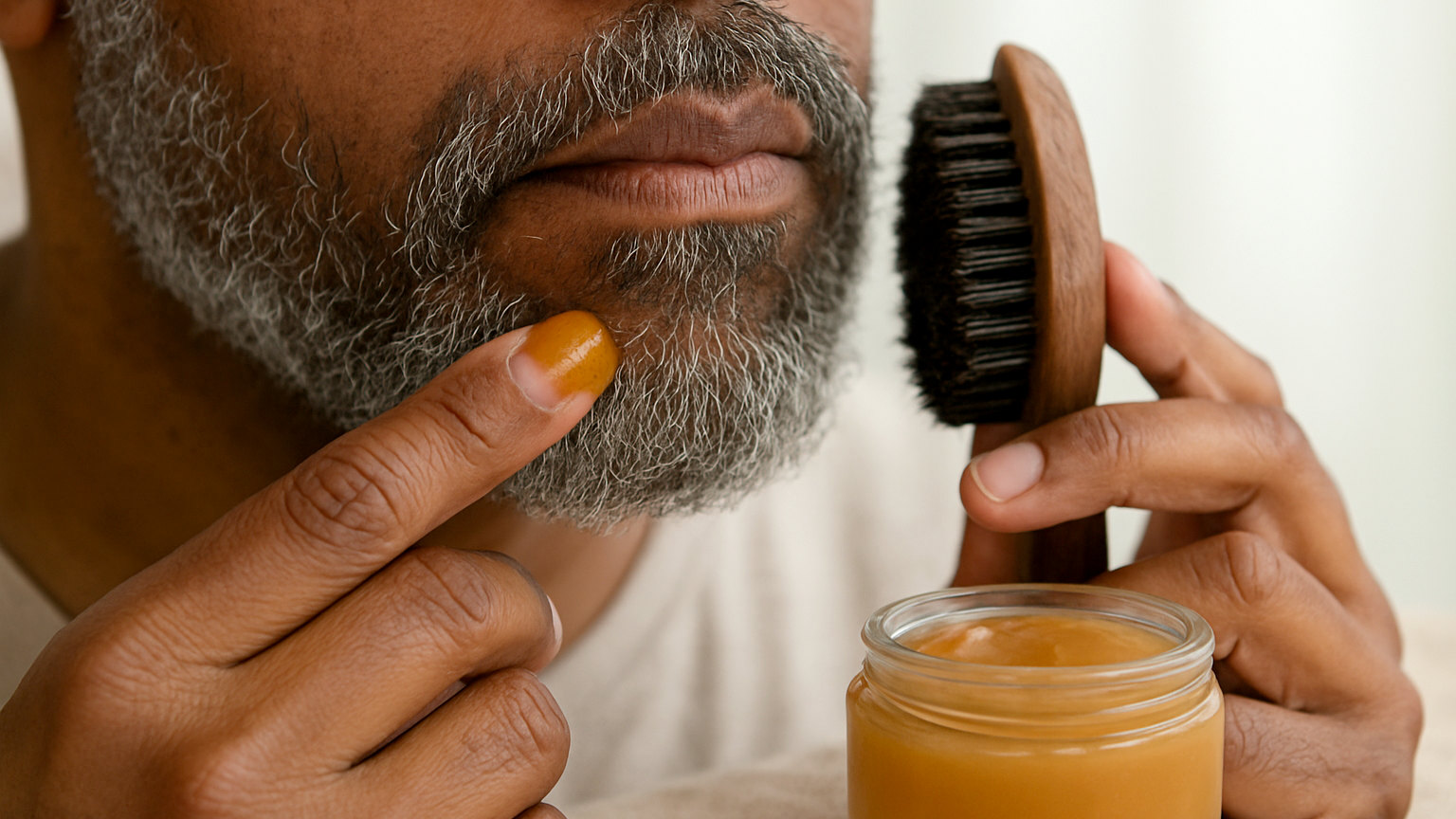
A beard changes the environment of the skin underneath in ways that help with some things and cause others, and both are worth knowing.
Past a few inches a beard behaves like long hair, with split ends, tangles and an old, dry end that needs treating separately from the roots.
Beard hair is coarser than scalp hair by nature, and softening it is about conditioning and mechanical training rather than any single product.
Beard dye works and needs more care than hair dye, since the skin underneath is facial skin and the regrowth shows within days.
The usual face-shape charts are less useful than two simple principles about where to add length and where to keep it short.
Beards frequently grey before scalp hair, often starting with a single patch on the chin, and the pattern is more predictable than it looks.
A moustache is the most conspicuous facial hair to grow, and the awkward stage is longer than for a beard because there is nothing else to distract from it.
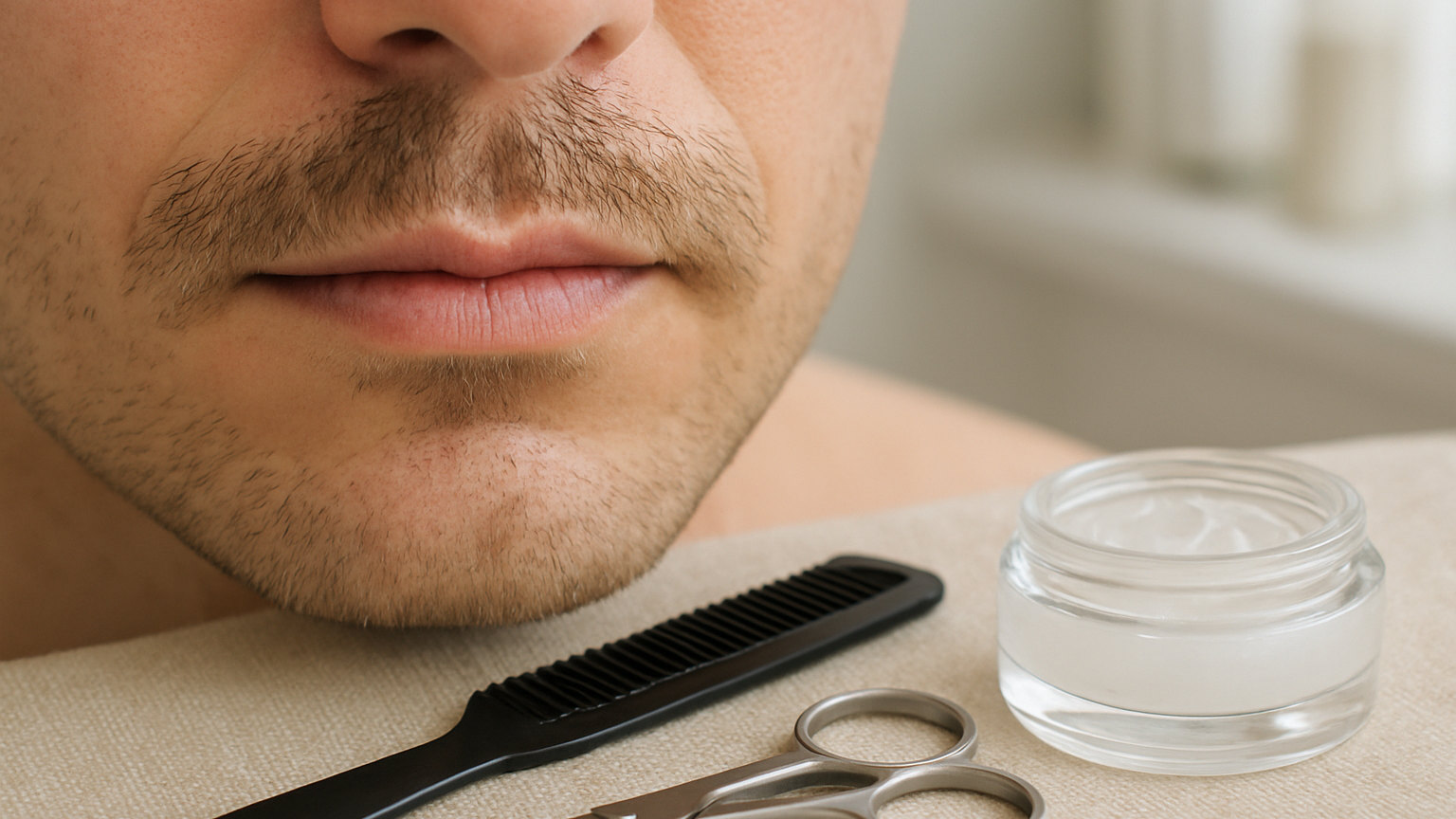
Stubble sits between shaving and a beard and needs more maintenance than either, because the difference between designed and neglected is a couple of days.
It does one thing well, one thing adequately, and nothing at all for the claim it is most often sold on.