Which Hair Oils Should You Use?
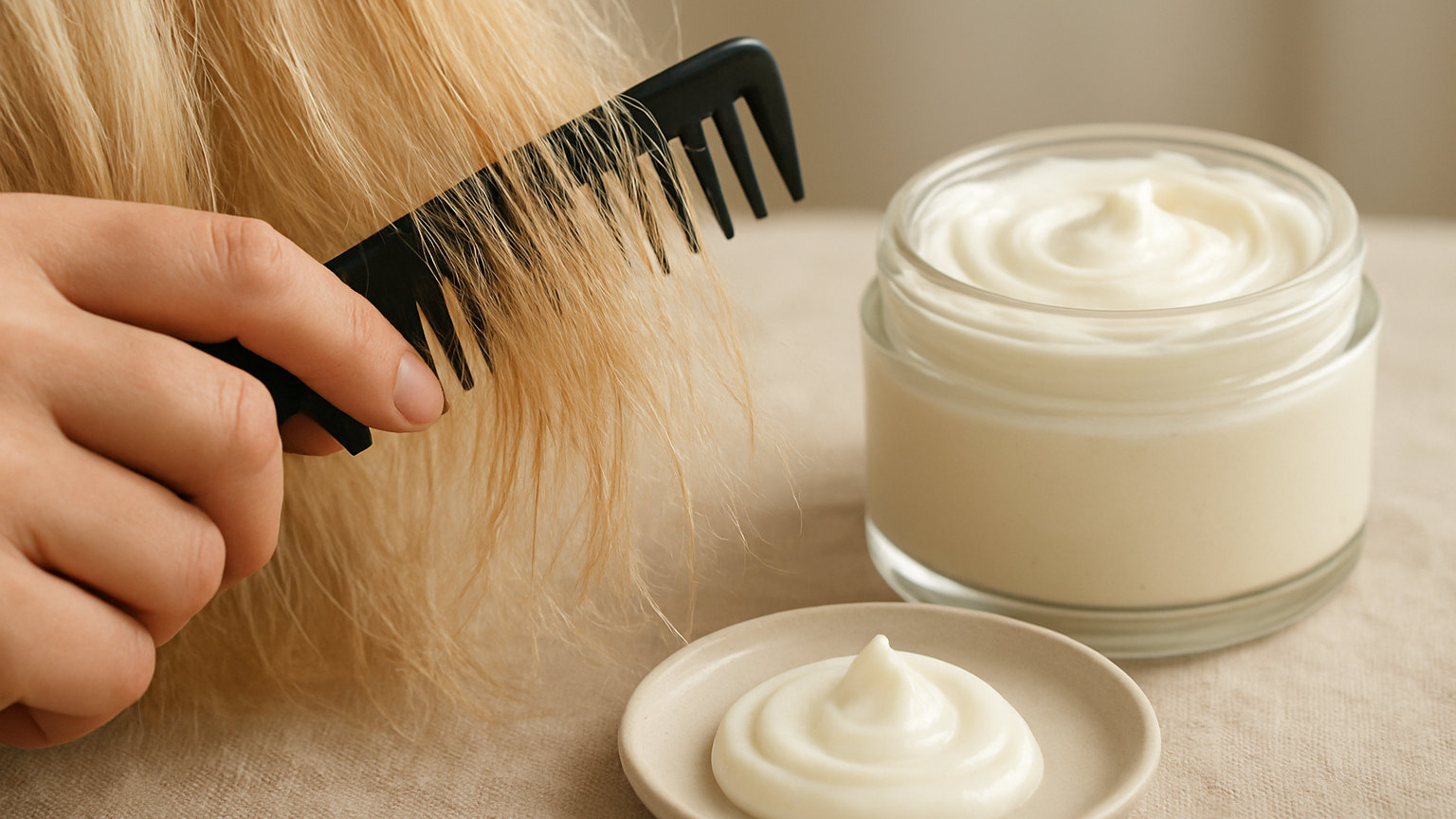
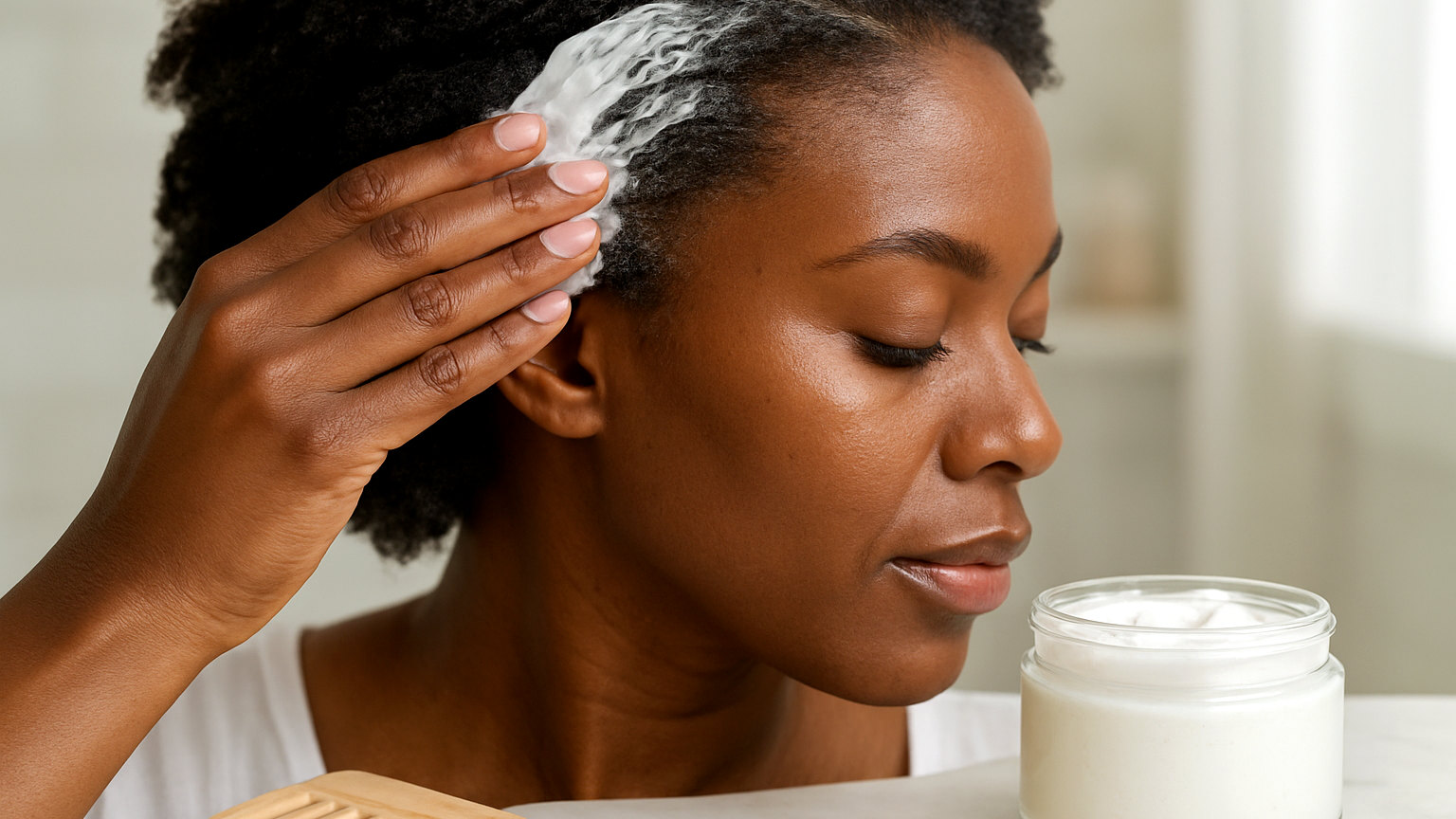
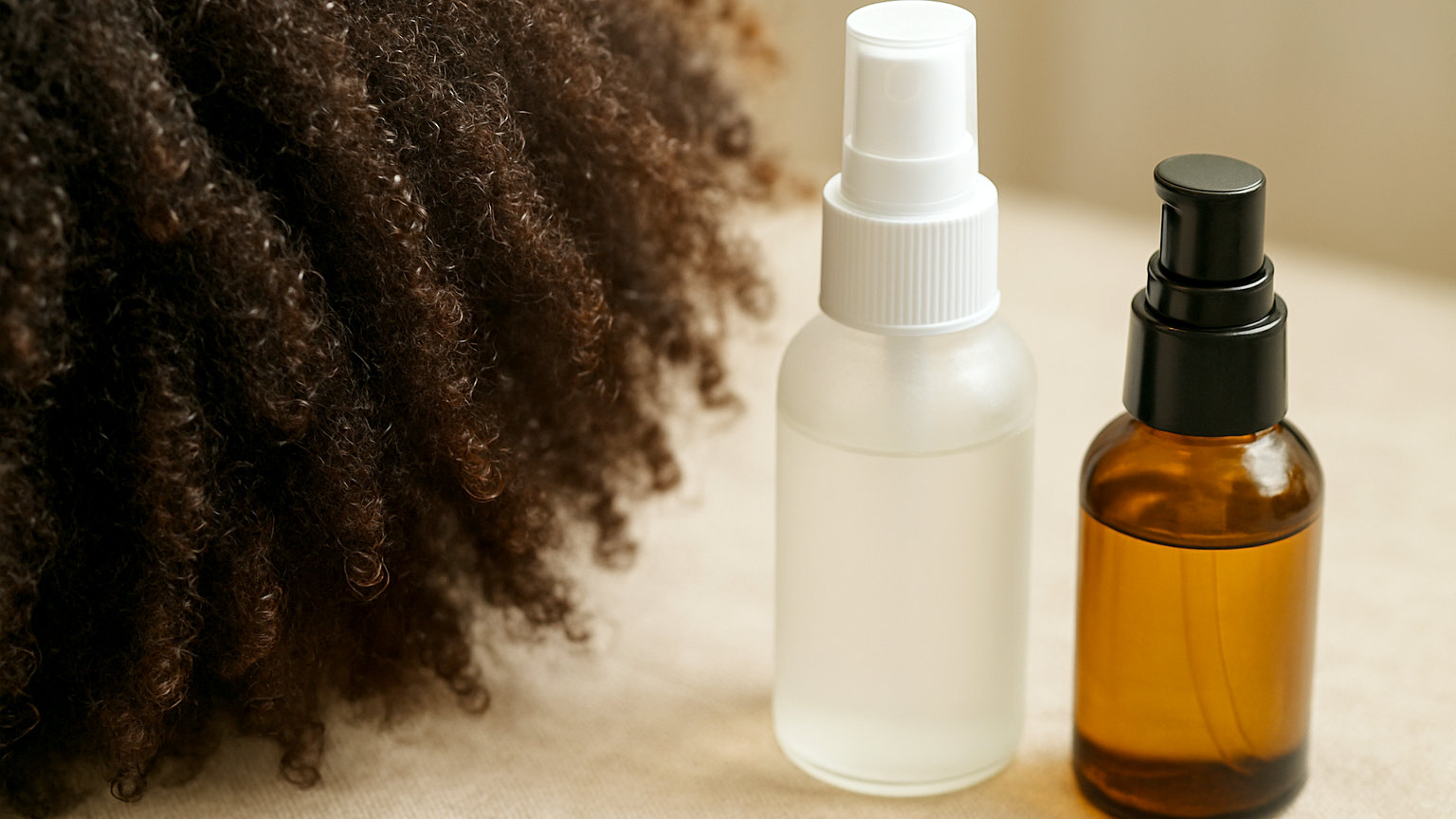
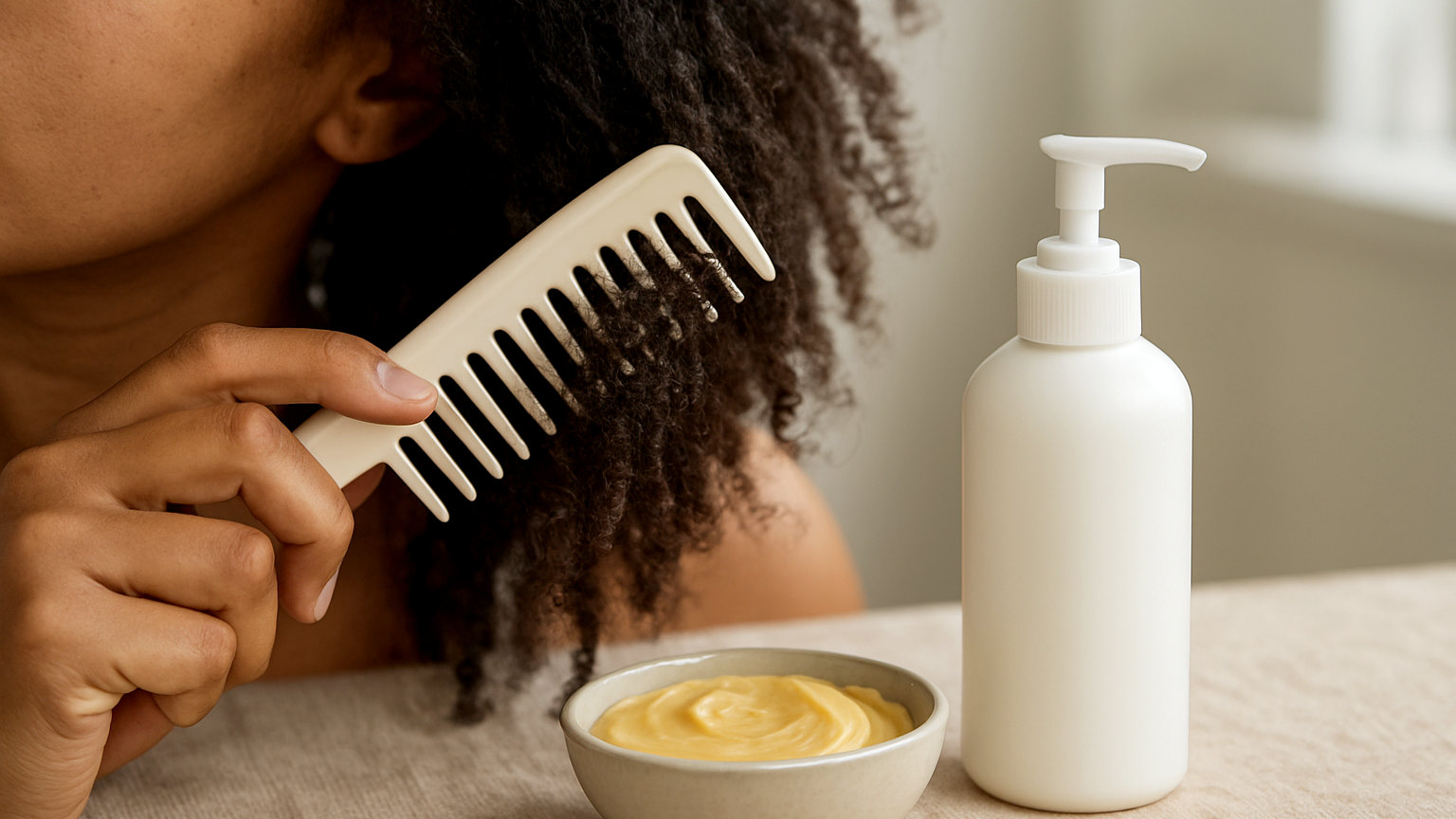
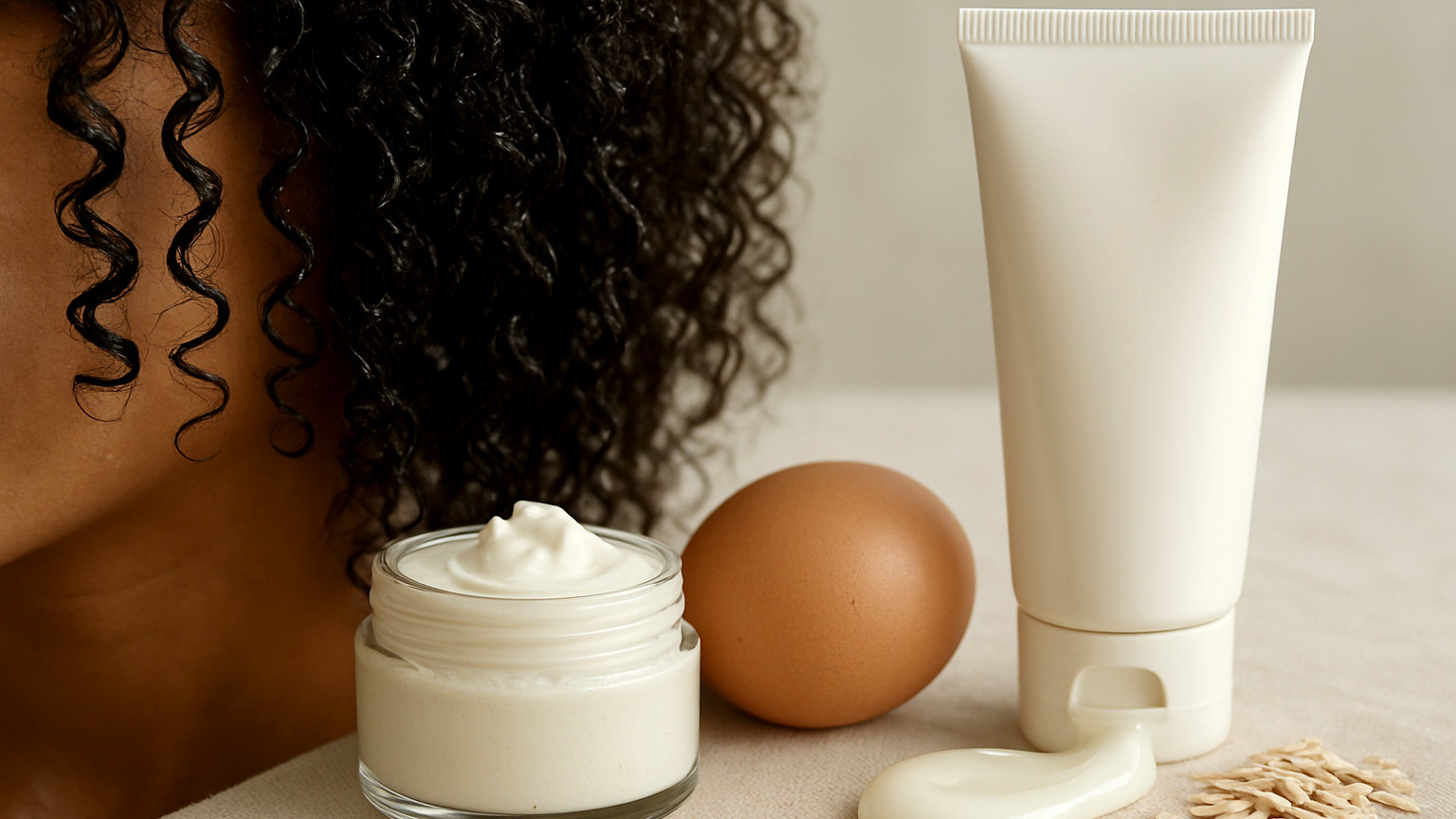
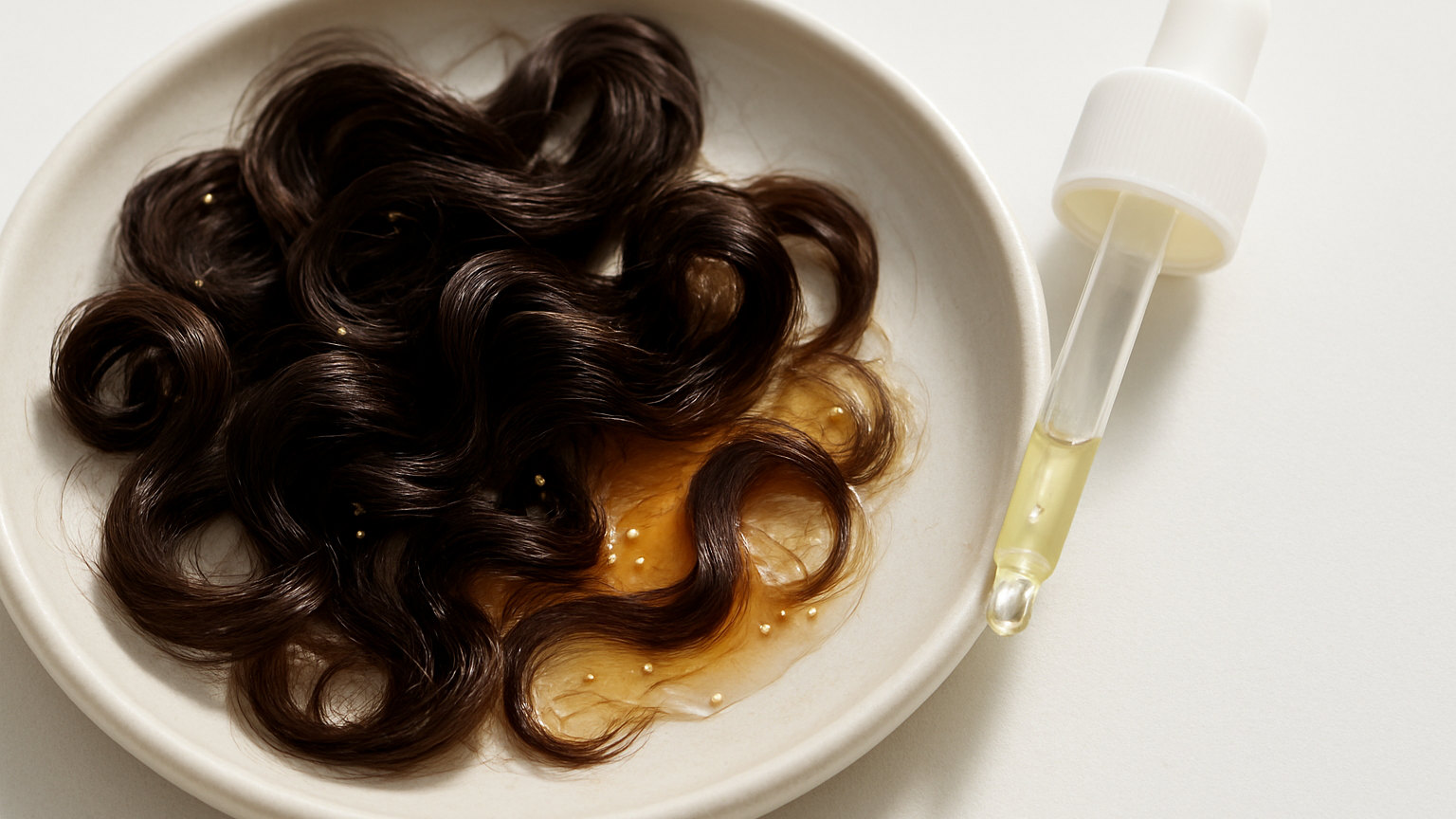
Only a handful of oils penetrate the hair shaft, and the rest sit on the surface, which is a useful distinction when choosing between them.
By Beauty Advice Team
9 Jun 2026

Hair is dead protein, which is the single most useful fact for judging what any product can and cannot do for it. Nothing repairs a split end; a good deal of what is sold as repair is a temporary coating, and there is no shame in wanting one. These guides separate the things that genuinely change hair from the things that make it look better until the next wash, cover the causes of loss and thinning honestly rather than hopefully, and treat the scalp as skin, because that is what it is.
Only a handful of oils penetrate the hair shaft, and the rest sit on the surface, which is a useful distinction when choosing between them.
Bleached hair is structurally different from the hair it used to be, and a routine that treats it as ordinary hair with extra conditioner will not hold.
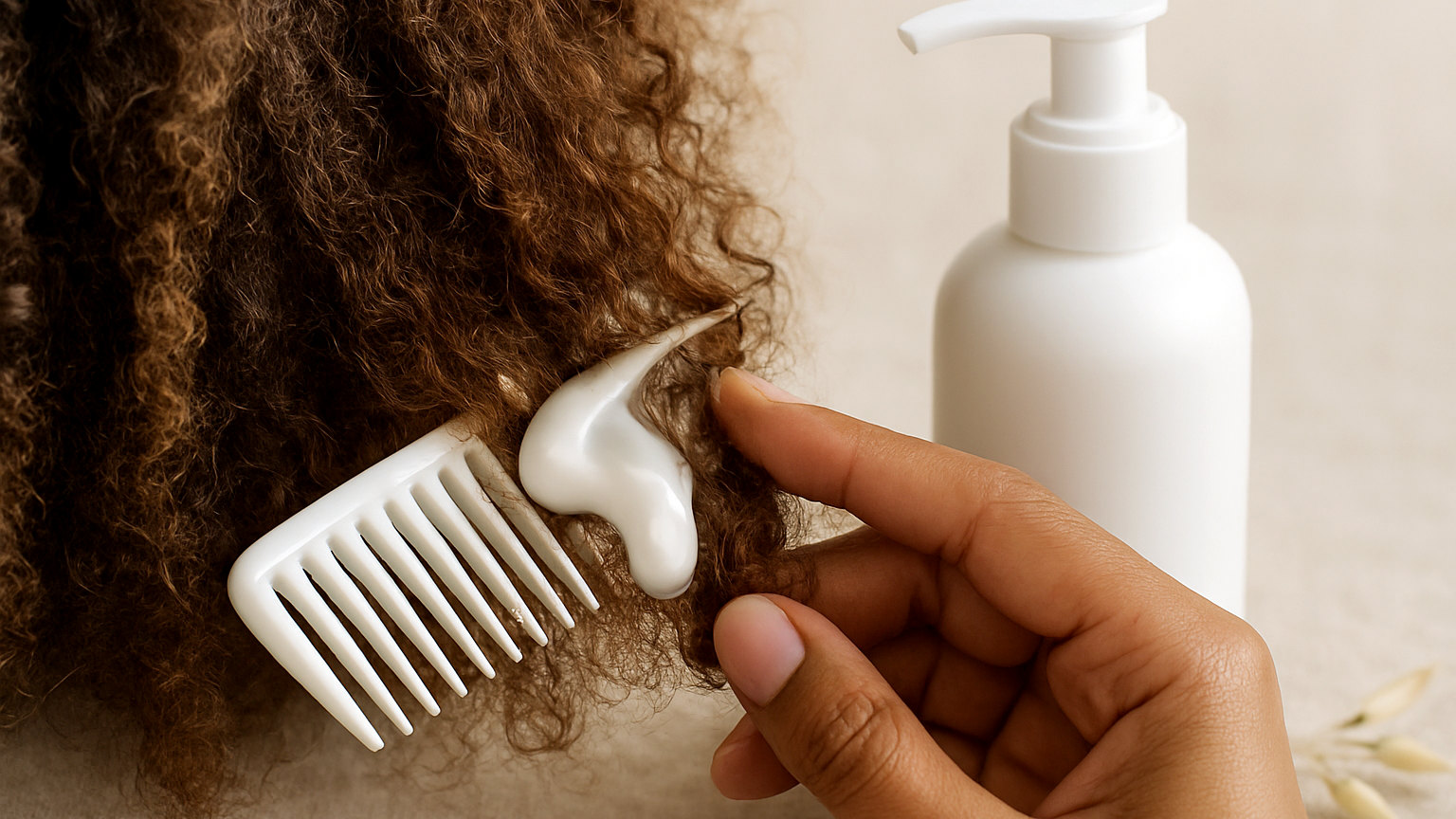
They do something a conditioner does not, and most of what determines whether you notice is how you use them rather than which you buy.
Dryness is either a supply problem or a retention problem, and the two need entirely different responses.
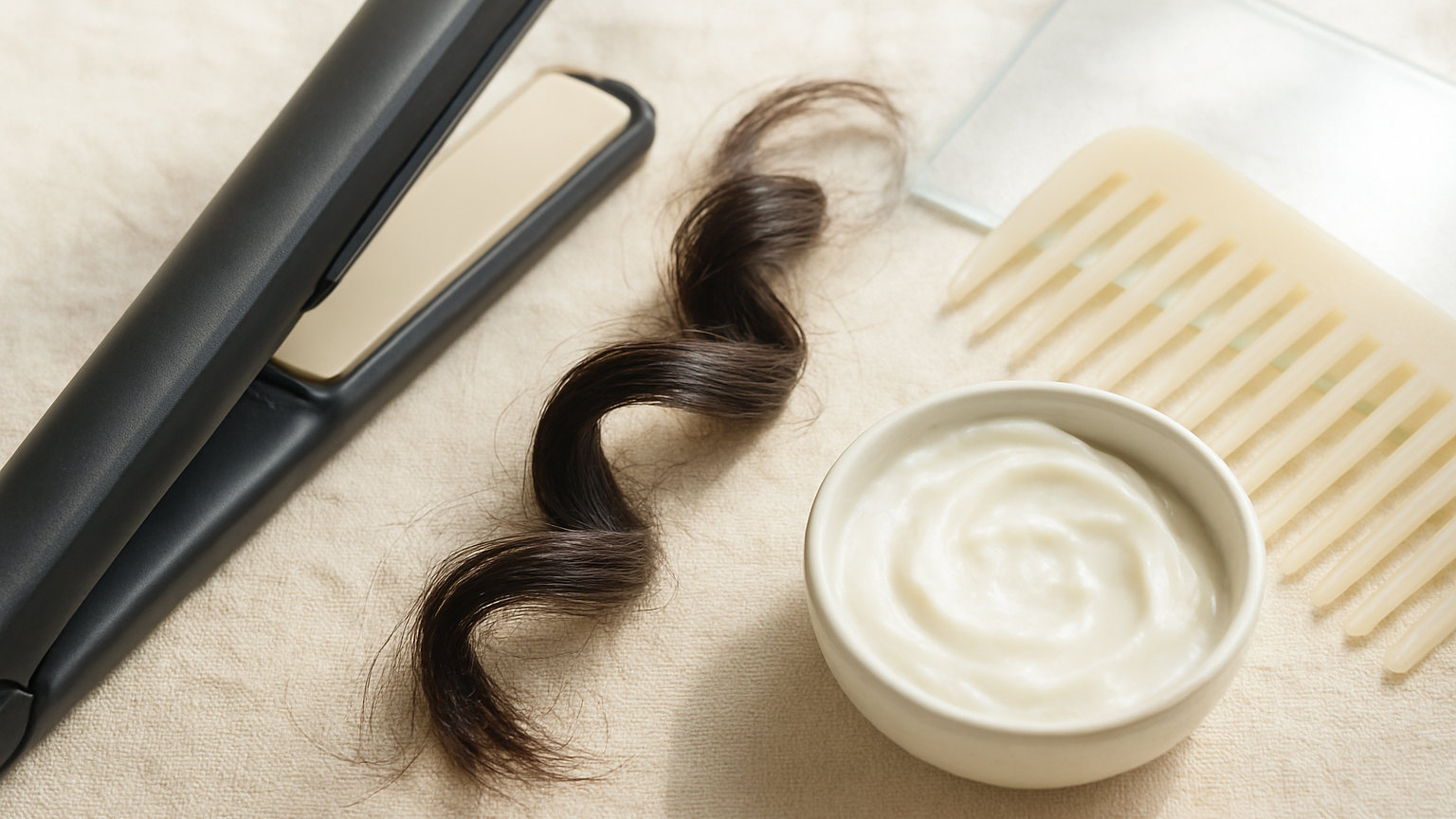
Heat damage cannot be undone, and there is a great deal that can be done about how the hair behaves while it grows out.
Both feel like dryness and need opposite treatment, and giving hair the wrong one is a common reason it gets worse while being treated carefully.
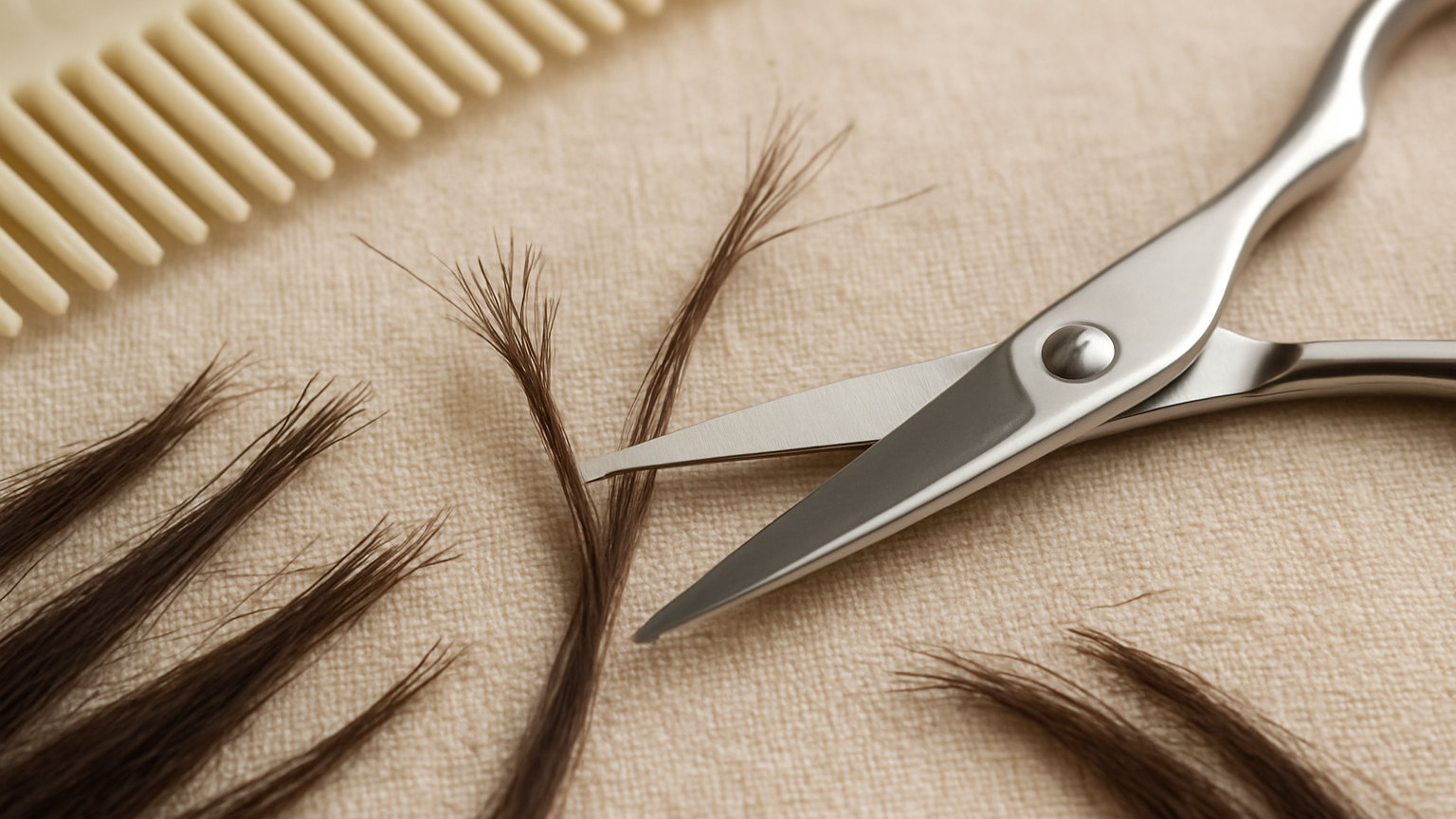
A split does not stay where it started, which is why leaving them alone costs more length than trimming them off.
These are the one product category with a genuine claim to changing the structure of hair rather than coating it, and the claim comes with real limits.
Damage comes from four sources, and the one people worry about least does the most over a lifetime.
Scalp odour is more common than anyone admits, has identifiable causes, and usually resolves once the right one is addressed.
Sweat itself is harmless, and what happens to it afterwards is where the problems come from.
Adults get head lice regularly, usually from children, and the embarrassment attached to it delays treatment far more than any difficulty in treating it.