Does Diet Affect Hair Growth?
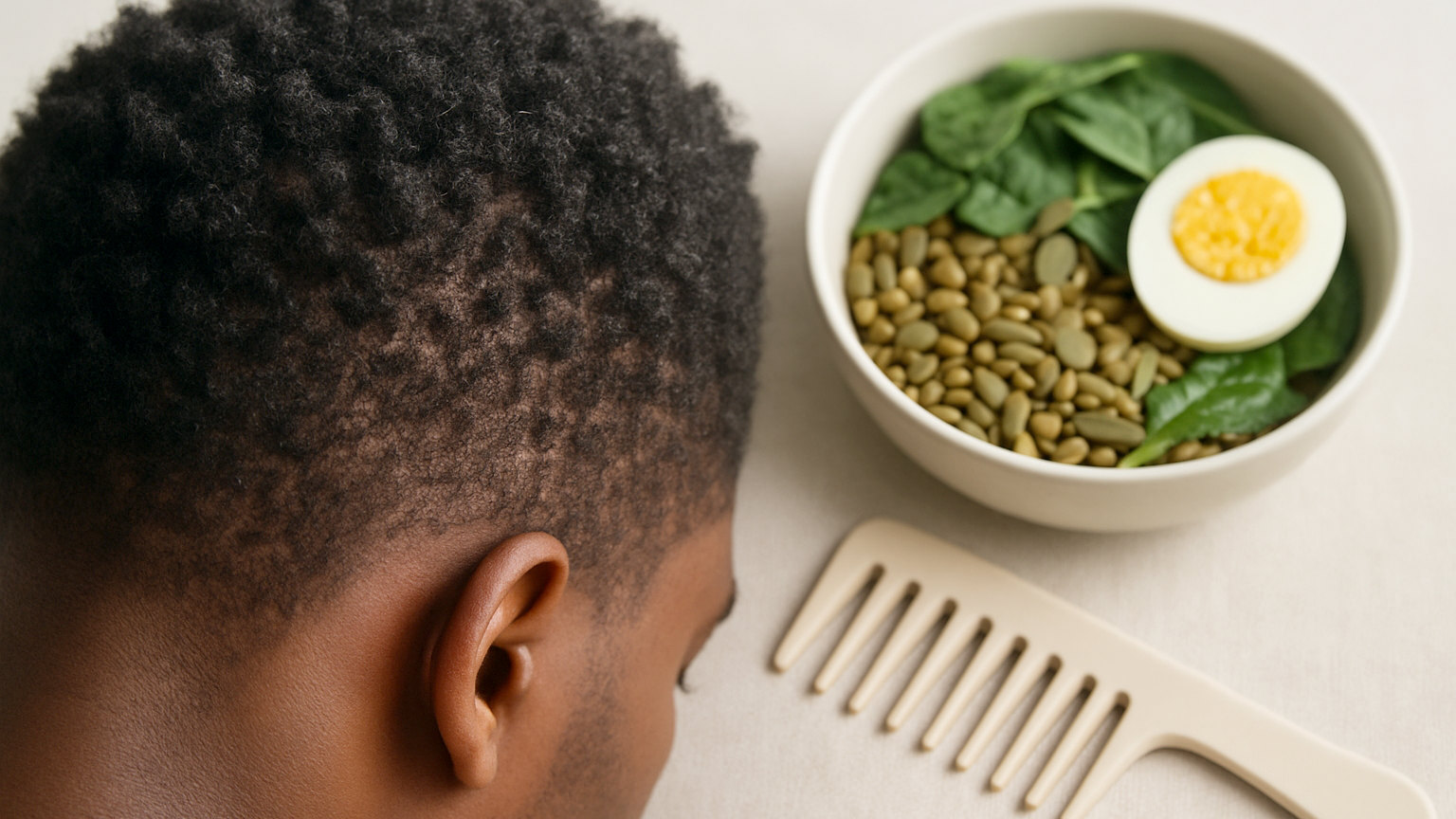
Diet matters enormously when something is missing and hardly at all when nothing is, which is why the advice divides so sharply between two groups of people.
By Beauty Advice Team
10 Apr 2026

Hair is dead protein, which is the single most useful fact for judging what any product can and cannot do for it. Nothing repairs a split end; a good deal of what is sold as repair is a temporary coating, and there is no shame in wanting one. These guides separate the things that genuinely change hair from the things that make it look better until the next wash, cover the causes of loss and thinning honestly rather than hopefully, and treat the scalp as skin, because that is what it is.
Diet matters enormously when something is missing and hardly at all when nothing is, which is why the advice divides so sharply between two groups of people.
The evidence is thinner than the enthusiasm suggests and more interesting than the sceptics allow, and it costs nothing to try.
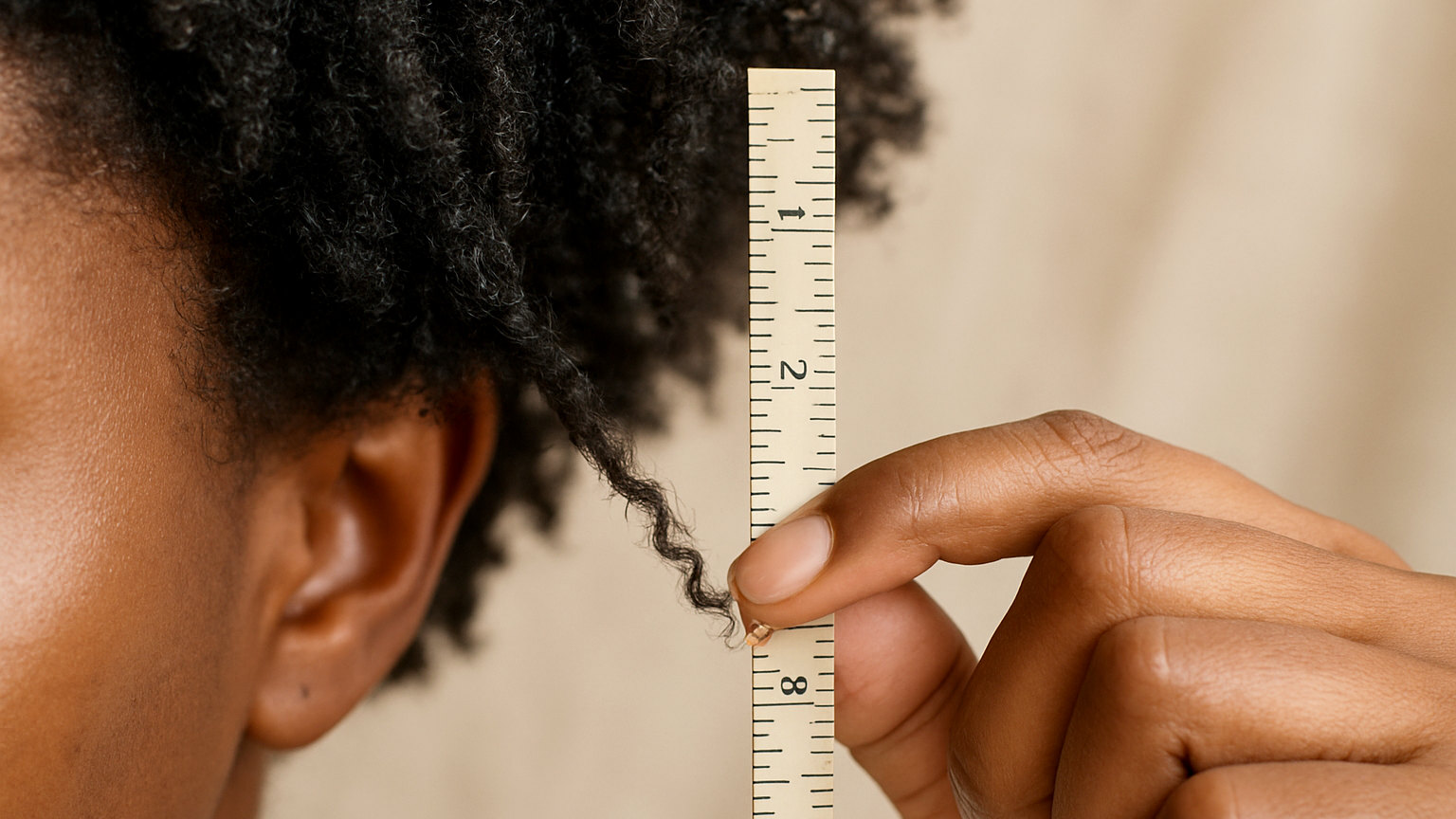
Roughly a centimetre a month, and the more useful number is how much of that you keep, which varies far more between people than growth rate does.
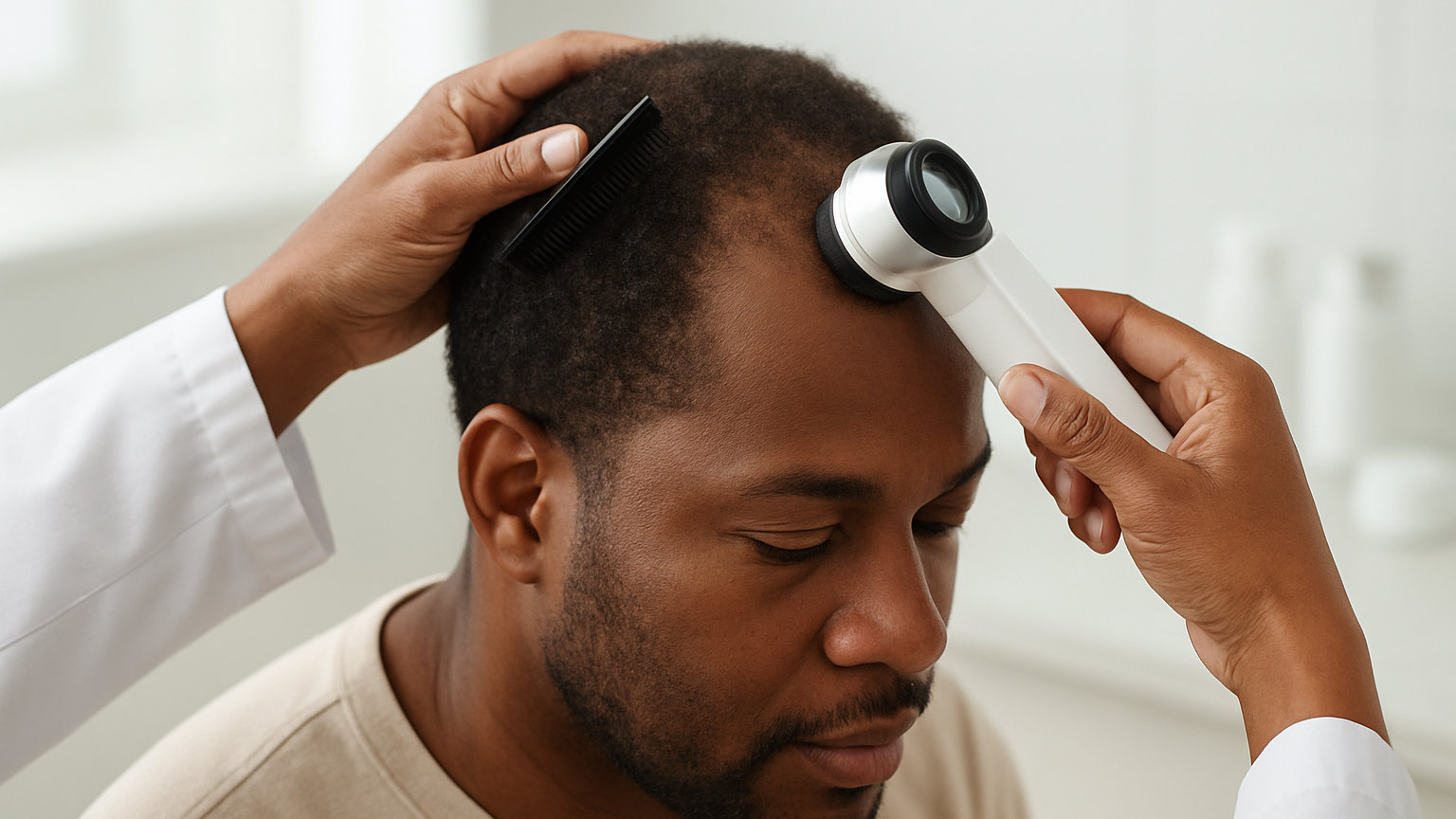
Knowing what will be asked and which tests to request makes a ten-minute appointment considerably more productive than it would otherwise be.
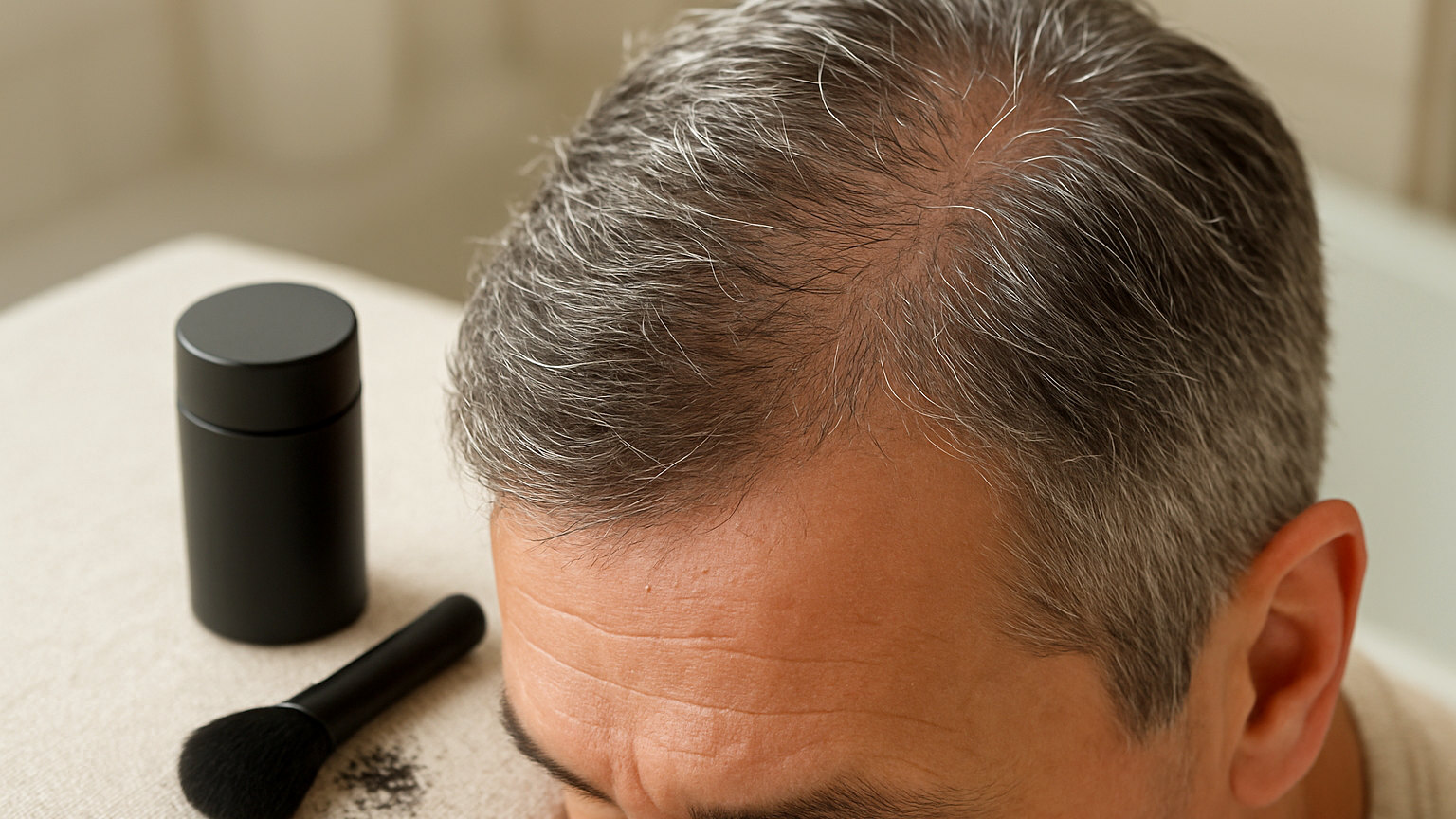
Concealing thinning is not a substitute for treating it, and it works considerably better than most people expect while treatment takes effect.
Hair changes around menopause in several ways at once, and the thinning is only part of what people notice.
A number of common prescriptions cause shedding, usually with a delay long enough that people rarely connect the two.
Both an underactive and an overactive thyroid cause hair loss, and it is often the symptom that finally prompts someone to get tested.
Round patches of complete hair loss appearing over days are a different condition entirely from thinning, and the follicles usually survive.
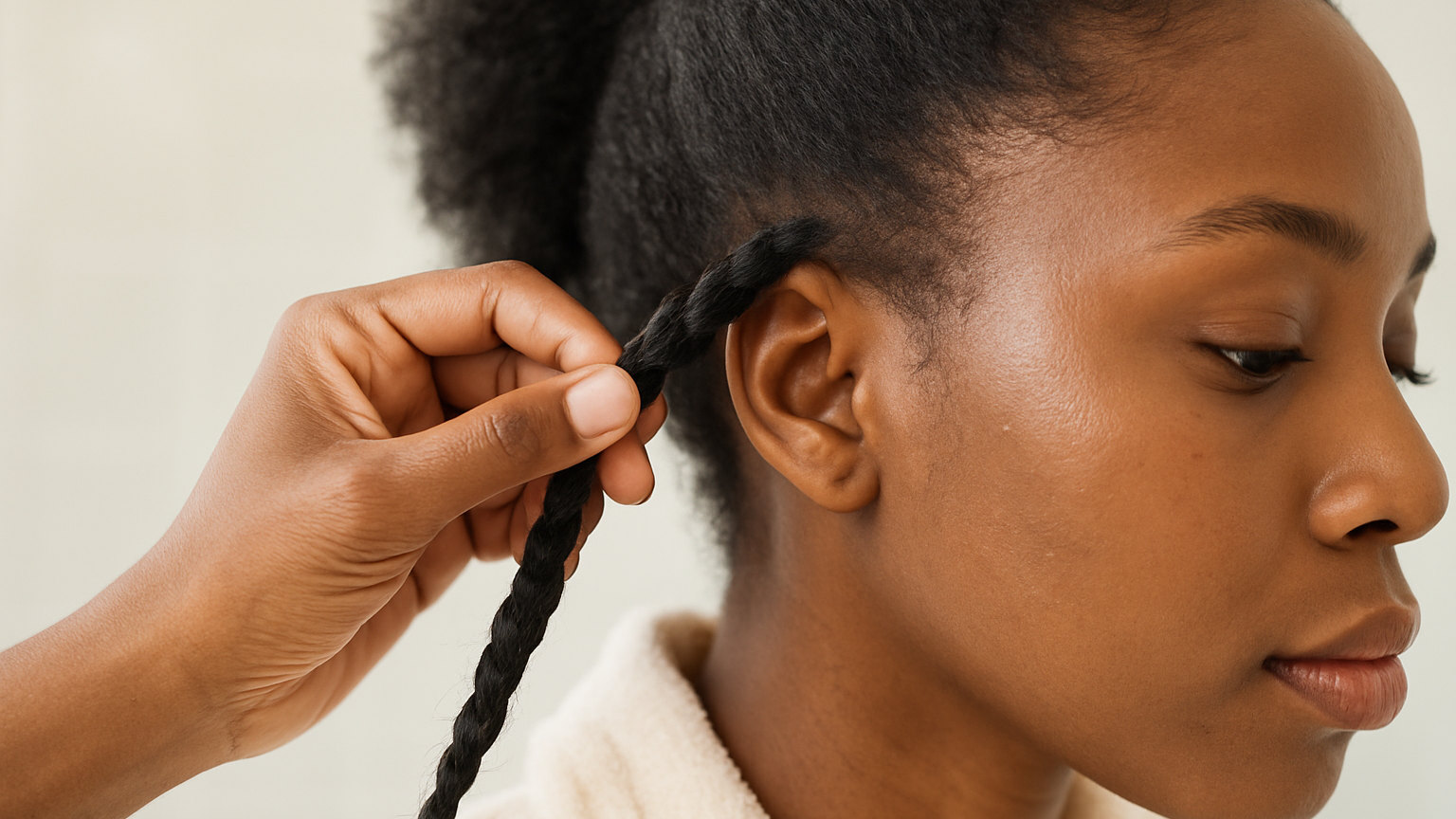
Traction alopecia is entirely preventable, largely reversible if caught early, and permanent if it is not, which makes recognising it early unusually valuable.
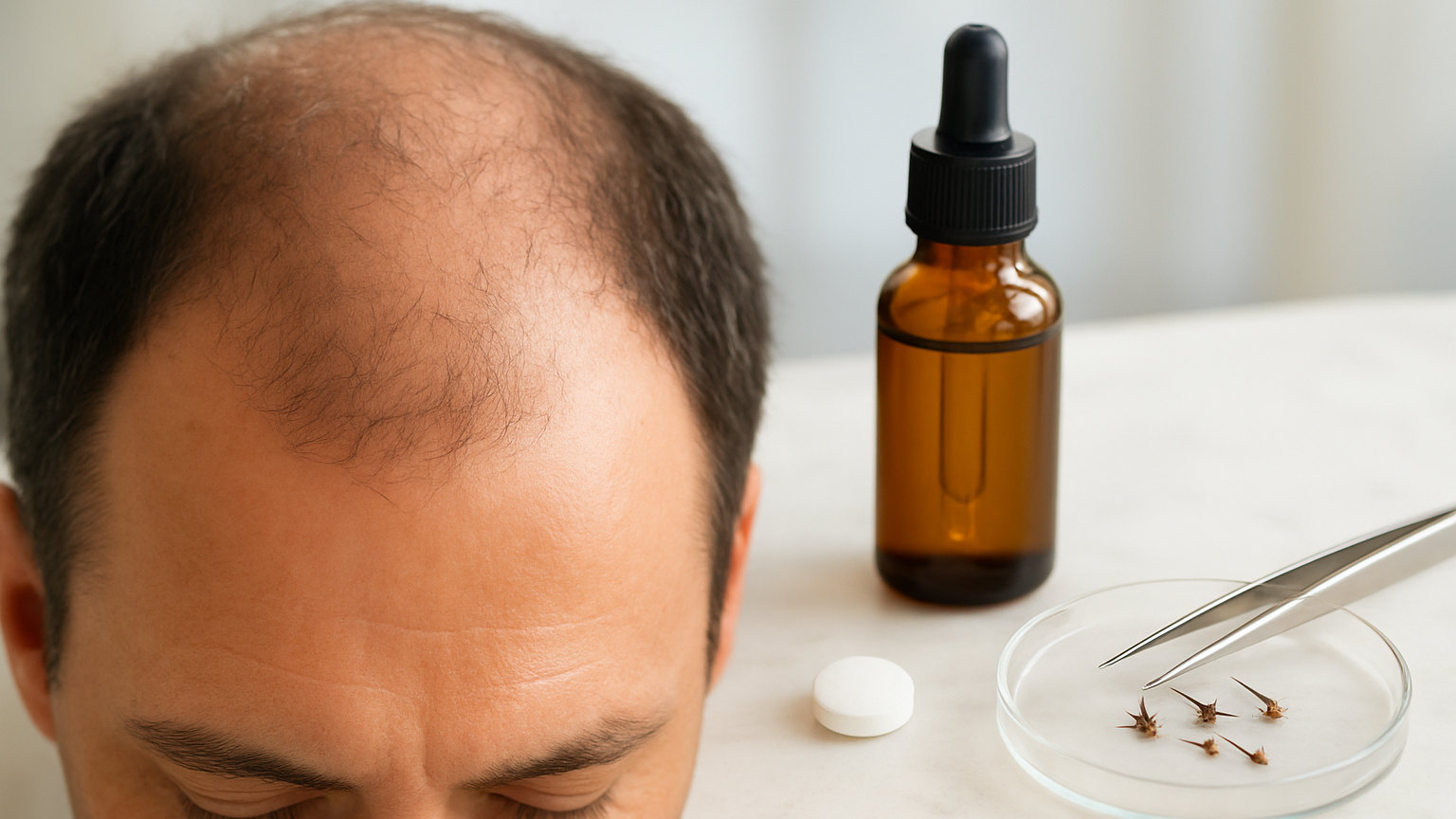
Two treatments have solid evidence, one procedure works permanently, and everything else on the market is competing for attention rather than results.
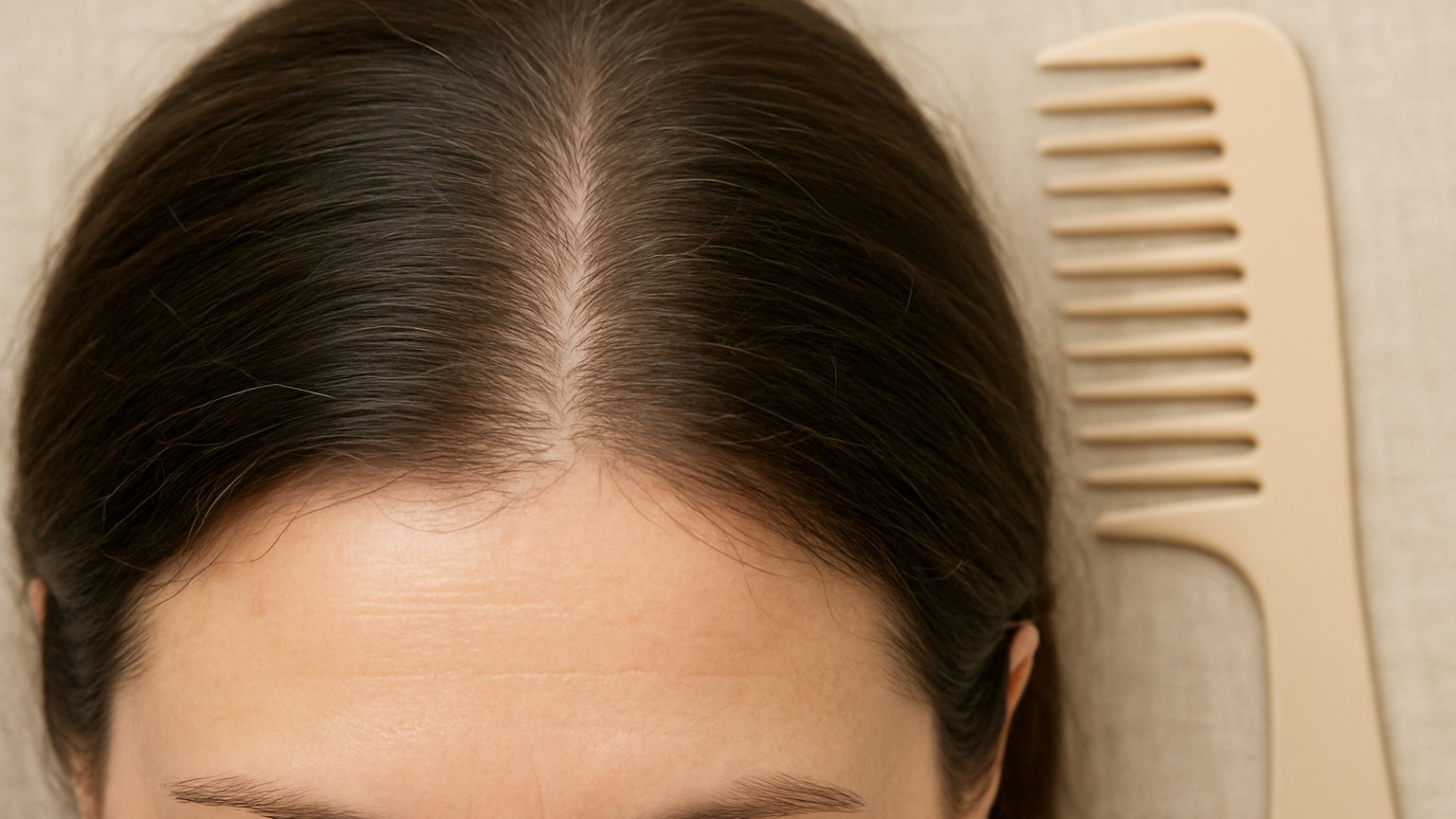
It is the most common cause of thinning in women and it looks nothing like male balding, which is part of why it is so often recognised late.