How Do You Care for Your Scalp After Bleaching?
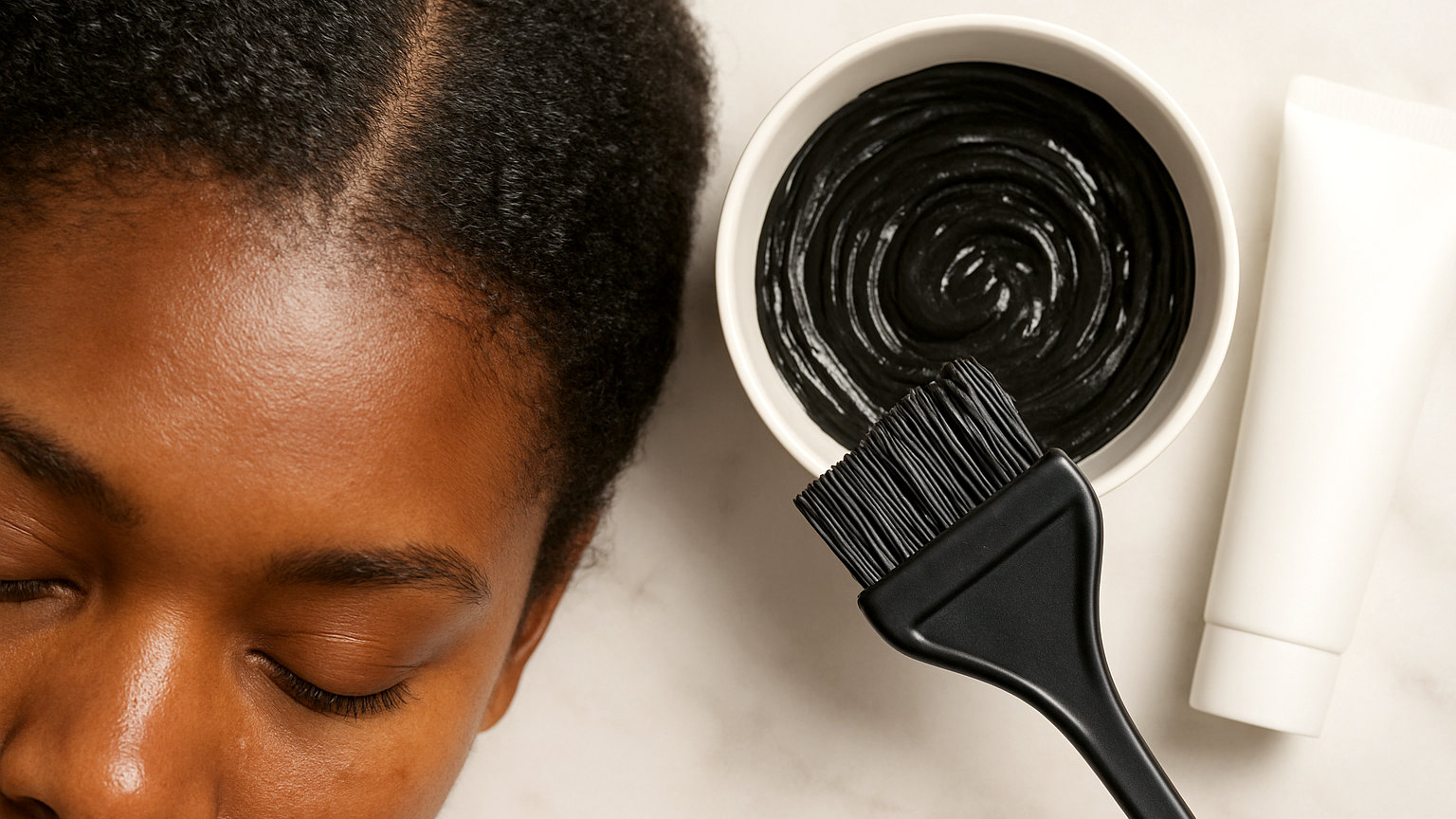
Bleach reaching the scalp is a chemical exposure rather than a hair treatment, and the aftercare is closer to treating a mild burn than to conditioning.
Hair is dead protein, which is the single most useful fact for judging what any product can and cannot do for it. Nothing repairs a split end; a good deal of what is sold as repair is a temporary coating, and there is no shame in wanting one. These guides separate the things that genuinely change hair from the things that make it look better until the next wash, cover the causes of loss and thinning honestly rather than hopefully, and treat the scalp as skin, because that is what it is.
Bleach reaching the scalp is a chemical exposure rather than a hair treatment, and the aftercare is closer to treating a mild burn than to conditioning.
Protective styles are good for the hair and can be hard on the scalp, and the scalp is the part most often neglected while the style is in.
Reactions to hair products are common, frequently attributed to something else, and one ingredient in particular deserves genuine caution.
Genuine dryness is less common than assumed and needs the opposite treatment to dandruff, which is why getting the diagnosis right matters first.
The two look similar at a glance and need different treatment, and there are three reliable differences that separate them.
Scalp pain without a rash is common, has several distinct causes, and is worth taking seriously when it comes with hair loss.
Most scalp spots are folliculitis rather than acne, and the distinction matters because the treatments differ and one is sometimes fungal.
Washing less does not retrain your scalp, and the belief that it does keeps a great many people in a worse position than they need to be.
Build-up is frequently mistaken for dandruff and treated with the wrong product for months, and the two are straightforward to tell apart.
The scalp is skin, and treating it as an extension of the hair rather than as skin is the reason so many scalp problems persist.
Dandruff is not dryness and it is not poor hygiene, and both of those assumptions lead people toward treatments that make it worse.
Itching has several causes that look similar, and the most common one is treated with the opposite of what most people reach for.